


Blog
Stainless Steel Bars and Rods: Mechanical Properties and Machinability

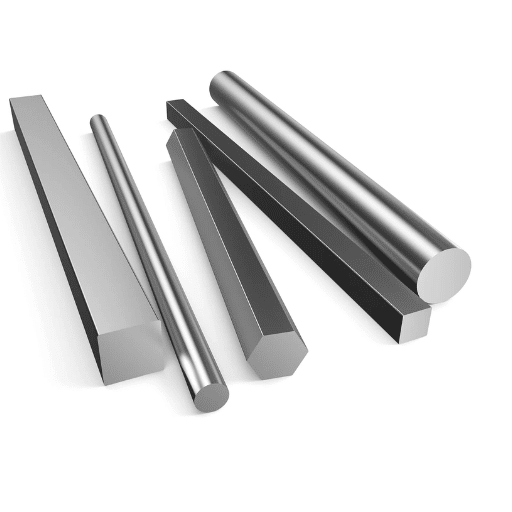
Industrial applications use stainless steel bars and rods because these materials provide exceptional strength together with protection against corrosion and multiple operational applications. The industrial sectors of construction and automotive and medical fields require knowledge about material properties and machining capabilities to achieve their essential performance and cost savings targets. The blog post examines the primary features of stainless steel bars and rods, which include tensile strength and hardness and ductility, together with their machining performance. The content teaches you how to choose an appropriate grade while using its characteristics to meet your particular needs.
Introduction
The exceptional strength and corrosion resistance and durability of stainless steel bars and rods make them essential materials for industrial and commercial applications. Multiple grades and types of stainless steel bars and rods exist to meet specific needs which include high tensile strength and improved machinability and protection from extreme temperatures. The correct grade selection of these materials requires understanding their distinct properties because this knowledge enables you to achieve the best performance and cost efficiency for your project. The guide presents a detailed evaluation of their features and real-world applications to assist users in making educated choices.
Importance of Material Selection
Material selection stands as the essential process which engineers and manufacturers and construction workers must complete because they need materials that fulfill all project performance requirements while remaining durable and cost-efficient. The process of material selection requires assessment through three main criteria which include the material’s mechanical characteristics and its ability to withstand environmental conditions and its suitability for particular operational environments. The solution serves as a critical component which upholds security regulations while simultaneously improving the operational lifespan of the entire system. The following list presents five primary considerations which material selection should include because they hold particular importance for material selection purposes.
1
Mechanical Properties
Materials testing must include assessments for tensile strength and elasticity and hardness and impact resistance. Engineers use high-strength steel to design structural systems which need to support heavy loads while they select aluminum alloys for lightweight applications because they require a primary material. Engineers use these properties to identify the operational boundary of materials which they test under particular conditions until the material fails.
2
Corrosion and Environmental Resistance
Materials will experience deterioration when they come into contact with environmental factors which include humidity and chemicals and extreme temperature conditions. Stainless steel serves as the preferred choice for harsh environments because of its ability to resist corrosion, while polyethylene and other polymers function effectively in chemical-resistant environments. The criterion enables wheelchairs to achieve their maximum operational duration.
3
Processing and Machinability
The fabrication and processing processes which include welding and machining and forming constitute an important element which determines material performance. The production process benefits from materials that have high machinability characteristics because free-cutting brass and certain aluminum grades increase production efficiency through faster manufacturing times which do not affect product quality.
4
Cost-Effectiveness
The organization needs to assess both the beginning expenses and the total costs which will occur throughout the entire product lifetime. The aerospace and automotive industries benefit from advanced composite materials because they require larger initial expenses which result in decreased maintenance needs and extended product lifespan for their components.
5
Sustainability and Environmental Impact
The environmental effects of material selection decisions now receive more attention than ever before. Sustainable development goals receive support from materials which include recyclable aluminum and bio-based polymers that can be renewed. Organizations can use tools like Life Cycle Assessment (LCA) to quantify the environmental performance of materials.
The integration of data-driven decision-making together with comprehensive factor evaluation enables projects to reach their optimal performance target which includes extended functional capacity and budget management. The entire material selection process serves as the fundamental requirement for achieving both successful outcomes and sustainable results in any engineered system.
Overview of Stainless Steel Types
Stainless steel, which contains a minimum of 10.5% chromium, functions as an iron-based alloy that provides exceptional strength together with versatile applications and resistance to corrosion. This material is classified into several types based on its microstructure, chemical composition, and intended applications. The following list describes the main categories of the material which contains both essential information and details about their fundamental characteristics.
1. Austenitic Stainless Steel
Composition: The material contains high chromium levels which range from 16 to 26 percent together with nickel content that falls between 6 and 22 percent and it has low carbon content. The common grades used in this material are 304 and 316.
Properties:
- The material shows exceptional corrosion resistance which protects against both acidic and chloride-rich environments.
- The material remains non-magnetic after annealing but will develop slight magnetic properties after undergoing cold working.
- The material demonstrates excellent ductility together with superior weldability.
Applications: The material finds its use in chemical processing equipment together with food-grade applications and marine environments.
Key Data: Tensile strength typically falls between 515 and 750 MPa. Grade 310 material can operate at maximum temperatures that reach 870°C.
2. Ferritic Stainless Steel
Composition: The material contains 10.5-30% chromium with little to no nickel content. The most common grades of this material are 409, 430 and 439.
Properties:
- The material displays moderate resistance to corrosion which protects against stress corrosion cracking.
- The material becomes magnetic because it contains a crystalline ferrite structure.
- The material has less ductility than austenitic grades but it demonstrates good thermal conductivity.
Applications: The material commonly appears in automotive exhaust systems together with industrial machinery and decorative trim.
Key Data: Tensile strength ranges from 415 to 550 MPa. The material can resist oxidation at temperatures that reach 750°C.
3. Martensitic Stainless Steel
Composition: The material consists of 11.5-18% chromium together with various carbon levels and only requires small quantities of nickel. The material includes the 410 and 420 grades as its two main examples.
Properties:
- The material shows high strength and hardness but its corrosion resistance capacity remains lower when compared to austenitic and ferritic materials.
- The material shows magnetic properties because it contains a martensitic crystal structure.
- The material can undergo heat treatment to achieve better mechanical performance.
Applications: The material serves as a fundamental component in cutlery production and medical instrument design and turbine blade manufacturing.
Key Data: Tensile strength ranges from 500 to 1000 MPa depending on its particular grade and heat treatment method.
4. Duplex Stainless Steel
Composition: The material exhibits both austenitic and ferritic steel characteristics which display a composition range of 22-27% chromium and 3-6% nickel together with trace amounts of molybdenum.
Properties:
- The material shows better resistance to corrosion than cladding and pitting since it protects itself better against corrosion from chloride-rich environments.
- The material demonstrates superior strength compared to both austenitic and ferritic steel substances.
- The material exhibits average weldability and shows limited ductility when compared to austenitic grades.
Applications: Chemical processing plants and offshore structures together with building construction projects prefer this material for their needs.
Key Data: Tensile strength ranges between 620 and 800 MPa. The system operates at its best performance level within the temperature range of -50°C to 300°C.
5. Precipitation-Hardening Stainless Steel
Composition: The alloy contains chromium at 15-17%, nickel at 3-8%, and copper or aluminum as its main alloying elements which enable precipitation hardening.
Properties:
- The precipitation-hardening process delivers outstanding strength properties to the material.
- The material displays good resistance to corrosion which depends on its specific grade.
- The material shows magnetic properties while maintaining precise dimensional accuracy.
Applications: The material serves as a fundamental component in aerospace component manufacturing and nuclear reactor construction and high-performance tool production.
Key Data: Tensile strength ranges between 965 and 1276 MPa.
Recent Trends and Innovations
The current stainless steel production methods focus on three main objectives which include producing recyclable materials and decreasing energy needs and establishing better protection against corrosion. The super-austenitic and super-duplex stainless steels provide solutions for extreme conditions through their ability to withstand seawater corrosion for extended periods and their superior strength-to-weight ratios. Engineers and designers together with manufacturers can use these categories to identify the most suitable stainless steel type which meets their specific structural and environmental and mechanical needs.
Mechanical Properties of Stainless Steel
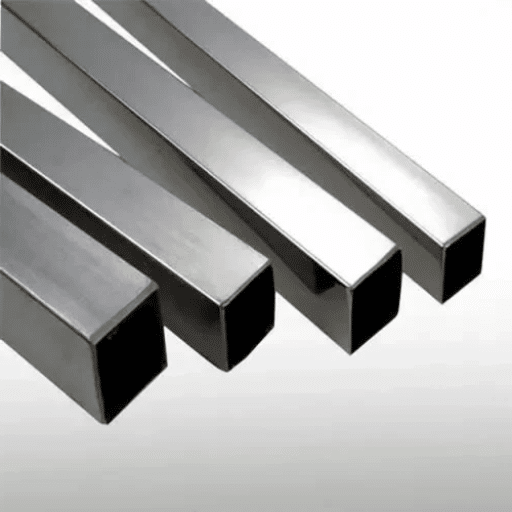
The various mechanical properties of stainless steel make it suitable for different industrial applications. Three elements which include chemical composition and thermal processing methods and manufacturing processes determine how the material will behave. The following section presents five essential mechanical characteristics of stainless steel together with their respective technical descriptions.
The combination of these mechanical attributes with stainless steel’s ability to resist corrosion turns it into a vital component for building structural elements.
Tensile Strength and Yield Strength
Metal components used in high-stress applications need to be tested for two essential mechanical properties, which are tensile strength and yield strength, so that engineers can assess stainless steel performance. The maximum tensile strength of a material represents the highest stress that the material can endure until it fractures, while the yield strength denotes the stress point at which the material starts to undergo permanent deformation that prevents it from regaining its original form after the stress is taken away.
The tensile strength of austenitic stainless steels, which includes the 304 and 316 grades, shows a range of 515 MPa to 750 MPa based on their specific composition and heat treatment and cold working procedures. Their yield strengths, on the other hand, are generally lower, typically between 200 MPa and 300 MPa for annealed conditions. These attributes enable the material to maintain a proper balance between ductility and resilience, which allows engineers to use the material in applications that require both flexible movement and long-lasting strength.
Duplex stainless steels show better mechanical performance than all austenitic stainless steel materials because they combine the steel characteristics of both austenitic and ferritic steels. The tensile strengths of duplex steels range between 600 MPa and 800 MPa while their yield strengths exceed 450 MPa, which represents more than double the yield strength of typical austenitic materials. The oil and gas and marine industries prefer duplex steels because these materials provide strong lightweight performance and corrosion resistance which their operations require.
Martensitic stainless steels serve as the primary material for tool and blade manufacturing because they provide higher tensile strength which ranges from 700 MPa to 1 200 MPa and their yield strength starts from 500 MPa and above. The stainless steel category provides excellent hardness and strength performance for specific uses; however its weakness in corrosion resistance requires extra safety measures during its application.
The tensile strength and yield strength properties of stainless steel grades gain further enhancement through cold working and advanced alloying techniques. The manufacturing process allows stainless steel to be modified according to the specific needs of high-stress environments which exist in aerospace automotive and construction industries.
Hardness of Stainless Steel
The hardness of stainless steel serves as a vital factor which establishes its industrial and engineering application suitability. The application needs and industry standards determine which hardness measurement system should be used among Rockwell (HR) Brinell (HB) and Vickers (HV) systems. The hardness of stainless steel grades shows wide variation because their chemical composition and heat treatment processes create different hardness levels which range from austenitic grades to martensitic and precipitation-hardened grades.
The Rockwell hardness of annealed 304 and 316 austenitic stainless steels falls between HRB 70 and HRB 95. The two grades show excellent protection against corrosion yet their hardness levels remain lower than those of other stainless steel grades. The heat treatment of martensitic stainless steels 410 and 440C results in Rockwell hardness values that range from HRC 40 to HRC 60 which makes the materials suitable for cutting tool and blade manufacturing and production of components that need wear resistance. Duplex stainless steels achieve their intermediate hardness because the materials maintain moderate hardness (HB 260-290) while delivering strong protection against corrosion.
The combination of cold working techniques with new alloying methods has enabled stainless steel materials to achieve higher hardness levels. The nitrogen-enriched super austenitic grades exhibit enhanced hardness together with increased strength while maintaining their ability to resist corrosion. The aging treatment process enables precipitation-hardened stainless steel 17-4PH to achieve hardness levels between HRC 44 and HRC 50 which makes the material suitable for use in turbine shafts and high-performance aerospace components.
Scientists use the heat treatment process which includes quenching and tempering and annealing to study stainless steel hardness and develop methods to optimize its properties. The specific mechanical properties of materials require particular microstructures which the processes achieve through their operations.
The selection of stainless steel based on hardness should match the performance needs of the application in order to achieve optimal strength and wear resistance and durability. The material needs standardized testing methods together with accurate manufacturing parameter control to achieve its maximum performance for specific applications.
Impact Resistance and Ductility
The fundamental properties of stainless steel, which encompass its ability to resist impacts and its capacity to stretch, establish the material’s power to withstand sudden impacts while keeping its original form. The material needs these properties because it will experience dynamic and shock loads during use. The upcoming section provides detailed measurements and elements which establish the impact resistance and ductility of stainless steel, which includes five specific elements that contribute to these properties.
- Material Composition:
Stainless steel gains significant improvements in its impact resistance and ductility through the addition of chromium and nickel and molybdenum as alloying elements. Research shows that increasing nickel content, which is present at low temperatures, enhances toughness for applications that require cryogenic operation. - Grain Size:
The material gains improved toughness through a finer grain structure which also decreases its tendency to break. Thermomechanical treatment uses metallurgical techniques, which enable operators to control grain size, thus establishing material impact energy absorption capacity. - Temperature Sensitivity:
Stainless steel displays different impact resistance levels based on the temperature used in its operations. The austenitic stainless steels 304 and 316 maintain their ductility and toughness at sub-zero temperatures, while ferritic grades lose their toughness under those same conditions. - Heat Treatment:
The ductility and toughness of stainless steel receive enhancement through heat treatment processes which include annealing and solution treatment. The process needs exact control of heating and cooling rates to reach the desired material properties. - Testing Standards:
Standardized tests, which include the Charpy V-notch test and tensile tests, provide quantitative assessments for impact resistance and ductility measurement. The methods produce data that includes impact energy measurements in joules and elongation percentage, which enables calculation of ductility.
The achievement of high impact resistance and ductility in stainless steel requires three factors which include chemical composition optimization and accurate processing methods and appropriate heat treatment procedures.
Machinability of Stainless Steel
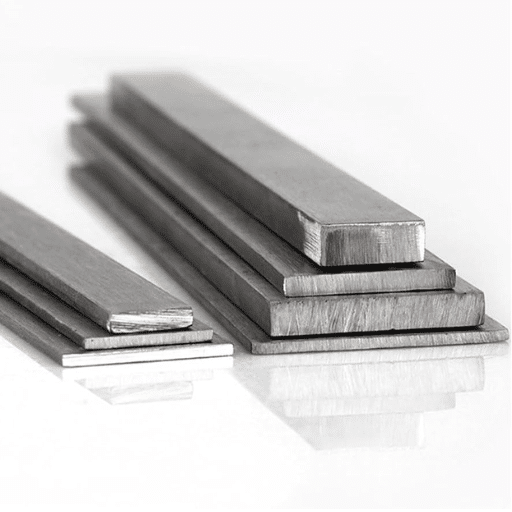
Operators experience challenges when machining stainless steel because its tough material properties and work hardening behavior and low thermal conductivity properties create difficulties. The combination of modern machining techniques and new cutting tool materials and process optimization methods has improved the ability to machine stainless steel. The degree to which stainless steel can be machined depends on various factors which include its grade and composition and the machining parameters that workers utilize.
Key Factors Impacting Machinability
Material Composition
The free-machining grades 303 and 416 which contain higher sulfur levels show improved machining capabilities because their sulfur and selenium content functions as cutting process lubricants. The increased work hardening rates of 304 and 316 stainless steel grades make machining more difficult although these grades offer better protection against corrosion.
Cutting Parameters
Machining stainless steel requires precise control of cutting speeds together with feed rates and depths of cut. The development of built-up edges occurs when cutting speed drops below the optimal threshold while tools encounter early wear because of thermal stress when speeds exceed this threshold. The cutting speed for carbide tooling varies between 50 and 300 surface feet per minute based on the specific grade of material being cut.
Tooling and Coolant
Machining stainless steels requires the use of carbide or coated carbide tools because these materials provide both wear resistance and protection against high-temperature environments. The correct application of coolant creates an essential process which dissipates heat and decreases tool damage while enhancing surface quality. Research shows that high-pressure coolant systems provide significant tool life improvements for difficult materials like 316 stainless steel.
Work Hardening
The machining process causes stainless steels to develop work hardening which results in material hardening when the cutting tool drags across the material instead of making precise cuts. The use of sharp tools together with an aggressive cutting approach helps to reduce this problem.
Data on Machinability
Modern machining trials have provided valuable insights into stainless steel’s machinability:
- Tool Life: The tool life for 304 stainless steel machining with carbide inserts falls between 20 minutes and 60 minutes based on the selected cutting speed and cooling methods.
- Surface Finish: The surface roughness (Ra) target of 0.8-1.6 µm becomes achievable through the implementation of optimized parameters and precision finishing operations.
- Material Removal Rate (MRR): Grade 303 high-performance machining setups achieve MRR rates between 200 and 400 cm³/min. The MRR for grade 316 reaches 100-200 cm³/min because of its more challenging machining requirements.
Advances in Machining Techniques
The new technological advancements which include high-speed machining (HSM) and cryogenic cooling and ceramic or polycrystalline diamond (PCD) tools have improved machinability results for specific applications. Cryogenic cooling technology has shown 20% to 50% improvements in tool life while decreasing thermal damage to workpieces.
Manufacturers achieve better machining efficiency through these advancements because they decrease waste while increasing productivity during stainless steel processing across various industrial applications.
Factors Influencing Machinability
The process of machining materials relies on multiple key elements, while stainless steel requires distinct handling methods because of its special physical attributes and chemical makeup. The following passage presents five essential elements that determine machining efficiency, which are accompanied by comprehensive descriptions and supporting evidence.
- Material Composition:
The alloying elements and chemical composition of the material have a significant impact on machinability. The presence of higher nickel and chromium quantities in stainless steel results in enhanced strength and corrosion resistance, whereas it decreases the material’s ability to be machined because work hardening becomes more pronounced. The method of adding sulfur or selenium to free-machining grades improves machinability because these elements create inclusions that function as cutting process lubricants. - Hardness and Strength:
Researchers use HRc and Brinell Hardness to assess hardness and tensile strength which establish direct connections to cutting resistance and material wear. The process of machining hardened materials or materials with high strength properties results in increased cutting force requirements, which causes accelerated cutting tool degradation. The tensile strength range of stainless steel grades falls between 485 MPa to 700 MPa, which makes it essential to develop specialized tooling that ensures operational efficiency. - Thermal Conductivity:
The process of machining stainless steel faces challenges because its 304 stainless steel grade exhibits low thermal conductivity, which measures approximately 16 W/m·K. The heat concentrates in the cutting area, which results in faster tool deterioration and potential damage to surface quality. The problem requires resolution through the implementation of effective cooling techniques that include flood cooling and cryogenic cooling methods. - Cutting Tool Material and Geometry:
The selection of tool material and coating combined with geometry selection determines machining performance. Tools like carbide, ceramic, or polycrystalline diamond (PCD) with optimized rake and clearance angles are preferred for their wear resistance and ability to withstand high temperatures. The application of titanium nitride (TiN) and aluminum oxide (Al2O3) coatings enhances tool longevity while decreasing friction. - Machining Parameters:
The combination of feed rate, cutting speed and depth of cut functions as main factors which determine machining results. For example, stainless steel typically requires lower cutting speeds (100-200 ft/min for 304 stainless steel) and moderate feed rates to minimize heat buildup and maintain tool integrity. The process of precise parameter adjustments results in improved surface finish and extended tool lifespan.
Comparison of Machinability in Different Grades
Three essential factors determine the metal alloy machining process which includes alloy composition and material hardness and thermal characteristics. The following comparison describes the machinability of five common material grades by demonstrating their main properties and their machining difficulties.
304 Stainless Steel
Machinability Rating: Approximately 45% (based on free-machining steel as 100%).
Characteristics: The austenitic grade offers exceptional protection against corrosion but its work hardening property and high toughness make its machining process highly challenging.
Machining Challenges: The process requires sharp tools, operators need to use cutting speeds between 100-200 ft/min, and they need to apply coolant to control heat while preventing galling.
1018 Low-Carbon Steel
Machinability Rating: 70% to 80%.
Characteristics: A low-carbon steel with excellent mechanical properties and consistent machinability, making it ideal for beginners and high-volume production.
Machining Challenges: The process of surface finishing requires minimal effort, but the final results depend on how the tools have degraded.
6061 Aluminum Alloy
Machinability Rating: 90% to 95%.
Characteristics: The material provides lightweight properties and high machining capabilities because of its low hardness and thermal conductivity. The material finds its applications in aerospace industries and automotive sectors and structural engineering.
Machining Challenges: Tools face chip adhesion problems during high-speed operations unless users apply adequate lubrication and utilize polished equipment.
Alloy Steel 4140
Machinability Rating: About 65%.
Characteristics: The material demonstrates three main advantages which are toughness and strength and partial protection against corrosion. The most used application is for the formation of molds and industrial equipment.
Values: Speed 50, size 30.
Machining Challenges: The current problem arises from requirements which involve processing materials at high cutting speeds while maintaining specific tolerances and geometry. The situation will create a worse outcome for you.
A36 Steel
Machinability Rating: Around 70%.
Characteristics: The material serves as standard steel which majorly engineers use for building construction and civil engineering. The material provides welders and workers with simple handling capabilities.
Machining Challenges: Material varies, which could lead to slight rapid changes in cutting conditions and finished surface.
The data shows that machine room operations require material data which enables them to select suitable alloys for maintaining machine performance.
Techniques for Improving Machinability
The process of improving machinability requires both material property enhancement and optimal cutting condition selection to achieve better machining results. The following techniques have been proven effective in increasing machinability:
Material Modifications
Additives and Alloying Elements
The addition of specific elements like sulfur and lead and graphite into materials leads to major improvements in their machinability. The element sulfur enhances chip breaking during machining while lead decreases friction at the cutting interface. The elements found in modern free-machining steels enable tool life extension which reaches up to 50 percent in certain situations.
Heat Treatment
The process of thermal treatment enables material hardness modification which results in better machinability. The process of annealing leads to decreased material hardness and internal stress levels which enables easier machining of the material without damage to its structural integrity.
Cutting Tool Optimization
Tool Coatings
Advanced coatings which include titanium nitride (TiN) and carbide coatings lead to reduced friction while providing better heat protection. The research demonstrates that coated tools enable a 20-40% increase in machining speeds while also improving tool longevity.
Tool Geometry
The process of adjusting cutting tool dimensions through rake angle changes and chip breaker design modifications improves chip removal efficiency while decreasing cutting forces which are essential for high-speed machining.
Coolant and Lubrication Strategies
High-Pressure Coolant Systems
The use of high-pressure coolants enables better heat removal and chip removal which results in improved surface quality and tool efficiency. The research shows that high-pressure coolant systems can decrease tool wear by up to 30% during titanium machining operations.
Minimum Quantity Lubrication (MQL)
The MQL system offers precise lubricant delivery to the cutting area which results in reduced coolant usage. The system operates effectively in milling and turning processes because it decreases environmental damage while sustaining operational effectiveness.
Machining Parameters Optimization
Engineers must determine correct feed rate and cutting speed settings which need to be established based on specific material properties. Users who operate softer materials at 15 to 20 percent higher speeds will experience performance improvements.
Cutting operators achieve better surface results through optimal depth of cut techniques because these methods reduce tool stress while maintaining their operational accuracy.
Use of Advanced Technologies
Vibration Control
The implementation of vibration-damping technologies which include tuned mass dampers and adaptive control systems for tooling applications leads to decreased chatter and better machining stability.
High-Performance Machine Tools
The operational delivery of CNC machines which include real-time monitoring and adaptive feed system capabilities guarantees users continual accurate results.
Data consistently supports these techniques. The Journal of Manufacturing Processes published a study which showed that tool life during the machining of hardened alloys increased by more than 70 percent when users combined optimized tool coatings with high-pressure coolant systems. The implementation of these methods results in improved operational efficiency while decreasing expenses and enhancing product quality.
Types of Stainless Steel Bars and Rods
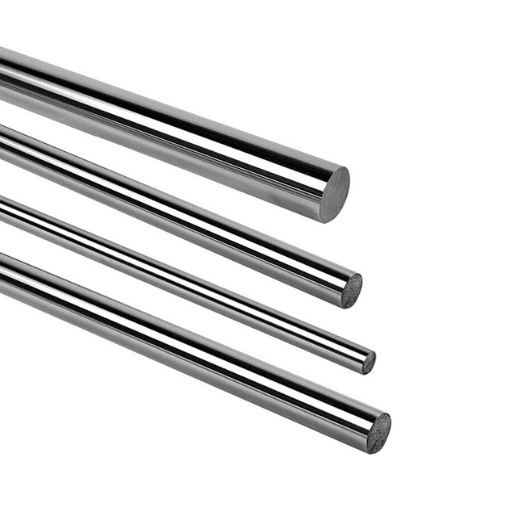
Stainless steel bars and rods find classification through their material composition and processing methods and their specific use cases. The process of selecting appropriate materials for manufacturing and construction and industrial applications requires knowledge about different material types that exist in the market.
1. Austenitic Stainless Steel Bars
Austenitic stainless steel represents the most common type of stainless steel which exhibits outstanding corrosion resistance combined with ductility and nonmagnetic characteristics. The common grades of this material include 304 stainless steel and 316 stainless steel.
- The high chromium and nickel content of 304 Stainless Steel Bars makes them suitable for food processing and chemical container production and architectural applications.
- 316 Stainless Steel Bars contain molybdenum which improves their capability to resist pitting and chloride corrosion making them suitable for use in marine environments.
Market reports show that this category includes approximately 70% of worldwide stainless steel production because it can be used in various sectors.
2. Ferritic Stainless Steel Bars
Ferritic stainless steel grades 430 and 409 contain lower nickel levels than austenitic steels which helps reduce their manufacturing costs.
- 430 Stainless Steel Bars find primary use in decorative applications and kitchen equipment because they possess decent corrosion protection and high polishability.
- 409 Stainless Steel Bars which exhibit heat resistance properties find use in exhaust systems and various automotive components.
Research shows that ferritic stainless steel bars can maintain their structural strength at temperatures reaching 1,500°F (815°C) which makes these materials appropriate for environments that experience extreme heat.
3. Martensitic Stainless Steel Bars
The martensitic grades 410 and 420 provide high strength properties together with wear resistance and moderate resistance against corrosion.
- 410 Stainless Steel Bars serve as the primary material for making cutlery and pump shafts and turbine blades because these bars maintain strength after undergoing heat treatment.
- The higher carbon content of 420 Stainless Steel Bars makes this material appropriate for manufacturing surgical instruments and high-precision components.
Researchers have achieved a 15 percent increase in hardness and tensile strength through their studies on martensitic steel processing which utilizes modern quenching methods.
4. Duplex Stainless Steel Bars
Duplex stainless steels combine the properties of austenitic and ferritic stainless steel grades to create materials which display superior strength and defense against stress corrosion cracking. The two main grades used in this application are 2205 and 2507.
- 2205 Duplex Bars deliver twice the strength of regular austenitic stainless steels which makes them ideal for chemical processing plants and offshore oil and gas facilities.
- 2507 Super Duplex Bars provide excellent protection against pitting which occurs in highly corrosive environments that exist in desalination plants.
Duplex steel usage in the industry has risen by 30 percent during the last decade because people now need materials that offer both environmental benefits and exceptional performance.
5. Precipitation-Hardening (PH) Stainless Steel Bars
The heat treatment process creates the best corrosion-resistant and high-strength characteristics for PH stainless steels through the production of 17-4PH and 15-5PH stainless steel grades.
- The mechanical properties of 17-4PH Stainless Steel Bars enable their use in aerospace applications as well as in valve and gear manufacturing.
- Medical devices and hydraulic components utilize 15-5PH Stainless Steel Bars because of their exceptional toughness characteristics.
Statistical analysis indicates that the aerospace industry uses approximately 40 percent of all PH stainless steel bars produced worldwide.
Stainless steel bars and rods come in various types which industrial and commercial sectors use because these materials offer specific properties that meet their distinct operational requirements. Choosing the right type involves assessing mechanical strength and corrosion resistance and thermal stability and cost-effectiveness.
Austenitic Stainless Steel
Austenitic stainless steel represents the most common type of stainless steel because it constitutes approximately 70% of total stainless steel production throughout the world. The material provides multiple industries with essential capabilities because it delivers strong protection against corrosion together with its outstanding welding performance and its ability to be formed into various shapes.
The stainless steel alloy composition contains chromium ranging from 16% to 26% and nickel content between 6% and 22% as its main alloying elements, but manufacturers sometimes include nitrogen and manganese and molybdenum to enhance specific properties. The chromium element develops a surface oxide layer which protects against corrosion, while nickel addition maintains the austenite structure and enhances both ductility and toughness. The 304 and 316 grades perform well under both mild and extreme environmental conditions. Grade 316 contains molybdenum which provides strong protection against pitting and crevice corrosion in environments that contain high levels of chloride found in marine and chemical processing settings.
The material retains its mechanical properties throughout an extensive temperature span which enables it to maintain power and material strength during extremely cold and extremely hot conditions. The material possesses the ability to endure temperatures ranging from -150°F to 1500°F while maintaining its operational capabilities, which makes austenitic stainless steel suitable for use in high-pressure and high-temperature environments found in heat exchangers and refineries.
Austenitic stainless steel maintains its non-magnetic property while in its annealed state, although cold-working processes create a minor magnetic effect. The material serves as the ideal solution for manufacturing electronic components and constructing precise instrumentation systems. Recent market data shows that the rising demand for sustainable solutions has made austenitic stainless steel an essential material for renewable energy systems, which include wind turbines and solar panels, because of its long-lasting nature and ability to withstand environmental damage.
Austenitic grades of stainless steel cost more than other stainless steel types, but their superior performance and extended lifespan make them a worthwhile investment despite their higher upfront costs. The austenitic stainless steel market will grow at a compound annual growth rate of 5.3% from 2023 to 2030 because of both production method advancements and increasing adoption of sophisticated industrial processes.
Ferritic Stainless Steel
Ferritic stainless steels are made from iron and chromium alloys that contain between 11 percent and 30 percent chromium which protects against corrosion through all but the most corrosive environments. The magnetic properties of these steels make them ideal for equipment which needs both efficient heat transfer and protection against oxidation. Ferritic grades need only trace amounts of nickel for their production while austenitic steels need nickel for their production which makes ferritic grades more affordable for industrial operations and consumer products. Ferritic stainless steels show microstructure-based resistance to stress corrosion cracking which results in their moderate mechanical properties thus making them suitable for use in automotive exhaust systems and industrial equipment and architectural applications.
The global ferritic stainless steel market has shown steady growth, which results from production technology advancements and increasing demand from the automotive and construction industries. Current industry research shows that the ferritic stainless steel market will expand at a compound annual growth rate of 4.2% between 2023 and 2028. The demand for this material has increased because manufacturers use it to produce vehicles which require less weight and better fuel efficiency while they can easily fabricate it and its welding properties have improved.
The latest advances include new ferritic grades which provide better protection against corrosion and increased strength through the incorporation of molybdenum and titanium in ferritic stainless steels. The superior oxidation resistance and thermal stability of these alloys make them highly beneficial for use in environments with extreme temperatures. Ferritic stainless steels can withstand temperature swings because their lower carbon content prevents carbide precipitation which makes them suitable for applications that require long-lasting and reliable performance.
Martensitic Stainless Steel
Martensitic stainless steel is a type of stainless steel which demonstrates both high strength and high hardness while showing moderate resistance to corrosion. The material consists of chromium which exists at 11 to 17 percent and carbon with trace amounts of elements such as molybdenum or nickel used to enhance particular traits. The heat treatment process enables martensitic stainless steel to change its crystal structure which results in outstanding mechanical properties that make it ideal for uses requiring both wear resistance and high tensile strength.
Properties and Characteristics
- High Hardness and Strength: Martensitic grades display exceptional yield and tensile strengths which enable them to achieve strength levels exceeding 1,200 MPa after they undergo suitable heat treatment.
- Corrosion Resistance: The material shows lower resistance to corrosion than austenitic and ferritic steels, but it maintains sufficient protection against mild corrosive environments when it receives polishing or passivation treatment.
- Heat Treatability: Martensitic grades offer a distinctive capability which allows their controlled hardening and tempering process to generate particular mechanical properties that different industrial applications require.
- Thermal Conductivity: The material exhibits superior thermal conductivity compared to austenitic grades, which makes it appropriate for particular engineering applications.
Applications
Martensitic stainless steels are used in industries that require high strength and wear protection because they deliver this needed performance.
- Cutlery and Surgical Instruments: Their sharp edge retention and sterilization process resistance make them ideal for medical applications.
- Turbine Blades and Compressors: These parts provide essential power generation and aerospace applications through their combination of high toughness and thermal resistance.
- Industrial Tools: Martensitic stainless materials provide durability for drills shafts and bearings through their resistance to repetitive stress.
Example Grades
- Type 410: This material provides cutlery and valve components with a balanced combination of strength and corrosion resistance.
- Type 420: The material exhibits excellent hardness which makes it suitable for use in medical-grade instruments and cutting tools.
- Type 440C: The material is known for its superior hardness which makes it a common choice for ball bearings and high-stress mechanical parts.
Latest Data and Trends
Material engineering research shows that martensitic stainless steel developments concentrate on finding the right carbon content which creates a balance between hardness and corrosion defense. The introduction of nitrogen-enhanced martensitic grades has demonstrated successful results for extending component life spans throughout challenging environments. The industrial data from recent years shows that martensitic steel demand in precision engineering sectors has increased by 20 percent during the past five years which demonstrates its essential role in contemporary manufacturing processes.
Martensitic stainless steels remain vital materials because they provide engineers with materials that combine flexible properties with high structural strength to use in existing and new technologies.
Duplex Stainless Steel
Duplex stainless steel forms a unique metal alloy that combines the advantageous properties of austenitic stainless steel with those of ferritic stainless steel, which results in materials that offer superior strength and better corrosion protection and exceptional welding performance. The material displays its microstructure because it contains equal amounts of austenite and ferrite, which results in exceptional material strength and various practical uses. The material finds applications in environments that mandate protection against stress corrosion cracking, which includes chemical processing facilities and petrochemical plants and marine environments.
The global duplex stainless steel market had an estimated value of about $3.5 billion in 2022 and from 2023 until 2030, it will experience a compound annual growth rate of almost 6%. The market experiences growth as global sustainability initiatives create higher requirements for environmentally friendly materials that will operate desalination facilities and energy-efficient structures. The exceptional ability of duplex stainless steel to resist chloride corrosion makes it the perfect choice for water treatment facilities and building projects that exist near ocean shorelines.
Duplex grades achieve better machinability and performance through manufacturing process improvements, which enable the creation of lightweight components that maintain their mechanical strength. The common variants 2205 and super duplex 2507 deliver customized solutions based on operational needs, which include high-pressure pipeline systems and components that face harsh chemical environments. Engineers and industrial professionals consider duplex stainless steel as a fundamental material because it combines cost efficiency with high performance and corrosion resistance.
Comparative Analysis of Stainless Steel Grades
| Parameter | Grade 303 | Grade 304 | Grade 316 | Grade 430 |
|---|---|---|---|---|
| Machinability | Excellent, free-machining | Moderate, work-hardens | Challenging, work-hardens | Good, less challenging |
| Corrosion Resistance | Moderate | Good | Excellent, resists chlorides | Moderate, suitable for mild environments |
| Strength | Moderate | High | High | Moderate |
| Weldability | Limited | Excellent | Excellent | Limited |
| Thermal Conductivity | Low | Low | Low | Moderate |
| Applications | Fasteners, shafts, fittings | Food, kitchen, architecture | Marine, medical, chemical | Trim, appliances, mild environments |
| Cost | Lower than 304/316 | Moderate | Higher than 304 | Lower than 304/316 |
| Magnetic Properties | Non-magnetic | Non-magnetic | Non-magnetic | Magnetic |
| Pitting Resistance | Low | Moderate | High | Low |
| Ease of Polishing | Good | Excellent | Excellent | Moderate |
Mechanical Properties Across Grades
The mechanical properties of stainless steel grades show major differences which result from their material composition and processing methods and the specific purposes for which they are designed. The following section provides a comprehensive evaluation of five widely used stainless steel grades which includes their tensile strength and yield strength and elongation and hardness measurements.
| Grade | Tensile Strength | Yield Strength | Elongation | Hardness |
|---|---|---|---|---|
| 304 Austenitic | ~515 MPa | ~205 MPa | ~40% | HRB ~70 |
| 316 Austenitic | ~565 MPa | ~290 MPa | ~40% | HRB ~79 |
| 430 Ferritic | ~450 MPa | ~280 MPa | ~30% | HRB ~79 |
| 2205 Duplex | ~620 MPa | ~450 MPa | ~25% | HRC ~25 |
| 410 Martensitic | ~480 MPa | ~275 MPa | ~20% | HRC ~35 |
Engineers and designers use different stainless steel grades to select materials that provide the necessary mechanical performance and environmental protection needed for their particular projects.
Application Suitability of Each Grade
Grade 304
The most widely used stainless steel grade 304 provides exceptional resistance to corrosion which enables its use in various practical applications. The material functions as a standard material used in kitchenware food processing equipment chemical containers and architectural applications which cover railings and cladding.
Key Properties: The material provides protection against oxidation and corrosion when it faces exposure to outdoor atmospheric elements. The material demonstrates good capabilities for creating shapes through metalworking and joining two parts together.
Grade 316
The presence of molybdenum in grade 316 enhances its ability to resist corrosion which makes it suitable for use in environments with high chloride levels. The equipment operates in marine environments medical implant procedures chemical processing facilities and outdoor areas that experience salt contamination.
Key Properties: The material provides exceptional protection against both pitting and crevice corrosion. The material maintains its strength and durability even under severe environmental conditions.
Grade 410
The stainless steel grade 410 functions as a martensitic stainless steel which displays exceptional hardness and resistance to wear. The material serves multiple purposes which include cutlery production turbine blade manufacturing surgical instrument creation and valve production.
Key Properties: The material shows moderate protection against corrosion in environments that have mild corrosive conditions. The material reaches high hardness which reaches Rockwell C 35 after it undergoes heat treatment.
Grade 430
Grade 430 functions as a ferritic stainless steel which demonstrates strong oxidation resistance. The material costs less than austenitic grades 304 and 316. The material finds use in automotive trim home appliances and decorative applications.
Key Properties: The material shows magnetic properties while providing moderate protection against corrosion. The material provides both good surface finishing and aesthetic value.
Grade 2205 (Duplex)
Duplex stainless steel like Grade 2205 combines high strength and excellent corrosion resistance, especially in chloride-rich environments. The material finds applications in offshore oil and gas operations and chemical processing and desalination plants.
Key Properties: The material displays high tensile strength at approximately 620 MPa and yield strength at approximately 450 MPa. The material shows excellent resistance against stress corrosion cracking.
These grades demonstrate the specialized applications of stainless steel, enabling engineers to select the optimal material based on performance requirements and environmental considerations.
Cost vs Performance Considerations
The process of choosing stainless steel grades for particular projects needs to balance cost efficiency against performance requirements in order to achieve both operational effectiveness and budget sustainability. The production expenses of stainless steel grades depend on their particular material characteristics and their specific alloy content and operational processing needs.
Material Composition and Cost Drivers
High-performance stainless steels, such as duplex or super austenitic grades, often include expensive alloying elements like molybdenum, nickel, and chromium to achieve superior corrosion resistance, mechanical strength, and durability. The price of duplex stainless steel, which contains 22% chromium and 3% molybdenum, reaches approximately $2,800 to $3,000 per ton in 2023. The price of super austenitic stainless steel with 6% molybdenum exceeds $4,500 per ton. The inclusion of these elements drives up costs but ensures long-term structural integrity in harsh environments.
Performance Efficiency
The initial investment in high-grade stainless steel often offsets maintenance costs and operational downtime because of its better operational performance. The increased price of Type 316 (an austenitic grade with 2% molybdenum) compared to Type 304 results from its superior corrosion protection which extends its functionality in marine settings for 2-3 times longer than Type 304 thereby decreasing both replacement and repair expenses.
Lifecycle Cost Analysis
A lifecycle cost analysis (LCCA) establishes the genuine economic value of different stainless steel grades. According to recent studies, duplex stainless steel has up to 30% lower lifecycle costs than carbon steel alternatives within decades-long applications, particularly in corrosive environments. The system requires less upkeep because it maintains productivity throughout its extended operational period.
Trade-offs and Industry Considerations
Offshore oil and gas operations and desalination plants require their machinery to function under extreme environmental conditions which makes them choose performance as their top requirement instead of choosing lowest operational costs as their main priority. The food processing sector selects cost-effective materials because its operational needs are less demanding than those of other industries. Lean duplex stainless steels enable users to achieve cost-effective performance because they deliver mechanical strength and corrosion resistance through their design which requires lower nickel content.
Market Dynamics
Recent global market trends show that alloying element prices have experienced multiple price changes which mainly affected nickel and molybdenum. Supply chain problems have caused nickel prices to surpass $20,000 per metric ton which establishes a direct relationship between nickel costs and stainless steel prices. Organizations need to track market dynamics because this practice enables them to select materials which help them achieve their performance requirements and stay within their financial limits.
Engineers and decision-makers use cost-performance analysis to evaluate different options which help them choose the best stainless steel grade that meets technical specifications while staying within financial restrictions.
Frequently Asked Questions (FAQ)
References
- Nickel Institute: Stainless Steels for Machining
- Specialty Steel Industry of North America (SSINA): Machining Stainless Steel
- Penn Stainless Products: Machining Stainless Steel Bar – A Short Guide