High Standard Stainless Steel With Strict Inspection



Specialty Alloys in Modern Aerospace: From Titanium to Cobalt-Based Alloys

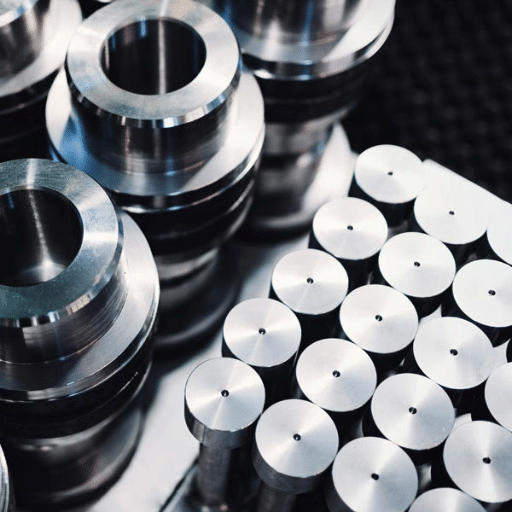
Introduction to Specialty Alloys in Aerospace
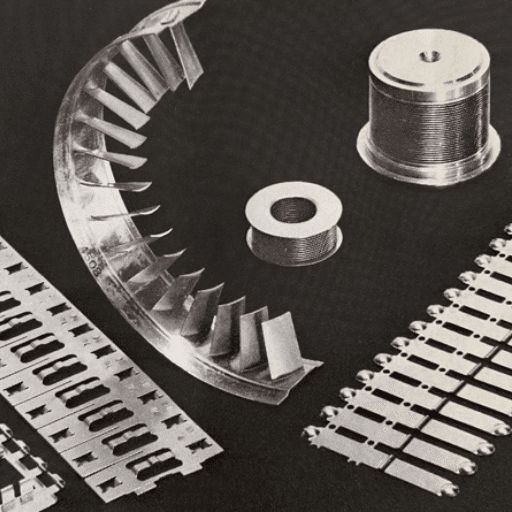
Aerospace engineering depends on specialty alloys because these materials can withstand extreme environments while maintaining their strength and dependability. The advanced materials of this system protect against high-temperature damage and strong force impact and prevent corrosion, which enables their use in critical areas of jet engines and turbine blades and spacecraft structures. Aerospace systems use their high strength-to-weight ratios and durable characteristics to achieve both maximum performance and required safety standards. Specialty alloys continue to function as essential materials which support progress and enable engineers to develop solutions that meet the high requirements of contemporary aerospace engineering challenges.
The Importance of Alloys in Aerospace Engineering
Alloys display their essential value to aerospace engineering because their unique characteristics meet critical requirements for various engineering disciplines. The aerospace industry needs materials which can withstand severe environmental conditions while achieving peak performance and maintaining complete safety and operational reliability. The specific design requirements of alloys enable the creation of advanced material properties which include exceptional strength and resistance to corrosion and protection against high temperatures. The next section provides details about common alloys used in aerospace engineering together with particular examples of their use.
Titanium Alloys
Titanium alloys achieve their widespread usage in jet engines and airframes and landing gear because they possess both exceptional strength-to-weight ratios and corrosion resistance. The aerospace sector uses Ti-6Al-4V as its main titanium alloy which constitutes a major part of aerospace titanium usage.
Aluminum Alloys
Aluminum alloys provide essential support to aircraft weight reduction because they combine lightweight characteristics with robust strength. 7075 aluminum, an alloy containing zinc, magnesium, and copper, is often used due to its high strength and resistance to fatigue.
Nickel-Based Superalloys
Nickel-based superalloys such as Inconel 718 which operate in high-temperature environments can withstand extreme heat while maintaining their ability to function effectively in turbine blades and jet engines.
Magnesium Alloys
Magnesium alloys serve multiple functions because their ultra-lightweight characteristics enable their application in low-stress components like brackets and housings which help decrease aircraft weight while maintaining structural strength.
Stainless Steels
Aerospace applications depend on aerospace-grade stainless steels such as 15-5 PH and 17-4 PH which provide both corrosion resistance and enhanced strength properties for use in vital components like fasteners and structural elements.
The development of these alloys enables aviation engineers to build aircraft which operate at lower fuel costs while maintaining high safety standards and reduced weight. The field of aeronautical engineering experiences ongoing development because these technologies fulfill the needs of contemporary air travel.
Properties and Applications of Titanium Alloys
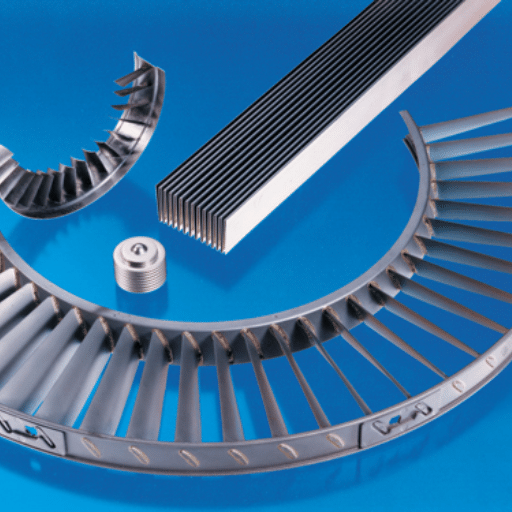
The unique combination of titanium alloys shows their exceptional worth because these materials serve as crucial components for aerospace and medical and automotive high-performance industrial applications. The following section presents five essential characteristics along with their respective practical uses:
- 1
High Strength-to-Weight Ratio
Titanium alloys achieve exceptional strength-to-weight ratios that make these materials suitable for reducing weight in aerospace structures which include fuselage frames and landing gear and jet engine components. This characteristic enables aircraft to achieve superior fuel efficiency while improving their overall performance.
- 2
Corrosion Resistance
Titanium alloys serve as materials for the chemical processing industry and marine applications and biomedical implants because they provide excellent protection against corrosion in harsh environmental conditions. Their natural resistance ensures long-term durability and reliability.
- 3
Biocompatibility
The medical field uses titanium and its alloys as joint replacement and dental implant and orthopedic device materials because they demonstrate high biocompatibility. Medical devices made from titanium material will integrate properly because the body shows only a slight reaction to titanium.
- 4
Excellent Temperature Stability
Titanium alloys maintain their mechanical properties across all temperature conditions which range from cryogenic temperatures to extreme high-temperature conditions. Aerospace engine components benefit from this characteristic because it enables them to endure severe thermal stress during their operational periods.
- 5
Fatigue Resistance
Titanium alloys possess exceptional fatigue resistance which allows them to endure multiple load cycles without breaking, making them suitable for essential applications in aircraft wings and engine parts that experience extended cyclic stress.
Titanium alloys contain a complete property set which serves as an essential material that drives technological development across various engineering disciplines.
Key Characteristics of Titanium Alloys
The industrial sector values titanium alloys because they possess multiple distinctive characteristics. The following table presents five essential characteristics of titanium alloys which include full descriptions and supporting documentation.
The importance of titanium alloys in technological development across aerospace medical and energy industries establishes their essential role in industrial progress.
Applications in Aerospace: From Airframes to Jet Engines
The aerospace industry extensively uses titanium alloys because these materials provide exceptional strength-to-weight ratio together with corrosion resistance and their capacity to endure extreme temperature conditions. The materials possess their properties which make them suitable for various essential requirements that include:
-
✈ Airframes
Titanium alloys enable the development of lightweight yet strong airframe structures which decrease aircraft weight while preserving structural strength and integrity. Modern commercial aircraft design allows for the use of titanium in their airframes at a maximum weight of 15 percent.
-
⚙ Jet Engine Components
The high heat resistance of titanium alloys makes them perfect for jet engine components such as fan blades compressor blades and turbine housings. The components function in environments that exceed 1,000°F (538°C) where titanium shows its optimal performance capabilities.
-
🛬 Landing Gear
Landing gear systems use titanium because it can withstand the high impact stresses that occur during take-off and landing while reducing weight when compared to conventional materials.
-
🔧 Hydraulic Systems
Hydraulic systems use lightweight titanium tubing which provides essential pressure resistance together with corrosion protection to guarantee safety and durability during extreme operational environments.
-
🔩 Fasteners and Fittings
Aerospace applications require robust and lightweight fasteners and fittings to join structural components. The use of titanium fasteners in aircraft design enables weight reduction while maintaining strength and reliability throughout the aircraft.
Through these applications, titanium alloys have become a pivotal material in advancing aerospace technologies, which lead to better aircraft performance and increased fuel efficiency.
Advantages of Titanium Alloys in High-Temperature Environments
⚡
High Strength-to-Weight Ratio
The lightweight nature of titanium alloys enables their usage in jet engine and spacecraft applications because these materials sustain their high strength properties during high temperature conditions.
🛡
Excellent Corrosion Resistance
The alloys provide strong protection against oxidation and corrosion at high temperatures which results in extended service life and dependable performance during extreme operational conditions.
🌡
Thermal Stability
Titanium alloys maintain their mechanical properties through extended exposure to temperatures above 800°F (426°C) because of their exceptional thermal stability, which is important for successful aerospace operations.
🔄
Fatigue and Creep Resistance
Titanium alloys demonstrate resistance to both fatigue and creep deformation, which enables these materials to sustain their strength when exposed to environments that combine elevated pressure with elevated temperature conditions.
🔬
Compatibility with Advanced Coatings
Titanium alloys establish a simple method for combining advanced thermal barrier coatings, which results in enhanced material performance during extreme heat conditions and critical application uses.
The following advantages demonstrate that titanium alloys become essential materials for all high-temperature applications, which include aerospace engineering and advanced technology fields.
The Role and Benefits of Cobalt-Based Alloys
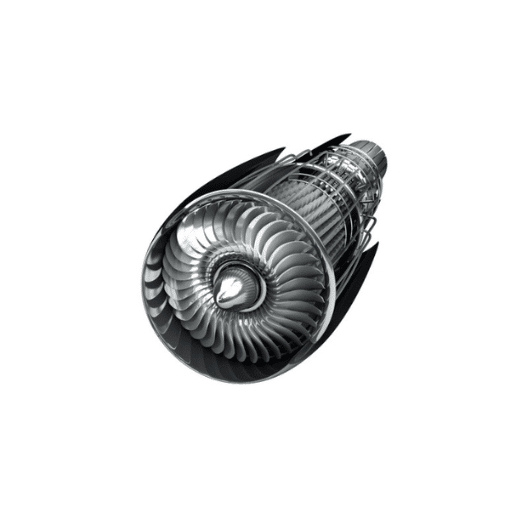
Cobalt-based alloys function as essential materials in multiple industries because of their exceptional material properties and their capacity to endure harsh environmental conditions. The aerospace industry and the medical field and high-performance engineering work both extensively with these alloys. The next section will display the primary characteristics and benefits which cobalt-based alloys deliver to users.
High-Temperature Strength
Cobalt-based alloys retain their mechanical properties throughout their entire operational temperature range. The materials display exceptional thermal resistance properties which make them appropriate for application in turbine blades and combustion engine components.
Superior Corrosion and Oxidation Resistance
The alloys deliver protection against both corrosion and oxidation in extreme conditions that occur within chemical processing plants and marine environments, which enables them to maintain their operational reliability and durability over extended periods.
Wear and Galling Resistance
Cobalt alloys protect against wear and galling and pitting effectively, making them suitable for applications in components that endure extreme friction and mechanical force, such as bearings and valve elements.
Biocompatibility
Cobalt-based alloys find common usage in medical implants because their biocompatibility enables safe performance in orthopedic devices and dental prosthetics and stents which function properly inside the human body.
Customizability
The alloys allow users to develop customized solutions which meet their specific application needs. The manufacturers possess the capability to change alloy composition for the purpose of achieving specific strength properties and resistance capabilities and flexibility characteristics.
The demand for superior performance and reliability and adaptability to difficult conditions keeps cobalt-based alloys as vital materials for technological innovations.
Understanding Cobalt Alloys and Their Composition
Cobalt alloys exist as metal combinations which contain cobalt as their primary element together with chromium and molybdenum and tungsten and nickel. The elements function together to enhance the mechanical properties of the alloy which includes strength and corrosion resistance and heat tolerance. The alloy composition contains 50 to 70 percent cobalt and 20 to 30 percent chromium which acts as the main element for preventing corrosion.
50–70%
Cobalt Content
20–30%
Chromium Content
1,100°F
Max Temp (593°C)
103 ksi
Haynes 188 Tensile Strength
200M+
Stress Cycles (Orthopedic)
+25%
Wear & Fatigue Improvement
Cobalt alloys serve important purposes in medicine because biocompatibility plays a vital role in their applications. Cobalt-chromium alloys function as dental implants and artificial joints and heart valves because these materials offer wear resistance and safety for human body contact. Research shows that these alloys can withstand more than 200 million stress cycles in orthopedic applications which proves their ability to maintain strength throughout time.
Research shows that new studies develop contemporary cobalt alloy compositions. The addition of trace elements like nitrogen or carbon to materials results in a 25% increase for both wear resistance and fatigue strength. Advanced powder metallurgy and additive manufacturing methods enable manufacturers to produce near-net-shape components which result in lower material waste and better material usage efficiency.
Cobalt-based alloys drive industrial development through their unique properties which manufacturers use to create durable products for multiple industrial applications.
Performance in Extreme Environments: Heat Resistance and Durability
Cobalt-based alloys demonstrate excellent performance under extreme conditions because their materials offer exceptional thermal protection together with high-strength properties. The following five essential features and statistical data points demonstrate their operational capabilities:
- 01
High-Temperature Strength
Cobalt-based alloys maintain their mechanical properties at temperatures above 1000°C which makes them suitable for use in gas turbines and jet engines and other environments that experience extreme heat.
- 02
Oxidation and Corrosion Resistance
The alloys create an oxide barrier which prevents material loss during high-temperature oxidative conditions, thus increasing their operational lifespan under difficult environmental conditions.
- 03
Creep Resistance
Cobalt alloys show exceptional resistance to creep deformation because their permanent shape remains intact after long periods of high-temperature exposure which safeguards their core structures during essential operations used in aerospace and power generation industries.
- 04
Thermal Fatigue Resistance
Cobalt alloys demonstrate exceptional strength against thermal cycling because their materials can endure multiple heating and cooling cycles without losing their structural integrity, which is essential for engine components and heat exchangers.
- 05
Abrasion and Wear Resistance
Cobalt alloys show better protection against wear because their combination of hardness and toughness allows them to withstand abrasive wear in mining and tooling and manufacturing applications.
The extreme operational conditions of cobalt-based alloys deliver reliability and extended usage time which enables their vital functionality in high-risk situations.
Applications of Cobalt-Based Alloys in Aerospace
Cobalt-based alloys serve as essential materials in aerospace applications because they provide exceptional strength and heat resistance and durability in extreme environmental conditions. The materials operate as essential elements within various components which support essential flight mission execution and safety requirements. The following list presents the main uses of cobalt-based alloys in aerospace applications.
Turbine Blades and Vanes
Jet engine manufacturers use cobalt-based alloys to produce turbine blades and vanes. The materials function as perfect components for engine efficiency since they maintain operational capacity through their high-temperature endurance and oxidation protection capabilities.
Combustion Chambers
These alloys find application in high-temperature combustion chambers because they possess superior thermal and mechanical stability which enables better performance in extreme heat and pressure situations.
Exhaust Nozzles
Cobalt-based alloys find common application in exhaust nozzles because their resistance to thermal fatigue and erosion proves vital for operational performance. The system continues to deliver dependable performance throughout its entire lifespan while functioning in high-speed exhaust conditions.
Bearings and Bushings
Cobalt alloys show exceptional wear resistance which makes them perfect materials for bearings and bushings that aerospace equipment requires. The components ensure ongoing mechanical functionality while they reduce the need for maintenance.
Fasteners and Structural Components
Engineers select these alloys for critical fasteners and structural components because the materials provide excellent strength and corrosion resistance and extended durability under severe environmental conditions.
Cobalt-based alloys function as essential materials for current aerospace systems which demand both dependable operation and high-performance capabilities.
Comparative Analysis of Alloy Performance Metrics
The assessment process for Cobalt-based alloys requires the evaluation of essential performance metrics which establish operational capabilities. The five critical performance benchmarks are presented here.
Cobalt-based alloys serve as the preferred material for aerospace engineering because they deliver both safety and efficiency benefits which protect vital operations from danger.
Heat Resistance: Titanium vs. Cobalt Alloys
Aerospace applications demand materials which require heat resistance, and titanium and cobalt-based alloys provide exceptional performance to fulfill this requirement. The following section presents a comprehensive analysis that showcases their capacity to withstand extreme heat conditions.
The complete comparison demonstrates that cobalt-based alloys offer outstanding heat resistance which makes them the top material choice for aerospace applications that function in high-temperature environments. Titanium alloys show suitability for particular applications but they fail to meet the extreme operational requirements necessary for those specific conditions.
Weight-to-Strength Ratio: A Key Consideration
The aerospace industry uses weight-to-strength ratios to determine which materials to select when engineers create aerospace components. The material with high weight-to-strength ratio allows engineers to decrease weight while the material maintains critical structural strength which supports essential functions in aircraft and spacecraft systems.
Titanium Alloys
- ✅ Density: ~4.5 g/cm³
- ✅ Tensile strength: 240–1,200 MPa
- ✅ 40–50% lighter than stainless steel
- ✅ Ideal where minimum weight is required
Cobalt-Based Alloys
- ⚡ Density: 8.4–9.5 g/cm³
- ⚡ Heavier than titanium
- ✅ Superior thermal stability
- ✅ Best for heat/durability over weight savings
NASA Published Study: Titanium alloys enable engineers to create components which weigh 40 to 50 percent less than stainless steel components while maintaining identical or better mechanical performance. The engine components and cobalt-based alloys enable essential engine operations because the material can withstand extreme pressure conditions that engine parts experience in high-heat situations.
The selection process between titanium and cobalt-based alloys requires engineers to find the right balance between weight, strength and operational requirements which apply to each unique situation.
Cost-Effectiveness and Raw Material Sourcing
Titanium Pricing
$6–$8/kg
Commercial Grade (Aerospace grades higher)
The complete costs which result from titanium extraction and refining procedures lead to increased expenses for titanium products which deliver advantages through their lightweight design and their ability to withstand corrosion. Product durability and fuel efficiency create cost savings for the aerospace and automotive sectors which offset their initial capital investment costs.
Cobalt Pricing
$33/kg
Current Market Price
Cobalt-based alloys with superior heat resistance and mechanical strength will cost more than standard rates because cobalt exists in limited supply. Current supply restrictions lead to difficulties that affect both product pricing stability and responsible sourcing approaches. The energy requirements for processing cobalt-based alloys create substantial costs which contribute to their overall processing expenses.
Raw Material Sourcing Overview
The extraction of titanium provides benefits because titanium exists as the ninth most abundant element in Earth’s crust. Australia and South Africa and Canada operate as key nations which extract titanium ore through rutile and ilmenite mining activities.
Cobalt exists as a mineral which creates more environmental and ethical challenges because of its limited availability and the political issues that arise from its mining. The Democratic Republic of Congo produces over 70 percent of global cobalt supply, with current supply restrictions creating difficulties that affect both product pricing stability and responsible sourcing approaches.
The specific application requirements determine the cost-effectiveness of these materials.
Future Trends in Aerospace Metallurgy

The aerospace sector experiences its first major transformation because of new material discoveries and the rising need for sustainable operations.
🧱
Advanced Composite Materials
Carbon fiber-reinforced polymers (CFRPs) have gained popularity because they provide lightweight materials which can endure extreme conditions without losing their structural strength.
Market projected to reach $38.8 billion by 2030 (from $22.99B in 2023)
⚗
High-Performance Alloys
Titanium aluminides (TiAl) and nickel-based superalloys exhibit exceptional heat resistance along with high-strength capabilities for use in jet engine applications. Titanium materials in aerospace were valued at approximately $5.6 billion in 2022.
Titanium use reduces aircraft weight by up to 20%
🖨
Additive Manufacturing
3D printing technology enables manufacturers to create intricate shapes while using materials efficiently which results in decreased production waste and lower manufacturing expenses.
Market projected to reach $6.51 billion by 2027
♻
Sustainability Principles
The aerospace industry uses sustainability principles to determine which materials will be used in its metal manufacturing processes. Companies research recyclable materials and bio-based products because of the increasing focus on environmentally friendly practices. Companies are developing strategies to minimize their carbon emissions through responsible material procurement and commitment to implementing closed-loop manufacturing methods.
Innovations in Specialty Alloys: What’s Next?
The newly created specialty alloys which serve as specialized materials have produced significant effects on multiple sectors which include aerospace automotive and renewable energy.
Titanium-Aluminum Intermetallic Compounds
The research demonstration proves that titanium-aluminum intermetallic compounds produce their best strength-to-weight ratio results in their lightweight high-strength alloy tests. The aerospace industry increasingly utilizes these alloys to create components which optimize fuel efficiency through weight reduction.
Up to 20% weight reduction in aircraft structures
Next-Generation Superalloys
Scientists developed superalloys which can endure extremely high temperatures and extreme corrosion conditions. Scientists create these materials from nickel cobalt and iron which serve as essential components for jet engines and power turbine applications.
CAGR of 9.5% expected from 2021 to 2028
Recyclable and Sustainable Alloys
The current push for sustainability leads to greater research on recyclable alloys and bio-derived metallic compounds. Researchers developed Recyclable Aluminum Alloys (RAA) which maintain their mechanical properties throughout their complete lifecycle.
95% energy savings vs. primary aluminum production
The new developments create improvements which make products safer and more durable while they support worldwide environmental sustainability targets. The new developments create a different path for specialty alloys which now serve high-performance applications through their advanced capabilities.
The Impact of 3D Printing on Alloy Development
Additive manufacturing, which people know as 3D printing, has completely changed the process of alloy development because it provides scientists with tools that enable them to create precise and efficient alloys. Engineers can now develop new alloys through their ability to construct complex designs and manipulate materials at their basic foundation. Below, we present five essential ways that 3D printing technology affects the development of new alloys.
-
1
Customized Alloy Compositions
Additive manufacturing enables precise customization of alloy compositions to meet specific performance requirements. The manufacturing process lets producers create alloys with particular strength and corrosion resistance and thermal conductivity properties through element modifications.
-
2
Reduced Material Waste
Traditional manufacturing processes create excessive material waste through both machining operations and leftover materials. 3D printing uses only required materials which results in decreased waste production and improved resource management and savings in costs.
-
3
Accelerated Prototyping and Testing
3D printing enables fast prototype development which helps test new alloy designs more quickly. Researchers can create new material attributes and uses at a faster rate due to the improved process for producing consecutive designs.
-
4
Improved Microstructure Control
Manufacturers develop alloy microstructures when they control their printing parameters which include temperature and layer thickness and cooling rates to produce superior strength and ductility and fatigue resistance.
-
5
Integration of Multi-Material Designs
3D printing allows multiple materials to be integrated into one component without difficulty. The new approach enables the creation of hybrid alloy systems which use multiple materials to develop a single hybrid design.
The 3D printing technology works with alloy development to produce innovative solutions which benefit multiple industries including aerospace and medical device manufacturing. The 3D printing process enables material science research while it helps engineers develop future alloy materials through its ability to enhance efficiency.
Sustainability Considerations in Alloy Production
Sustainable methods have become essential for alloy production because industrial operations need to minimize their environmental harm. Alloy production requires both substantial energy consumption and the complete extraction of essential raw materials while creating industrial waste. Current advancements offer improved solutions which effectively address existing challenges.
Recycled Metal Usage
The process of using secondary raw materials, which include recycled metals, leads to a major decrease in the need for fresh resources. The International Aluminium Institute report states that aluminum recycling needs only 5% of the energy required for primary production while it decreases greenhouse gas emissions by up to 95%.
95% GHG emission reduction via recycling
Electric Arc Furnace Steel
Electric arc furnace steel production has experienced worldwide growth because this method allows steel manufacturers to produce steel by using scrap metal as their primary input which results in reduced energy consumption.
Advanced Manufacturing Technologies
3D printing and other advanced manufacturing technologies develop innovative solutions that help companies achieve higher operational efficiency. The approach optimizes material usage during design while effectively decreasing production waste to achieve both material savings and carbon footprint reductions.
Renewable Energy Integration
The production of environmentally friendly elements through alloying and the use of renewable energy sources in production facilities are becoming common practices across the industry.
The alloy industry has begun its transformation toward sustainability through the combination of traditional knowledge and modern scientific research which enables the development of cleaner production methods that consume less energy. The production of alloys needs to make these changes because they directly support international goals which aim to decrease greenhouse gas emissions while protecting Earth’s resources.
Frequently Asked Questions (FAQ)
Metal Selection
What metals and alloys are most important in modern aerospace from titanium to cobalt-based alloys?
The current aerospace sector employs a wide range of materials which include titanium and aluminum alloys and nickel-based superalloys and cobalt-based materials and stainless steel and special steel alloys. The aerospace industry selects materials according to their mechanical properties and their ability to withstand corrosion and their exceptional strength and their weight and their capacity to withstand oxidation and their performance in high temperature conditions. The industry uses titanium and aluminum alloys because they provide excellent strength-to-weight ratios which help reduce fuel consumption while nickel-based superalloys and cobalt-based alloys serve as materials for turbine and engine components that need to endure extremely high temperatures and oxidation.
Superalloys
Why are nickel-based and cobalt-based superalloys used in high-temperature aerospace components?
Nickel-based and cobalt-based superalloys deliver essential high-temperature performance together with enhanced creep resistance and oxidation and corrosion resistance and high-temperature strength properties which are vital for turbine blades and compressors and other engine components. The superalloys operate at high temperatures while preserving their mechanical properties and protective oxide layer which makes them vital for aerospace and power generation. Engineers can modify heat treatment and manufacturing processes to achieve particular microstructure and material property targets which deliver exceptional strength and toughness for aerospace applications that demand high performance standards.
Aluminum Alloys
Where do aluminum alloys fit in aerospace applications compared with titanium and superalloys?
Aluminum alloys provide an economical solution which enables engineers to create lightweight designs that enhance fuel efficiency for both primary airframe systems and their secondary components in aerospace applications. The strength of aluminum alloys falls short when compared to titanium and nickel-based superalloys during high-temperature and high-stress situations which include engine components and landing gear systems. Designers select titanium and nickel alloys or cobalt-based alloys to meet their requirements for materials which need to maintain strength at high temperatures and prevent deformation over time.
Metal Processing
How do heat treatment and manufacturing methods affect the performance of aerospace alloys?
Aerospace applications use metals and alloys which acquire their desired microstructure and material properties through their heat treatment and manufacturing process. The combination of solution treatment and aging together with forging and additive manufacturing processes creates effects which enhance metal strength while protecting against corrosion and improving oxidation resistance and fatigue life. Superalloys and nickel alloys require specific heat treatment to reach their maximum strength at high temperatures. The manufacturing decisions which engineers make will determine how raw materials will perform in terms of weight and toughness while establishing the cost for applications which need to operate at high temperatures.
Superalloys
What specific applications require superalloys rather than titanium or aluminum?
Superalloys serve as vital materials needed to build turbine blades and combustion chambers and nozzle guide vanes and all other engine components which must withstand extreme heat and oxidation during operation. The aerospace components need materials which can withstand oxidation damage while preserving their mechanical and thermal properties at temperatures that exceed the limits of aluminum alloys and most titanium grades. Superalloys provide the essential materials that support aerospace and defense systems together with power generation operations which need continuous high-temperature operation and protection against oxidation and corrosion.
Aluminum Alloys
Can aluminum alloys be used in high-stress or elevated-temperature parts like landing gear?
Steel alloys and titanium alloys provide better performance for landing gear and other high-stress components because they deliver high strength and toughness required for these applications. Certain high-performance aluminum alloys serve structural applications but these materials lack the ability to withstand extreme stress and high-temperature conditions. Designers select steel alloys titanium or nickel-based alloys for landing gear and engine components because these materials deliver necessary temperature resistance and enhanced creep resistance which meet demanding aerospace requirements.
Metal Durability
How do different alloys resist oxidation and corrosion in aerospace environments?
The material composition of alloys together with their oxide protective layer formation enables them to shield against oxidation and corrosion. Titanium creates a protective oxide layer which provides excellent corrosion protection together with oxidation defense in various aerospace environments. Nickel-based superalloys and cobalt-based alloys develop permanent oxide coatings when they undergo high-temperature exposure which improves their oxidation resistance capabilities. The operational life of materials depends on which alloys are selected and which surface treatments together with environmental conditions they experience throughout their service time.
Superalloys
How do costs and materials availability affect the choice between nickel, cobalt, titanium and aluminum in aerospace?
Material selection depends on two main factors which include the raw material costs and the expenses related to manufacturing operations. The costs of titanium and nickel alloys exceed those of aluminum alloys while cobalt-based materials require even higher expenses. Alloys provide an economical solution because their performance characteristics allow them to reduce life-cycle costs through enhanced efficiency and decreased fuel consumption. Designers require material cost information together with performance data at elevated temperatures and maintenance requirements and defense application needs to identify the best metal material.