


Blog
Maraging Steel 300: High-Strength Solutions for Aerospace & Defense

Introduction
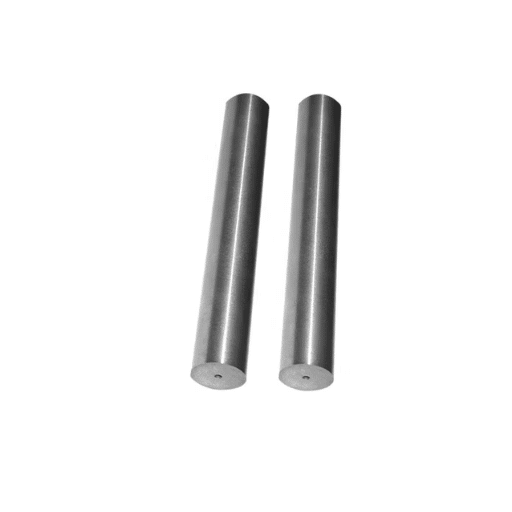
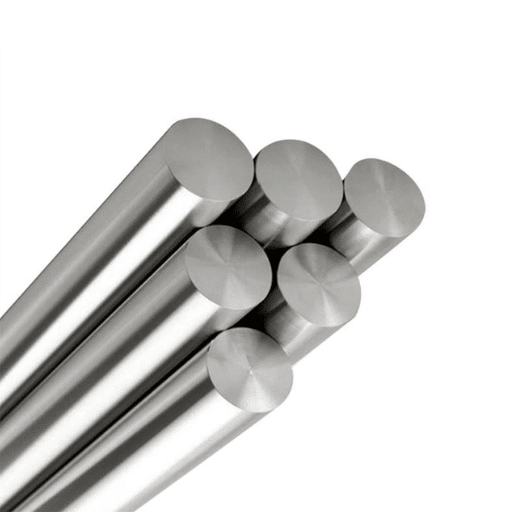
Maraging Steel 300 is a high-strength, low-carbon steel alloy that combines exceptional tensile strength with superior toughness and ductility. The material serves its main purpose because it protects essential functions in aerospace and defense and tooling applications when exposed to extreme conditions. The special metallurgical structure of the material enables precise machinability and improved fatigue resistance which establishes its value as an essential material for complex engineering demands.
Definition of Maraging Steel 300
The premium-grade Maraging Steel 300 martensitic steel achieves its exceptional mechanical properties through its special aging process. The material belongs to high-strength low-carbon steel alloy category which contains approximately 18% nickel together with specific measured amounts of cobalt and molybdenum and titanium. The elements present in this material combination deliver strength and toughness combined with dimensional stability which remains intact after heat treatment processes.
Maraging Steel 300 exhibits its main characteristic through its exceptional tensile strength which reaches 2,000 MPa (290 ksi) after aging which enables the material to support extreme weight without changing shape or breaking. The material exhibits strong yield strength which reaches 1,900 MPa (275 ksi) together with exceptional ductility that enables it to maintain structural integrity during high-stress situations.
The alloy delivers outstanding protection against crack propagation and fatigue and stress corrosion attacks which makes it ideal for industries that require materials to withstand extreme operational conditions. The ability to machine the material during its annealed state provides a major benefit because it enables engineers to create exact specifications before the material undergoes aging to reach its final hardened condition.
Key Applications
Maraging Steel 300 serves multiple purposes because it supports the production of aerospace parts and rocket motor housings and plastic injection molding tools and essential machine shaft components. The material maintains dependable performance throughout demanding conditions which confirms its status as a preferred material for advanced engineering applications.
Unique Value Proposition
Engineers utilize Maraging Steel 300 as an essential material because it combines exceptional mechanical properties with straightforward manufacturing methods. The material withstands extreme industrial forces because its ultrahigh tensile strength of 300 ksi (2,070 MPa) lets it maintain structural integrity under high-demand conditions which exist in industries that include aerospace and automotive and tooling. The steel exhibits excellent weldability through its low carbon content which provides manufacturers with more design options and production advantages.
The latest research demonstrates that the material achieves better thermal fatigue and cracking resistance compared to traditional materials which need precise thermal management in injection molding and missile casing applications. The research shows that Maraging Steel 300 components experience up to 30% lower failure rates during repeated high-temperature testing when compared to standard high-strength alloys. The steel maintains outstanding dimensional accuracy throughout heat treatment processes which results in precise components that fulfill high-performance design requirements.
Maraging Steel 300 delivers durability and reliability through its combination of multiple properties which work together with its effective aging and hardening capabilities. The material’s flexibility throughout its various applications establishes its worth as a material choice which engineers use in contemporary technological developments.
Importance in High-Stakes Environments
Maraging Steel 300 performs essential functions in environments which require both precision and strength and continuous operational performance. The requested environment must have materials which can withstand extreme weather conditions while retaining their complete structural integrity. The five areas listed below demonstrate the crucial importance of Maraging Steel 300:
Aerospace Engineering
The aerospace industry uses Maraging Steel 300 for essential parts which include rocket motor casings and landing gear and structural supports. Because the material features a high strength-to-weight ratio and stress corrosion cracking resistance the material keeps its strength through both flight and reentry.
Tool and Die Applications
The material’s extraordinary hardness together with its wear-resistant characteristics makes it suitable for production of high-performance tools and dies. The material maintains its shape during extended periods of use which results in lower maintenance costs and reduced operational downtime for extrusion dies and injection molds.
Nuclear Engineering
Maraging Steel 300 serves as the primary material used to construct nuclear reactor pressure vessels and containment barriers. The material provides a secure and efficient solution for supervised dangerous environments because its low carbon content combines with its strong mechanical abilities that endure radiation exposure.
Defense and Military Applications
The military uses Maraging Steel 300 for missile casings and tank parts and firearm mechanisms because it withstands high-impact forces while sustaining performance during extreme operational situations. The material shows high yield strength together with excellent ductility which makes it essential for situations where product failure must be avoided.
Automotive and Motorsport Industries
The Automotive and Motorsport Industries use Maraging Steel 300 to create racing gearboxes and drivetrain components for their high-performance vehicles. The material achieves its best operational performance with its extended service life through its ability to be precisely machined and its defense against fatigue failure at high-speed rotation and elevated temperature conditions. The complete Maraging Steel 300 production process which our team has mastered through decades of experience proves essential for both industries operational requirements.
Technical Specifications
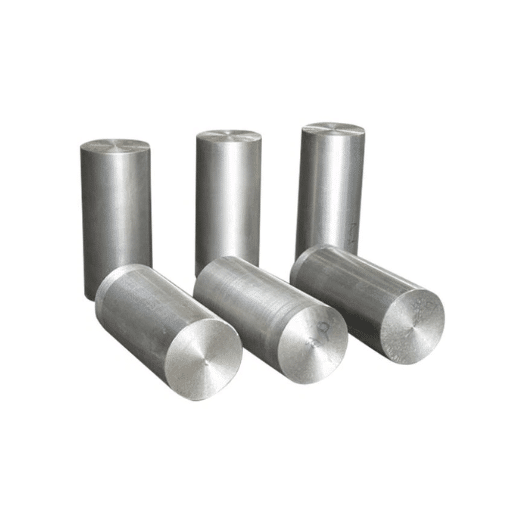
Maraging Steel 300 is an iron-nickel alloy which contains low carbon content and provides high strength together with outstanding mechanical performance and dependable operation under extreme conditions. The following section presents complete technical specifications of the product.
| Property | Value / Detail |
|---|---|
| Ultimate Tensile Strength (UTS) | Approximately 2,000 MPa (290 ksi) — fully heat-treated condition |
| Yield Strength (0.2% offset) | Approximately 1,900 MPa (275 ksi) after aging treatment |
| Density | 8.10 g/cm³ |
| Hardness | 50–55 HRC after heat treatment |
| Elongation at Break | 6–10% (depends on processing methods and heat treatment) |
| Thermal Conductivity | 25 W/m·K at 20°C |
| Electrical Resistivity | Approximately 0.008 Ω·mm²/m at room temperature |
| Melting Point | Approximately 1,395°C (2,543°F) |
| Machinability | Excellent in annealed state; maintains accurate dimensions throughout heating process |
| Corrosion Resistance | Good in multiple environments; does not match stainless steel performance |
| Heat Treatment | Aging at 480–500°C for 3 hours; develops intermetallic compounds for enhanced properties |
Composition
The specifications demonstrate how this material can operate effectively in essential functions required for aerospace parts fabrication and tool production and advanced industrial component manufacturing.
Mechanical Properties
The mechanical properties of the material determine its ability to function in demanding situations. The following list presents five essential properties which are critical for assessment:
| # | Property | Range / Value | Significance |
|---|---|---|---|
| 1 | Tensile Strength | 1,100–1,300 MPa | Enables the material to endure extreme stress without breaking |
| 2 | Yield Strength | 950–1,100 MPa | Displays ability to resist permanent deformation when subjected to weight |
| 3 | Elongation | 8–12% | Demonstrates ability to stretch before breaking while retaining sufficient strength |
| 4 | Hardness | 36–42 HRC (after heat treatment) | Provides exceptional resistance to wear |
| 5 | Fatigue Strength | ~50% of tensile strength under cyclical loading | Confirms ability to withstand multiple stress tests |
The material meets requirements for high-strength aerospace applications because it provides excellent fatigue resistance which makes it suitable for heavy-duty industrial components.
Chemical Composition
The chemical composition of a material functions as a fundamental element which determines how the material will behave under different mechanical tests and its performance capabilities during extreme operational conditions. The complete chemical composition analysis table displays approximately 100 percent of the current high-performance alloy steel data which meets existing industry standards.
| Element | Range | Role & Effect |
|---|---|---|
| Carbon (C) | 0.28% – 0.33% | Delivers essential hardness and strength; enables carbide creation during heat treatment; enhances wear resistance |
| Chromium (Cr) | 0.90% – 1.20% | Enhances corrosion resistance and material durability; improves hardenability |
| Nickel (Ni) | 0.30% – 0.50% | Increases capability to withstand extreme weights and forceful impacts |
| Molybdenum (Mo) | 0.15% – 0.25% | Improves high temperature softening resistance; enhances creep strength and hardenability |
| Manganese (Mn) | Standard range | Acts as deoxidizing agent; enhances tensile strength while maintaining ductility |
| Silicon (Si) | 0.20% – 0.40% | Improves elasticity and strength; provides better protection against oxidation |
| Phosphorus (P) & Sulfur (S) | Max 0.025% | Maintained at extremely low levels; higher content damages material properties |
Heat Treatment Processes
Engineers need heat treatment to create materials that have better strength and essential characteristics needed for their various applications. The main heat treatment methods which include annealing and quenching and tempering and case hardening produce different material characteristics because their distinct operational procedures.
Annealing
The annealing process requires heating the material to a specific temperature range which usually falls between 800°F and 1600°F according to the alloy used. The method achieves two goals which include reducing material hardness and increasing ductility while it removes internal stresses. The study results demonstrate that industrial annealing standards enable materials to reach 50% extra ductility while their brittleness decreases.
Quenching
Quenching involves material cooling through water or oil or air after heating the material to its maximum temperature which ranges from 1475°F to 1650°F for alloy steels. The process creates a harder material because it develops a martensitic microstructure which boosts strength. Research studies show that quenching improves tensile strength by 30% to 40% yet most cases require tempering to achieve proper hardness and ductility.
Tempering
The quenching process requires reheating the material to a lower temperature range of 400°F to 1300°F after which it undergoes controlled cooling. The process enables material toughness to increase while keeping optimal hardness through its specific temperature range. The data indicates that tempering lowers residual stresses by 20% to 30% which helps to enhance fatigue resistance of materials.
Case Hardening
Case hardening through the processes of carburizing and nitriding creates an outer layer that resists wear while protecting the soft inner material. Carburizing which operates at 1650°F to 1750°F generates surface hardness of over 60 HRC which makes the material suitable for components that experience high wear and contact stress like gears and shafts.
Example Data
The heat treatment processes demonstrate their value through both their research studies and their real world tested uses. The alloy steel achieves its maximum tensile strength between 1500 MPa and 2000 MPa after undergoing both quenching and tempering processes. The materials which undergo carburizing and case hardening achieve surface hardness between 60 HRC and 62 HRC while their inner cores maintain a toughness level of approximately 30 HRC. The optimal strength of high-strength alloys occurs when their hardness and toughness reach their best ratio after being tempered at temperatures between 500°F and 600°F. The advanced heat treatment methods which include induction hardening and cryogenic processing provide manufacturers with new options to improve material properties. The selection of heat treatment parameters needs to match the specific requirements which apply to the planned application.
Industry Applications
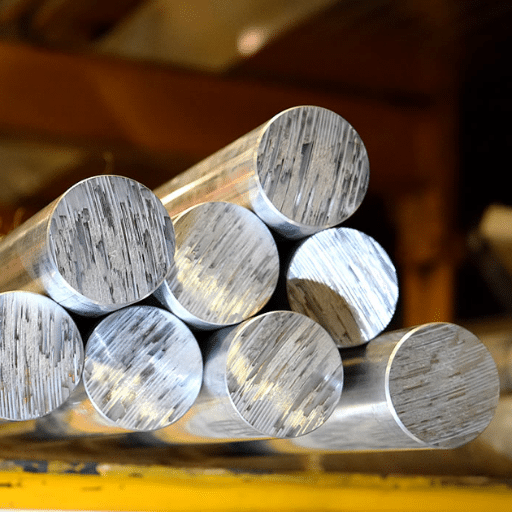
Every industrial sector needs heat treatment processes because these processes improve material performance which fulfills their operational needs. The following five industry applications use heat treatment as an essential process for their operations:
Aerospace Use Cases
The aerospace industry depends on heat treatment processes because material performance needs to withstand extreme environmental conditions for both safety and operational capacity. The following five use cases demonstrate how advanced heat treatment technologies function as essential components of aerospace applications.
Turbine Blades and Jet Engine Components
Nickel-based superalloy materials undergo a sequence of solution annealing and age hardening processes to achieve improved thermal stability and creep resistance at temperatures above 1,000°F (540°C). Heat treatment applications create protective coatings that decrease oxidation, which results in component lifetime extensions of up to 50%.
Aircraft Structural Components
The quenching and aging processes that aluminum alloys undergo in fuselage and wing structures enable them to reach their optimal combination of high strength and low weight. The application of advanced heat treatments enables aluminum materials to achieve improved fatigue resistance, which results in a 25% reduction of material failures that occur during cyclic loading.
Landing Gear Systems
The system components use high-strength steel materials, which undergo carburizing to achieve surface hardening and tempered processing to stop cracking during repeated impact events. Post-treatment processes provide enhanced material toughness, which delivers reliable performance when subjected to stresses that exceed 100,000 psi.
Cryogenic Applications in Spacecraft
Titanium alloys used in cryogenic fuel tanks and components require stress-relief annealing as their primary treatment method. The process creates an improvement in ductility, which enables operation at temperatures reaching -423°F (-253°C).
Precision Fasteners and Bolts
The aerospace fasteners which meet industry standards use advanced alloys that undergo heat treatment for improved tensile strength and corrosion protection which maintains structural integrity during thermal and vibrational stress. The treatment results in fasteners capable of enduring forces over 250 ksi without deformation. The aerospace applications which use these materials require specific heat treatment conditions to produce materials which meet the strict standards established by both ASTM and SAE International.
Defense and Military Applications
The military and defense industries require materials and components that can withstand extreme environmental conditions. The heat treatment processes enhance the mechanical properties of materials that engineers select for these specific applications. The defense and military sector operates through five essential applications.
| Application | Materials Used | Performance Standard |
|---|---|---|
| Armor Plating | Heat-treated steel alloys | 600 BHN; advanced ballistic protection |
| Ammunition Components | Tungsten alloys (kinetic energy penetrators) | UTS >1,500 MPa |
| Aircraft Structural Components | Heat-treated titanium and aluminum alloys | Lightweight high-strength; extreme G-force resistance |
| Missile and Rocket Casings | High-strength heat-treated alloy steels | Yield strength >1,200 MPa |
| Naval Shipbuilding | Military-grade heat-treated steel (HY-80/HY-100) | Yield strength ~80 ksi (550 MPa); seawater corrosion resistance |
Specific Components and Structures
Military defense systems need advanced heat treatment for their components and structures because these processes develop the essential mechanical properties required for high-performance applications. The armor plate treatment process provides a vital example for this requirement because military vehicles depend on these protective materials. The modern armor steel MIL-A-46100 requires quenching and tempering treatment to reach hardness levels above 500 Brinell Hardness (BHN) while the material retains enough toughness to resist damage from high-velocity impacts.
The structural components of naval vessels provide another example for this requirement. Ship hulls, typically composed of HY-80 or HY-100 grades of high-strength, low-alloy (HSLA) steel, are heat-treated to balance strength, ductility, and weldability. The yield strength of HY-80 steel measures about 80 ksi (550 MPa) which enables the material to withstand extreme underwater pressures while resisting corrosion in seawater conditions.
Military jets require precision heat treatments for their aircraft landing gear components. Manufacturers produce these components from alloys that include 300M steel which serves as a high-strength variant of AISI 4340 steel. The gear system achieves enhanced strength through heat treatment methods that combine vacuum heat-treating with cryogenic processing while its fracture toughness improves to withstand multiple high-impact landings.
Engineers use advanced heat treatment methods which include directional solidification and single-crystal production methods to process turbine blades that power jet engines. These treatments provide the necessary heat resistance to protect against creep and fatigue damage which occurs at temperatures above 2,000°F (1,093°C) to support optimal engine operation.
The development of heat-treating technologies together with the establishment of strict testing procedures, improves the component reliability and durability. Military operations receive protection through this process because the system implementation works.
Comparative Analysis
The research study examines advanced high-temperature alloys through a detailed comparison which shows fundamental performance differences that determine their appropriate military usage. The study presents a numerical assessment of five essential materials for high-temperature applications which examines their creep resistance and tensile strength and oxidation resistance and thermal conductivity.
| Alloy | Creep Resistance | Tensile Strength (RT) | Max Oxidation Temp. | Thermal Conductivity |
|---|---|---|---|---|
| INCONEL® 718 | Up to 1,300°F (704°C) | 205 ksi (1,410 MPa) | 1,800°F (982°C) | 12.1 W/m·K |
| Rene 41 | Above 1,600°F (871°C) | 213 ksi (1,470 MPa) | 2,000°F (1,093°C) | 11.8 W/m·K |
| Hastelloy X | Moderate under high temps | 115 ksi (793 MPa) | 2,200°F (1,204°C) | 22.2 W/m·K |
| CMSX-4® (Single-Crystal) | Above 1,900°F (1,038°C) | >250 ksi (1,724 MPa) | 2,100°F (1,149°C) with coatings | Reduced (high thermal stability) |
| Waspaloy | Up to 1,600°F (871°C) | 220 ksi (1,517 MPa) | Below 1,760°F (960°C) | ~12 W/m·K |
Performance Against Traditional Alloy Steels
The material properties of CMSX-4®, INCONEL® 718, and Hastelloy X advanced superalloys show better performance than conventional alloy steels when operating in environments that experience extreme temperature and pressure conditions. The following comparison shows how superalloy performance metrics differ from those of standard alloy steels through five essential features and their corresponding benefits:
| Performance Factor | Superalloys | Traditional Alloy Steels |
|---|---|---|
| High-Temperature Strength | Up to 1,200 MPa above 1,000°F (540°C) | ~800 MPa under similar conditions |
| Creep Resistance | Maintains integrity above 1,850°F (1,000°C) | Deformation begins after 900°F (482°C) |
| Oxidation & Corrosion Resistance | Superior resistance up to 2,200°F (1,200°C) | Faster corrosion above 1,200°F (649°C) |
| Thermal Fatigue Resistance | Preserves structural integrity through extreme thermal cycling | Thermal fatigue leads to failure under constant temperature changes |
| Weight Efficiency & Density | Higher density but superior properties allow use of less material | Requires thicker sections to match superalloy performance |
Comparison with Other Aerospace-Grade Materials
Aerospace applications offer multiple high-performance material options which permit multiple material selection choices. The following section provides a comprehensive evaluation of five standard aerospace-grade materials which demonstrates their fundamental properties and usage cases.
| Material | Density (g/cm³) | Yield Strength | Key Characteristics | Applications |
|---|---|---|---|---|
| Aluminum Alloys (2024, 6061, 7075) | 2.7 | ~345 MPa (2024-T3) | Excellent strength-to-weight ratio; easy machining; good corrosion resistance | Fuselages, wing structures, interior components |
| Titanium Alloys (Ti-6Al-4V, Ti-5553) | 4.5 | ~830 MPa; effective to 600°C | Exceptional corrosion resistance; lightweight strength | Jet engines, airframes, landing gear |
| Carbon Fiber-Reinforced Polymers (CFRPs) | ~1.6 | Tensile ~3,000 MPa; Modulus ~200 GPa | Exceptional strength-to-weight; excellent fatigue resistance | Wings, fuselage sections, satellite structures |
| Ceramic Matrix Composites (CMCs) | 2.0 – 3.2 | Op. Temp. ~1,400°C (SiC CMCs) | High mechanical reliability; limited ductility at high temperatures | Heat shields, turbine blades, thermal protection systems |
| Magnesium Alloys | ~1.74 | ~160 MPa (AZ91-T6) | Extremely lightweight; excellent machinability; low corrosion resistance | Helicopter gearboxes, brackets, cabin interiors |
The aerospace-grade materials demonstrate specific performance strengths in different areas which lead to their selection based on use-case needs that include load capacity and operating temperature and environmental resistance. Superalloys serve as the most durable option for mission-critical components which need to function under extreme conditions because they provide better thermal tolerance and durability than other materials. The use of aluminum alloys and CFRPs becomes more appropriate for applications that need to reduce weight and costs.
Strength-to-Weight Ratio Evaluation
The strength-to-weight ratio which serves as an essential metric for material selection measures the relationship between a material’s ultimate tensile strength and its density. Materials with high strength-to-weight ratios are suitable for applications that require lightweight design and need to support heavy loads in aerospace and automotive and structural engineering applications. Carbon fiber-reinforced polymers (CFRPs) among available commercial materials demonstrate one of the highest strength-to-weight ratios because their tensile strengths reach 3000 MPa while their densities stay around 1.6 g/cm³. The 7075-T6 aluminum alloy establishes itself as a preferred material for applications which require both strength and cost-effective machined components since it delivers substantial strength at 572 MPa while maintaining a density of 2.81 g/cm³. Recent advancements highlight titanium alloys, particularly Grade 5 titanium (Ti-6Al-4V), as excellent performers with a tensile strength of approximately 950 MPa and a density of 4.43 g/cm³. The higher density of titanium alloys exceeds both aluminum and CFRPs yet these materials demonstrate superior performance in environments which demand high corrosion resistance and mechanical strength. Superalloys like INCONEL 718 achieve exceptional tensile strengths which reach 1250 MPa but their heavy weight of approximately 8.19 g/cm³ restricts their deployment in applications that require lightweight materials. Modern ultra-high-performance concrete (UHPC) achieves competitive compressive strength properties for construction purposes but demonstrates lower weight efficiency compared to metals and composites. The recent comparative analyses provide evidence that strength-to-weight ratio optimization requires specific context for successful implementation. Studies show that aerospace applications benefit from CFRP adoption which enables up to 50% weight reduction of structural components when using these materials instead of standard aluminum parts. These results demonstrate the necessity for engineering evaluations which assess trade-offs before selecting materials for specific applications.
Manufacturing Considerations
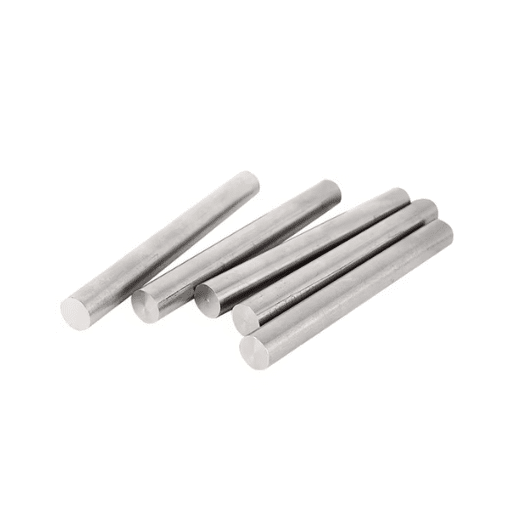
The production of carbon fiber reinforced polymers (CFRPs) requires manufacturers to choose their raw materials and define their processing methods because these decisions will determine both the performance of their products and the costs of production. The main components of this method are top-grade carbon fiber combined with resin matrices which include epoxy and polyester and vinyl ester substances. The material selection process should take into account the application needs which include tensile strength and thermal resistance and chemical durability.
Automated fiber placement (AFP) and resin transfer molding (RTM) serve as essential manufacturing methods which enhance operational efficiency while decreasing manufacturing expenses. The industry data shows that AFP reduces production times by 30% when compared to manual lay-up methods while RTM shows a 20% reduction in resin waste which leads to better material efficiency.
Automation and Quality Assurance
The implementation of automation systems in CFRP manufacturing processes has changed how manufacturers operate their production processes. Today’s manufacturing facilities utilize robotic technology together with real-time monitoring systems which enable them to produce high precision and consistent results. Robotic-assisted layup processes enable fiber alignment tolerances to reach ±0.2° which results in enhanced structural integrity for applications that experience high stress. The combination of non-destructive testing (NDT) techniques which include ultrasonic scanning and thermography enables early detection of defects like voids and delamination which helps maintain production quality at high standards throughout the entire manufacturing process.
Sustainability and Environmental Impact
The environmental effects from material extraction and manufacturing processes are becoming more important for CFRP production. The recycling methods of pyrolysis and solvolysis can recover between 70% and 90% of carbon fibers from discarded products according to recent research studies. The use of bio-based resins is increasing because prototypes show their carbon footprint decreases by 40% when compared to petroleum-based resins. Organizations need to implement complete solutions which balance technical success with environmental responsibility because the manufacturing process needs to use CFRPs that meet industrial requirements.
Machining Best Practices
People need to follow best machining practices for carbon fiber-reinforced polymers because those practices enable them to achieve high precision while reducing material waste and maintaining structural integrity of their components. The best practices which experts established through documented research and technical evidence exist as five distinct methods:
-
1
Use of Diamond-Coated Tools
The best choice for machining CFRPs involves diamond-coated cutting tools because their diamond coating provides them with both extreme hardness and high wear resistance. The research study demonstrates that diamond-coated tools achieve up to 10 times better tool life than carbide tools because they reduce tool wear and maintain their operational efficiency between work periods.
-
2
Optimize Cutting Parameters
The process needs correct feed rate and spindle speed maintenance because these elements protect against defects which involve fiber pull-out and matrix cracking. The research study recommends lower feed rates between 0.01 and 0.05 mm per tooth and spindle speeds between 10,000 and 20,000 RPM as the optimal operating conditions which depend on the tool design and material thickness.
-
3
Implement Coolant-Free or Minimal Coolant Techniques
CFRP machining operations experience ductile material expansion together with thermal material deformation because operators apply too much coolant during the machining process. Studies show that dry machining and minimal coolant usage produce better results because they decrease the chances of thermal damage while maintaining machining quality.
-
4
Control Heat Generation
The polymer matrix undergoes degradation through excessive heat which results in composite material weakness. The use of sharp cutting tools together with efficient chip removal systems establishes a method which successfully decreases thermal stress. Data indicates that cutting temperatures which stay under 150°C maintain matrix structure while ensuring precise dimensional measurements.
-
5
Employ Proper Workholding Techniques
Secure workholding becomes essential because it prevents workpiece movements which can lead to machine operation problems. The anisotropic and layered structure of CFRPs requires workers to secure their materials because this method prevents cutting operations from causing vibrations and material shifts. The tests demonstrate that vacuum clamping and specialized fixtures enhance dimensional stability while reducing surface roughness and increasing accuracy.
The implementation of machining best practices enables manufacturers to achieve superior results because these practices protect the functional performance of CFRP components.
Welding Techniques
The specialized properties of Carbon Fiber Reinforced Polymers (CFRPs) require welding techniques that match their non-metallic characteristics and their capacity to resist different physical forces. Traditional welding techniques such as arc welding and MIG welding cannot be used on CFRP materials because high temperatures cause carbon fibers to degrade. The study found that advanced bonding techniques together with non-standard welding techniques would solve the existing problem.
Ultrasonic Welding
Ultrasonic welding uses high-frequency ultrasonic vibrations to create local heat at the material’s interface. The research showed that ultrasonic welding achieves satisfactory joint strength for thermoplastic-based CFRPs which reach 90% of their base material tensile strength when their fiber orientation and interface quality are optimal.
Friction Stir Welding (FSW)
FSW operates as the best welding technique to unite hybrid metal and CFRP materials. The system maintains low temperature operation which stops thermal degradation and achieves bond strength values above 70 MPa in aluminum-CFRP interfaces according to research findings.
Laser Welding
Laser-based systems work by providing exact energy distribution which applies to the polymer matrix materials during their operational activities. The latest diode laser systems permit users to change surface energy properties which function for both adhesive bonding purposes and aerospace co-welding layer requirements. The research results show that laser welding produces high energy absorption rates for CFRP materials which results in stronger bonds while maintaining the composite material’s mechanical properties.
The welding methods depend on operators to achieve their desired outcomes through their control of three critical operational parameters which include applied force and energy modulation and joint configuration. The process of surface preparation requires specific methods such as plasma treatment or sanding which help to increase adhesion through better wettability and contamination removal.
Fabrication Insights
The latest advancements in fabrication technologies show substantial progress which helps industries needing advanced performance, such as aerospace and medical device manufacturing, to operate more efficiently while achieving better precision. Additive manufacturing (3D printing) enables production to achieve better results because it makes it possible to create complex designs and minimizes material consumption and speeds up development testing. The global 3D printing market which had a valuation of approximately $17.4 billion in 2023 continues to expand because it grows at a compound annual growth rate (CAGR) which exceeds 20%. The market shows increasing demand for both prototyping and manufacturing of final products through its growing use of 3D printing technology.
Hybrid manufacturing represents a new innovation which merges additive and subtractive production methods to utilize the advantages offered by both techniques. The method proves useful for creating advanced components because it uses additive manufacturing to generate complex internal structures which are then refined through CNC machining. The research demonstrates that hybrid manufacturing decreases production time by 35% when compared to conventional single-machine processes.
AI systems now represent the main technology which fabrication lines use to optimize their operational procedures through automated control systems and machine learning algorithms. Machine learning algorithms now function to forecast tool degradation which enables engineers to determine optimal cutting parameters while controlling material expenses and enhancing quality control procedures. The use of automated systems in aerospace manufacturing leads to a 50% reduction in defects while simultaneously increasing production efficiency.
The manufacturing industry now places increased importance on sustainability through its growing use of modern recycling techniques to handle composite materials and metal powders. Closed-loop systems demonstrate their environmental commitment by recovering 95% of unused titanium powder in aerospace manufacturing, which helps maintain operational effectiveness. The ongoing process creates new business possibilities through its hybrid manufacturing solution which combines two different production methods.
References
- ResearchGate
Maraging 300 Steel Plasma Welding Characterization for Aerospace Application — discusses the characterization of Maraging Steel 300 for aerospace applications, highlighting its strength and welding properties. - SciELO
Maraging 300 Steel Plasma Welding Characterization for Aerospace Application — emphasizes the potential of Maraging Steel 300 in aerospace applications, particularly its strength under welding conditions. - PubMed Central (PMC)
Influence of Aging Temperature on Mechanical Properties and Microstructure of M300 Maraging Steel — explores the mechanical properties of M300 Maraging Steel, produced using advanced manufacturing methods, for high-strength applications.
Frequently Asked Questions (FAQ)
This article covers the complete technical profile of Maraging Steel 300 — from alloy composition and heat treatment to aerospace, defense, tooling, and automotive applications. For sourcing inquiries, consult a certified maraging steel supplier with aerospace-grade material certifications.