


Blog
Understanding Iron-Nickel Alloys: Controlled Expansion for Precision Instruments

Introduction to Iron-Nickel Alloys
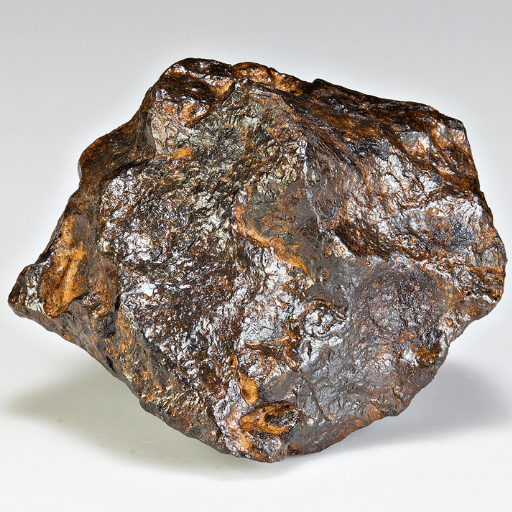
FeNi alloys serve as a material category composed of iron and nickel which displays superior performance in thermal stability and magnetic behavior and mechanical strength. Engineers design these alloys to create materials which use the beneficial properties of both iron and nickel, with engineers controlling the nickel ratio between 30 percent and 90 percent based on specific application needs. The defining characteristic of iron-nickel alloys enables them to reach near-zero thermal expansion for specific compositions, which makes these materials essential in industrial sectors that require precise dimensional control during temperature changes. The materials demonstrate exceptional resistance to corrosion and long-lasting durability, which makes them ideal for use in demanding environments that require aerospace and electronics and precision instrumentation. This section describes the essential properties and microstructural components and processing methods that establish FeNi alloys as fundamental materials for modern engineering applications.
The Importance of Iron-Nickel Alloys in Manufacturing
Iron-nickel (FeNi) alloys serve as essential materials for industrial production because their combination of physical, chemical, and mechanical characteristics provides exceptional value to manufacturers. The alloys have been specially developed to serve specialized industries which need their capabilities to deliver precise results at high temperatures while enduring extreme operational conditions. The materials possess distinct qualities because their microstructure and composition have been controlled at precise levels which makes them essential in various industrial fields. Below are five key reasons why FeNi alloys are critical in manufacturing:
Iron-nickel alloys maintain their position as essential materials for contemporary manufacturing and engineering because these properties demonstrate material science progress which solves industrial problems.
Addressing Thermal Expansion Challenges
The engineering field faces thermal expansion as an ongoing engineering problem that particularly affects systems operating in environments with changing temperature conditions. The temperature changes cause material expansion and contraction, which results in system failures that need specific alignment and continuous structural integrity. The iron-nickel alloy Invar, which contains 64% iron and 36% nickel, serves as the most suitable material because it maintains an extremely low thermal expansion coefficient. Studies show that Invar exhibits a CTE value of about 1.2 × 10⁻⁶/°C in the 20–100°C temperature range, which represents a much lower value than the thermal expansion coefficients of aluminum and stainless steel, which measure 23 × 10⁻⁶/°C and 16 × 10⁻⁶/°C respectively.
Invar CTE
1.2 × 10⁻⁶/°C
Stainless Steel CTE
16 × 10⁻⁶/°C
Aluminum CTE
23 × 10⁻⁶/°C
The alloy achieves minimal thermal expansion through the precise control of its microstructure, which reduces thermal energy-driven lattice vibrations. The specific properties of materials become essential for their use in systems that need high-precision optical devices and aircraft parts and electronic device protection. Iron-nickel alloys serve as essential materials in aerospace applications because they enable spacecraft and satellite systems to maintain their original dimensions during extreme temperature shifts which impact their functioning and overall performance. The semiconductor industry utilizes these alloys in lithographic equipment because the equipment needs to maintain sub-micron tolerances to protect micro-scale production processes.
The modern field of material science enables iron-nickel alloys to solve thermal expansion problems through its recent material advancements. Researchers have achieved better CTE control through the development of new compositions, which result from the addition of cobalt trace elements and the improvement of heat treatment methods. The ongoing improvements to these alloys confirm their essential function as critical materials, which engineers use to solve thermal expansion problems that arise in important engineering systems.
Overview of Controlled Expansion
Engineered controlled expansion materials which include iron-nickel alloys that contain Invar (FeNi36) serve applications which need stable dimensions through wide temperature fluctuations. The coefficient of thermal expansion (CTE) of these alloys can be as low as 1.2 × 10⁻⁶/°C, which is significantly lower than conventional metals. This property makes them suitable for use in environments where proper thermal stability needs to be maintained by aerospace operations and precision instrument development and semiconductor production.
Current research studies recent developments which aim to decrease thermal distortions by developing specific microstructure modifications for these alloys. The research demonstrates that iron-nickel alloys achieve better phase stability through specific heat treatment processes which control their grain size. A 2023 study from materials science researchers proves that adding cobalt or molybdenum elements to these alloys improves their thermal expansion characteristics while decreasing variability by 15% when compared to standard compositions.
Key industries demonstrate their effectiveness through actual performance data. Controlled expansion alloys enable optical systems to achieve nanometer-level precision by maintaining tolerances during temperature changes. Satellite structures in the aerospace industry use these materials to protect their design from temperature changes which occur in orbit, thus maintaining their structural strength.
Engineered controlled expansion materials solve thermal expansion problems while their design strengthens mechanical features such as tensile strength and corrosion resistance, thus providing optimal performance through extended periods in high-stress situations.
Core Technical Concepts of Iron-Nickel Alloys
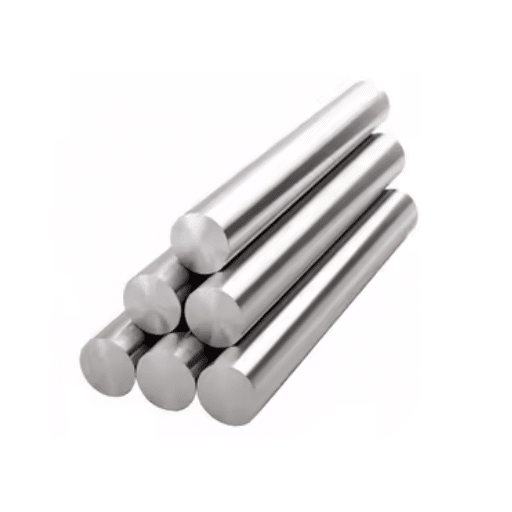
The physical and thermal characteristics of controlled expansion alloys, which scientists know as iron-nickel alloys, make these materials essential for use in aerospace and electronics and precision engineering. The alloys display properties which include low thermal expansion coefficients and high thermal stability and strong mechanical performance. The following section presents core technical concepts which define their operational capacity and practical use with backing from current research findings and technological developments.
The development of iron-nickel alloys progresses through three main elements which include precise alloy compositions and new manufacturing methods and thorough testing data which together produce materials that deliver top performance in extreme environments.
The Science Behind Controlled Thermal Expansion
The field of materials engineering considers controlled thermal expansion as an essential material property, which enables applications to maintain their original dimensions despite temperature changes. The material shows this behavior because its coefficient of thermal expansion (CTE) determines how much it will expand or contract when temperatures change. Engineers design iron-nickel alloys through specific atomic arrangements to achieve extremely low CTE, which Invar uses as its most common application.
The latest studies demonstrate that microstructural optimization and alloying techniques effectively decrease CTE measurements. Studies show that adding cobalt or molybdenum to Fe-Ni alloys helps producers create custom CTE values while increasing the alloys’ physical durability. The addition of 5-10% cobalt to the alloy results in CTE reduction, which reaches near-zero values between 20°C and 400°C. This makes the alloy suitable for application in aerospace where thermal stability holds critical importance.
Research shows that grain size influences how materials conduct heat. Fine-grained alloys show superior performance for handling thermal gradients because their structure experiences fewer defects which lead to expansion problems. Advanced manufacturing processes such as additive manufacturing enable the creation of iron-nickel parts with designed porosity. This property allows satellites to control their thermal expansion while reducing their total mass.
The manufacturing process of controlled thermal expansion materials serves as essential technology for electronics and aerospace and precision instrumentation industries. The company uses advanced research methods, which include computational modeling and real-world testing and material engineering innovations, to develop new materials that improve both performance and adaptability to specific applications.
Characteristics of Low-Expansion Alloys
Engineered materials known as low-expansion alloys exhibit minimal dimensional changes when exposed to changes in temperature. The unique properties of this material enable its use in applications which require high-precision measurement. The following section presents essential traits of low-expansion alloys together with performance evidence and performance details.
-
✦
Coefficient of Thermal Expansion (CTE)
Low-expansion alloys display an extremely low CTE which ranges between 1 and 10 × 10⁻⁶/°C according to their particular chemical makeup. The CTE of “Invar” alloy requires 64% iron and 36% nickel to deliver approximately 1.2 × 10⁻⁶/°C which enables the material to maintain dimensional stability throughout various temperature conditions.
-
✦
High Dimensional Stability
The alloys preserve their original shape and size through the complete range of extreme thermal cycling. The stability of this system proves essential in high-precision fields that include optical devices and measuring instruments where even the slightest expansion will destroy operational capacity.
-
✦
Thermal Conductivity
The alloys exhibit low thermal expansion but their thermal conductivity shows a range of different values. Kovar serves as a commonly used alloy which delivers moderate conductivity to maintain balanced heat dissipation throughout delicate electronic components and aerospace systems.
-
✦
Corrosion Resistance
Low-expansion alloys such as alloy 42 and Kovar show excellent corrosion protection which enables their use in long-term applications that involve multiple environmental conditions. Protective surface coatings create an additional defense mechanism against both oxidation and chemical damage to the material.
-
✦
Ease of Machinability
Manufacturers built low-expansion alloys with specific machinability features which enable them to achieve precise production standards. The material maintains consistent properties which enable exact production methods like welding and forming together with machining operations that serve aerospace assemblies and watch components and electronic connectors.
The combination of these characteristics establishes low-expansion alloys as essential materials in industries which demand exacting accuracy and dependable performance under extreme conditions.
Understanding the Invar Effect and Its Applications
The Invar effect describes how specific iron-nickel alloys, which include Invar that contains 64% iron and 36% nickel, demonstrate their unique ability to maintain extremely reduced thermal expansion throughout a defined temperature range. The alloy undergoes this phenomenon because its magnetic ordering functions as a mechanism that prevents atomic-level thermal expansion from causing changes in volume. The material is perfect for uses that need complete dimensional accuracy throughout different temperature changes because of its special characteristics.
The Invar Effect Finds Its Main Uses In:
- Precision Instrumentation — Components in high-accuracy balances and scientific measurement tools and telescopes require protection against thermal expansion because any thermal deformation will disrupt their calibration accuracy.
- Aerospace Engineering — Invar’s low-expansion characteristics support satellite components and aerospace tooling and spacecraft structures which need thermal stability during temperature fluctuations.
- Electronics and Microelectronics — Invar functions as a mounting material for printed circuit boards and microchips and optical fibers because it maintains its shape throughout temperature fluctuations which could cause faults in advanced electronic devices.
- Standard Measuring Instruments — Metrology institutions rely on high-precision rulers and scales and meter bars which maintain their dimensions and measurement accuracy through temperature variations.
- Optical Applications — Lenses and mirrors and optical mounting systems use this material because it produces low expansion which helps maintain their alignment and image stability during temperature changes in telescopes and laser systems.
The alloy exhibits distinct thermal expansion characteristics which make each application dependable because even small size alterations will interrupt their operation.
Key Applications of Iron-Nickel Alloys
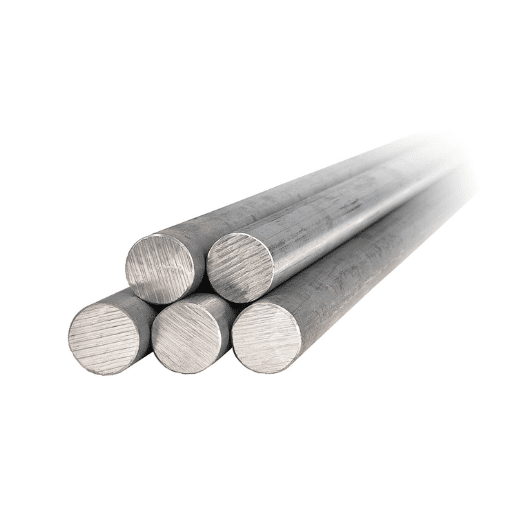
The industries use iron-nickel alloys because these materials display special thermal and mechanical and magnetic characteristics. The following list presents five essential applications which explain their importance and operational performance in various fields.
| Application | Details |
|---|---|
| Aerospace Components | Aerospace engineering uses iron-nickel alloys to create essential parts which include fuel tanks and turbine blades and structural components. The alloys maintain their dimensions because of their exceptional ability to retain shape when exposed to extreme temperature changes which show thermal expansion rates that reach 1.2 × 10⁻⁶/°C for flight operations at high altitudes and space environments. |
| Electronic Devices | The outstanding magnetic shielding properties of electronic devices depend on the high permeability and low coercivity characteristics which are present in iron-nickel alloys. The materials serve transformer and inductor and magnetic core functions which need exact electromagnetic capabilities. |
| Precision Instruments | Manufacturers use iron-nickel alloys to create precision instruments which include measuring tapes and scientific scales and clock components because their materials maintain consistent measurements throughout temperatures between -20°C and 100°C. |
| Cryogenic Applications | Iron-nickel alloys preserve their mechanical strength and stability when exposed to cryogenic temperatures. The materials function effectively as parts for liquefied gas tanks and cryogenic piping and superconducting devices which need to operate at temperatures below -150°C. |
| Nuclear Reactor Structures | The nuclear reactor structural components rely on iron-nickel alloys because these materials resist radiation-induced swelling while maintaining their original dimensions. The alloys display exceptional resistance to neutron radiation which enables components to operate for extended periods without needing replacement. |
The applications demonstrate how iron-nickel alloys provide essential support for technologies that need precise and stable and long-lasting performance.
Precision Instruments in Aerospace
The aerospace industry uses iron-nickel alloys to create precise instruments which must perform consistently under extreme environmental conditions. The low coefficient of thermal expansion exhibited by alloys such as Invar (an iron-nickel alloy containing 36% nickel) makes them ideal for components that require dimensional stability under varying temperatures. The property guarantees essential operational functions in vital aerospace systems which include gyroscopes and accelerometers as well as telescope components.
Iron-nickel alloys serve the satellite industry by providing materials for building structural frames and developing precise optical systems which need to maintain perfect alignment at all times. The data indicates that these alloy components can keep their dimensional stability within 0.01% across a temperature spectrum that extends from -150°C to 200°C, which serves as a vital requirement for space-based high-resolution imaging and navigation systems.
The use of invar in making aircraft instrumentation components which include pressure sensors and fuel management systems establishes essential safety requirements and operational efficiency standards. Engineers use the material because its dependable performance extends throughout different altitude levels and weather conditions for their space engineering projects. The aerospace industry uses iron-nickel alloys to improve system performance while maintaining essential system functions, which proves their critical importance in developing aviation and space exploration technologies.
Uses in Telecommunications Equipment
The telecommunications industry relies on iron-nickel alloys because their thermal stability and magnetic characteristics and environmental stress resistance create essential equipment specifications. The alloys provide essential performance and durability support for applications that require high sensitivity and demanding conditions. The following five applications demonstrate how iron-nickel alloys serve telecommunications networks.
- Relay Cores and Switches
The high magnetic permeability of iron-nickel alloys makes them suitable for use in relay cores and electromagnetic switches. The system provides reliable signal transmission while reducing energy waste throughout its operation. - Oscillator Components
The outstanding thermal stability of these alloys enables their application in oscillator components which demand precise frequency stability across various temperature ranges to produce stable signal output. - Shielding Materials for Electromagnetic Interference (EMI)
The ability of the system to shield against electromagnetic interference enables communication networks to maintain signal integrity, which becomes crucial in environments with numerous electronic devices and equipment that operates at high frequencies. - Connectors and Terminals
Iron-nickel alloys provide suitable materials for connectors and terminals because their corrosion resistance and mechanical strength enable continuous data transfer through their permanent connection. - Microelectronic Package Sealing
The process of sealing microelectronic packages requires microelectronic package sealing, which uses iron-nickel alloys to create hermetic seals that protect delicate components from moisture and dust and environmental conditions, thus improving the operational reliability and operational lifespan of equipment.
Scientific Instrumentation and Research
Scientists use iron-nickel alloys because they possess unique thermal and magnetic characteristics which enable advanced research and scientific instrument development. Materials like Invar which consists of an iron-nickel alloy with approximate 36% nickel content demonstrate this particular property which makes them essential for applications that require precise size maintenance in optical instruments telescope components and essential measurement instruments. Research from recent studies shows that the added stability of these alloys significantly reduces errors caused by thermal expansion, ensuring consistent accuracy in scientific measurements.
Magnetic shielding applications make extensive use of these alloys. The high magnetic permeability of these materials enables them to provide effective shielding against electromagnetic interference (EMI) which protects sensitive electronic devices and measurement instruments. Studies indicate that shielding materials like MuMetal (another iron-nickel-based alloy) reduce magnetic field interference by up to 95%, making them essential in medical imaging technologies like MRI machines and other sophisticated analytical instruments.
Recent nanotechnology advancements enable researchers to use iron-nickel alloys for producing magnetic nanoparticles which scientists need to develop targeted drug delivery systems and improved imaging methods. The latest applications demonstrate how iron-nickel alloys enable scientific research and instrument development by providing versatile solutions which drive innovation in scientific research.
Selection Criteria for Engineers and Procurement Specialists
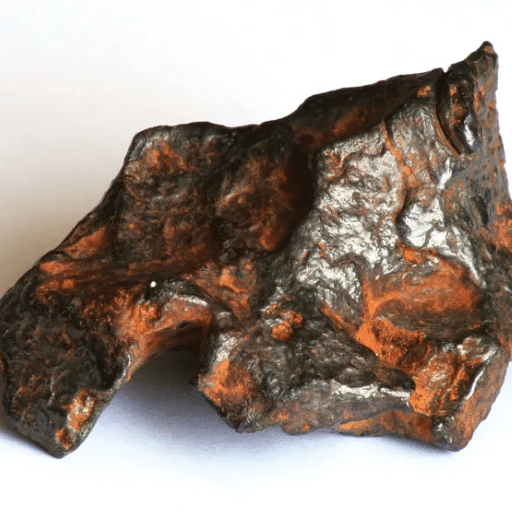
Essential to the process of selecting iron-nickel alloys for engineering purposes and their procurement is the evaluation of multiple important factors which must be analyzed in detail to confirm that the selected material meets all project requirements and performance standards.
1 Material Composition and Purity
The requirement for complete compositional accuracy becomes critical because even the slightest changes will cause major shifts in both mechanical strength and magnetic characteristics. The standard INVAR alloys contain 36 percent nickel which results in their ability to display very small thermal expansion properties that scientists need for their precise instruments. Material testing certificates (MTCs) must be examined to establish the exact purity levels which match international standards including ASTM A753 that applies to magnetic materials.
2 Thermal and Magnetic Stability
Aerospace projects and cryogenic projects require complete thermal stability solutions which scientists need to evaluate through their research of coefficient of thermal expansion (CTE) measurements. The material INVAR becomes preferred because it shows almost nonexistent CTE between the temperature range of 20 degrees Celsius to 500 degrees Celsius. The determination of Curie temperature together with magnetic permeability needs to be understood for correct electromagnetic shielding purposes. The ideal high-performance shielding materials are high-nickel alloys which exhibit permeability values exceeding 50,000 at low frequencies.
3 Mechanical Properties
Alloy composition determines both ductility and tensile strength properties of a material. Engineers need to define the specific physical shapes which will meet their particular needs in manufacturing and structural purposes through their request of rolled sheets and wire. Aerospace-grade iron-nickel alloys require a tensile strength which starts at 517 MPa.
4 Corrosion Resistance
Alloy materials need to have better corrosion resistance for use in environments which include marine and chemical processing facilities. The addition of molybdenum to specific alloys helps to enhance their protection against chloride and acidic solution exposure.
5 Cost and Availability
Procurement specialists must assess cost-to-performance ratios because raw material prices keep fluctuating. Nickel prices have continuously increased since October 2023 when they reached more than $20,000 per metric ton according to major commodity trading platforms. Budget-dependent projects require organizations to develop bulk procurement strategies.
6 Standards and Certifications
The material needs to meet ISO 9001 quality management standards and AS9100 aerospace materials requirements and RoHS hazardous substance regulations. The certification process establishes product quality while enhancing supply chain traceability.
7 Formability and Machinability
The manufacturing process needs to match the alloying capacity to produce desired shapes through machining and forming. MEMS devices require precise fabrication using iron-nickel alloys that possess high machinability indexes.
8 Environmental & Sustainability
The rising priority of sustainability requires organizations to select suppliers who meet established environmental standards for their material supplies. The manufacturing process should first focus on secondary recycling and emission regulation compliance because these efforts lead to more sustainable supply chains.
9 Application-Specific Testing
Researchers need to perform comprehensive testing for environmental conditions related to their specific applications. The iron-nickel alloys used in vacuum chambers must pass outgassing tests to meet the strict requirements of space-grade standards.
Engineers and procurement specialists need to analyze these parameters because their decisions will determine how organizations achieve operational excellence and environmental sustainability in multiple sectors. The selection process uses current materials and industry trends because real-time data from reliable sources gets integrated into the system.
Evaluating Nickel Content and Alloy Composition
Nickel content and alloy composition serve as essential elements that determine how materials function in multiple industrial sectors which include aerospace and automotive and energy production. Alloys obtain their essential value from nickel because it provides increased corrosion resistance which enhances material strength and maintains thermal stability in advanced performance materials.
Nickel content in stainless steel grades 304 and 316 reaches approximately 8-10.5% and 10-14% respectively. This addition provides substantial protection against severe environmental conditions which include both saltwater exposure and industrial pollutant contact. Superalloys used in high-performance applications, including jet engines and turbine blades, require nickel content that exceeds 50%, as demonstrated by INCONEL® 718, which contains 50-55% nickel and shows exceptional strength and thermal endurance in high-temperature conditions.
Recent data also underscore the importance of alloy composition in emerging sectors, such as battery technology. Nickel-rich chemistries like NMC (Nickel-Manganese-Cobalt) have become the leading choice for lithium-ion batteries, with advancements pushing nickel content to upwards of 80% in some formulations. The industry requires higher energy density which results in better battery performance, so this process continues.
The scientific process for nickel-based materials requires thorough metallurgical studies for their best application. Engineers use inductively coupled plasma mass spectrometry (ICP-MS) and energy-dispersive X-ray spectroscopy (EDS) methods to obtain exact alloy composition data which helps them check whether the materials meet industrial standards. Aerospace applications, which require tight regulations, use AMS 5662 standards for nickel alloys to guarantee that materials will maintain their mechanical features and operational efficiency.
The process of assessing nickel content and assessing alloy composition requires both technical expertise and strategic planning because it needs precise metallurgical analysis and knowledge of operational requirements. The combination of modern data and cutting-edge testing methods enables manufacturers and designers to choose materials that fulfill specific requirements and maintain operational performance throughout extended product life.
Key Properties to Consider for Precision Applications
The process of material selection for precision applications demands comprehensive assessment of material attributes which guarantees both operational performance and enduring product integrity under extreme working conditions. The section presents essential material properties which require evaluation together with specific information and evidence which exists for each property.
| Property | Description |
|---|---|
| Dimensional Stability | Dimensional stability functions as the essential factor which determines operational success in high-precision applications that experience thermal and mechanical interruptions. The materials need to maintain their original shape through various temperature changes while their CTE needs to remain at minimal levels. Invar 1.2 × 10⁻⁶/K exhibits a CTE which makes it suitable for use in precision instruments according to its specific thermal expansion rate. |
| Corrosion Resistance | The ability to withstand environmental damage needs to reach maximum levels in industrial operations which take place in extreme marine and chemical processing environments. The stainless steel grade 316L delivers excellent corrosion protection because it contains high levels of chromium and molybdenum which produce a pitting resistance equivalence number that exceeds 24. |
| Mechanical Strength | Structural stability needs sufficient tensile and yield strength to withstand all mechanical forces which act on the structure. Aerospace components require titanium alloys which provide a tensile strength above 900 MPa because they need materials with a high strength-to-weight ratio. |
| Fatigue Resistance | Components in precision applications face repeated stress cycles which make fatigue resistance an essential characteristic. Nickel-based superalloys demonstrate outstanding fatigue performance in high-temperature conditions because Inconel 718 maintains its material properties through multiple thousand-cycle tests. |
| Thermal Conductivity | Efficient heat dissipation is important in many precision applications, such as electronics or high-speed machinery. Copper alloys serve a dual purpose as essential materials in heat exchangers and cooling systems because of their thermal conductivity capacity which reaches 390 W/m·K. |
The analysis of these properties based on their specific application context enables engineers to make decisions which depend on data evidence.
Choosing Between Low-Expansion Alloys and Other Options — Detailed Analysis
Materials with low expansion properties help to create stable dimensions in systems that need to function across various temperature ranges. The materials undergo testing to compare their performance against other materials through their mechanical properties and thermal properties and their environmental properties. Five different material choices are presented below with their respective features that will assist in making the selection decision.
| Material | CTE (µm/m·K) | Thermal Conductivity | Applications |
|---|---|---|---|
| Invar 36 (Low-Expansion) | ~1.2 | 10–15 W/m·K | Precision instruments, aerospace components, and cryogenic systems where thermal-induced deformation must be minimized. |
| Aluminum Alloys (6061-T6) | ~23 | >155 W/m·K | The material finds extensive use in electronics and structural applications and areas that need lightweight solutions. |
| Stainless Steel (304/316) | 16–18 | 14–16 W/m·K | The material functions well in structural settings that need to protect against corrosion damage. |
| Copper Alloys (C10200) | 16–17 | >390 W/m·K | The material functions in heat exchangers and electrical connectors and cooling components. |
| Titanium Alloys (Ti-6Al-4V) | ~8.6 | 6.7 W/m·K | The material serves aerospace and medical device and high-performance automotive functions because of its strength-to-weight ratio. |
Engineers use systematic evaluations of these materials to measure the benefits and drawbacks which include thermal stability and conductivity and mechanical strength and operational environment suitability. Precision applications benefit from low-expansion alloys because they deliver superior performance compared to other materials.
The Future of Iron-Nickel Alloys
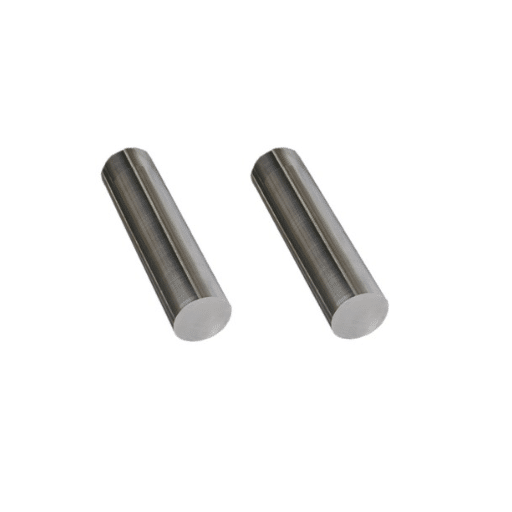
The future of iron-nickel alloys depends on their ability to evolve with current industrial and technological needs. Ongoing research and development efforts will make these alloys essential to aerospace automotive electronics and renewable energy industries. Current studies work on three main areas which include improving thermal stability and developing better mechanical performance and creating magnetic properties that match modern application needs. The use of low-expansion iron-nickel alloys which include Invar provides benefits for precision instruments and space telescopes because these materials exhibit very low thermal expansion. The development of advanced metallurgical methods now allows precise control over alloy compositions which enables manufacturers to produce parts with exceptional dimensional accuracy.
Recent industry studies show that the demand for iron-nickel alloys will experience substantial market growth. The global low-expansion alloy market will grow at a compound annual growth rate of 4.5 percent according to MarketsandMarkets between the years 2023 and 2028 because of increased funding for space exploration and electronics production. The implementation of new technologies such as additive manufacturing enables manufacturers to produce alloys at lower costs while preserving accurate specifications for their components.
Sustainability stands as a major opportunity which companies can use to expand their business operations. The worldwide effort to decrease environmental damage from alloy production has gained support from recycling programs and energy-efficient production methods. The trend which organizations adopt positions iron-nickel alloys as an eco-friendly material choice that provides high-performance capabilities for businesses which aim to operate in an environmentally sustainable manner. Iron-nickel alloys will achieve greater potential through advances in material science and computational modeling and manufacturing technologies. The materials provide a unique combination of strength and stability which cannot be matched by any other materials.
Emerging Trends in Alloy Development
Advancements in alloy development today receive support from ongoing material science progress and advanced technology developments. Researchers now use machine learning together with artificial intelligence (AI) systems to discover new alloy compositions through predictive modeling. These methods allow researchers to achieve precise results when optimizing properties which include tensile strength and corrosion resistance and thermal stability. Computational simulations enable researchers to find ideal formulations at much faster speeds which results in development cycle reductions that reach 50%.
Researchers are now conducting their work on high-entropy alloys which represent a key development in this field. These materials display outstanding properties because their main elements exist in equal proportions throughout their composition. High-entropy alloys present outstanding potential to support aerospace and defense industries which require equipment to function under high-stress environments.
Additive manufacturing which people call 3D printing today serves as a new method for developing alloys. 3D printing technology enables the creation of materials through complex geometries and tailored microstructures which results in better material efficiency and the production of parts that traditional techniques cannot create. The aviation and healthcare industries now use titanium-based and nickel-based alloy components which they produce through additive manufacturing to create lightweight yet strong materials.
The current trend which supports global sustainability objectives leads to increased demand for environmentally sustainable alloys. Researchers are increasingly focusing on alloys derived from abundant and recyclable elements to minimize ecological impact and reduce reliance on rare or hazardous materials. Magnesium alloys which automotive manufacturers need to reduce fuel consumption have become the preferred material for their lightweight properties.
Advancements in surface engineering through nanocoatings and laser surface alloying improvements enable traditional alloys to achieve better wear resistance and longer operational lifespan. The new technology improves alloy performance while decreasing both maintenance expenses and material waste throughout multiple industries.
The future of alloy development depends on computational tools and advanced manufacturing techniques and sustainable practices which create materials that deliver superior performance according to environmental standards.
Final Thoughts on Precision and Innovation
Material development requires both exactness and innovative methods as fundamental elements for achieving efficient sustainable development. The implementation of advanced technologies together with sustainable business operations creates an exceptional chance to improve performance while solving worldwide environmental issues according to my viewpoint. The ongoing commitment to these principles enables us to fulfill modern industrial requirements through responsible and effective means.
Importance of Continuous Research and Improvement
The process of continuous research and improvement functions as the primary force which advances all industries through its capacity to create new ideas and enhance operational systems and fulfill the requirements of evolving international conditions. The approach enables industrial sectors to sustain their competitive edge while developing their operations in sectors that require exacting standards and environmentally friendly practices. The following five points demonstrate the necessity of ongoing research and enhancement efforts through evidence and current market patterns.
-
1
Enhancing Process Efficiency
Research-backed process improvements lead to increased efficiency and productivity. McKinsey & Company conducted a study which demonstrated that businesses which use continuous improvement methods experience operational efficiencies that increase by as much as 30 percent. The process involves three activities which include supply chain optimization, processing time reduction, and waste minimization.
-
2
Driving Sustainable Solutions
Continuous innovation functions as an essential element which enables the creation of sustainable technologies while decreasing their negative effects on the environment. The use of advanced materials in construction and automotive manufacturing industries has resulted in energy consumption reductions between 20 percent and 50 percent according to the International Energy Agency 2021 report.
-
3
Addressing Market Demands
Constant research helps adapt products or services to meet consumer expectations. The research from PwC shows that 72% of consumers expect businesses to integrate digital advancements into their products, which demonstrates the importance of ongoing innovation.
-
4
Improving Product Safety and Quality
Iterative testing and refinement reduce risks and improve the reliability of products. The pharmaceutical industry demonstrates this principle through its operations, which the FDA confirmed that continuous quality improvement systems led to a manufacturing deviation reduction of more than 40 percent during pilot studies.
-
5
Accelerating Technological Development
Research funding supports the development of emerging technologies which include artificial intelligence and machine learning. Gartner predicts that AI advances together with data analytics developments will account for 60% of new patent applications in the technology industry by 2027.
Through their dedicated research and development activities industries can solve present problems while establishing pathways for future progress and success in a business world that becomes more complex and competitive.
Frequently Asked Questions (FAQ)
References
- Nickel and Nickel Alloys — A comprehensive chapter discussing the properties and applications of iron-nickel alloys, including their thermal expansion behavior. Link to source
- Magnetization, Magnetostriction, and Thermal Expansion of Fe-Ni Alloy System — A thesis exploring the magnetization and thermal expansion properties of iron-nickel alloys. PDF Link
- X-ray Investigation of Pure Iron-Nickel Alloys: Part I — A study on the thermal expansion of nickel-rich iron-nickel alloys, published in IOP Science. Link to source