


Blog
Alloy Selection Guide: The Essential Guide to Corrosion-Resistant Alloys (CRA) in Oil & Gas

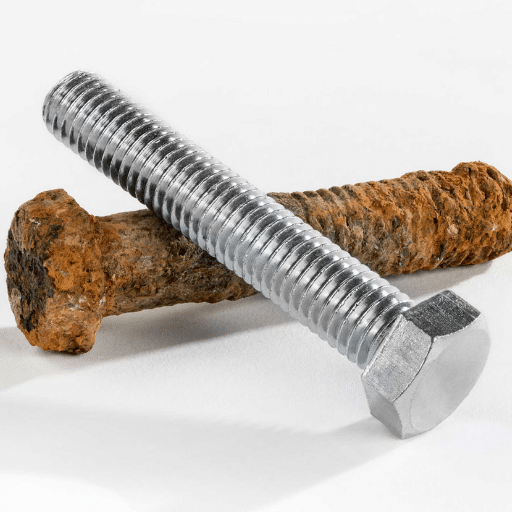
Introduction to Corrosion-Resistant Alloys (CRA)
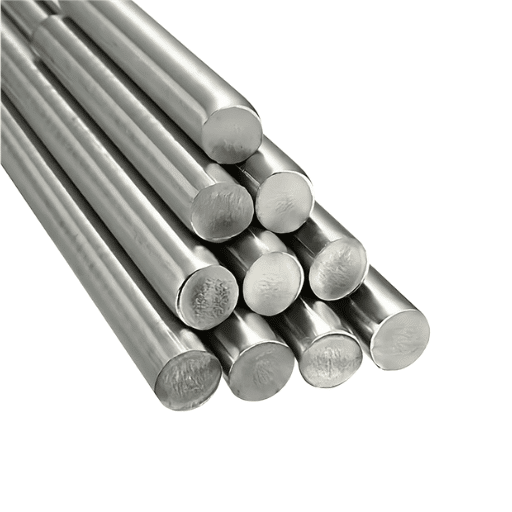
The specialized design of Corrosion-Resistant Alloys (CRA) protects materials from damage caused by environmental conditions and chemical exposure. The alloys serve multiple industrial applications which include oil and gas operations and marine activities and chemical processing operations that need to handle extreme environments which include high humidity and saltwater and dangerous chemical substances. The element content of CRAs which includes chromium and nickel and molybdenum creates protective barriers that stop corrosion from reaching their resistance properties. Equipment performance maintenance allows equipment to function for extended periods while organizations save on maintenance costs and protect essential operations. The correct CRA selection process requires users to assess both environmental conditions and performance needs which pertain to their particular application.
Definition of Corrosion-Resistant Alloys
Corrosion-Resistant Alloys (CRAs) serve as metallic materials which engineers design to protect against degradation which occurs when these materials come into contact with corrosive environments that include high humidity and saltwater and acidic substances. The oil and gas and chemical processing and marine and aerospace sectors rely on these alloys because they possess outstanding resistance against chemical reactions which lead to corrosion. CRAs achieve their superior protective capabilities through the incorporation of essential elements which include chromium and nickel and molybdenum and nitrogen which is used in certain cases. The material surface benefits from chromium because it supports the creation of a protective oxide layer which forms passively yet molybdenum provides improved protection against both pitting and crevice corrosion attacks.
Key Insight: Stainless steels with chromium content exceeding 10.5% demonstrate 50%–100% lower corrosion rates than standard carbon steel when exposed to seawater conditions. The combination of austenitic and ferritic structures in duplex stainless steels enables these materials to achieve high strength while maintaining strong protection against stress corrosion cracking, making these steels suitable for use in offshore environments.
The latest developments in CRAs establish their critical significance for essential operational use. The 304 and 316 grades of austenitic stainless steels demonstrate strong protection against typical corrosion while Hastelloy and Inconel superalloys exhibit exceptional defense against highly destructive environments which feature both oxidizing and reducing conditions.
The environmental stresses between two specific temperature ranges and their corresponding chemical exposure must determine the selection of CRA material. The resistance of nickel-based alloys like Alloy 625 against sulfide stress cracking makes them the preferred choice for sour gas applications that contain high hydrogen sulfide levels. The ongoing development of new manufacturing processes through powder metallurgy and additive manufacturing technologies enables modern industries to achieve better performance from their corrosion-resistant alloys.
Importance of CRA in Oil & Gas Applications
Corrosion-resistant alloys (CRA) operate essential functions in the oil and gas industry which needs materials to meet its extreme operating requirements. The industrial sector requires materials that demonstrate three essential attributes because it operates under conditions of extreme temperatures and dangerous corrosive environments and intense pressure. The importance of CRAs can be detailed as follows:
Resistance to Corrosion
Oil and gas operations often encounter environments that include high levels of hydrogen sulfide, carbon dioxide, and chlorides, all of which can cause severe corrosion. Duplex stainless steels and nickel-based alloys provide exceptional resistance to pitting, crevice corrosion, and stress corrosion cracking. Studies have shown that the use of CRAs can extend equipment life by over 50% in comparison to conventional steel in such conditions.
Advanced Safety & Reliability
The failure of materials in critical applications such as pipelines, valves, and well casings can lead to catastrophic consequences. The mechanical properties of CRAs provide users two important benefits which protect component integrity during severe operational situations. Their strong operational capabilities protect against material damage and component malfunctioning.
Cost Efficiency Over Lifecycle
The initial expense of CRAs exceeds that of carbon steel and standard alloys but their extended service life reduces both maintenance needs and equipment replacement costs together with operational downtime expenses. Studies have shown that CRA equipment maintenance costs over its entire service life total about 30 percent less than equipment which uses non-CRA materials.
Sustainable Operations
The CRAs enable sustainable operations because they decrease corrosion failures and extend equipment life through their ability to minimize replacement requirements. The extended equipment lifetimes of sustainable oil and gas operations lead to decreased material requirements which result in less environmental impact.
The material known as Alloy 718 together with Super Duplex stainless steel demonstrate exceptional mechanical strength and resistance to corrosion when exposed to high-pressure and high-temperature conditions. The materials function as vital elements within both deep-sea drilling operations and high-pressure reservoir systems which demand full operational dependable performance. Corrosion-resistant alloys possess multiple properties which make them essential for solving contemporary challenges that face the oil and gas industry during their extraction processing and transport activities while delivering performance safety and sustainability benefits.
Overview of Industry Challenges
The oil and gas sector must deal with several problems which result from rapid environmental changes. The industry needs to find ways to operate efficiently because environmental regulations have become more strict. The U.S. Energy Information Administration (EIA) predicts that global energy requirements will increase by almost 50% before 2050 which forces businesses to find ways to produce more products while decreasing their carbon emissions. The industry currently faces two main problems which companies need to address:
- 1
Rising Exploration Costs: The International Energy Agency (IEA) reports that the breakeven price for new oil projects has increased because companies now need to explore deeper and more difficult technical areas after they depleted their easily accessible oil reserves. This situation increases costs while it creates additional risks.
- 2
Corrosion Control: Corrosion control represents a significant technological problem because it causes equipment failures which result in production losses and higher maintenance costs. The National Association of Corrosion Engineers (NACE) estimates that corrosion costs the oil and gas industry roughly $1.4 billion annually in the United States alone. Companies require advanced materials which include corrosion-resistant alloys (CRAs) to protect their operations in hazardous working environments.
- 3
Geopolitical Instability & Market Volatility: Organizations face unpredictable conditions because geopolitical instability and fluctuating oil prices disrupt their capability to make long-term strategic plans and investment choices. The COVID-19 pandemic caused oil prices to drop sharply but then prices recovered which created a situation that requires businesses to develop strategies which can withstand change.
- 4
Digital Transformation: Companies experience both positive and negative effects because of their digital transformation efforts. For organizations to improve their operations through artificial intelligence and big data analytics and Internet of Things technologies they must spend considerable money on these technologies which also require safety upgrades.
The Science of Corrosion in Oil & Gas
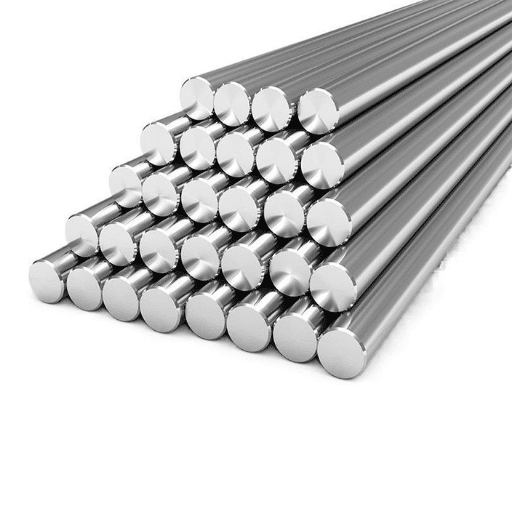
The oil and gas industry must address corrosion as its main challenge because it causes unending financial losses that total billions of dollars each year. Metal corrosion happens through electrochemical reactions which cause metals to corrode when they touch their surrounding environments. Oil and gas facilities experience their most severe operating conditions because their equipment faces water and salt and acids and high-temperature environments that cause faster equipment wear.
The industry experiences its main corrosion problem because carbon dioxide (CO₂) and hydrogen sulfide (H₂S) create two internal corrosion types which researchers call sweet and sour corrosion. Research shows that CO₂ corrosion causes metal wall thinning at extreme conditions because the process reaches thinning rates which exceed 20 mm per year. The pipelines and storage tanks and offshore structures face high danger because they experience constant contact with both corrosive substances and fluctuations in environmental conditions.
$2.5T
Estimated global annual cost of corrosion across all industries
$1.4B
Annual corrosion cost to the U.S. oil & gas industry alone (NACE)
90%
Effectiveness of new polymeric coatings in reducing corrosion damage
The industry uses multiple mitigation techniques which include corrosion-resistant alloys and protective coatings and chemical inhibitors to fight against corrosion. The industry now uses drones and smart sensors for both regular inspections and monitoring operations which help them identify initial corrosion signs to avoid equipment breakdowns. The industry will reduce its corrosion expenses through modern corrosion management methods and technological progress which will establish both sustainable and efficient operational procedures.
Environmental Factors Contributing to Corrosion
The process of corrosion develops through various environmental conditions which create conditions that enable materials to deteriorate. The identification of corrosion factors lets organizations protect their assets while extending their operational lifespan. Below are five significant environmental factors that contribute to corrosion:
The resolution of environmental factors requires organizations to implement better material selection approaches together with protective coating solutions and sustainable operational design methods.
Impact of Corrosion on Infrastructure
Corrosion presents an extreme threat which leads to financial losses and safety hazards for communities worldwide because it damages essential infrastructure systems. The National Association of Corrosion Engineers (NACE) 2022 report estimates that global corrosion costs reach approximately $2.5 trillion each year which constitutes about 3–4% of worldwide GDP. The financial burden results from direct expenses for repairs and maintenance together with indirect losses which occur when productivity decreases or accidents happen because of system failures.
Corrosion affects key infrastructure components which include transportation networks and pipeline systems and bridge structures and water treatment plants. The United States spends billions annually on bridge corrosion which requires ongoing inspections and repairs and protective measures such as anti-corrosive paint applications. The transportation pipelines which deliver oil and gas and water face a major danger because their materials break down, causing leaks and catastrophic failures, with corrosion responsible for more than 30% of all pipeline breakdowns.
⚠️ Historical Warning: Corrosion can destroy essential system components which results in dangerous safety situations. The Silver Bridge collapse in 1967 demonstrates through its historical case that active corrosion control needs to work together with continuous corrosion monitoring.
The effective implementation of mitigation strategies needs to utilize corrosion-resistant materials together with cathodic protection systems and modern coating technologies. The development of new corrosion sensors together with predictive maintenance analytics tools helps decrease corrosion damage to infrastructure systems while maintaining their operational life and reliability. These technologies together with sustainable design practices promise to decrease global corrosion rates.
Case Studies on Corrosion Failures
The following real-world incidents underscore the catastrophic consequences of corrosion-related failures across critical infrastructure:
Key Types of Corrosion-Resistant Alloys
Corrosion-resistant alloys (CRAs) are materials specifically developed to endure environmental and chemical degradation through their lifespan. The alloys serve essential support to industries including petrochemical and marine and aerospace and energy which depend on materials that maintain their strength during the entire operational period. Below you will find the main categories of CRAs together with their specific characteristics:
✅ Benefits of Corrosion-Resistant Alloys
CRAs help decrease maintenance expenses while they extend equipment operational life and maintain operational safety in essential industries that require maximum material performance. The ongoing development of these alloys supports increasing sustainability objectives because they provide extended product lifetimes and better recycling capabilities which decrease industrial waste. Scientists use research and advanced metallurgical technology investments to create next-generation chromium-resistant alloys which Commonwealth-based development of the field.
Types of CRA Used in Oil & Gas
The oil and gas industry requires corrosion-resistant alloys because these materials maintain their mechanical properties under extreme temperature ranges and high pressure conditions and chemical exposure. The following list presents essential CRAs which are used in this industry along with their particular uses and distinct characteristics.
Type 1
Austenitic Stainless Steels
Austenitic stainless steels which include 316 and 317 grades serve as the preferred material because they provide complete protection against pitting and crevice corrosion. The alloys exhibit outstanding durability because their composition includes high chromium and nickel content which enables them to withstand carbon dioxide (CO₂) and hydrogen sulfide (H₂S) environments.
📍 Applications: Pipelines, valves, subsea equipment
Type 2
Duplex Stainless Steels
Duplex stainless steels which include 2205 and 2507 (super duplex) provide users with high strength and protection against chloride-induced stress corrosion cracking. Research studies show that duplex stainless steels achieve a service life of up to 20 years which results in major cost savings for maintenance work.
📍 Applications: Offshore platforms, heat exchangers, sour gas components
Type 3
Nickel-Based Alloys
Nickel-based CRAs like Alloy 625 and Alloy C-276 represent the most resilient materials which can withstand extreme aggressive environmental conditions. Reports indicate that upstream operations using nickel alloys can improve critical equipment performance by 30% because of their extended product life when compared to standard materials.
📍 Applications: Sour gas processing, highly acidic media extraction
Type 4
Martensitic Stainless Steels
The combination of mechanical strength and corrosion resistance makes 13Cr and other martensitic stainless steels suitable for usage in various applications. The cost-effective nature of these materials makes them suitable for use in less extreme operational situations.
📍 Applications: Drilling tools, tubing, casing
Type 5
High-Performance Alloys
Superalloys which contain molybdenum and titanium and cobalt components are created to withstand extreme operational conditions. The materials function in high-pressure and high-temperature (HPHT) wells because traditional alloys do not perform effectively in those conditions. Alloy 718 stands out for its ability to withstand temperatures above 1200°F while suffering minimal material degradation.
📍 Applications: HPHT wells, deep-sea environments
📈 CRA Usage Trends
Market analysis shows that global demand for CRAs in the oil and gas industry will achieve a compound annual growth rate of 6.5% between 2023 and 2030. The expansion stems from rising offshore exploration activities and the requirement for dependable materials used in deepwater and ultra-deepwater projects. Sustainability initiatives which companies are now implementing lead to the development of CRAs that have reduced carbon emissions and enhanced recycling systems.
Comparison Between OCTG and Other Alloys
The assessment of Oil Country Tubular Goods (OCTG) requires a comparison with other commonly utilized alloys in the oil and gas sector by evaluating their unique characteristics and intended uses and their behavior during challenging operational conditions. The following section provides a complete comparison of OCTG with five different alloys which the industry uses as standard materials.
| Alloy | Key Properties | Applications | Comparison to OCTG |
|---|---|---|---|
| 13Cr Stainless Steel | Excellent resistance to corrosion in CO₂ environments; moderate strength | Environments with low levels of H₂S | Better resistance against CO₂ than standard OCTG; CRA variants outperform in sour (H₂S) environments |
| Duplex SS (2205) | High strength, outstanding resistance against chloride stress corrosion cracking and pitting | Subsea pipelines, risers in elevated-chloride environments | Surpasses standard OCTG in chlorine-saturated environments; higher installation and welding costs |
| Nickel-Based (Alloy 625) | Excellent protection in high-temperature and high-pressure sour gas environments | Extreme deepwater drilling; sour gas extraction | Best for extreme environments; OCTG’s specialized CRAs offer more economical options for milder conditions |
| Low-Alloy Steels (AISI 4140) | Strong resistance to wear; lacks corrosion protection | Drilling tools, structural elements in non-corrosive spaces | Lower operational expenses in non-corrosive environments compared to CRA-OCTG |
| Super Duplex SS (2507) | Outstanding strength; guards against seawater corrosion and chloride stress corrosion cracking | Offshore platforms; subsea installations | Outstanding strength and corrosion resistance; high expense restricts application to CRA-based OCTG operations |
Industry professionals can identify appropriate materials for their projects by studying how these alloys differ from OCTG because they need to meet specific project requirements that include performance, cost, and environmental needs.
Properties of Common CRA Materials
Corrosion-resistant alloys (CRAs) are engineered to protect their structural integrity during contact with extreme environmental conditions which include high-temperature environments and chemical exposure and corrosive substances. The following section presents the properties and specifications of several widely used CRAs.
Summary Table of Key Properties
| Material | Tensile Strength (MPa) | Main Application | Corrosion Resistance |
|---|---|---|---|
| 316L Stainless Steel | 485 | Chemical processing, Pharma | Moderate resistance, suitable for low chloride environments |
| Duplex Stainless Steel | 620–850 | Marine, Oil & Gas | Superior resistance to chloride-induced and stress corrosion cracking |
| Nickel-Based Alloys | 827–1035 | Offshore, Aerospace | Outstanding in harsh acidic and high-temperature environments |
| Incoloy® Alloys | 550–650 | Sour gas, Heat exchangers | Resistance to reducing and oxidizing acids, pitting, and stress corrosion cracking |
| Hastelloy® Alloys | 690 | Chemical, Pollution Control | Exceptional against oxidizing/reducing agents, acidic and seawater conditions |
| Super Austenitic (904L) | 490 | Chemical, Seawater handling | Highly resistant to aggressive chemical environments and chloride-induced corrosion |
The table together with its breakdown shows which CRAs match the requirements of engineers and industrial professionals based on their environmental and mechanical and cost assessment needs. Niche applications require experts to consult suppliers while they need to obtain complete material specifications.
Selection Criteria for Corrosion-Resistant Alloys

The selection process for Corrosion-Resistant Alloys (CRAs) requires assessment of essential criteria which determine their effectiveness under particular environmental and operational conditions. The assessment needs to find a solution which satisfies all three needs: technical requirements and environmental requirements and economic requirements. The following key factors should guide material selection:
1. Chemical Compatibility
All chemical environments require complete understanding. Different CRAs demonstrate varying resistance to acids, alkalis, chlorides, and other aggressive substances. For instance, nickel-based alloys (e.g., Alloy 625, C-276) provide superior resistance in environments with high acidity or oxidizing agents. Stainless steels (e.g., 316L) are effective in less aggressive but chloride-containing settings.
Data Example: According to research, Alloy C-276 maintains excellent stability in solutions containing over 20% hydrochloric acid at temperatures up to 80°C.
2. Temperature Range
Material selection depends on operating temperature because heat accelerates corrosion processes which include pitting and stress corrosion cracking. High-temperature CRAs like INCONEL® alloys maintain their strength properties while preventing scaling at extremely high temperatures. Duplex stainless steels experience a loss of toughness when exposed to cryogenic conditions.
3. Mechanical Properties
The alloy mechanical performance testing requires assessment under high-pressure operational conditions and structural integrity testing requirements. The operational requirements need to match yield strength and ductility and fatigue resistance. Super duplex stainless steels offer a high strength-to-weight ratio which enables equipment manufacturers to create lighter products while they save money through reduced material requirements.
4. Corrosion Resistance (PREN)
The testing of particular corrosion types needs to use actual environmental conditions which match the specific conditions that will be present in the practical application. PREN (Pitting Resistance Equivalent Number) helps assess an alloy’s ability to resist localized corrosion which occurs in chloride-rich environments.
Duplex 2205 — PREN ≈ 35
Super Duplex 2507 — PREN >40
5. Cost Considerations
Organizations must find the right balance between their performance requirements and their existing budget limitations. Duplex stainless steels provide an effective balance between strong corrosion resistance and cost savings which make them more affordable than nickel-based alloys.
6. Industry-Specific Standards and Certifications
International standards compliance requires projects to select materials according to ASTM and ISO and NACE specifications which show materials satisfy safety and performance standards set by regulations. NACE MR0175/ISO 15156 standards guide material selection for oil and gas applications where sulfide stress corrosion cracking is a concern.
Summary Table of Common CRAs
| Alloy Type | Notable Attributes | Typical Applications |
|---|---|---|
| 316L Stainless Steel | Moderate chloride resistance, cost-effective | Food processing, marine environments |
| Duplex 2205 | High strength, improved pitting resistance | Oil and gas, chemical processing |
| Super Duplex 2507 | Exceptional chloride resistance, high tensile strength | Offshore platforms, desalination plants |
| Nickel Alloy 625 | Excellent for high temperature and corrosive conditions | Aerospace, power generation |
| Alloy C-276 | Extreme chemical resistance | Harsh chemical processing, industrial reactors |
Engineers and designers use the systematic assessment of these criteria to find the best CRA solution which will extend equipment service life and decrease expensive equipment breakdowns. The combination of material knowledge with operational information is necessary for achieving performance and cost-effective results.
Factors Influencing Alloy Selection
The process of selecting a corrosion-resistant alloy (CRA) requires assessment of multiple essential factors. The operational environment of an alloy determines its performance and cost efficiency and service lifespan. The following five elements represent essential criteria for choosing suitable alloys.
🧪 Corrosive Environment
The alloy’s resistance capacity depends on the combined effects of corrosive agents which include acids and chlorides and oxidizing compounds. The chemical environment of Alloy C-276 demonstrates its capacity to resist aggressive chemical environments.
🌡️ Operating Temperature
High temperatures cause alloy materials to experience major alterations in their corrosion resistance and mechanical characteristics. The aerospace and power generation industries utilize Alloy 625 because it preserves its mechanical strength and stability throughout high-temperature operation.
⚙️ Mechanical Properties
The strength and ductility and toughness of an alloy determine which applications it can be used for. Superalloys such as Alloy 718 are suitable for components that must withstand extreme conditions while delivering high mechanical performance.
💰 Economic Considerations
Cost-effectiveness stands as a fundamental evaluation element. The initial expenses for premium-grade CRAs will prove more economical to companies because these materials enhance equipment durability and decrease repair requirements.
🔩 Weldability & Fabrication
Alloy properties must remain intact during the process of fabricating and welding to achieve the desired shape or structure. The industrial sector uses Alloy 904L because it offers both high formability and welding capabilities for challenging industrial applications.
Performance Metrics for CRA
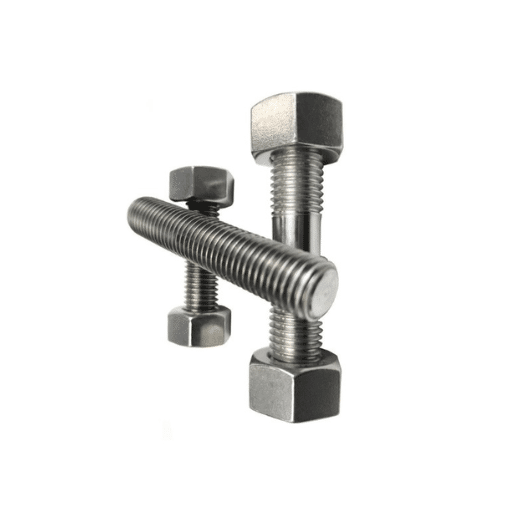
The advanced capabilities of Corrosion-Resistant Alloys (CRAs) enable them to function effectively in conditions where traditional materials fail due to chemical, thermal, and mechanical breakdowns. Industrial applications require CRAs to meet essential performance standards which guarantee their operational lifespan and performance efficiency and budget suitability. The main performance indicators function as vital measurements which determine their value to industry applications.
Example Data From Industry Applications
- 📉
The oil and gas industry reports that duplex stainless steel usage in subsea pipelines has decreased failure rates by 30 percent when compared to traditional carbon steel.
- 🏭
The chemical processing industry reports that Alloy C-276 can operate continuously for more than 10 years in acidic conditions without major material degradation.
- 🔬
Research shows that CRAs such as Alloy 904L achieve double the operational life of standard stainless steel when used in seawater contact applications.
The analysis of these metrics enables engineers to select the most suitable CRA for their operational demands which leads to enhanced performance and decreased expenses over time.
Frequently Asked Questions (FAQ)
References
- 📖
Nickel Institute
Corrosion Resistant Alloys in the Oil and Gas Industry – Selection Guidelines Update. A highly authoritative source providing detailed guidelines on CRA selection for oil and gas environments.
- 📖
Office of Scientific and Technical Information (OSTI)
Guidelines for the Selection of Corrosion Resistant Alloys. A government-backed resource offering comprehensive insights into CRA suitability and environmental considerations.