


Blog
Inconel 718: Properties, Applications, and Heat Treatment

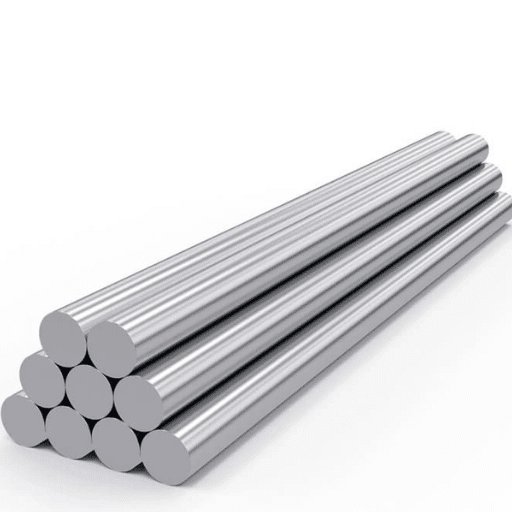
Developed for superior performance in severe conditions, Inconel 718 is a strong, heat-resistant, and the nickel-chromium alloy that is very important in many industry sectors. It is very popular because of its properties that let it lose little energy by virtue of high temperature and stress resistance, thus it is the most preferred material in the area where heavy applications are addicted. But what is the distinctive feature of Inconel 718 that makes it so special and how do various industries take its unique attributes? This article takes you through the captivating journey of Inconel 718, looking into its prominent properties, varied uses, and the specific heat treatments that uplift its performance. If you are an exchange engineer or merely a person interested in high-tech alloys, then this guide will provide you with the necessary information on how this alloy has changed the game.
Introduction to Inconel 718
Inconel 718 is an exceptional material made of nickel-based alloy which exhibits an unbeatable resistance to corrosion and has high tensile strength that makes it suitable for intense conditions. Among its extraordinary characteristics are the strong oxidizing and corrosive action against it, especially in the case of high-temperature applications, and the great mechanical strength and durability. The most distinguishing feature, however, is the range of temperatures where these great qualities are maintained; the range is from cryogenic levels up to around 1300°F (704°C). In addition, the alloy is very adaptable, thus being the most favored material for the industries of aerospace, energy, and chemical processing. The rare alloys and the special treatments applied to the metal make it able to provide reliability under very high pressures and thermal stresses which further secures its position as the material for the most demanding applications.
What is Inconel 718?
Inconel 718 is a nickel-chromium alloy that has high strength and is also corrosion-resistant. It is designed to endure high temperatures and pressures and, therefore, is often used in aerospace, energy, and industrial applications because of its outstanding durability and flexibility.
Significance of Alloy 718 in Modern Engineering
Due to its mechanical properties and resistance to extreme conditions, Alloy 718 is a fundamental material in today’s engineering. Its characteristics enable it to be a necessity in a variety of industries. Here are the five most important reasons for Alloy 718’s significance:
- High-Temperature Resistance
Alloy 718 can cut off its mechanical strength at the temperature of 1300°F (704°C), thus making it a perfect material for high-temperature environments like jet engines and gas turbines, etc.
- Exceptional Corrosion Resistance
Its remarkable resistance to oxidation, pitting and crevice corrosion ensures the alloy’s longevity and reliability, particularly in environments that are exposed to chemicals or seawater.
- Superior Fatigue and Creep Resistance
This alloy has an ability to endure high stress for a long time and very gradual shifting of the load, which is vital for parts like turbine blades and nuclear reactors where high performance in extreme conditions is required.
- Ease of Fabrication
Alloy 718 is not only strong but also can be easily fabricated. The alloy is suitable for welding and machining which lowers the production cost and eases the manufacturing processes.
- Versatility in Applications
Alloy applications range from aerospace components to oil and gas exploration equipment and even medical devices. Its flexibility has made it a popular material in various sectors of the engineering industry.
The above-mentioned features reveal that Alloy 718 has a great potential to help modern engineering to achieve more.
Overview of Properties and Applications
Alloy 718, a nickel-chromium superalloy, is known for its superpower and indispensable functionality in many fields due to its great coexistence of properties. To be specific, the superalloy has remarkable high-temperature strength, corrosion, and oxidation resistance, which make it very useful in demanding environments.
Key Properties
- High-Temperature Strength
The mechanical strength of Alloy 718 can withstand temperatures up to 1300°F (704°C). This feature is of utmost importance for usages in jet engines, gas turbines, and other heat-intensive machinery.
- Corrosion and Oxidation Resistance
The superalloy is extremely resistant to oxidation and rust, even in severely adverse conditions. For example, it shows outstandingly strong resistance to stress corrosion cracking in chloride environments, which is essential in the marine and chemical industries.
- Excellent Weldability
Unlike most other nickel alloys, Alloy 718 has great weldability owing to its slower precipitation hardening reaction. Thus, it becomes the perfect fit for intricate parts that need accurate welding without loss of the properties of the alloy.
- Fatigue and Creep Resistance
Alloy 718 has developed very good resistance to fatigue and creep so that it can last longer in high-stress areas like aerospace and power where less durability is needed.
Applications
- Aerospace Engineering
Alloy 718 is used not only in turbine blades but also in jet engine parts and rocket motors because of its reliability and performance that are necessary for high-altitude and high-speed environments. Recent research states that up to 50% of jet engine materials consist of nickel-based superalloys like Alloy 718.
- Energy Industry
The superalloy is extensively applied in gas turbines and geothermal wells where its resistance to high-heat and oxidative degradation is very important for the processes.
- Oil and Gas Exploration
The distinctive trait of Alloy 718 to resist stress and sulfide cracking makes it perfect or the drilling tools, valves, and well-head components.
- Medical Devices
Surgeries and other medical procedures make use of surgical instruments made of Alloy 718 and other economy devices that possess high strength and bio-compatibility.
- Statistical Insights
Market Watch: New research states that 35-40% of the total demand for Alloy 718 comes from the aerospace industry.
The superalloy market to which Alloy 718 also belongs is expected to increase at an annual rate of 7.2% from 2023 to 2030 due to enhanced power generation and aerospace technology developments.
These outstanding attributes and the several applications together prove why Alloy 718 is still a fundamental material in demanding industries that place great premium on reliability, durability, and performance in extreme conditions.
Unique Properties of Inconel 718
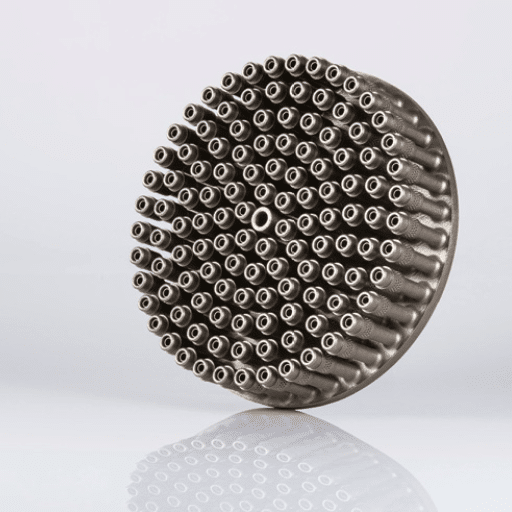
Inconel 718, which is a nickel-based superalloy, is considered to be the best of the best when it comes to mechanical properties, corrosion resistance, and thermal stability thereby making it the most suitable material for a variety of industrial applications. Some of the characteristics are given below in detail:
- High Strength and Durability
Alloy 718 demonstrates superior tensile, creep and rupture strength at high temperatures up to 1300°F (704°C). The material does not lose its strength even when put under very harsh conditions which is why it is widely used for parts in the aerospace and gas turbine sectors such as turbine blades, compressor discs, and casings.
- Corrosion and Oxidation Resistance
This superalloy can resist oxidation and corrosion very well in many different environments including the toughest chemicals and the sea. It can particularly stand up to pitting, crevice, and stress corrosion cracking, which are the main factors that limit the use of the alloy in critical applications.
- Thermal Stability
A prominent characteristic of Alloy 718 is its total thermal tolerance from cryogenic to around 1300°F (704° C), which is basically the entire range of thermal processing. Its thermal stability is a guarantee for both structural integrity and performance in extreme operating environments.
- Ease of Fabrication
Inconel 718 is often referred to as a superalloy that can be aged thus its fabrication is not that tough. Welding, machining, and forming can be done with relative ease which has made it even more suitable for complex engineering designs.
- Low Creep Resistance
The alloy presents low creep strain rates which indicates that it can be used for a long time in applications where high temperatures and maximum loads are the operating conditions like in jet engines and power plants.
- Broad Market Usage and Sustainability
The latest statistics reveal that the global market for Alloy 718 is gradually growing. It is even stated that it constitutes about half of the superalloys being used in today’s aircraft engines. Furthermore, the fact that it can be recycled adds to its sustainability which is compatible with eco-conscious manufacturing processes.
Finally, these exceptional characteristics and continuous technological innovations explain why Alloy 718 is the material of choice for the aerospace, energy, and industrial manufacturing sectors.
Mechanical Properties of Inconel 718
The mechanical characteristics of Inconel 718 are the main reason of its extensive application in the areas requiring high performance such as aerospace and power generation. The superalloy has the following five types of major mechanical properties:
1. High Tensile Strength
Ultimate tensile strength (UTS): About 1,250 MPa (181 ksi)
Yield strength (0.2% offset): Approximately 1,034 MPa (150 ksi)
2. Exceptional Creep Resistance
Maintains its structural integrity/high resistance at high stress/temperature so it can be used for long-term applications.
3. Impressive Fatigue Life
Ability to endure repeated loading for a long time thus reliability of components like turbine blades and aircraft engines.
4. Superior Corrosion Resistance
Oxidation and degradation resistance to high temperatures and strong chemicals in the environment such as acids, seawater, and oxidizing agents.
5. Wide Operating Temperature Range
Mechanical properties are preserved from cryogenic temperatures to around 1,300°F (704°C), which makes it adaptable to various applications.
These properties are the reason why Inconel 718 continues to be a predominant material in the demanding industries that need durability, strength, and resistance to extreme conditions.
Corrosion Resistance and Oxidation Resistance
Inconel 718 is preferred for its outstanding oxidation and corrosion resistance under very harsh treatment. Following are the five major factors under which it was able to perform well in these areas:
- Resistance to Pitting and Crevice Corrosion
Inconel 718 is very effective against the localized corrosion, for instance, pitting and crevice corrosion, which are usually seen in environments with heavy concentrations of chlorides like seawater.
- Oxidation Resistance at High Temperatures
The alloy gets protected by a stable oxide layer formed over it in the case of very high temperature, which lasts for a long time up to about 1,300°F (704°C) before the alloy gets charred.
- Superior Resistance in Acidic Environments
It remains intact and rust-resistant even in places where sulfuric, nitric, and hydrochloric acids are present, thus its chemical processing applications are justified.
- Hydrogen Sulfide Resistance
The alloy acts like a wall against the sour gas atmosphere, giving protection from hydrogen sulfide corrosion, a prerequisite in the oil and gas industry.
- Stress Corrosion Cracking Resistance
Inconel 718 shows an exceptional resistance to stress corrosion cracking due to its good metallurgical structure, especially in cases of high-pressure or high-temperature conditions.
All these factors make sure that this material has a reliable performance in extremely corrosive and oxidizing conditions, and it is indeed the only one in such industries as aerospace, marine, and chemical processing.
Microstructure and Its Impact on Performance
The microstructure of Inconel 718 is an important factor in determining its mechanical properties and performance in extreme applications. The complex microstructure of this nickel-based superalloy is one of its main features allowing such great properties. Below are the five most important points regarding the microstructure of Inconel 718 and their connection to its performance:
- Gamma Prime (γ’) and Gamma Double Prime (γ”) Precipitation
These two main strengthening phases are primarily responsible for the alloy’s remarkable high-temperature strength. Heat treatment allows for the formation of the γ’ (Ni3(Al,Ti)) and γ” (Ni3Nb) phases, giving the material great resistance to creep and high tensile strength.
- Matrix Phase (Austenitic FCC Structure)
The alloy’s main matrix is made of an austenitic face-centered cubic (FCC) structure, which results in the good ductility, toughness, and thermal fatigue resistance.
- Carbides and Their Role
The carbide formation such as MC and M23C6 at the boundaries of grains not only strengthens the grain structure of the alloy but also makes it more resistant to creep at high temperatures. These carbides enhance the stability of the material and also disallow grain boundary sliding.
- Delta Phase (δ Phase)
The delta phase (Ni3Nb), which is normally positioned at grain boundaries, uncovers the alloy’s weldability and hampers grain growth. This is especially true for fabrication processes such as welding and thermal treatments that are done to the material.
- Grain Size and Morphology
A controlled grain size achieved through specific processing methods has a direct effect on the mechanical properties of the alloy. Finer grains result in greater overall strength, fatigue resistance, and thermal conductivity, while coarser grains can render creep performance better under some conditions.
It is by the knowledge and control of the mentioned microstructure elements that engineers are able to adjust Inconel 718’s properties to the requirements of different high-performance applications.
Applications of Inconel 718
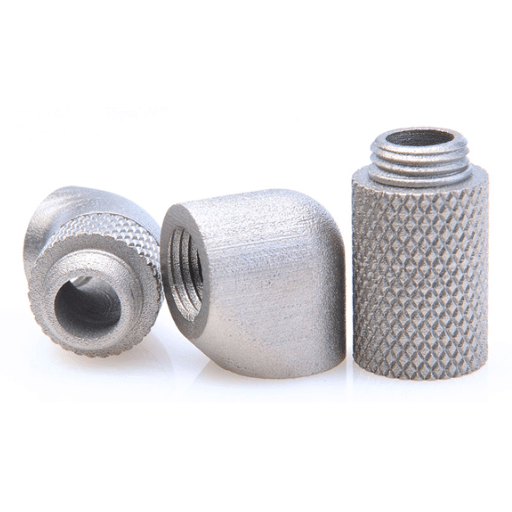
- Aerospace Components
Inconel 718 is a precursor material in the aerospace sector for its exceptional strength, resistance to rust, and great performance in extreme heat and cold. It is one of the most common materials for making parts for jet engines, such as turbine blades, exhaust ducts, and casings. Its capability to endure temperatures of up to 1300°F guarantees that it will be reliable in the most demanding situations.
- Gas Turbines
The alloy is one of the main materials used in gas turbines for power production and aircraft propulsion since it can withstand such high temperatures and has such good mechanical properties. The turbine rotors, seals, and bolts are some of the components that benefit from the durability of the material and its outstanding mechanical properties.
- Oil and Gas Industry
Incorni is again the hero here as it further aids extraction even from regions that had been previously thought of as unfit for oil. It is an excellent heat and corrosion resistant material and thus its application in the oil and gas industry is pervasive. The downhole equipment, wellhead components, and valves get to be protected even from high pressures and corrosive substances when Inconel 718 is used to manufacture them.
- Power Generation
Inconel 718 is one of the key materials used in a modern MWe nuclear power plant. It is used in most of its high-stress components like steam turbine blades and bolts in nuclear reactors. Already its high-temperature operating capability and radiation-resistance properties make it ideal for such critical applications.
- Automotive Industry
The alloy finds more and more applications in the performance automotive systems, for example, turbocharger rotors and exhausts, because of its heat resistance and strength. Thus, it becomes dependable performance in high-end vehicles, especially in racing situations.
The industries that use these versatile applications keep on depending upon the superior performance of Inconel 718 in difficult and high-stress environments.
Aerospace Industry Applications
The use of Inconel 718 with its phenomenal qualities in the aerospace field is a must if the industry wants to comply with their very high operational standards. One of the superalloy’s most important features is the ability to withstand extreme temperature fluctuations and This can be met through different aerospace parts. Below are the five main areas of application where Inconel 718 is being used in the aerospace:
- Turbine Blades and Discs
Inconel 718 with its superior high-temperature strength has become the leading material for the production of turbine blades and discs in jet engines. These parts encounter scorching heat and great mechanical stress during their operation, but Inconel’s toughness guarantees a long life for them.
- Rocket Engine Components
The superalloy is found in the manufacture of rocket engine parts like combustion chambers, nozzles, and ducts. Its property of withstand the tremendous pressures and heat produced during rocket launching makes it sure that the machine can be trusted for the space missions.
- Fasteners
Inconel 718 made aerospace fasteners are characterized by excellent corrosion resistance and strength. These fasteners are very much needed to hold the parts together in those places where the aircraft has been subjected to abrupt changes in the environment.
- Cryogenic Tanks and Systems
Its performance at cryogenic temperatures makes the alloy suitable for the fabrication of cryogenic tanks and fuel system components for space vehicles and satellites.
- Aircraft Engine Cases
The strength and fatigue resistance of Inconel 718 make it a preferred choice for engine cases, especially in commercial and military aircraft. The cases serve a dual purpose of providing protection to the internal parts and at the same time enhancing the engine’s overall efficiency.
When these applications are combined we see clearly why Inconel 718 is such an important material in bringing about innovations in aerospace industry and where safety, efficiency, and reliability in flight operations are concerned.
Automotive Sector Usage
The use of Inconel 718 properties in the automotive industry is a primary factor that drives the use of various components and the industry to develop new technologies through research. Inconel 718 is able to resist high temperatures, is highly resistant to corrosion, and retains its strength under the most demanding conditions, making it invaluable for critical applications. A list of the major uses of Inconel 718 in the automotive industry is provided below:
- Turbocharger Components
Inconel 718’s ability to resist heat and oxidation makes it the perfect choice for the manufacture of turbocharger rotors and housings, which will operate successfully for a long time under very high temperatures.
- Exhaust Systems
This material is used for the production of exhaust manifolds and high-performance exhaust systems. It can withstand high temperatures and corrosive gases which makes it an efficient and durable material.
- Fuel System Components
Inconel 718’s proprietary corrosion resistance makes safe handling of aggressive fuels possible; hence, the material is used in the production of fuel injectors and other critical components in fuel systems.
- Engine Valves
Valves for both intake and exhaust can be made out of Inconel 718 since it can withstand high-pressure and high-temperature environments contributing to the engine longevity and reliability.
- Safety-Critical Fasteners
The strength and reliability of this alloy are ideal for bolts, nuts, and other fasteners used in critical automotive applications, guaranteeing that under extreme conditions the assemblies retain their structural integrity.
These applications are a clear indication that Inconel 718 not only helps but also pushes the automotive industry to constantly innovate and provide excellent performance in the most testing conditions.
Energy Sector Applications
Inconel 718’s high-temperature strength, corrosion resistance, and durability make a very important material for the energy sector, and it is also considered to be the best alloy for the most extreme conditions of energy applications. Inconel 718 qualities are top-notch for 5 different forms of energy application in the energy industry:
- Gas Turbine Components
Playing an important role in the turbine blades, vanes, and seals, its mechanical properties at high temperatures are an added value for the reliability and performance of the whole system.
- Heat Exchangers
Used in extremely difficult heat exchangers of thermal power plants, because of its great ability to resist oxidation and corrosion over prolonged periods and at high temperatures.
- Nuclear Reactor Components
Placed in very critical reactor cores, control rod drive systems, and so on, owing to its high radiation and mechanical stability.
- Oil and Gas Drilling Equipment
In the form of drilling bits, wellhead parts, and downhole motors, its high-pressure and corrosive environment-resistance characteristics are combined to provide very long-lasting performance.
- Renewable Energy Systems
Such reliable systems as concentrated solar power and geothermal energy equipment are where Inconel 718 stainless steel is used because it is the best for high-temperature performance and long-term reliability.
The aforementioned applications are a clear indication of how Inconel 718 is an important factor in the energy sector advancements, facilitating technologies that are reliable and efficient accross the board.
Heat Treatment of Inconel 718
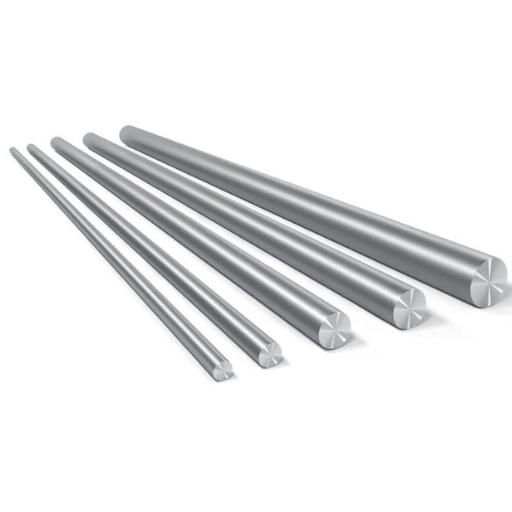
Heat treatment is, without a doubt, necessary for Inconel 718 to reach the level of performance and mechanical properties that is optimal to its use and it also gives the material the ability to be designed by means of specific applications. The whole heat treatment process consists of a multitude of controlled heating and cooling steps aimed at improving the strength, corrosion resistance, and stability of the microstructure of the alloy.
Main Steps in the Heat Treatment Process:
- Solution Annealing
The first step to the whole process is solution annealing where temperatures of between 1700°F and 1850°F (927°C and 1010°C) are used to heat the alloy up to.
The temperature range which is being used is hot enough to melt the segregated phases of the alloy including the gamma double prime (γ”) and delta (δ) phases in to the matrix.
Then the material is cooled down very fast, usually by water immersion that is called quenching, in order to trap the elements in the solution.
- Aging Treatment
The aging process is the treatment of the material that is the one aimed at the precipitation hardening, in which the strength and the creaking resistance of the alloy are increased.
- Aging is characterized by two stages:
In the first stage heating is done to about 1325°F ± 15°F (718°C ± 8°C) for 8 hours then slow cooling at 100°F/hour (56°C/hour) to 1150°F (620°C) is done.
In the second stage, the material is held at this temperature for another 8 hours before it is air-cooled to room temperature.
- Stress Relieving
A stress-relieving treatment may be applied to reduce residual stresses that are created during fabrication, and if the application requires it.
This usually includes heating the material to 1100°F to 1200°F (593°C to 649°C) and then letting it cool down slowly using air.
- Influences of Heat Treatment:
Strength is Improved.
The heat treatment brings forth the γ” and γ’ precipitation, which are the major factors of the alloy gaining high strength.
Hardness after proper aging treatment can be even 40–45 HRC, as per the research findings.
- Corrosion Resistance is Enhanced
Development and improvement of the microstructure are at the same time happening during the annealing and the minimizing of the presence of the harmful phases like Laves or the delta (δ) phase that can put the corrosion resistance at risk is also being done.
- Diversity in Applications
Inconel 718 that is heat-treated has mechanical properties that include a tensile strength of up to 1,250 MPa and yield strength of more than 1,030 MPa. These excellent properties let the material be even used in very high-stress environments like not only aerospace but also power plant applications.
Industrial Applications Considerations
- Very accurate control of time and temperature is extremely important for the right results to be achieved.
- Among the consequences of the heat treatment courses are the problems of excessive grain growth, phase instability, and the performance drop.
- Besides, the heat treatment schedule must match the application since the different industries may need different combinations of strength and toughness priorities.
Advanced heat treatment techniques ensure that the manufacturers will be the ones to unlock the full potential of this super alloy, Inconel 718, which can now operate even in the toughest conditions, and thus be very reliable and efficient.
Overview of the Heat Treatment Process
The heat treatment process for Inconel 718 is meticulously structured to maximize its mechanical characteristics including high strength, good toughness, and the ability to withstand high-temperature conditions. In general, the process is made up of solution annealing, cooling, and aging. Phase stability and desired microstructure are both maintained through precision during each stage.
- Solution Annealing: In this process, the alloy is heated to a very high temperature – usually between 1700°F (927°C) and 1850°F (1010°C) – to melt away the precipitate phases like δ-phase or the other elements which are not desirable. This way, the microstructure gets more uniform and the alloy’s mechanical performance goes up. It is the size of the part that determines how long it stays, but the time is very precisely controlled so that melting doesn’t start.
- Cooling: The alloy is then cooled very quickly after the annealing process by using either water quenching or air cooling, and this is to keep the microstructure that is desired. One of the major benefits of this cooling is that it prevents the undesirable phases from forming which would otherwise degrade the alloy’s properties.
- Aging: The aging treatment is such an important stage where the metal is heated again to relatively low temperatures, for the most part, about 1200°F (650°C) to 1400°F (760°C). Consequently, the γ” and γ’ phases which are the ones that give the material its strength and good resistance to heat and hardness are made to precipitate. Aging is usually done in a two-step process, which makes sure that the strengthening phases are distributed uniformly.
Data and Statistics from Recent Studies
- Recent studies in the field of metallurgy indicate that the combination of solution annealing at 1750°F (954°C) and water quenching will culminate in the best tensile strength, which can reach up to 1,250 MPa.
- Each double aging of 1325°F (718°C) for 8 hours and the subsequent heat treatment of 1150°F (621°C) for 8 hours results in peak hardness of 43-45 HRC.
- One of the advantages of research is that a rate of cooling more than 50°F/min during quenching is the maximum rate for preventing any TCP phase formation (topologically close-packed phases), thus the material can be used as designed.
- Computer simulations that are very sophisticated suggest that accurate and strict time-temperature regulation can lead to more than 20% improvement in the life resistance to low-cycle fatigue, thus making it a very important factor for aerospace applications.
The incorporation of the most recent discoveries together with the observance of meticulous heat treatment standards is one of the factors that manufacturers of parts made from Inconel 718 are increasingly enhancing the reliability and performance of the products.
Annealing Techniques for Alloy 718
Annealing is a very important step for the microstructural stability and mechanical properties of Alloy 718 to be improved. Below are five annealing techniques that are often used with Alloy 718, together with details and main parameters for the techniques:
Standard Solution Annealing
- Process: The alloy is heated to a temperature range of 980°C and 1010°C (1796°F and 1850°F), held for a pre-determined time, and finally cooled rapidly by air or water quenching.
- Purpose: Dissolves the detrimental phases such as δ-phase and redistributes the elements in the most favorable manner for mechanical stability.
- Applications: It is the method of choice in aerospace business for components that require very high fatigue resistance.
Sub-Solvus Annealing
- Process: Heating is done below the δ-solvus temperature roughly between 940°C and 970°C (1724°F and 1778°F), and cooling is then done under control.
- Purpose: The partial δ-phase is preserved thus strengthening the boundary of the grains and at the same time the grain size is reduced.
- Applications: It is the best choice for making the stress rupture properties of turbine disks better.
Partial Recrystallization Annealing
- Process: Controlled heating is done at the range of 900°C to 950°C (1652°F to 1742°F) to start doing recrystallization at selective areas of prior-deformed grains.
- Purpose: The ductility is improved and the residual stress from previous manufacturing operations is reduced.
- Applications: The process is used in the applications which require high-temperature creep resistance.
Stabilization Annealing
- Process: The process consists of holding the alloy at intermediate temperatures, usually from 730°C to 750°C (1346°F to 1382°F), after the major heat treatment steps.
- Purpose: The precipitation of stable γ’ and γ” phases is facilitated thus resulting in the increase of the mechanical strength.
- Applications: This is the method that often used to prolong the service life during cyclic thermal conditions.
Double Annealing
- Process: A double-step annealing method is employed, first the material is heated to about 980°C (1796°F) or higher, then cooled, and lastly the material is reheated to the sub-solution temperatures of 870°C to 950°C (1598°F to 1742°F).
- Purpose: Microstructural homogeneity is improved, internal stresses are reduced, and long-term thermal stability is increased.
- Applications: It is a common practice to use the method in producing jet engine and power generation components that are very demanding.
If one of these annealing techniques is selected and applied properly, the manufacturers would be able to control the microstructure and properties of Alloy 718 in accordance with the operational requirements, thus guaranteeing the alloy’s reliability in extreme environments.
Aging Process and Its Benefits
The aging process, which is also referred to as precipitation hardening, is the most essential step in Alloy 718 heat treatment, thus, it is necessary for the alloy’s quality, strength, and professed performance. The whole process consists of heating the material up to the particular temperature range at which the exceed, and so the precipitate phases, strengthen the alloy and increases its resistance to wearing out due to the heat and stress. Listed below are the five major advantages and results of the aging process:
- Enhanced Strength and Hardness: The main reason for the increase in the mechanical characteristics of Alloy 718 is aging which leads to the growth of γ’ and γ” (gamma prime and gamma double prime) precipitates. These two types of precipitates together strengthen the matrix and give extraordinary resistance to deformation under the applied stress.
- Improved Fatigue Resistance: Microstructure refining is one of the steps in the aging process that leads to the reduction of susceptibility to fatigue failures and guarantee prolonged performance under cyclic loading conditions.
- Superior Creep Resistance: The precipitates that appear in the course of aging grant the alloy with the property of being able to resist creep deformation and thereby retain its mechanical integrity at increased temperatures for a long time.
- Corrosion Resistance Stability: Aging not only has the effect of microstructure stabilization but also improves the alloy’s inherent resistance to oxidation and corrosion in aggressive environments, specially in the situations where extreme conditions are unavoidable.
- Optimized High-Temperature Performance: The process not only improves the thermal stability but also reduces the chance of thermal degradation, thus, making Alloy 718 a perfect candidate for use in high-temperature environments, such as aerospace engine parts and industrial turbines, where reliability is crucial.
Stringently controlling and monitoring the aging parameters will make sure that Alloy 718 can cope with the heavy demands of different industries and simultaneously provide strength and durability in challenging operating conditions.
Future Trends and Innovations in Inconel 718
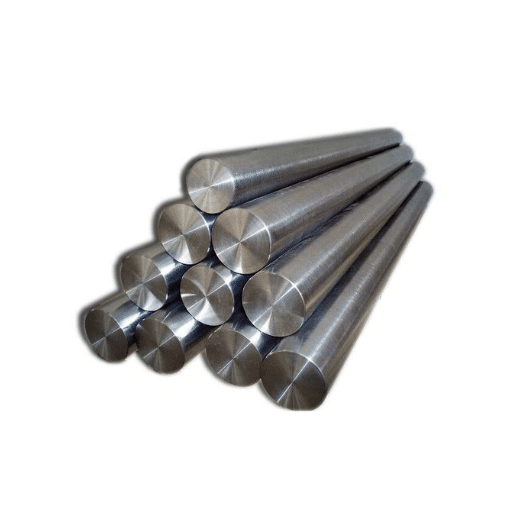
The ongoing development along with the use of Inconel 718 is profoundly influenced by the advances in the materials science domain and the demand for high-quality alloys in critical sectors which, among others, are the aerospace and medical industries. The taking on of additive manufacturing (AM) is a prime trend; AM is the name usually attributed to 3D printing which allows for the squeezing of material down and like in the creation of complex geometries and the consequently reduced waste. Moreover, a number of laboratories have also pointed out that among the most reliable and efficient AM techniques is selective laser melting (SLM) which could produce parts having almost the same mechanical properties as well as those being used in the classical processes. This indeed marks the way for the aerospace and medical sectors as the two major applications combining weight saving and accuracy hence the need for precision are critical.
Another very important point of innovation is in coating and surface modification technologies. The researchers are working on advanced coatings that can not only prevent the alloy from being oxidized but also make it impervious to corrosion and thus allow it to work in even harsher environments. The coatings also prolong the life of the parts, especially in the power and energy generation sectors where the equipment operates under severe conditions.
Moreover, computational material design is becoming more popular as it provides the means to make quicker and more accurate predictions of the alloy’s characteristics under different conditions. In fact, the use of machine learning and AI-based models is part of the overall effort to innovate and predict the aging process which is related to performance, hence supporting, streamlining, and increasing reliability.
Inconel 718’s future is being shaped by environmental considerations as well. Sustainability being of utmost importance, the recycling of superalloys is to be improved, thus, the environmental impact will be lessened without reducing the performance. As an example, recycling protocols for nickel and other major elements are getting more efficient so as to comply with the principles of the circular economy.
As per the market forecasts, by the year 2030, the worldwide demand for nickel-based alloys will grow at a CAGR of more than 4.5%, mainly due to their involvement in green technologies like hydrogen production and energy systems based on renewable sources. This ultimately points out the innovations in Inconel 718 that are capable of solving both industrial and environmental problems. There is a need for future cooperation and research across different sectors in order to completely utilize the alloy’s potential in new applications.
Emerging Technologies in Heat Treatment
The sectors are getting revolutionized with each passing day due to increased demand for better treatment of materials, conservation of energy, and eco-friendly ways of doing it. Induction heating system, which boasts of being the future technology, is the most widely and soonest to be followed method able to control heat and time accurately as well as faster than the usual method. The recent reports published by the industry mentioned that the global induction heating market is likely to reach more than $1.5 billion by the year 2028, which is equivalent to a CAGR (compound annual growth rate) of more than 6%. One of the main reasons for this explosion of numbers is the use of the technology in the automotive, aerospace, and medical industries.
Another major breakthrough is the gradual introduction of a heat treatment system that operates under vacuum conditions. Such systems create a controlled environment where oxidation and contamination are drastically minimized during the heating processes of annealing and brazing, for instance. Vacuum heat treatment has benefited from the improved quality of materials and the reduction of emissions, gaining popularity in the high-precision manufacturing sector for this reason.
Moreover, computer-assisted modeling and Artificial Intelligence (AI) are becoming more and more fundamental in the area of enhancing heat treatment operations. Predictive algorithms coupled with real-time monitoring technologies empower the production people to make fewer mistakes, use less electricity, and prolong the life of the equipment. As an illustration, when AI was taken contact of furnace predictive maintenance, the businesses informed about their cost being decreased up to 20%.
The uptick of these promising technologies is sure testimony to the heat treatment evolution that has been taking place gradually but silently thereby also making it more and eco-friendly and less costly all over the world.
Advancements in Alloy Development
In my view, the alloy development progress has been mainly focused on the triplet of strength, durability, and cost-efficiency. By introducing new materials and perfecting the metalworking methods, the production of alloys meeting the requirements of the most demanding uses and with less impact on nature has become possible. One of the examples is the production of high-performance superalloys for aerospace and medical applications, which have very good corrosion and high temperature resistance properties. These innovations are not only limited to the aerospace sector but also find their way into other sectors, thereby expanding the realm of what can be done.
Potential New Applications
- Aerospace Developments
Superalloys with exceptional properties are able to be applied in the production of jet engines and turbines that can stand the test of very high temperatures and very high pressures. The use of these materials is reported to result in a maximum of 15% increase in engine efficiency which in turn leads to less fuel consumption and lower emissions to the environment.
- Medical Implants and Devices
The field of medicine is greatly impacted by the introduction of superalloys that are compatible with the human body. These materials are believed to prolong the life of implants by more than 25% according to research, thus having a very positive impact on patient outcomes.
- Energy Sector Innovations
Power generation systems, such as wind turbines and nuclear reactors are utilizing superalloys. Their properties of high durability and heat resistance are making them very reliable and their operational lifespan is increasing thereby reducing the number of times maintenance is required by a minimum of 20%.
- Automotive Industry Advancements
Alloy components that are light in weight, however, strong are now being used in the electrification and hybridization of vehicles to improve their efficiency. Studies are indicating that the weight of up to 10% can be trimmed off directly playing a role in turning the energy-saving and extending battery life.
- Industrial Manufacturing Tools
The use of new and advanced alloys is flattering the performance of the industrial manufacturing tools and machines, etc. The new generation of these materials is capable of withstanding much higher wear and tear, thus, on average, operational productivity has been boosted 30% and also a significant reduction in the downtime of the operation caused by the failure of the equipment.
References
-
Special Metals Corporation
- Document: INCONEL® Alloy 718 Technical Bulletin
- This document provides detailed technical data on the composition, properties, and heat treatment of Inconel 718.
-
ScienceDirect
- Topic: Inconel 718 Overview
- Includes peer-reviewed articles and chapters discussing the properties, applications, and heat treatment of Inconel 718.
-
NeoNickel
- Article: Understanding Alloy 718: Composition, Properties, and Heat Treatment
- Offers a comprehensive guide for engineers and metallurgists on the behavior and processing of Alloy 718.
Frequently Asked Questions (FAQ)
What are the mechanical properties of Inconel 718?
Inconel 718 is a very robust alloy that is included in the high-strength category. It is able to withstand extreme temperatures and is still ductile while its fatigue resistance is also of a very high standard. That is why the tensile properties of the alloy at both room and high temperatures are very similar, and there is a multitude of applications that can benefit from it. The alloy’s tensile and yield strengths are quite impressive, which further leads to its usage in demanding environments.
How does heat treatment affect Inconel 718?
Heat treatment of Inconel 718, especially precipitation heat treatment, is one of the most influential factors in the improvement of by huge amounts the strength and hardness of the alloy. Heating the alloy to temperatures around 1150°F and then aging it are the activities that lead to the change in microstructure that gives the alloy its better tensile and creep-rupture properties. The alloy’s performance in high-temperature applications can be optimized only through proper heat treatment.
What are the corrosion resistance properties of Inconel 718?
Inconel 718 Resistance to oxidation and corrosion is a characteristic that signals the metal suitability for harsh environments. Being nickel-based, the alloy’s composition offers a protective layer against different corrosive agents, thereby ensuring its longevity and reliability in situations that need high corrosion resistance.
What applications require Inconel 718?
Inconel 718 is a widely used material in a large number of applications particularly the aerospace and gas turbine industries; however, the main areas of its application include turbine engines, aircraft components, and instrumentation parts, where its high strength and resistance to extreme temperatures and corrosive environments are of utmost importance.
Can Inconel 718 be welded?
Inconel 718 has good welding properties, and therefore, it can be welded using conventional means. Following the right procedures to prevent problems such as cracking or mechanical property loss during the welding process (especially due to high nickel content) is extremely important.
What is the significance of the alloy’s microstructure?
Microstructure is a very important factor when talking about the mechanical properties of Inconel 718. By heat treatments, the alloy may be modified in such a way that a very fine precipitate distribution occurs, which will strengthen and toughen the alloy. The control of microstructure is an important contributing factor to the performance of the alloy in high-stress and high-temperature applications.
What are the technical data specifications for Inconel 718?
The technical specification data for Inconel 718 includes the composition of the alloy, the physical and mechanical properties, and the processing instructions involving the heat treatments. Generally, the alloy contains a mixture of nickel, chromium, iron, and other elements playing a role in both strength and corrosion resistance. The standards such as AMS 5596 set the criteria for this alloy in various industrial uses.
What temperatures are critical for the heat treatment of Inconel 718?
For the heat treatment of Inconel 718, the critical temperatures are solution annealing at 1150°F and aging at 1200°F for a total aging time of 4-8 hours. These temperatures are necessary to get the mechanical properties one desires and also to assure the alloy’s applicability in the high-temperature environment.
What is the importance of oxidation resistance in Inconel 718?
Oxidation resistance is one of the major concerns in the case of Inconel 718 metal, especially applications that are exposed to both extreme temperatures and corrosive environments. The protective character of the alloy gets its source from the oxide layer that the alloy develops on its surface thus minimizing the degradation and prolonging the component’s service life. This is one more reason why the alloy is the material of choice for turbine engines and other high-performance applications.