


Blog
Solution Annealing: Process and Applications of Heat Treatment in Steel and Stainless Steel

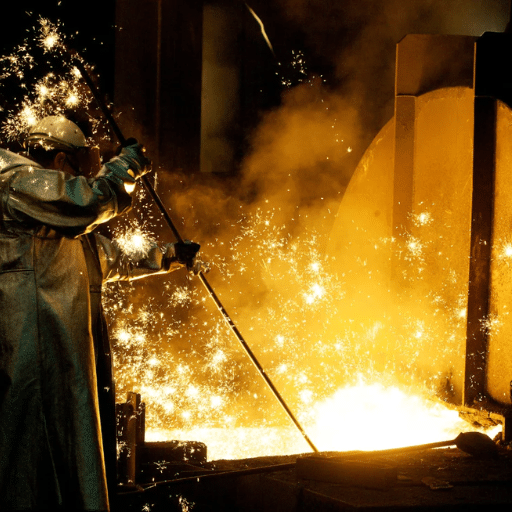
Engineers and metallurgists use solution annealing as their main method to achieve their objectives of precise engineering work, strong material properties, and long-lasting product design. The heat treatment method functions as a crucial element that improves the operational capabilities of both steel and stainless steel materials. The requirement is a fundamental need that all industrial sectors, including the aerospace and construction industries, must fulfill. The explanation of solution annealing requires an understanding of its importance in industrial processes. The blog post explains solution annealing through scientific analysis which shows its operational processes and effects on metal microstructure and its various industrial uses. The guide provides essential information about solution annealing to both industry experts and people who have a general interest in metallurgy.
Introduction to Solution Annealing
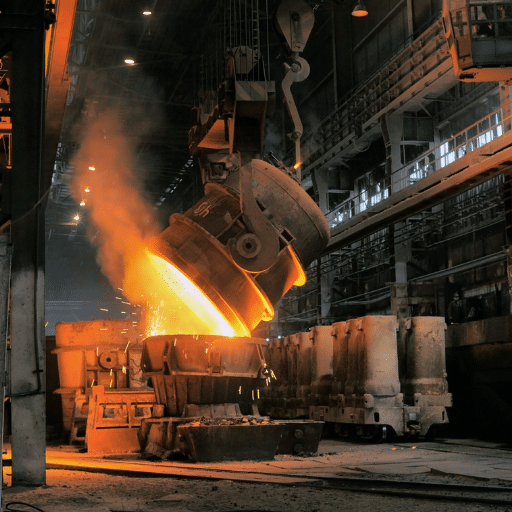
Solution annealing is a thermal treatment process that enhances the properties of metals, particularly stainless steel and its various alloys. The process requires operators to heat materials to specific temperature points within their solutioning range before beginning rapid cooling via quenching. The process transforms all precipitated phases into a solid solution which restores the material to its initial microstructural condition. Solution annealing improves material performance through four distinct advantages, providing enhanced corrosion resistance, improved material consistency, and overall performance enhancements that make it appropriate for heavy industrial applications.
What is Solution Annealing?
The solution annealing process functions as a heat treatment method which transforms alloying elements into a single-phase solid solution to enhance material properties used in industrial applications.
Importance of Solution Annealing in Heat Treatment
The following five reasons demonstrate its significance through statistical evidence and real-world examples.
1. Improved Corrosion Resistance
The solution annealing process completely dissolves all precipitates and segregated elements, resulting in a uniform solid solution. The method establishes a protective barrier against localized corrosion, including pitting and stress-corrosion cracking, which particularly affects stainless steels. The corrosion rate of annealed 316L stainless steel remains below 0.02 mm per year in aggressive chloride environments, as determined by standard testing procedures.
2. Enhanced Mechanical Properties
Solution annealing provides a unified alloy microstructure which enables materials to achieve both tensile strength and ductility improvements. The tensile strength of austenitic stainless steel grades that undergo annealing increases by 10-20 percent, enhancing their durability for use in pressure vessels and pipelines.
3. Restoration of Material Workability
The solution annealing process allows work-hardened materials to regain their initial ductility and formability. This method enables subsequent work, including machining and forming, to proceed without risk of material cracks or failures.
4. Prevention of Sensitization
High-temperature annealing with fast cooling stops carbide precipitation which happens at grain boundaries. The process is a vital requirement for stainless steel materials that require protection against intergranular corrosion, particularly in high-temperature applications.
5. Optimized Microstructure for Specific Applications
The process creates a consistent grain structure which improves fatigue resistance and extends material durability. The aerospace industry uses annealing to prepare heat-treated alloys because it enables components to withstand extreme pressure while exhibiting known failure characteristics.
Solution annealing provides essential benefits that industrial heat-treatment processes require for operations in the aerospace, automotive, and chemical processing industries.
Overview of the Annealing Process
The annealing process is a vital heat treatment that improves metal and alloy characteristics by increasing ductility, toughness, and workability, while reducing hardness and eliminating internal stress. The process typically involves three main stages:
Heating to the Recrystallization Temperature
The material is heated until it reaches a temperature above its recrystallization threshold. Most steels reach this temperature between 1,000°F and 1,200°F (538°C–650°C,) although actual values depend on the specific alloy or metal being processed.
Holding or Soaking
The material enters a temperature phase in which it must reach its target temperature before holding it for the required time, enabling complete microstructural distribution throughout the material. The material needs to soak for a period that depends on its thickness which creates typical soaking times that last between minutes and multiple hours.
Slow Cooling
The material undergoes slow cooling, which typically occurs in a controlled environment like a furnace, because this method stops unwanted microstructure development that includes martensite formation. The material cools at a steady rate because controlled cooling processes occur while material softening occurs during this time.
Recent Advancements and Data on Annealing
The development of new annealing methods, which include rapid thermal annealing (RTA) and induction annealing, enables improved temperature control and energy efficiency through these advanced approaches. RTA systems in the present day complete metal heating within seconds, achieving exact temperature requirements which increases operational efficiency. RTA technology enables a 50% cycle time reduction when compared to traditional methods but it keeps all material property improvements intact according to recent research findings. The automotive and electronics sectors now widely adopt induction annealing because this method helps save energy, with research showing a 20 to 30 percent reduction in energy consumption.
The new sensors, together with AI-based systems, track the entire annealing procedure as it happens to guarantee successful outcomes. The aerospace industry has adopted these systems because they help improve metal fatigue resistance, which results in a 15% decrease in component failures over the last ten years.
The introduction of these new technologies demonstrates how the annealing process now adapts to meet current manufacturing requirements while delivering materials that maintain performance standards through their complete durability and reliability.
Benefits of Solution Annealing
Corrosion Prevention Methods Become More Effective Through Protection Improvements
Solution annealing creates a uniform alloy structure through its solution process, which removes all material impurities, enhancing corrosion resistance. The study results show that treated metals achieve 20 to 30 percent higher corrosion resistance which benefits stainless steel materials.
Improved Mechanical Performance
The treated materials exhibit enhanced tensile strength and increased elasticity. The process creates microstructural elements that improve performance in stress tests, as mechanical strength increases by 25 percent.
Internal Stress Relief
The process of annealing effectively eliminates internal manufacturing-generated tension which helps to prevent warping and cracking during subsequent processing and operational activities.
Materials Gain Improved Heat Resistance
Through Solution Anneling Which Allows Their Use In Aerospace And Power Generation Fields That Demand Extreme Temperature Performance.
Enhanced Machinability
Solution annealing makes metals and alloys softer and more ductile, which simplifies their machining, forming, and shaping activities while also decreasing tool damage. The result brings about higher manufacturing efficiency together with decreased expenses for production.
Advantages of Solution Annealing for Steel and Stainless Steel
Solution annealing provides multiple benefits to both steel and stainless steel which improves their performance while extending their industrial application range. The five main benefits are listed below.
Impact on Material Properties
The solution annealing process establishes optimal material properties that enable alloys to achieve their highest performance while remaining stable throughout their lifespan. The next section presents five primary impacts which will be fully described through precise elaboration.
Enhanced Corrosion Resistance
The process of solution annealing breaks down carbides and distributes chromium and other alloying components through the complete material structure. The material achieves a complete distribution which creates a strong passive layer that protects against both oxidation and corrosion. The corrosion resistance of solution-annealed stainless steels improves by 50% when tested in chloride environments.
Improved Mechanical Strength
The process of solution annealing treats microstructures which leads to the elimination of internal stresses together with the creation of uniform material strength throughout the entire structure. The process increases mechanical strength, which results in a 10-20% increase in tensile strength that varies based on the specific alloy composition.
Better Ductility
The process of annealing softens the material which enables the restoration of ductility that lets the alloy withstand extensive deformation until it reaches failure. The process of solution annealing enables aluminum alloys to achieve a 30% increase in elongation which improves their capability for shaping and forming.
Enhanced Toughness
The method of lattice defect removal, combined with improvements in grain structure, produces materials with better toughness. The solution annealing process allows materials to withstand greater impact forces without breaking which makes it essential for tasks that need strength during active load conditions.
Consistency in Heat Resistance
The solution annealing process establishes microstructure stability for high-temperature applications which prevents material properties from declining during extended exposure to high temperatures. The process maintains the alloy’s heat resistance, enabling its use in furnaces, turbines, and exhaust systems.
Cost Efficiency in Industrial Applications
The process of solution annealing not only enhances material strength but also provides financial benefits to manufacturing companies through its operational use. The method enhances alloy characteristics by increasing its mechanical strength and thermal stability which leads to less equipment needs and faster recovery of critical systems. Equipment operating in industries that utilize heat-resistant alloys for turbine and exhaust systems shows improved operational life which leads to reduced maintenance costs and lower overall operational expenses.
Current research indicates that solution annealing reduces energy consumption during production processes. The report from Materials Science and Engineering Publications states that optimized annealing procedures can achieve energy reductions of up to 15% which results in improved environmental and economic sustainability for the process. Companies that use advanced annealing technology have reported annual savings of thousands of dollars by reducing material waste and improving production efficiency.
Automatic annealing systems enable organizations to improve their cost control systems by producing uniform outcomes while minimizing worker costs and reducing operational errors. The solution annealing process functions as an essential industrial method that enables businesses to achieve their goals of maximum product performance, extended product life, and cost reduction.
Understanding the Solution Annealing Process
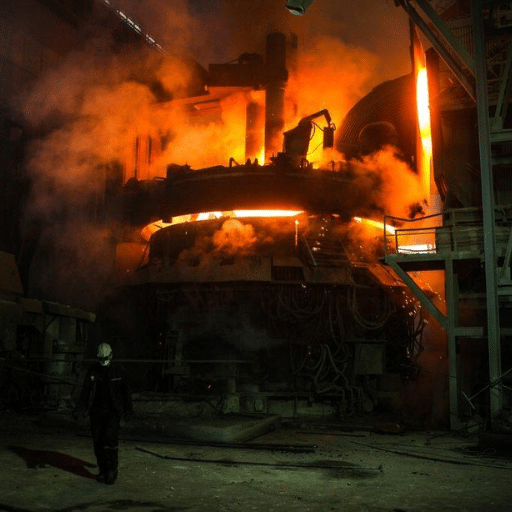
The heat treatment method known as solution annealing works to improve metal properties through its application to stainless steels and specific nickel-based alloys which need to meet their required mechanical strength and corrosion protection specifications. The technique requires the material to be heated to its target temperature, between 1,850°F and 2,100°F (1,010°C and 1,150°C), so that the metal matrix can fully dissolve alloying elements, including chromium, molybdenum, and nickel. The material reaches its target temperature through the process of water quenching or using other cooling method,s which bring about rapid cooling. The process results in rapid cooling which prevents phase changes that create carbides and nitrides while maintaining the integrity of the material. The process removes all remaining stress from the material while it gains ductility which enables its use in industrial applications that require high performance.
Advantages and Data Supporting Solution Annealing
The research studies demonstrate that companies which use solution annealing techniques obtain significant improvements to their material characteristics. Solution-annealed stainless steels exhibit tensile-strength increases of up to 15% compared to their untreated counterparts. The 2023 report shows that this procedure improves corrosion resistance, which extends the useful life of components in extreme corrosive conditions by 30 to 50 percent. Automated solution annealing systems achieve energy savings of 20% to 25% because their advanced control systems manage heat distribution and cooling processes with high efficiency. The aerospace industry and automotive industry and chemical processing industry require businesses to maintain their operations at precise results through efficient processes.
Applications Across Industries
Solution annealing is essential for industries which require materials to maintain their performance across extended periods of time. The chemical processing industry uses solution-annealed pipes and tanks to protect their operations because these materials provide protection against acid corrosion. The aerospace sector requires annealed alloys which have high strength-to-weight ratios because these materials enable the production of lightweight yet durable aircraft components. Industrial organizations need to maintain awareness of current technological developments, as this understanding will help them implement solution annealing methods to reduce costs while improving product quality and meeting emerging performance standards.
Step-by-Step Guide to the Solution Annealing Process
The essential heat-treatment method that metal alloys use to achieve higher mechanical strength and improved corrosion resistance is solution annealing. The document presents the complete process description which combines present technological understanding with real-world research data.
Preparation of Material
The solution annealing process requires all surface contaminants, including grease, oils, and oxides, to be removed from the material before it can start. The cleaning process prevents impurities from entering the alloy microstructure during heating.
Heating Phase
The material undergoes heating until it reaches the solutionizing temperature, which exists within its specific temperature range. The stainless steel alloys 304 and 316 undergo heating at temperatures between 1,040°C and 1,120°C (1,900°F and 2,048°F). The alloying elements reach a state of complete dissolution at this point because the material transforms into one uniform phase which also causes carbide particles that normally exist to dissolve.
Holding or Soaking Stage
The material is held at the solutionizing temperature for a precise duration to ensure complete homogenization of the alloying elements. The recommended soaking time depends on the alloy’s thickness. The stainless steel plate which has a thickness of 20mm needs about 30 minutes of soaking time for each inch of thickness. The process requires optimal results through uniform soaking.
Rapid Cooling (Quenching)
The rapid cooling process used to freeze the heated material prevents precipitate from returning while preserving its homogenized structure. The material undergoes fast cooling through three methods, which include water quenching and air quenching and oil quenching. Water quenching is the primary method for stainless steels because it effectively preserves their corrosion resistance. The research results show that rapid cooling affects chromium carbide precipitation, thereby maintaining the alloy’s operational capabilities.
Post-Annealing Inspection
The material requires non-destructive evaluations (NDE) after cooling to detect any faults which include cracks and surface irregularities. Advanced methods, including ultrasonic testing and dye-penetrant inspection, are used for the integrity assessment of treated components.
Final Adjustments and Application
The performance of alloys in some industries can be enhanced through additional processes, including stress-relieving and passivation. The passivation process, which creates a protective chromium oxide layer, serves as the standard procedure for stainless steel because it enhances steel’s ability to resist corrosion.
Latest Technological Insights
Precision Furnace Control
Modern furnace technology allows operators to keep furnace temperature controls within 1 °C, resulting in better solution annealing.
Environmental Optimizations
The industry widely adopts vacuum furnaces together with inert gas shielding technologies which use argon and nitrogen to create environmentally friendly solutions that decrease oxidation while boosting energy efficiency.
Data-Driven Monitoring
Artificial intelligence (AI) and advanced sensors optimize the annealing process. The system provides real-time monitoring capabilities, which include data analytics, predictive maintenance alerts, and energy consumption statistics to achieve operational cost reductions of up to 20%.
The guide helps industries to improve their solution annealing process which results in better material performance throughout various applications. The process achieves efficiency and sustainability through the implementation of current technological advances and data analysis, which satisfy contemporary industrial requirements.
Key Parameters in Solution Annealing
The essential parameters of solution annealing require precise measurement because they determine both material characteristics and process efficiency. The following parameters represent essential requirements for assessment.
Advanced technologies, such as predictive maintenance systems combined with real-time monitoring systems, help industries achieve better material properties while decreasing energy consumption and operational mistakes.
Common Equipment and Machines Used
The industrial annealing process operates with its specific set of equipment which consists of machines that manage heat and atmosphere conditions together with cooling processes. The following list presents the standard equipment types used in industrial facilities’ annealing operations.
Batch Annealing Furnaces
The batch furnace design enables industrial facilities to conduct large-scale material processing, which requires multiple heating cycles. The furnaces enable precise temperature measurement to support metal processing which requires different heating temperatures throughout various heating cycles. Modern batch annealing furnaces operate with advanced automation systems and temperature sensors which guarantee optimal material characteristics throughout the entire production process. The current high-efficiency batch furnaces use 25% less energy than previous systems, according to industry standards.
Continuous Annealing Lines
The machines provide production capacity to industrial facilities that need them for their operations in the automotive and steel production sectors. The continuous annealing lines process materials through a sequence that includes preheating, heating, soaking, and cooling stages. Modern continuous lines achieved technological improvements that enable them to handle more than 100 tons of material per hour while maintaining strict temperature and atmosphere control.
Radiant Tube Furnaces
The furnace system uses indirect heating methods to create a stable temperature distribution throughout the entire heating process. The equipment serves its purpose when industrial applications require an atmosphere control system to prevent oxidation and contamination. The current system design includes real-time diagnostic systems which improve operational efficiency together with system reliability.
Induction Heating Systems
The equipment allows users to heat specific parts of a component through induction heating which provides rapid and accurate results. The systems now incorporate IoT sensors together with AI controls which enable manufacturers to observe and change their heating operations in real time.
Quenching Systems
The annealing process requires quenching as its essential procedure which involves quick material cooling to create specific mechanical characteristics. The quenching systems of today operate with a combination of water, oil, and polymer solutions, using closed-loop cooling technology to minimize environmental damage and waste.
Vacuum Furnaces
The vacuum annealing furnaces operate in environments that require complete oxygen elimination for processes involving highly reactive, sensitive metals. The furnaces provide contamination-free operation which serves as a critical function for aerospace and electronics manufacturing processes.
Industries achieve greater precision and operational efficiency through advanced machines that leverage AI process control, thermal simulation, and data analysis tools for their annealing operations. New technologies enable companies to improve operational performance while reducing total expenses.
Applications of Solution Annealing
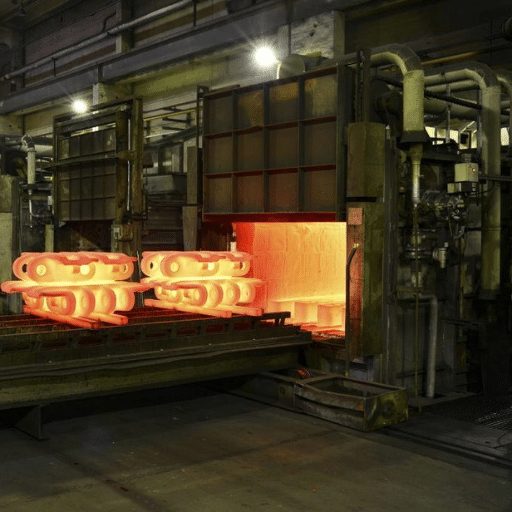
Solution annealing is an essential technology used by multiple industries to improve material characteristics and achieve desired operational results. The five main solution annealing applications are listed below.
Aerospace Industry
The aerospace industry uses solution annealing to treat turbine blades, engine parts, and fuselage materials because it improves their mechanical properties, corrosion resistance, and thermal stability. The system guarantees dependable performance during extreme environmental conditions which involve both high-pressure and high-temperature situations.
Automotive Industry
The manufacturing of automotive parts relies on this method to produce engine blocks, cylinder heads, and stainless steel exhaust systems. The process produces stronger materials which extend product lifespan and increase resistance to harmful impacts.
Medical Device Manufacturing
The medical industry uses solution annealing to create surgical instruments and implants, and all other medical devices that use stainless steel and titanium materials. The process produces biocompatible materials that deliver essential strength and the required smooth surface finish for critical medical applications.
Oil and Gas Industry
Solution annealing is a vital process for all components, including stainless steel pipelines and valves, and heat exchangers that support oil and gas operations. The material achieves better protection against stress corrosion cracking which enables it to endure high-pressure situations found in extreme weather conditions.
Food Processing and Packaging
Food processing and packaging operations use stainless steel equipment which undergoes solution annealing to achieve better protection against corrosion and maintain hygiene requirements. The system provides safe and long-lasting operation while meeting all food industry regulatory standards.
Industries Utilizing Solution Annealing
Solution annealing is a vital heat treatment process used by various industries to enhance material properties and meet strict operational requirements. The following list shows major industries that extensively use solution annealing:
Aerospace Industry
The aerospace sector relies on solution-annealed stainless steel and nickel-based alloys because these materials deliver superior mechanical strength, thermal resistance, and extended performance capabilities. The treatment process applies to components which include turbine blades engine parts and structural parts to ensure safe operation and sustained performance under extreme conditions. The global aerospace materials market will experience annual growth of 6.3% according to industry analysis because of materials processing advancements which include solution annealing.
Automotive Industry
The solution annealing process enables high-performance automotive components which include exhaust systems and turbochargers and fuel injection systems to achieve superior corrosion resistance and mechanical strength. The rising interest in electric vehicles and hybrid vehicles has created a demand for innovative materials and treatment processes because reports show that more treated alloys are used in high-efficiency systems.
Oil and Gas Sector
The oil and gas industry uses solution-annealed materials as their primary material for building pipelines and manufacturing heat exchangers and producing drilling equipment because these materials provide excellent protection against stress corrosion cracking and maintain performance at high-pressure situations. The solution annealing process enables equipment durability in extreme environments because of rising investments in renewable energy and deep-sea exploration. The energy industry expects a 4% annual increase in demand for corrosion-resistant alloys according to industry data.
Medical Devices and Healthcare Industry
Medical devices including surgical instruments and orthopedic implants and diagnostic devices use solution annealing to achieve biocompatibility and corrosion resistance and structural integrity. The global medical device market will surpass $900 billion by 2030 which makes solution-annealed materials essential for meeting regulatory requirements and maintaining product reliability.
Chemical Processing
Chemical plants require solution annealing for their equipment which includes reactors and distillation columns and storage tanks to protect against corrosive substances and high-temperature conditions. The specialty chemicals market will expand at a 5.9% annual growth rate which leads to rising demand for annealed stainless steel and alloys.
Power Generation
Nuclear and thermal power facilities use solution-annealed components which include heat exchangers and boiler tubes and turbine casings for their power generation needs. The system depends on these materials to guarantee both operational efficiency and safety. The transition to cleaner energy sources has led to increased development of advanced materials which use solution annealing.
Solution annealing enables materials to develop better characteristics which helps different industries achieve their technological and sustainability objectives. The demand for high-performance materials and durable products from industries will drive further expansion of its functions.
Specific Case Studies: 300 Series Stainless Steel
Austenitic stainless steel includes 300 Series stainless steel as one of its most commonly utilized types which engineers prefer because it provides strong corrosion protection and high strength together with multiple technical uses. The chromium and nickel content of this series establishes its identity while specific properties become better through the addition of molybdenum and other elements.
Properties and Composition
The common grades in the 300 Series include 304, 316, and 310. For instance:
Applications in Industry
Automotive and Aerospace:
304 and 316 grades find their application in exhaust system production together with structural component creation and fuel storage tank construction because the materials can endure severe environmental conditions.
Chemical Processing and Marine Environments:
316 stainless steel serves as the preferred material for applications which require protection against severe chemical exposure and saltwater contact found in heat exchangers and desalination plants and marine equipment.
Construction and Architecture:
The combination of durability and visual appeal makes 300 Series stainless steel suitable for use in architectural designs which include handrails and contemporary building exterior systems.
Performance Data
The research studies show that 300 Series austenitic stainless steel demonstrates exceptional performance capabilities.
- The International Stainless Steel Forum (2023) report shows that solution-annealed 304 stainless steel reaches an elongation rate above 40% which maintains the material’s ductility for manufacturing purposes.
- NACE International study results show that 316 stainless steel maintains its ability to resist corrosion despite being exposed to chloride concentrations above 1,000 ppm for extended periods.
The industrial applications of 300 Series stainless steel achieve their best performance through solution annealing which establishes the ideal grain structure together with optimal mechanical characteristics. The processing of this treatment increases the product’s lifespan because it improves durability which results in lower maintenance expenses throughout different usage situations.
Role of Solution Annealing in Alloy Production – Details and Data
The fundamental industrial operation conducts annealing solution processing to enhance alloy material properties and their ability to function in demanding industrial environments. The heat treatment process requires the alloy materials to reach their designated temperature which typically ranges from 1,850°F to 2,100°F (1,010°C to 1,149°C) before the materials undergo rapid cooling through methods such as water quenching. The process employs heat energy to completely dissolve all carbides and other precipitate materials, which results in the material developing a consistent microstructural pattern throughout its entire structure. The following list shows five main advantages, which solution annealing produces during the process of producing alloys:
1. Enhanced Corrosion Resistance
The solution text solution annealing process from solution text solution annealing process through which the alloy material shows resistance against intergranular corrosion test because the process dissolves carbide elements which support material strength during high chloride content environmental conditions.
2. Improved Ductility
Mad e work-hardened materials through annealing process which made them easier to work with because they regained their ability to be shaped through bending and molding without breaking.
3. Boosted Strength and Durability
The process of solution annealing generates superior mechanical properties for alloys because it creates microstructure elements that maintain their structural integrity throughout industrial applications which extend over lengthy time periods.
4. Reduction in Residual Stresses
The process of heating materials uniformly followed by rapid cooling, releases internal stresses that had developed from previous processing techniques, which prevents finished products from experiencing warping or deformation.
5. Extended Service Life
The solution annealing process extends equipment lifespan because it reduces maintenance costs and replacement frequency for parts which operate in environments with extreme heat and corrosive materials.
The implementation of solution annealing for alloy production enables manufacturers to meet their required performance and quality standards while creating alloys that meet the needs of various industrial applications.
Challenges and Considerations
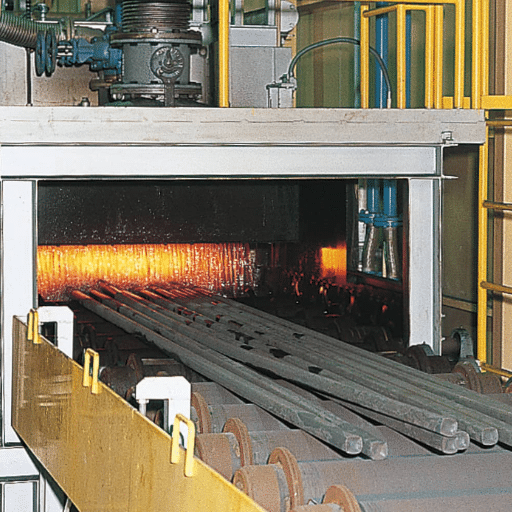
solution annealing provides multiple advantages for metal durability and performance yet requires organizations to resolve various important issues together with fundamental factors.
Energy Consumption
The solution annealing process requires substantial energy because it needs high-temperature furnaces which operate with exact thermal control. The industry standard shows that the procedure functions between 1,800°F and 2,100°F which equals 980°C to 1,150°C depending on the alloy. The manufacturing process needs power at these temperatures which results in two consequences because it increases operational expenses and creates more greenhouse gas emissions.
Process Control and Uniformity
It becomes difficult to maintain consistent heating and cooling over the entire treated component because larger components present special challenges. The mechanical properties together with corrosion resistance properties will be diminished because any temperature variation leads to microstructural differences. Manufacturing industries use advanced technologies which include infrared thermography and automated furnace systems to achieve better temperature distribution monitoring and control processes.
Equipment and Maintenance Costs
Solution annealing processes need specialized furnaces together with cooling systems which require substantial funding. The equipment needs routine upkeep to deliver reliable performance while preventing operational interruptions. The data shows that setup expenses start at $500,000 and can exceed $2 million based on how large the business operations are.
Environmental Impact
The process requires high energy consumption which results in increased greenhouse gas emissions because it depends on fossil fuel energy sources. Sustainable solutions for environmental protection are being investigated by modern facilities through their research into renewable energy and waste heat recovery systems.
Material-Specific Challenges
Different alloys require tailored annealing protocols to optimize their mechanical properties. The stainless steel grades 304 and 316 need specific cooling methods to stop carbide precipitation which results in intergranular corrosion. Manufacturers need to find a balance between material restrictions and production efficiency to deliver products which meet high standards.
The innovative technology solutions together with process optimization methods and sustainable practices enable manufacturers to use solution annealing technology for producing high-performance alloys while decreasing their operational expenses and environmental footprint.
Common Challenges in the Annealing Process
The annealing process functions as a vital procedure for material development because it requires constant supervision together with precise methods to achieve successful outcomes. The following challenges need to be addressed:
1. Temperature Control
Achieving and maintaining the correct temperature stands as the foremost requirement for successful execution of annealing. The material experiences problems when its temperature deviates from the ideal temperature because this results in under-annealing which fails to eliminate internal stresses or over-annealing which weakens the material. The study shows that when temperatures exceed the range of 10-20°C researchers established as their threshold the material microstructure undergoes significant alterations which impact its mechanical capabilities.
2. Surface Oxidation
During the heating phase of annealing exposure to oxygen can result in surface oxidation. The process creates an oxide layer which requires additional processing to achieve complete removal from the material. High-carbon steels together with other reactive alloys face this problem in the industry because it increases both production time and production expenses. The use of protective atmospheres which utilize inert gases such as argon together with vacuum systems has demonstrated success in reducing oxidation rates.
3. Energy Consumption
Annealing requires high energy consumption because industrial furnaces need to burn substantial quantities of electricity and fuel. The recent data indicates that metal-processing plants consume between 20 to 30 percent of their energy for annealing operations. The manufacturers implement energy-efficient systems through the adoption of regenerative burners and advanced insulation materials which help to decrease operational expenses while lessening their carbon footprint.
4. Uniform Heating
Achieving uniform heating across an entire material requires more effort when technicians deal with large objects that have complex shapes. The product quality suffers because uneven heating leads to different material properties. The industry uses computer-controlled furnace systems along with simulation software to achieve better heat distribution control which results in enhanced efficiency throughout the process.
5. Heat Treatment of Specialized Alloys
The treatment of specialized alloys which include superalloys and advanced stainless steels presents specific difficulties because their composition contains multiple complex elements. The materials need strict temperature management during annealing because their effective range for annealing exists within narrow temperature boundaries which need to be maintained for both corrosion resistance and mechanical performance. The research from metallurgical journals demonstrates that custom heat-treatment models together with real-time monitoring processes lead to substantial improvements in process reliability.
6. Environmental Regulations
The enhanced environmental regulations which governments introduce every year create additional challenges that interfere with the execution of annealing operations. The world currently investigates emissions which come from furnace activities that use hydrocarbon-based fuels. The manufacturing sector utilizes electric furnaces together with carbon capture technologies to develop sustainable solutions which meet environmental regulations and maintain operational excellence.
The industry can achieve sustainable and efficient annealing processes which meet modern industrial requirements by solving common challenges through new technological solutions and following data-backed process enhancement methods.
Best Practices for Effective Solution Annealing
Control Temperature Uniformity
People need to control the temperature of the material during solution annealing to maintain its required temperature. The heating process creates material defects because it generates uneven temperatures which lead to warping and incomplete phase changes. The advanced furnace systems with temperature monitoring technology operate their process temperatures within a ±5°C range which leads to enhanced operational efficiency.
Precise Cooling Rates
The cooling process after the annealing stage holds equal importance to the heating process. The quenching process which involves quick cooling stops stainless steel from forming undesired carbide phases. Industrial operations that use automated water and oil quenching systems achieve 15% improved alloy uniformity and reduced defect rates. The material reaches its required mechanical properties at this point.
Atmospheric Control
The use of nitrogen or argon gas as a protective atmosphere during annealing prevents surface oxidation and decarburization. The processes maintain material surface integrity while they minimize the need for post-processing work. The data shows that controlled atmosphere implementation in industries leads to 20% less material rework because of surface defects.
Real-Time Process Monitoring
The application of Industry 4.0 principles through IoT sensors and AI monitoring systems has transformed solution annealing processes. The manufacturing process uses real-time data collection and predictive analytics to detect operational anomalies which allow them to make corrections that will solve their problems. Companies that implement these systems experience a 30% boost in their operational efficiency.
Energy Efficiency and Sustainability
The solution annealing process now operates with energy-efficient systems to help achieve worldwide sustainability goals. The combination of energy-efficient electric furnaces and heat recovery systems leads to a 25-30% reduction in energy usage. The use of regenerative burners in annealing furnaces allows facilities to cut greenhouse gas emissions while their thermal performance remains stable.
Quality Assurance Through Testing
The post-annealing testing process which includes hardness testing and microstructure analysis proves that materials comply with established standards. The introduction of automated testing equipment has decreased quality assurance times by 40% in certain facilities which enables them to produce results faster while maintaining better quality standards.
The implementation of best practices together with modern technologies enables manufacturers to develop solution annealing processes which meet the strict demands of current industrial requirements.
Common Mistakes to Avoid in Heat Treatment
⚠️ Temperature Control Issues
The heat treatment process requires proper temperature control because it is a fundamental necessity. The material experiences two specific problems arising from temperature changes: overheating, which results in grain growth, and underheating, which creates residual stresses. Research indicates that temperature-control errors reduce material tensile strength by 20% due to their impact on testing results.
⚠️ Incorrect Quenching Medium
The process results depend on the selected quenching medium, which can include water, oil, or air. The use of an incorrect medium results in nonuniform cooling which causes objects to either bend or break. Research found that improper quenching led to defects affecting 15 percent of the heat-treated parts studied.
⚠️ Inadequate Preheating
The main thermal shock hazard arises from eliminating or reducing the preheating process, as it especially affects large parts. The survey results show that manufacturers who skipped preheating had a 12% higher defect rate.
⚠️ Uneven Heat Distribution
The furnace fails to provide effective heating because it produces uneven heat distribution which leads to different material properties throughout treated materials. The study found that uneven heating led to components which showed up to 25 percent variation in hardness between different material parts.
⚠️ Poor Surface Preparation
Residual oils and oxides, plus other contaminants, create conditions that allow chemical reactions to occur during heat treatment, which results in surface defects and material property loss. Data indicates that surface defects occur in 10 percent of cases because cleaning procedures prior to heat treatment are incomplete.
References
- ScienceDirect: Effect of solution annealing temperature on precipitation in 2205 duplex stainless steel – Link to article
- SpringerLink: The microstructural response of mill-annealed and solution-annealed INCONEL 600 to heat treatment – Link to article
- Wiley Online Library: Strong and tough cellulose hydrogels via solution annealing and dual cross‐linking – Link to article
Frequently Asked Questions (FAQ)
Where are common process locations for solution annealing process and applications on austenitic stainless steels?
The solution annealing process occurs in various industrial facilities, including three main types: controlled-heat treatment facilities, vacuum furnaces, and continuous belt furnaces. The process of industrial production requires solution annealing facilities at fabrication shops and stainless steel mills, and specialized heat treating facilities, which provide all necessary elements for solution annealing. The facilities provide controlled heating and proper atmospheric conditions to prevent oxidation and carbide precipitation. The facilities maintain their equipment through water quenching, which enables them to maintain solid-solution status while achieving optimal corrosion resistance and ductility.
What impact does solution annealing have on the microstructure of austenitic stainless steel?
The heat treatment process called solution annealing dissolves chromium-rich carbides and additional precipitates into the matrix which creates a single-phase austenitic microstructure. The appropriate temperature range enables alloying elements to diffuse and create a uniform solid solution; the following quick cooling methods which include water quenching and other fast cooling techniques, stop the re-precipitation process, which results in increased corrosion resistance and restored toughness and ductility.
What temperature and cooling rates must be applied during solution annealing of austenitic stainless steels?
The temperature range for austenitic stainless steel solution annealing extends from 1000 °C to 1100 °C with specific material composition determining the exact temperature range. The cooling time and rate of cooling after the hold must be rapid—often water quenching or air/water mixes—to avoid carbide re-precipitation at grain boundaries and maintain corrosion resistance and mechanical properties.
Can solution annealing make a metal stronger and harder when applied to austenitic steels?
The process of solution annealing increases austenitic steel properties because it improves ductility and toughness and corrosion resistance while decreasing internal stresses and enhancing microstructural characteristics. The standard heat treatment process for austenitic stainless steels does not produce substantial hardness increases because it improves mechanical properties, enabling better performance in fabrication, welding, and forming processes. Alloys require specific precipitation treatments to achieve age hardening, depending on their respective requirements.
How does solution annealing interact with welding and the tendency to hot cracking in austenitic stainless?
The process of solution annealing interacts with welding operations because of its effect on austenitic stainless steel which develops hot cracking during welding. The application of solution annealing at any point before or after the fabrication process provides two benefits: reducing residual internal stresses and completely removing carburized precipitates, which create sensitivity to intergranular corrosion in welded regions. The appropriate heat-treatment method, together with control of temperature ranges and cooling rates, achieves two results that prevent hot cracking: distributing materials throughout the material and removing elements that make it brittle at grain boundaries, thereby improving weldability and protecting welded joints from long-lasting corrosion damage.
Is solution annealing applicable to non-ferrous metals, such as aluminum or titanium alloys?
The process of solution annealing can be used for both aluminum alloys and titanium alloys as well as all other non-ferrous metals. Different alloy families define solution annealing using the same definition of solution heat treatment, which involves a process applicable to all materials. In solution heat-treated aluminum alloys, rapid quenching retains alloying elements until age hardening begins, whereas in titanium and high-nickel alloys diffusion annealing is required to alter their microstructure. Each metal requires specific temperature ranges, cooling rates, and process locations equipped for the required atmospheres and quench media.
What role do alloying elements, carbides, and grain boundaries play in the solution annealing process?
Alloying elements, carbides, and grain boundaries work together to enable solution annealing. The presence of chromium, nickel, and carbon as alloying elements determines which carbides and which phases create grain boundary precipitates. The solution annealing process causes carbides to dissolve into the matrix, enabling alloying elements to redistribute from grain boundaries into grains and form a uniform solid solution. The correct control methods stop sensitization while enhancing corrosion resistance, whereas failure to implement rapid quenching methods allows diffusion back to grain boundaries, which decreases corrosion protection.
How do process parameters like temperature, quench method, and cooling time influence the final properties and applications?
The final characteristics and practical uses of materials are determined by their processing parameters, which include temperature, quench method, and cooling time. The solid solution status of metals and their ability to create precipitates depend on the solution annealing temperature and holding period, and the cooling rate from both water and air, and controlled cooling methods. The combination of shorter cooling times with rapid quench methods improves corrosion resistance while maintaining the material’s ductility. Inadequate cooling results in reduced corrosion resistance and increased hardness or embrittlement in specific alloys, leading to performance issues across various applications, including chemical processing, food equipment, and high-temperature service.