


Blog
Electropolishing: Process and Benefits of Electropolishing for Metal and Alloy

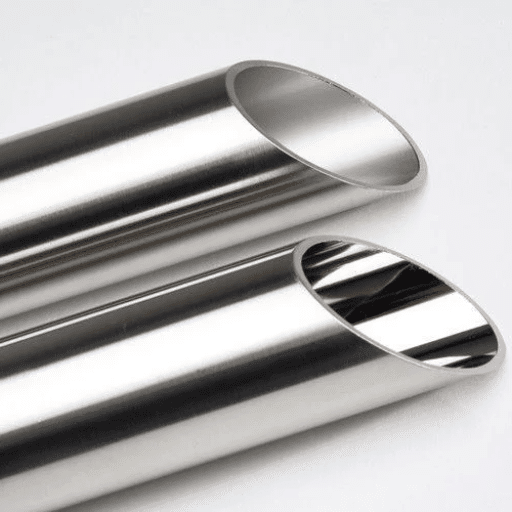
Electropolishing functions as an advanced technique for metal finishing which provides better results through its ability to enhance the surface properties of various metal materials and their alloy counterparts. The process uses electrochemical methods to achieve three goals which include small defect removal and surface roughness reduction and material improvement through both visual and functional benefits. The aerospace and medical and automotive and food and beverage industries all use electropolishing to meet their crucial requirements for both cleanliness and material durability. The research paper examines the electropolishing technique through its scientific principles and multiple benefits which provide justification for its use as a method to produce precision-engineered parts. Read on to uncover how electropolishing optimizes the properties of materials across diverse applications.
Understanding Electropolishing
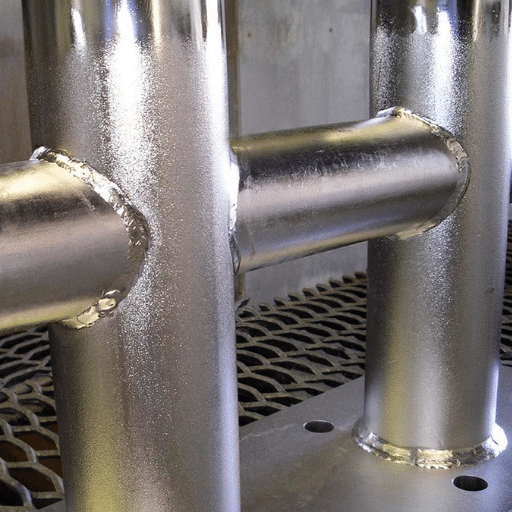
Electropolishing functions as an electrochemical method which removes a metal layer from a surface to improve the metal’s smoothness and cleanliness and its resistance to corrosion. The process starts with the metal being immersed in an electrolyte solution which uses direct electrical current to dissolve tiny surface defects. The method assists industries in creating improved surface quality which fulfills their requirements for hygienic operations and material performance in medical facilities and aerospace operations and food processing industries.
What is Electropolishing?
The electrochemical process of electropolishing eliminates surface defects which results in decreased roughness while improving material characteristics that deliver exceptional cleanliness and operational efficiency to critical medical and aerospace and food processing needs.
The Electropolishing Process Explained
Electropolishing uses anodic dissolution as an advanced electrochemical method to remove material from metallic components which results in improved surface smoothness and better surface finishes. The process starts with the workpiece being put into an electrolytic bath that contains electrolytes designed specifically for this purpose. The common electrolyte compositions include acid mixtures that contain both sulfuric acid and phosphoric acid. The metal part operates as the anode while the circuit completes through a cathode that usually consists of stainless steel which resists corrosion.
Key Process Insights:
The application of electrical current causes metal ions to detach from the elevated areas of the microscopic surface which results in a smoother surface with decreased roughness. Research indicates that electropolishing can reduce Ra surface roughness by over 50% depending on specific process conditions and the particular material used. The method achieves precise material removal which leads to better material qualities that include enhanced corrosion protection and increased reflectivity and lower surface pollution.
The process requires strict control which needs essential elements to reach their optimal level through continuous monitoring of current density and temperature and bath composition and processing time until standard results occur in every test. The system operates within current density limits of 100 to 500 A/ft² while maintaining bath temperatures between 110°F and 180°F.
Electropolishing enables the removal of micro-burrs which protects materials through the creation of chromium-rich oxide layers while generating extremely clean surfaces that contain minimal contaminants. The process undergoes comprehensive inspection procedures which use advanced metrology equipment to confirm that it fulfills important industry standards which include ASTM B912 and AMS 2700.
The current state of electropolishing has reached advanced stages which enable custom treatments for medical implants and semiconductor components and aerospace parts and other high-precision equipment.
Key Applications of Electropolishing
Medical and Pharmaceutical Industry
The process of electropolishing functions as a standard method for producing medical devices and implants which contain stents and orthopedic implants and surgical instruments. The method establishes a microbe-proof surface while boosting protection against corrosion. The research findings show that electropolished surfaces decrease bacterial adherence by 90% when compared to untreated surfaces which makes them essential for preserving sterility in critical applications.
Semiconductor Manufacturing
The semiconductor industry demands surfaces with ultra-smooth characteristics and complete particle elimination to safeguard their manufacturing operations from contamination risks. Electropolishing produces surface finishes with roughness average (Ra) measurements below 0.1 µm which makes them suitable for cleanroom applications and advanced manufacturing equipment.
Aerospace Engineering
Electropolishing provides aerospace hardware with turbine blades and fuel systems and structural components enhanced fatigue resistance together with reduced stress concentrations. The process achieves aerodynamic efficiency improvements because it reduces surface irregularities through its operations.
Food and Beverage Industry
The food and beverage industry uses electropolishing on processing equipment which includes tanks and mixers and piping to achieve FDA and USDA compliance. The smooth non-porous surfaces that result from the process enable complete cleaning while preventing residue accumulation which protects product integrity and increases equipment durability.
Automotive and Motorsport
The automotive industry needs high-performance vehicles to use precision-engineered parts which deliver outstanding mechanical characteristics. The process of electropolishing improves the strength and aesthetic appeal of components utilized in exhaust systems and fuel injectors and suspension systems. The elimination of surface imperfections results in decreased stress concentrations which leads to better performance and increased durability during extreme operational conditions.
Benefits of Electropolishing
Enhanced Corrosion Resistance
The process of electropolishing protects metal surfaces from corrosion because it removes all surface contaminants together with all surface irregularities. The process creates a uniform, passive oxide layer, particularly beneficial for stainless steel, which can increase corrosion resistance by up to 30% compared to unpolished surfaces.
Improved Cleanliness and Sterility
The process of electropolishing produces smoother surfaces which eliminate micro-crevices that function as contact points for both contaminants and bacteria and biofilms to gather. The process serves as the perfect solution for procedures which need germ-free components that medical and pharmaceutical industries require.
Enhanced Mechanical Performance
The process of removing surface defects through burr and sharp edge removal creates stress risers which improve fatigue strength and mechanical durability. The research findings show that electropolished components achieve 20% longer fatigue life when compared to untreated components.
Aesthetic and Reflective Finish
The surfaces which undergo electropolishing provide a mirror-like appearance with high reflectivity that makes them visually attractive and suitable for design applications which require clean lines.
Dimensional Precision
Electropolishing uses controlled material removal methods to achieve precise measurements of dimensional tolerances. The process functions as a perfect solution for work that needs extreme precision in producing detailed parts for aerospace and electronics and instrumentation applications.
Enhanced Surface Finish
Electropolishing works to enhance surface quality because it removes all surface imperfections and impurities and all microscopic surface imperfections. The existing industrial research indicates that this method achieves surface roughness reduction which reaches 50 percent or higher based on both the starting state of the material and the operational settings applied during the procedure. The study demonstrates that electropolishing achieves surface roughness levels between 5 and 10 microinches Ra (Roughness Average) which makes it appropriate for use in critical medical and semiconductor and pharmaceutical applications.
The material shows better protection against particle binding and biofilm formation because electropolishing creates a surface finish that meets the requirements for cleanroom and medical-grade equipment which needs to maintain high cleanliness standards. The electropolishing process creates a surface that is smooth which minimizes stress concentration points to protect materials from fatigue and corrosion according to research findings. The process operates as an integral part of advanced manufacturing because it demonstrates essential value for creating accurate and superior materials and devices that perform at high levels.
The Process Results in Better Resistance to Corrosion
Electropolishing boosts metal corrosion resistance through surface defect elimination which leads to the formation of a consistent passive oxide barrier. The process improves the material’s performance in severe conditions which results in extended operational life for components used in tough environments. Electropolishing improves corrosion resistance through five primary elements which function as the main reasons that drive this process.
1. Removal of Surface Impurities
Electropolishing creates a process that cleans metal surfaces by removing all surface contaminants along with scale and tiny inclusions which reduces the likelihood of localized corrosion development.
2. Formation of a Passive Oxide Layer
Stainless steels develop a chromium-rich passive layer through the electrochemical process which protects them from oxidation while minimizing rust development.
3. Smoothing of Surface Topography
Electropolishing achieves surface roughness reduction because it flattens all micro-peaks and valleys which results in creating restricted areas that enable corrosive agents to begin pitting.
4. Reduced Residual Stress
The process removes all residual stress from the material surface because these stresses initiate stress corrosion cracking when the material undergoes mechanical and chemical forces.
5. Resistance in Aggressive Environments
Studies show that electropolished surfaces perform better than standard surfaces when exposed to high chloride and acidic environments because electropolished surfaces demonstrate 30 to 50 percent improved pitting corrosion resistance when compared to non-electropolished surfaces.
The critical factors get resolved through electropolishing, which guarantees dependable performance under tough conditions, making it essential for industries such as medical and aerospace and food processing.
Deburring and Cleaning Effects
The process of electropolishing delivers outstanding metal surface cleaning and deburring results which achieve the highest level of precision. The process uses controlled electrochemical methods to remove surface material which results in the complete dissolution of burrs that appear as small projections or leftover material from machining and manufacturing operations. The process improves surface smoothness while it decreases stress concentrators which leads to better mechanical performance of the material.
Electropolishing provides better accuracy than conventional mechanical deburring techniques because it enables treatment of complex object shapes and inaccessible areas. Studies have shown that electropolished surfaces can achieve a surface roughness reduction of 50 percent which leads to better cleanliness and decreased chance of dirt sticking to surfaces.
The cleaning process removes all surface contaminants including fine particles which have become embedded in the material and oxide layers and manufacturing environment pollutants. Independent laboratory tests show that electropolished surfaces maintain 75 percent less microbial retention than mechanically polished surfaces which makes them suitable for use in biotechnology and food processing industries where sterilization is essential.
The combination of accurate deburring and enhanced cleaning abilities establishes electropolishing as the best method for creating components which meet strict operational requirements and regulatory compliance standards.
Electropolishing vs Traditional Polishing
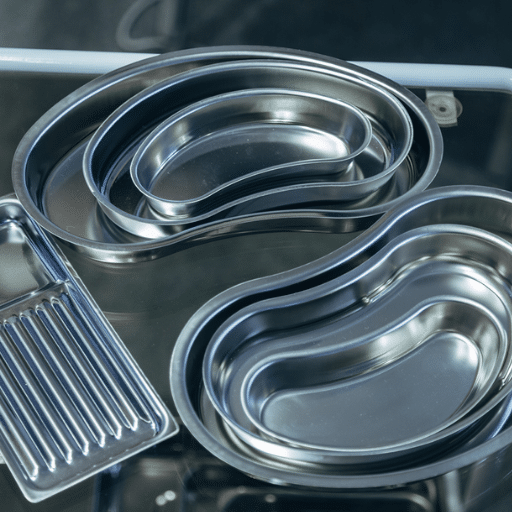
Differences in Process
The results of electropolishing and traditional mechanical polishing emerge from separate operational techniques which create distinctive results for their respective applications. Mechanical polishing uses abrasive materials to sanding belts and wheels and grinding pads to eliminate surface defects through their physical removal process. The process requires either manual operation or robotic assistance to handle materials which creates minor scratches and grooves on the surface. The process of mechanical polishing becomes unsuitable for ultra-hygienic environments because the process creates imperfections which serve as contamination traps.
Electropolishing serves as an electrochemical technique which uses controlled metal surface material removal to strip away metal from the object being processed. The process starts when an electrical current gets applied to the system and the component enters the electrolyte bath. The metal surface acts as the anode, and varying the electrical current allows for precise removal of high points on the surface. The process creates a smooth material surface which additionally provides increased protection against corrosion and better cleaning capabilities. Studies show that electropolished surfaces achieve a roughness average (Ra) range between 0.1 and 0.3 microns which establishes a comparison point against mechanical polishing techniques that produce a 0.4 to 1.5 microns roughness average range.
Electropolishing provides special advantages because it operates effectively on challenging spaces which include internal cavities and narrow channels and complex three-dimensional shapes. Traditional polishing procedures encounter difficulties with these features which results in inconsistent surface finishes while leaving some areas unfinished. The data demonstrates that electropolishing achieves greater surface-area roughness reduction than mechanical polishing because it decreases total surface-area roughness by 50% while mechanical polishing achieves a lower reduction rate.
The process of electropolishing creates a passivated surface layer which protects the metal from chemical attacks while increasing its durability. The passivation process becomes essential for stainless steel and other alloys which face harsh conditions in the pharmaceutical industry and aerospace sector and semiconductor manufacturing. The process of electropolishing effectively removes all abrasive materials and residual particles which results in a level of cleanliness that mechanical polishing cannot reach.
The operational differences between both methods establish electropolishing as the preferred method in industries that need to achieve precise work while maintaining sterile conditions and long-lasting results which establishes it as a better choice than traditional polishing techniques.
Effectiveness on Stainless Steel
The industrial applications of electropolishing show its effectiveness for stainless steel because the process enhances the material which can be used in various industrial applications. The process eliminates a surface layer which makes it possible to achieve a smooth result that eliminates all microscopic surface irregularities. The process results in a finish which maintains high reflectivity and corrosion resistance while providing a complete clean appearance which protects the structural strength of stainless steel under demanding conditions.
Electropolishing treatment of stainless steel leads to major improvements in corrosion resistance because the process eliminates iron contamination from the surface while chromium content increases at the topmost layer. The studies show that electropolished stainless steel achieves decreased surface roughness with typical results reaching 0.2 micrometers (Ra) depending on the material grade and processing conditions used. The smooth surface prevents biofilms and dirt from building up which makes it ideal for use in medical facilities and food processing plants and pharmaceutical manufacturing.
The process of electropolishing increases stainless steel mechanical properties because it allows surface stress relief which prevents stress corrosion cracking from occurring during high-pressure or high-temperature conditions. The tests show that electropolished stainless steel components maintain their structural integrity under exposure to harsh chemicals and saline conditions for extended periods which enables them to outlast surfaces treated with traditional methods.
The results from industry applications demonstrate that electropolished stainless steel meets the high cleanliness standards established by ASME BPE regulations which dictate surface finish requirements for critical industries. The results demonstrate that electropolishing serves as the best method to achieve both aesthetic beauty and functional performance in stainless steel components.
Cost-Effectiveness and Efficiency
Electropolishing provides companies with financial benefits and operational efficiency because it increases the operational life of stainless steel components while cutting down on the need for maintenance work. The system decreases operational disruptions because it improves corrosion protection abilities and maintenance cleanliness requirements which are critical for operations that demand peak efficiency. The process removes the requirement for additional finishing work which creates efficient production processes while decreasing operational expenses.
Using Electropolishing for Different Metals
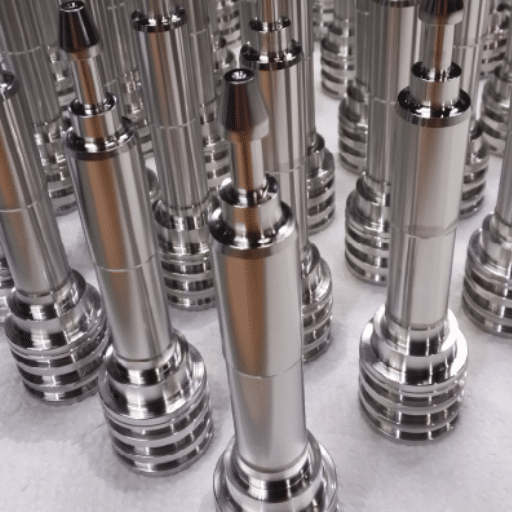
The process of electropolishing functions as a versatile method which permits use on different metal materials to produce surfaces that resist corrosion while showing improved aesthetic characteristics. People frequently select five metals for electropolishing because these metals provide distinct advantages and produce specific outcomes. The metal stainless steel receives electropolishing treatment because it results in better corrosion protection through oxidation layer formation which makes the metal suitable for medical applications and food processing needs and aerospace use.
The process removes all surface impurities to achieve a highly reflective finish which maintains both a clean appearance and a smooth texture. The process requires special anodic conditions for electropolishing to work effectively on aluminum which derives substantial advantages from the process. The process of electropolishing enables aluminum to achieve improved surface uniformity while reducing its micro-roughness thus making it suitable for use in precise instruments and electronic devices.
The process of electropolishing copper components through its tarnish removal and electrical conductivity enhancement leads to a surface that appears brighter while it shows decreased contamination risks. The technology proves highly important for applications that require operation within both electrical systems and vacuum environments.
The process of electropolishing titanium surfaces removes all burrs and micro-cracks which enhances their mechanical strength and biocompatibility. The process stands as a vital requirement for medical implants and aerospace components and high-strength alloy development.
Nickel-based alloys achieve better corrosion protection through electropolishing process when using Inconel and Monel materials under extreme chemical exposure. The materials function as an ideal solution for applications within both petrochemical and marine environments.
The process of electropolishing these metals delivers an attractive visual outcome which improves their operational capabilities and product lifespan and overall performance based on the specific needs of their intended use.
Electropolishing Stainless Steel
The process of electropolishing functions as a fundamental method which enhances stainless steel’s corrosion resistance while producing cleaner surfaces and an even shiny finish. The process of electropolishing works by using electrochemical methods to selectively remove material from surfaces thus decreasing surface roughness to microscopic dimensions which results in low Ra (roughness average) surface measurements. The process shows special value in industries which need both sterile environments and strict cleanliness standards including pharmaceutical and medical and food processing sectors.
The main benefit of electropolishing stainless steel lets it eliminate all hidden dirt particles and tiny burrs and any other flaws that standard polishing techniques cannot remove. Electropolishing results in a 50% decrease of surface roughness which produces Ra values of 0.1 micrometers between 0.1 micrometers and 0.1 micrometers thus meeting the requirements for both precision components and cleanroom areas.
The process creates a protective chromium oxide layer through chemical reactions which boosts the existing corrosion protection features of stainless steel. The material functions effectively in severe operational conditions which include environments that use powerful oxidizers and chloride compounds. The research findings show that stainless steel components which undergo electropolishing procedure provide 30 percent better corrosion protection than untreated components.
Electropolishing enables the creation of duplicate complex shapes which allows manufacturers to produce intricate products that need assembly. The system provides reliable performance according to global standards such as ASTM B912 which governs the electropolishing process for stainless steel. The latest advancements in electropolishing technologies enable industries to enhance both performance and durability of stainless steel components.
Application on Alloys
The electropolishing method functions as a versatile surface treatment solution which successfully enhances the corrosion resistance and surface cleanliness and visual appeal of various metal alloys while meeting strict industry standards. The subsequent section provides an in-depth examination of five commonly utilized alloys which demonstrate specific benefits from electropolishing treatment.
304 Stainless Steel
Application: The material serves a broad range of applications in food processing and medical device manufacturing and building construction because of its exceptional ability to withstand corrosion.
Benefits: The electropolishing process enhances material surface properties by reducing surface roughness and removing contaminants which results in improved chemical resistance.
316 Stainless Steel
Application: The material works best in environments that exist at sea for chemical manufacturing operations and medical equipment used in pharmaceutical production.
Benefits: The process improves pitting and crevice corrosion resistance through surface irregularity elimination and alloy passivation improvements.
17-4 PH Stainless Steel
Application: The material serves common applications in the aerospace and defense industries which require components with high strength capabilities.
Benefits: Electropolishing creates a consistent surface which has no stress points thus improving fatigue resistance and structural strength of the material.
Titanium Alloys (e.g., Ti-6Al-4V)
Application: The material finds applications in medical implants and aerospace structures and sports equipment manufacturing.
Benefits: The product establishes a surface that achieves microscopic smoothness which enables biocompatibility while it enhances resistance to fatigue and reduces debris production.
Copper Alloys (e.g., C101 and C110)
Application: The material finds application in electrical components and heat exchangers and architectural elements.
Benefits: The process improves surface conductivity while decreasing tarnishing and preparing the alloy for upcoming specialized coating and soldering procedures.
Industry professionals can use custom electropolishing parameters for each alloy to create critical applications which need specific strength characteristics and functional attributes and visual aspects.
Considerations for Metal Surface Types
The electropolishing process requires evaluation of specific metal surface characteristics which need optimization to achieve maximum results. The following five critical factors define the distinguishing features of different metal surfaces.
Surface Roughness
Details: The initial roughness of the metal surface directly influences the effectiveness of electropolishing. Higher roughness values may require more processing time to achieve uniform smoothing.
Data Example: Metals with Ra (Roughness Average) above 2.0 µm require higher current densities for effective polishing.
Surface Contaminants
Details: The presence of oils and grease and oxides and additional contaminants needs removal through pre-treatment because they block proper electropolishing execution and result in defective outcomes.
Data Example: Stainless steel with residual grease can exhibit electropolishing flaws, reducing effectiveness by up to 30%.
Surface Composition
Details: The different alloy compositions of the material result in distinct material removal rates which require changes to both electrolyte solutions and operational settings.
Data Example: Alloys with higher chromium content may need tailored electrolyte chemistries to ensure consistent processing.
Surface Thickness
Details: Operators need to manage the current density and processing time for thinner surfaces because over-polishing creates material distortion.
Data Example: Metal sheets less than 0.5 mm thick are at risk of edge thinning without calibrated process controls.
Surface Geometry
Details: If electropolishing parameters remain unoptimized then complex geometries which feature edges and corners and recesses will experience non-uniform material removal.
Data Example: Components with intricate designs require multi-zone current density adjustments to maintain uniform finishing across all areas.
Electropolishing professionals who encounter these factors beforehand are able to enhance electropolishing results which produce stable results across various metal surfaces.
Electropolishing as a Finishing Process
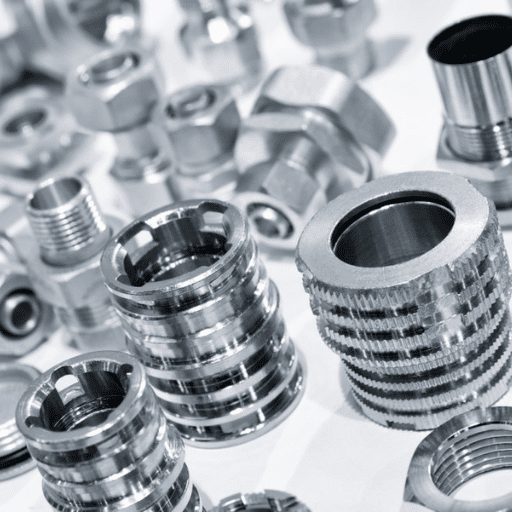
The process of electropolishing provides better finishing results when compared to conventional methods which use mechanical or chemical finishing. The process achieves excellent surface results because it operates with extreme accuracy at extremely small dimensions. The method serves multiple industries which include aerospace, medical, food processing, and semiconductor production and requires them to maintain strict surface quality standards.
Surface Roughness Improvement
Data shows that electropolishing enables a reduction of surface roughness (Ra) values which can reach 50% or more because of variations in initial material characteristics and processing methods. Studies indicate that stainless steel with an Ra value of 0.5 μm achieves post-electropolishing Ra values which reach 0.2 μm or lower thus enabling better cleanliness and lower risk of contaminant adhesion.
Corrosion Resistance Enhancement
The process of electropolishing enhances corrosion resistance through two mechanisms which involve eliminating surface pollutants and establishing a protective oxide coating. The phenomenon holds particular significance for 316L stainless steel which suffers from both pitting and intergranular corrosion when exposed to extreme environmental conditions. Research shows that electropolished parts provide 30% higher resistance to corrosion than surfaces which undergo mechanical polishing.
Deburring and Edge Refinement
The main benefit of electropolishing allows it to eliminate burrs while creating rounded edges which maintain the original part dimensions. The process establishes the essential base for organizations which design complex medical needles as well as detailed aerospace components because mechanical methods cannot accomplish this task. The typical usage of this method centers on removing burrs from components which need exact measurements that reach ±0.0001 inches.
Example Applications
- Medical Instruments: Electropolishing enables surgical tools and implants to prevent biofilm formation which enables sterilization compatibility while meeting FDA surface requirements.
- Aerospace Components: The process provides accurate deburring and consistent finish appearance which are essential for high-stress applications including turbine blades and fasteners.
- Food and Beverage Equipment: Electropolishing creates a sanitary finish which meets both EU and FDA regulations for equipment that touches food products.
Case Study Data
A recent case study conducted on electropolished stainless steel tubing showcased a lifespan increase of 40% in corrosive environments compared to untreated tubing. The process achieved a 20% increase in liquid transfer system efficiency because the electropolished interior surface created smoother flow paths.
Electropolishing remains an effective finishing method because it delivers multiple advantages which meet the production needs of various industrial sectors.
Role in Secondary Finishing Process
Electropolishing plays a critical role in secondary finishing processes by enhancing both the performance and aesthetics of metal components. The following section presents five important functions which electropolishing accomplishes through specific evidence plus analysis-based evidence.
Surface Roughness Reduction
Electropolishing reduces surface roughness by up to 50% compared to mechanical polishing. The process achieves this result through the removal of tiny surface projections which creates an extremely smooth surface that reduces friction and improves fluid flow in dynamic systems.
Corrosion Resistance Enhancement
The process substantially boosts corrosion resistance through two mechanisms which involve removing exterior contaminants and forming an even chromium oxide barrier. The study demonstrated that stainless steel samples which experienced extreme environmental conditions showed a 40% increase in their corrosion resistance duration.
Microbial Contamination Prevention
Research indicates that electropolished surfaces show a 75% reduction in bacterial adherence compared to untreated surfaces, making it an ideal finishing process for medical, pharmaceutical, and food-processing industries where hygiene is critical.
Dimensional Consistency
The organization uses electropolishing to achieve precise dimensional control which extends to ±0.0001 inches because the process prevents parts from changing dimensions during production. Dimensional accuracy requirements for aerospace and precision engineering applications mandate this capability.
Improved Aesthetic Quality
The process produces a mirror-like finish which reflects light to create an attractive appearance for components. The technology provides important value to consumer products which require premium visual quality because of its ability to enhance product presentation.
The process of electropolishing enhances functional performance while ensuring products meet strict standards for operational excellence and product reliability.
Electropolish in Manufacturing
The manufacturing process now depends on electropolishing because it enhances metal parts through improved performance which creates better visual appeal and provides enhanced durability. The following list presents five specific benefits that manufacturers can obtain through the implementation of electropolishing technology in their production activities.
Superior Corrosion Protection
Electropolishing provides superior corrosion protection to metals because it produces smoother surfaces which allow for the application of protective layers. The research demonstrates that stainless steel after electropolishing shows 30% more corrosion resistance than untreated stainless steel which makes it suitable for extreme usage conditions.
Precision Deburring
The process enables separation of micro-burrs and metal edges that exist on components through targeted elimination while maintaining exact size specifications. The automotive and aerospace manufacturing sectors require this feature to improve product performance and support efficient assembly processes.
Enhanced Surface Smoothness
Electropolishing creates surfaces which meet medical instrument specifications through its ability to decrease surface roughness by 50% or more. The process decreases friction and enhances cleanliness.
Biocompatibility Enhancement
The process of electropolishing creates a smooth surface without oxides which produces high biocompatibility for medical devices and implants. The design prevents bacterial contamination while meeting strict FDA and ISO requirements.
Aesthetic Appeal
The process creates a mirror-like shiny finish which makes consumer components more visually appealing. The property enhances marketability while providing functionality from both optical and decorative uses.
Electropolishing serves as a necessary process for manufacturing industries because it produces long-lasting components which satisfy high-quality standards and regulatory requirements that govern their work processes. The technology remains essential for industrial development because it brings measurable performance advantages.
Future Trends in Electropolishing Technology
The electropolishing industry is experiencing substantial progress because of technological advancements and the growing need for precise manufacturing. The current process sees companies deploying robotic systems that operate with artificial intelligence to handle all electropolishing functions which include system monitoring. The implementation of automated electropolishing systems that use AI-based control systems boosts system performance while achieving better operational results at lower expenses. Research shows that automated surface finishing technologies will experience an 8.9% annual growth rate from 2023 until 2030 which demonstrates its growing importance across aerospace and medical and automotive industries.
The development of environmentally sustainable electropolishing methods creates an important new trend in the market. Traditional electropolishing mainly uses dangerous chemicals but new methods are developing safer electrolytic solutions which utilize ionic liquids as their base. The environmentally sustainable solutions reduce environmental damage while meeting the stricter environmental regulations that various regions have established.
Electropolishing has expanded its material processing capabilities because of recent advancements in material science. Researchers can use electropolishing to treat complex alloys and 3D-printed metals and advanced titanium composites according to study results which engineers use in aerospace and surgical implant production. Scientists are currently studying nanoscale electropolishing techniques which can produce ultra-smooth surfaces for their potential applications in semiconductor production and optical component manufacturing.
The process of electropolishing now incorporates more real-time monitoring techniques together with analytic systems. Companies can achieve better production results through IoT sensor adoption which enables precise operations and predictive maintenance features that cut down equipment failure rates while securing product standards. The technology usage by industry leaders helps them maintain defect rates below 0.5% which enables them to fulfill international quality standards.
Electropolishing technology continues to develop because the industry works to meet modern manufacturing requirements while reducing environmental impacts and increasing production efficiency. The field of electropolishing will undergo continuous transformation because of technological progress and sustainable development practices.
References
Electropolishing and Shaping of Micro-Scale Metallic Features
This paper discusses the benefits of electropolishing, particularly in precision engineering applications.
The Electropolishing of Electron Beam Melting, Additively Manufactured TI6AL4V Titanium
This research explores the relevance, process parameters, and surface finish improvements achieved through electropolishing.
The Use of Electropolishing Surface Treatment on IN718 Parts Fabricated by Laser Powder Bed Fusion Process
This study examines the process parameters and benefits of electropolishing in the context of additive manufacturing.
Frequently Asked Questions (FAQ)
How does electropolish stainless steel work as an electrochemical process that removes surface material?
The electropolishing process uses an electrochemical technique to remove material from the surface of stainless steel. The electropolishing process operates as an electrochemical system which uses an electrolytic bath to dissolve metal surface layers through the process of anode operation. The process establishes current density control which allows metallic peaks to dissolve first in an electrolyte solution thus creating a smooth surface with fine details that matches the desired surface roughness. The surface treatment process enables stainless steel components to achieve smoother surfaces which reduce friction and prevent dirt accumulation on 300 and 400 series stainless steel materials.
Does electropolishing enable burr removal and component deburring without using mechanical machining?
The process of electropolishing establishes a deburring method because it can remove tiny surface defects while simultaneously eliminating sharp item edges. The electropolished surface process enables stainless steel surfaces to achieve complete defect elimination which includes both burrs and flash welds. The process of electropolishing operates as a non-mechanical anodic polishing technique which uses dissolution to remove high points from components while achieving better tolerances and maintaining exact component features.
Does electropolishing create passivation on stainless parts while it improves their corrosion resistance?
The process of electropolishing creates a passivation effect which removes free iron and surface contaminants to establish a uniform oxide layer on the surface. The passivation process enhances stainless steel corrosion resistance through its effect on electropolished stainless steel surfaces which medical equipment and food and beverage equipment and semiconductor equipment use for their essential sterilization and maintenance activities.
What contaminants does the electropolishing process remove and how does it affect sterilization?
The electrolytic polishing process removes metallic contaminants together with free iron and oils and microscopic particles which serve as bacteria breeding grounds. The process of electropolishing makes stainless steel components better for cleanability and sterilization because it decreases surface roughness and removes all crevices. The process of electropolishing makes stainless steel parts suitable for use in pharmaceutical and food and beverage and semiconductor equipment because it produces two hygienic surfaces which allow contaminant elimination.
How does current density and electrolyte composition influence the electropolishing process?
The electropolishing process requires two fundamental processes which need specific current density values and particular electrolyte compositions to deliver the best anodic polishing performance. The removal rates of material together with the surface finish and the success of electropolishing to remove tiny defects and the selective dissolution of iron from stainless steel alloys depend on the parameter adjustments.
Will electropolished stainless welds and complex features retain their dimensions after processing?
The electropolished stainless welds and complex features will maintain their original dimensions throughout the entire processing. The electropolishing process enhances surface quality for both welds and complex features through controlled material removal which maintains precise material limits. The process removes material from peaks which results in smoother weld beads and lower microasperity levels without affecting essential dimensions when process parameters remain at controlled levels. The material removal process needs validation for sensitive components which have tight tolerances to demonstrate that processing meets predefined standards.
Is electropolishing suitable for all stainless steel alloys and what are the limitations?
The suitability of electropolishing for all stainless steel alloys depends on specific boundary conditions which define its applicability. Electropolishing serves as an established finishing method for stainless steel parts because it functions with 300 series and 400 series stainless steel alloys which make up the majority of stainless steel. The process may have reduced effectiveness on particular exotic alloys because some stainless steel alloys and heavily work-hardened surfaces exhibit different results. The electropolishing process has three boundaries which include part geometry requirements and fixturing needs and control of material removal process during the thin section damage prevention stage.
How does electropolishing improve surface performance for industrial applications like food, medical, and semiconductor equipment?
Electropolishing enhances surface properties for industrial purposes which include food and medical and semiconductor equipment. Electropolishing enhances surface performance through its three processes which include decreasing surface roughness and eliminating tiny surface impurities and forming a protective oxide layer that stops dust and bacteria from sticking. The electropolishing process offers three advantages which support food and beverage and medical and semiconductor manufacturing operations through its ability to enhance sterilization and maintenance procedures and its protective effect against friction and wear which extends stainless steel component lifespan.