


Blog
Pickling and Descaling Metals: Essential Processes for Steel and Stainless Finishing

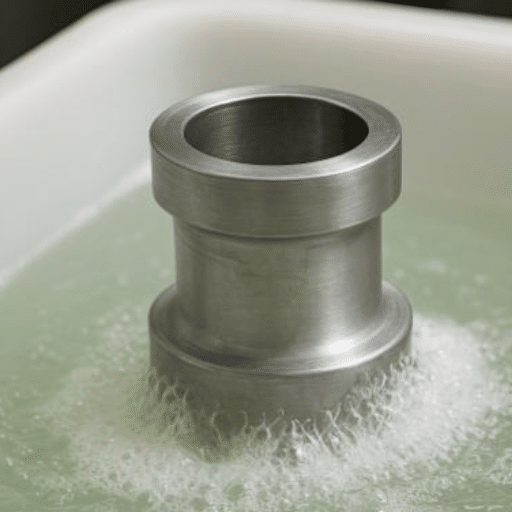
The pickling and descaling process operates as a fundamental requirement for manufacturing and fabricating processes which aim to achieve flawless outcomes on steel and stainless steel surfaces. The treatments remove all rust and scale together with other dirt which destroys the visual attractiveness of the material and weakens its performance and durability during its entire lifespan. All individuals who work with construction metals need to understand the essential role and significance of these procedures. The article examines pickling and descaling through its central benefits and implementation techniques together with the essential elements required to achieve effective results in metal finishing. Your metalwork will achieve better performance results because of the processes which extend the life of your products.
Introduction to Pickling and Descaling
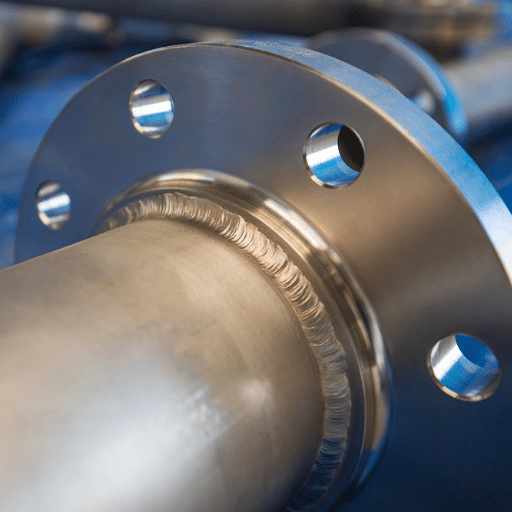
Pickling and descaling operate as metal surface cleaning processes which eliminate all unwanted substances from metal surfaces. The pickling process uses acid-based solutions to dissolve unwanted contaminants while descaling uses mechanical or abrasive methods to remove surface deposits. The two methods create a clean and smooth surface which improves the metal’s operational efficiency and aesthetic appearance and its ability to bond with coatings and treatments. The construction and manufacturing industries prioritize metal durability and quality which requires these procedures to run their business operations.
Definition of Pickling and Descaling
Metal treatment processes require pickling and descaling but industrial and manufacturing operations depend on these methods to protect metal quality and metal life span. The metal surface cleaning process called pickling uses hydrochloric or sulfuric acid solutions to remove scales and oxides and rust from the metal surface. The method serves as a standard practice in steel and aluminum production to create a metal surface that other processes can use for finishing and coating and fabrication work. The recent research findings show that the global metal surface treatment market which includes pickling will experience significant growth because it will reach a market value of over $12 billion in 2023 driven by the automotive and construction sectors.
Descaling, on the other hand, focuses on removing heavy deposits and scale layers, which often form during heating and rolling processes in metal manufacturing. The industry commonly uses mechanical methods which include abrasive blasting and water-jetting and chemical descaling. The experts in the industry state that descaling technology has progressed to develop environmentally sustainable systems which operate at a high level of efficiency while decreasing both environmental footprint and operational expenses. The combination of pickling and descaling processes enhances the visual and functional characteristics of metals while they protect the materials from corrosion and extend their useful life.
Importance in Metal Finishing
The essential process of metal finishing provides two main benefits which enable metal products to work better and look more attractive. The five reasons metal finishing provides essential protection for its complete process which includes descaling and pickling operations.
1Corrosion Resistance
Metal finishing processes create protective coatings which safeguard metals from corrosion and rusting. Studies show that finished metals can withstand corrosion for five times longer than untreated surfaces.
2Improved Aesthetics
The finishing process creates polished surfaces which provide visual improvements to metal products that fulfill industrial and consumer product standards.
3Enhanced Durability
The process of metal finishing creates stronger metal surfaces which protect against environmental damage and wear while extending their useful life.
4Energy Efficiency in Manufacturing
The finishing procedures remove all surface imperfections which allow manufacturing processes to function at lower energy costs because of reduced friction.
5Better Surface Properties for Coating
Proper finishing procedures establish superior paint and coating adhesion which creates better end products that require fewer maintenance activities.
Overview of Processes Involved
The surface finishing process includes various steps which improve both material appearance and performance together with structural integrity. The following sections provide operational details that describe the main processes.
Grinding and Polishing
The grinding process removes surface defects together with extra material which creates a better smooth base material. Polishing creates a surface which reflects light more effectively because of its reduced tiny surface imperfections. New study findings demonstrate that automated grinding systems can increase productivity by 30% while providing better surface finish results.
Shot Blasting
This process uses abrasive materials which get propelled against surfaces to perform cleaning and strengthening and polishing functions. Modern shot blasting machines demonstrate more than 20% energy savings compared to previous machine designs while achieving better surface preparation results.
Electroplating
Electroplating uses an electrochemical method to apply a metallic coating on a surface. The solution provides protection against corrosion damage while increasing the material’s electrical conductivity. Advanced electroplating methods have resulted in up to 40% raw material savings for industries that implement these advanced electroplating processes.
Powder Coating
The powder coating process applies dry powder material through electrostatic charging onto surfaces which undergo heating to form permanent bonding. The latest coating technology developments have achieved a 25% improvement in durability which makes this solution both economically viable and environmentally sustainable.
Surface Etching
Etching generates patterns or textures on materials through chemical processes that use acids or lasers or other methods. The 2023 survey found that laser etching systems achieve precision within 0.001 millimeters which surpasses the accuracy and environmental performance of traditional acid-based etching methods.
The processes function alone and together to create surfaces which meet particular industrial and aesthetic needs. The advanced technology of AI inspection systems enhances operational efficiency while reducing waste and developing smart sustainable manufacturing systems.
Technical Deep Dive into Pickling and Descaling
The industrial processes of pickling and descaling function as vital methods for performing metal surface cleaning through their ability to eliminate oxides and scales and other contaminants which arise during various manufacturing operations. The processes are essential for producing stainless steel and carbon steel and other alloys because they provide clean surfaces which enable subsequent treatment operations that include plating and coating and fabrication work.
Pickling Process and Key Insights
The pickling process uses acid solutions which include hydrochloric acid and sulfuric acid and nitric acid to eliminate oxide layers and scale from metal surfaces. The success of pickling depends on two main elements which are the acid solution concentration and the acid solution temperature. The development of modern technology now enables the use of mixed acid systems which include hydrofluoric-nitric acid blends that treat stainless steels because of their dense oxide layer.
Recent Industry Data:
- Efficiency Improvements: Recent studies demonstrate that high-speed pickling processes can decrease treatment duration by 30% which results in lower energy use and higher production capacity for factories that operate at high output.
- Environmental Considerations: The development of acid regeneration systems has achieved an 85% reduction in acid waste which results in more environmentally friendly pickling operations.
- AI Monitoring: The implementation of AI algorithms enables the automatic monitoring of acid levels and surface cleanliness which helps maintain standard metal purity levels.
Descaling Process and Mechanisms
Descaling uses mechanical or thermal methods to eliminate scale which exists in thick layers that acids cannot dissolve. The main approaches to descaling include:
Mechanical Descaling:
The method uses shot blasting and abrasive brushing techniques to remove scale from metal surfaces through physical force.
Thermal Descaling:
The process uses high temperatures to treat materials and then applies rapid cooling which causes scale to crack and separate from the base material.
Hydrodescaling:
The production of sheet metal has gained popularity for using high-pressure water jets which serve as a new method to eliminate scale without harming surfaces.
Emerging Data and Trends:
- Hydrodescaling Efficiency: High-pressure water jet descaling systems demonstrate a 20% reduction in operational costs when compared to traditional mechanical methods because they prevent abrasive equipment damage and increase equipment lifespan.
- Multi-Step Processes: The combination of mechanical descaling and pickling demonstrates better performance because it achieves cleaning efficiencies that surpass 90% for difficult-to-clean materials which include high-carbon steel.
- Surface Uniformity: The latest metallurgical studies show that precision-controlled descaling methods can create surfaces with roughness levels of 0.8 µm which meet the standards for aerospace and medical applications.
Future Innovations in Pickling and Descaling
The new technological developments transform these processes by delivering sustainable and efficient and precise operational methods. For instance:
Laser Cleaning:
The eco-friendly technology employs high-energy laser pulses which eliminate surface contaminants through vaporization without using chemicals.
Electrochemical Pickling:
The non-toxic method has gained popularity because pilot projects demonstrate its ability to cut acid use by more than 50%.
Integrated Automation:
The Industry 4.0 systems connect advanced sensors with data analytics and robotics to create automated pickling and descaling facilities which reduce human mistakes and improve resource management.
The newest technological advancements show that businesses need to merge traditional methods with modern technologies to handle their increased production requirements while staying within environmental regulations.
Chemical Reactions in Pickling
The pickling chemical process removes metal contaminants from surfaces which must be done before the galvanizing and coating procedures start. The method uses acid solutions to remove impurities which create a surface that needs further processing.
Industrial pickling uses hydrochloric acid (HCl) and sulfuric acid (H₂SO₄) as its main acidic substances. The acids interact with the oxide layers which protect metal surfaces to form soluble salts while hydrogen gas (H₂) gets released into the surrounding area. The hydrochloric acid reaction with iron oxides shows its chemical equation through the following relationship:
The chemical process achieves complete removal of iron oxide (rust) from surfaces which results in a surface that appears clean and can undergo additional processing. Sulfuric acid reacts with oxides through the following chemical process:
Latest Data and Innovations in Pickling Efficiency
- Recent studies reveal that acid consumption decreases by 40%-50% when inhibitors get implemented during the pickling operation. The solution provides two primary advantages which help to reduce operating expenses while minimizing chemical waste thus decreasing environmental effects.
- The research indicates that maintaining pickling bath temperature between 140°F and 180°F (60°C and 80°C) will increase reaction speed without causing significant rise in acid usage.
- Advanced descaling agents get used to boost acid effectiveness through their application as specialized additives. The combination of surfactants with chelating agents shows an improvement in descaling efficiency which reaches 20%-25% according to research results.
- The implementation of acid regeneration systems allows for the recycling of used acid while the system achieves a waste reduction of over 60% through hazardous waste elimination.
Complete chemical data combined with present-day scientific progress demonstrates how pickling serves as an essential metal manufacturing process which originated from scientific principles but aims for sustainable database operations.
Mechanical Processes for Scale Removal
Industrial facilities use mechanical methods to remove scale from metal surfaces which allows for proper surface cleaning before subsequent processing steps. The following section presents a complete description of five widely adopted mechanical systems which combine their main characteristics with performance statistics.
Grinding
- The process uses abrasive materials to achieve scale removal from surfaces.
- The process achieves surface roughness between Ra 0.5 and Ra 1.6 micron which enables users to obtain a polished surface.
- The process functions as the perfect solution for handling tight tolerance requirements which arise in aerospace and automotive industries.
Blasting (Sandblasting or Shot Blasting)
- The process uses high-pressure streams of abrasive particles to remove scale from surfaces.
- The method achieves high efficiency because it can cover an area of 20 square feet within one minute.
- The method gets applied most often in industrial projects that require large-scale operations.
Brushing
- Stainless steel brushes or other abrasive brushes physically scrape off scale.
- The method serves as an effective solution for removing minor scale from delicate materials like thin sheets and tubing which requires care.
- The system can operate automatically to deliver reliable outcomes in manufacturing processes that require high-volume production.
Water Jetting (Hydroblasting)
- The process uses high-pressure water jets to achieve the destruction and removal of scaling materials.
- The equipment delivers flow rates between 10,000 and 40,000 psi which depends on the thickness of the scale material.
- The process operates in an environmentally responsible manner because it generates neither dust nor abrasive waste products.
Chipping or Scraping
- Operators use manual tools or mechanical equipment to remove scales from surfaces.
- The method gets used to carry out targeted removal of scale from specific areas.
- The method serves as an effective solution to handle tough scaling issues that occur in remote areas and on uneven surfaces.
The correct process selection becomes essential because every method shows distinct advantages which match specific material and scale types.
Differences Between Steel and Stainless Steel Treatments
Industry Applications of Pickling and Descaling

Industries use pickling and descaling as essential methods to protect metal components which need their surface quality maintained and their operational capacity maintained. The following list shows five primary industrial applications
Automotive Industry
- Manufacturers need to remove mill scale and all contaminants from the steel components which they use to produce vehicles.
- The process creates an improved surface finish which makes the metal ready for coating or painting applications.
- The process provides critical parts which include chassis and exhaust system components with better durability and protection against corrosion.
Construction Industry
- The method gets used to process structural steel and reinforcement bars which construction companies use for building and bridge construction projects.
- The process makes surfaces ready for future welding and painting and galvanizing work.
- The process maintains structural safety because it removes dangerous materials which could compromise integrity.
Oil and Gas Industry
- The process gets used to clean pipelines and tanks and equipment which experience contact with extreme environmental conditions.
- The process becomes necessary because scale removal functions as equipment protection which prevents flow disruptions.
- The process protects components from corrosion which helps to extend their operational lifetime.
Shipbuilding Industry
- The process uses steel plates and profiles which builders use for hull construction and maritime equipment.
- The process makes metal surfaces ready for anti-corrosion coatings while it enhances bonding efficiency.
- The process establishes vessel durability against saline and corrosive environments.
Food and Beverage Industry
- The process guarantees that all stainless steel equipment used in processing and storage remains hygienically clean.
- The process eliminates all deposits and residues while maintaining hygienic standards.
- The process prevents contamination which helps to keep products safe for use.
The accurate application of pickling and descaling processes across all industry sectors leads to improved material properties which result in superior surface quality and enhanced equipment lifespan.
Automotive Sector Needs
The automotive sector relies heavily on pickling and descaling processes in the production and maintenance of vehicle components. The manufacturing process requires these essential metal surface treatment processes to create durable metal surfaces which automotive manufacturers use in their production of frames and exhaust systems and engine components. Pickling serves as a standard method for oxide and impurity elimination because it creates clean and uniform steel and aluminum surfaces which manufacturers use for their coating and treatment processes.
The automotive engineering field shows increasing demand for advanced high-strength steel and alloy materials according to current industry statistics. The materials need exact surface treatment methods which maintain their structural integrity and resist corrosion. The 2023 MarketsandMarkets report states that the automotive sector will experience an annual growth rate above 10% from 2021 to 2026 for its AHSS market which highlights the urgent requirement for effective descaling methods in manufacturing processes.
The automotive industry considers sustainability to be a major priority because manufacturers look for environmentally friendly pickling methods which will reduce their environmental footprint. The market now embraces acid-free pickling after the introduction of sustainable methods through environmental regulations which drive organizations to achieve carbon neutrality. The Grand View Research study shows that sustainable surface treatment methods can decrease chemical usage by 30% which supports worldwide sustainability objectives.
Automotive sector needs both pickling and descaling processes because these processes help the industry achieve its performance and safety and sustainability requirements which drive technological progress in vehicle development.
Aerospace Industry Requirements
The aerospace industry needs materials that will perform according to their specifications while their surface treatments will protect their structures from damage during their intense operational conditions. The aircraft and spacecraft components must meet strict quality and durability standards because they will encounter high operational stress and extreme temperature changes and potential corrosion damage during their service life.
The titanium and high-strength alloys used in aerospace applications require pickling and descaling processes to meet essential production requirements. Market research from MarketsandMarkets projects that the aerospace surface treatment market will reach a value of $2.3 billion by 2026 because of advancements in chemical methods that deliver sustainable and efficient surface treatment processes. Aerospace manufacturers need to follow international laws which require them to implement AS9100 standard that focuses on quality management. The industry depends on effective surface treatment and descaling processes to achieve maximum strength-to-weight ratios which enable organizations to meet their objectives of improved fuel efficiency and reduced carbon emissions. Materials science researchers develop advanced materials which provide protection against corrosion for essential components, which include turbine blades and fuselage structures.
Organizations that need to meet environmental standards have discovered that eco-friendly and non-toxic pickling solutions provide them with effective solutions. The aerospace industry adopts these methods because they help reduce both waste generation and chemical dangers which supports its increasing commitment to environmental sustainability. The study showed that green pickling solutions can decrease environmental effects by 40% while producing high-quality surfaces for critical applications, according to recent research findings.
Construction and Heavy Machinery
The construction and heavy machinery industries depend on strong materials combined with effective surface treatments to provide durability which maintains equipment performance during severe operational conditions. Metal pickling functions as a crucial method that enables operators to eliminate rust and mill scale and additional impurities which must be removed before they proceed to welding and assembly and coating activities. Sustainable practices have led to an increase in operators who now use environmentally friendly pickling technologies because these solutions protect nature while achieving operational needs.
The global heavy machinery market will expand at a compound annual growth rate (CAGR) of 4.5% from 2022 to 2030 because increasing urbanization and infrastructure development projects will take place throughout the world. Advanced pickling methods that treat material surfaces will result in increased demand for surfaces which resist both corrosion and wear.
Modern machinery operators use intelligent technologies to achieve better operational efficiency. Automated surface treatment systems which feature IoT sensors enable operators to monitor their systems in real time, which leads to better precision and reduced energy and chemical consumption. The construction industry achieves safer operations through these innovations which improve sustainability while progressing toward worldwide sustainability objectives.
Safety and Environmental Compliance in Metal Treatment
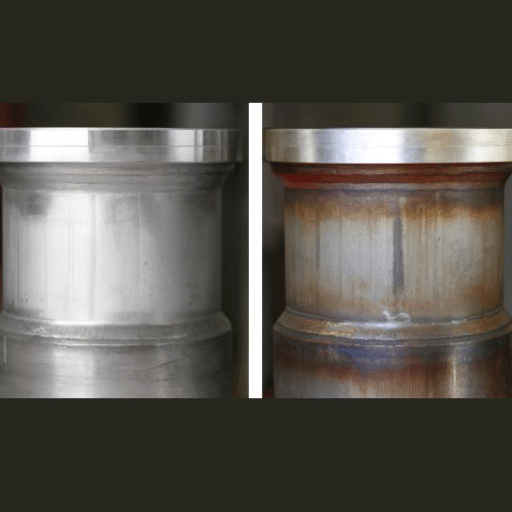
The metal treatment industry requires the enforcement of strict safety standards together with environmental regulations which safeguard personnel and local communities and protect natural habitats. Organizations achieve safe material handling through their compliance with OSHA (Occupational Safety and Health Administration) regulations in the United States and REACH (Registration, Evaluation, Authorization, and Restriction of Chemicals) regulations in the European Union. Organizations implement two main safety measures by requiring workers to use Personal Protective Equipment (PPE) when they handle chemicals and establishing proper ventilation systems which restrict access to hazardous fumes. The optimal safety practices which metal industries should implement lead to a 50 percent decrease in workplace injuries according to OSHA research.
The metal treatment industry considers wastewater management to be its most significant environmental issue. Metal finishing operations produce wastewater which contains hazardous materials that include heavy metals such as chromium, nickel, and zinc. Facilities are adopting new advanced filtration systems and chemical-neutralization technologies to minimize their environmental impact through pollution control. Research studies demonstrate that membrane filtration systems have the ability to reduce water contamination levels by 95 percent.
The implementation of sustainable practices is on the rise. Companies are switching from harmful hexavalent chromium to trivalent chromium which serves as a safer replacement for their chemical processes. The global market shows a 20 percent increase in eco-friendly chemical adoption during the last five years because businesses need to comply with new environmental regulations.
Digital monitoring systems have created major advancements in compliance monitoring processes. IoT-based systems perform continuous monitoring of emissions and chemical levels throughout the day to ensure regulatory compliance while preventing expensive violations from occurring. The systems create automatic reports which help organizations meet their transparency needs while making the auditing process more efficient.
The combination of advanced technology, complete regulatory compliance, and worker education investments establishes requirements for safety and environmental compliance protection measures. The metal treatment industry can achieve operational progress through improved safety measures which will safeguard both workers and natural resources.
Chemical Safety and Acid Handling
The successful handling of acids and hazardous chemicals depends on thorough safety planning and adherence to established protocols which protect workers and safeguard the environment. According to OSHA (Occupational Safety and Health Administration), approximately 190,000 illnesses and 50,000 deaths are attributed annually to hazardous chemical exposures in the workplace. Employers must follow safety protocols because they serve both regulatory needs and essential employee protection requirements.
1. Personal Protective Equipment (PPE):
Workers must use protective equipment which includes chemical-resistant gloves and face shields and goggles and protective clothing when handling acids. For instance, materials like neoprene or nitrile are recommended for gloves since they offer superior resistance against corrosive substances.
2. Proper Storage:
Acids should be stored in designated areas away from incompatible substances, such as bases or organic materials, to prevent dangerous chemical reactions. The use of corrosion-resistant containers together with secondary containment systems plays a vital role in preventing spills and leaks.
3. Ventilation Systems:
The facility should maintain strong fume extraction systems to achieve sufficient ventilation during work with active acids such as sulfuric acid and hydrochloric acid. Workers face danger because poor ventilation causes toxic fumes to build up.
4. Emergency Response Measures:
Safety showers and eyewash stations need to be installed throughout the facility at locations which guarantee instant access. Workers must receive training on emergency procedures which include spill neutralization and Material Safety Data Sheet (MSDS) utilization. Training programs can help organizations reduce workplace injuries which result from chemical handling according to recent statistics.
5. Safe Transfer and Dilution Practices:
The use of appropriate siphoning or pumping equipment constitutes mandatory practice for chemical transfer work because it protects against direct contact with materials. The correct method for diluting concentrated acids requires users to add acid to water because adding water to acid creates a reaction which produces dangerous heat and possible splattering.
The implementation of these safety measures together with ongoing regulatory compliance monitoring through organizations such as OSHA and EPA enables businesses to achieve substantial reductions in incidents which improve workplace safety. The establishment of well-trained personnel who possess necessary resources serves as the foundation for chemical handling processes which ensure sustainable operations.
Waste Disposal Best Practices
Proper waste disposal is essential for maintaining environmental safety and adhering to regulatory standards. The following five practices represent essential methods which organizations must follow to achieve responsible waste management while maintaining legal compliance:
Waste Segregation Should Begin At The Point Of Origin
The initial waste generation stage requires separation of all waste into four categories which include hazardous materials non-hazardous materials recyclable materials and non-recyclable materials. The statistics show that proper waste segregation practices can lead to waste processing cost reductions which range from 20 percent to 40 percent.
Waste Needs To Be Properly Labeled And Stored
All waste containers need to display clear labels which show both their contents and the associated hazards. The main reason for improper handling incidents in industrial facilities occurs because of improper labeling which results in 15 percent of all cases that get reported.
Chemical Waste Disposal Requires The Implementation Of Neutralization Procedures
Chemical waste disposal needs to follow existing protocols because all chemical waste must be treated according to their designated disposal methods. The process of acid and base neutralization prevents dangerous reactions while it also minimizes environmental dangers.
Organizations Should Collaborate With Authorized Waste Management Companies
The organization should work with authorized waste disposal companies which meet all applicable regulations including RCRA Resource Conservation and Recovery Act requirements. The service performs correct treatment and disposal operations which help reduce future financial responsibilities.
Waste Audits Require Organizations To Conduct Them On A Scheduled Basis
The organization needs to conduct waste audits on a regular basis to identify which areas need improvement regarding their waste disposal and generation methods. The recent industry reports show that businesses which conduct regular audits achieve landfill waste reduction rates which reach 25 percent.
Adopting these best practices enables environmental protection while organizations demonstrate their commitment to environmental sustainability and their need to comply with environmental regulations.
Safety Standards Compliance
The organization needs to establish complete safety standards because they serve as the main method to protect employees from work-related dangers. The Occupational Safety and Health Administration (OSHA) reports that businesses which adopt strong safety programs experience workplace injuries which decrease by 40% and they save money while their employees become healthier. The organization needs to implement three essential security measures which include complete employee training and proper personal protective equipment (PPE) usage and continuous hardware maintenance.
The organization requires industry compliance because it serves as the primary strategy to protect its public image while avoiding legal issues. The recent data shows that ISO 45001 compliance which serves as the international standard for occupational health and safety has enabled thousands of organizations worldwide to decrease workplace dangers while they improve their operational efficiency. The organization needs to create safety protocols which should be continuously monitored to ensure compliance with evolving regulatory standards.
Organizations that prioritize safety create work environments which promote accountability and security to achieve ongoing business success.
Quality Control in Pickling and Descaling
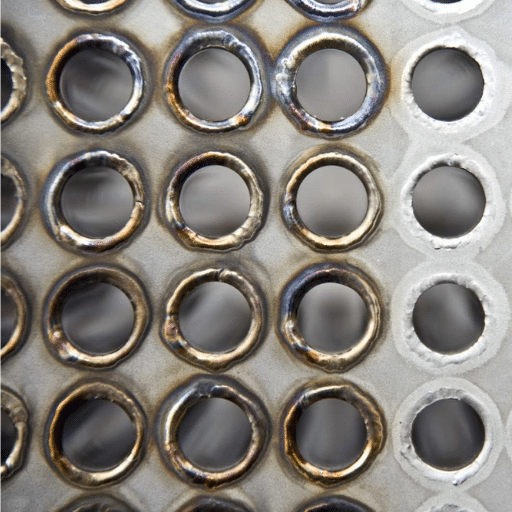
The process of pickling and descaling functions as a fundamental metal surface treatment method which needs to remove all types of contamination including rust and scale and oxide coatings. The organization needs to conduct quality control activities for all processes to achieve better material performance and to meet industry standards.
New technological systems have created modern monitoring systems which improve the effectiveness of pickling and descaling processes. The pickling process needs advanced pH sensors and conductivity meters to provide real-time acid concentration measurements while keeping the chemical components in their correct proportions. Operators can achieve the required acid usage for metal surface protection by combining three operations which include acid bath maintenance and equipment testing and calibration procedures.
The MarketsandMarkets report indicates that the worldwide metal cleaning chemicals market will experience a consistent 4.5% compound annual growth rate from 2023 to 2028 because of rising industrial requirements for corrosion-resistant metals. The implementation of automated pickling and descaling systems by businesses leads to operational enhancements which result in improved work efficiency and product quality while decreasing waste and operational expenses.
The implementation of strict safety protocols represents an essential requirement for these processes. The hazardous way that workers handle hydrochloric acid and sulfuric acid used in pickling operations creates major difficulties for the work process. The establishment of continuous training programs for workers together with protective equipment implementation and environmental regulation compliance creates a safe workplace environment which reduces environmental damage.
The implementation of strong quality control methods together with advanced technological solutions enables industries to boost metal product performance which results in business advantages within the changing market environment.
Success depends on the monitoring of key success factors.
The monitoring of core business activities serves as an essential requirement for successful operational processes within an organization. The main operational elements displayed below need continuous monitoring together with their corresponding details which explain their importance to the process.
Quality Standards
The organization requires complete quality control procedures to establish their operational standards which must be followed by all employees who work with our products. The standards and customer requirements exist through the regular assessment of product quality which provides verification of compliance with those standards. The process involves monitoring defect occurrences through regular evaluations and employing advanced assessment methods.
Production Efficiency
The assessment of production cycles together with equipment downtime and resource usage enables businesses to find their operational weaknesses which they can address through process optimization.
Environmental Compliance
The combination of waste monitoring systems and emission rate evaluations and energy consumption assessments enables organizations to fulfill environmental regulations while reaching their sustainability targets.
Safety Performance Indicators
The system monitors workplace incidents which encompass safety protocol violations and employee training records to maintain a safe workplace environment that decreases operational dangers.
Market Demand Trends
Companies can establish their competitive edge through market analysis which examines customer behavior and sales patterns and potential market growth sectors. Correct tool maintenance protects surfaces during operational work because it acts as a surface protection method. The protection of surfaces requires me to use protective coverings and coatings whenever necessary while I handle materials according to established procedures. My surface protection efforts throughout the different process stages become successful through my constant attention to practice adherence.
Importance of Post-treatment Inspections
The process of post-treatment inspections establishes essential procedures which verify surface quality and durability and operational capacity after any treatment procedure. The inspections detect treatment-related defects while they check industry compliance and determine how long the treated surfaces will last. The process of detailed investigation allows for immediate solution development which helps reduce future costs associated with repairs and system breakdowns. The following five components serve as fundamental requirements for conducting post-treatment inspections.
Surface Integrity Assessment
The process involves examining the surface to find any existing cracks or scratches or areas with uneven coating which could endanger its structural strength. The detection of all surface imperfections requires testing equipment which includes magnifiers and non-destructive testing techniques.
Adhesion Testing
The process of testing adhesion between coatings or treatments and surface materials constitutes an essential procedure. The adhesion tests assess layer bond strength to determine how well the material performs against external pressure.
Thickness Measurement
The process of measuring coating thickness helps ensure that applied coatings maintain standard thickness and match established process guidelines. The ultrasonic gauge represents a standard device which delivers precise measurement results.
Contamination Check
The performance of treated surfaces becomes compromised when contaminants such as dirt and grease and residues remain present. Surface inspections typically involve chemical tests which verify that surfaces have been completely cleaned and do not contain any prohibited substances.
Compliance Verification
All treated surfaces should meet the relevant industry or project standards. The combination of proper document management and inspection report creation establishes proof that organizations meet both regulatory standards and client expectations.
The key elements which post-treatment inspections evaluate will produce high-quality results and guarantee dependable performance throughout different use cases.
References
Nickel Institute: “Cleaning and Descaling Stainless Steels”
Link to PDF
This document is published by the American Iron and Steel Institute and provides detailed insights into cleaning and descaling processes for stainless steel.
ASM International: “Pickling and Descaling”
Link to Article
ASM International provides a historical and technical overview of pickling and descaling processes.
U.S. Environmental Protection Agency (EPA): “Steel Pickling: A Profile”
Link to PDF
This document discusses various pickling methods and their environmental impact.
Frequently Asked Questions (FAQ)
How does pickling and passivation remove oxide scale from metal surface?
Pickling solutions serve as chemical agents that dissolve metals through their acidic or alkaline formulas. The most common chemical components used for this purpose are sulfuric acid and hydrochloric acid and nitric acid and phosphoric acid together with hydrofluoric acid blends which target particular alloys. The solutions produce hazardous waste materials which include pickling sludge and spent pickle liquor that require both neutralization and treatment before they can be safely disposed of. The acids require safe handling combined with proper ventilation and personal protective equipment because they exhibit corrosive and acidic properties while having toxic effects. The treatment process includes three steps which involve neutralizing the acids and removing heavy metals through precipitation while meeting environmental standards.
Can pickling remove rust and what acids are used to remove rust?
Pickling establishes a clean surface which has no oxide or contaminants which improves bonding strength and delivers consistent results through all finishing steps. Pickling helps to eliminate unwanted substances which would hinder plating and coating processes. Pickling restores the original corrosion protection of welded materials by eliminating both heat treatment oxides and scaling which developed during hot work operations. Pickling allows make-up grinding and polishing to reduce stock removal needs through chemical descaling while mechanical polishing remains necessary to achieve the desired surface finish and eliminate defects from previous fabrication work.
Is pickling used for titanium and how is titanium pickled safely?
The process of pickling creates dangerous pickle liquor and pickling sludge which contains dissolved metal ions and heavy metals and acid residues. The process of neutralization requires the addition of alkaline solutions which include lime and sodium hydroxide to increase pH levels until metal hydroxides or sulfates precipitate and solid materials can be properly disposed of. The waste treatment process includes three components which are filtration systems and neutralization tanks and local discharge limit compliance. The correct management system prevents the environmental release of hazardous substances while decreasing the risks that come from acid and pickling sludge.
How does pickling compare to abrasive blasting and mechanical polishing for stock removal and finishing?
Pickling should be selected as the preferred method when scale and contaminants require removal from surfaces which have thin oxide scales and adherent contaminants and when surface geometry and dimensional tolerances need to be preserved and when metallurgical issues with brittle zones and alloy sensitivity exist which make extensive grinding impractical. The process of mechanical grinding and stock removal requires physical removal to eliminate heavy scale and weld spatter and deep defects. A combination of chemical pickling for oxide and contaminant removal together with minimal grinding and polishing for defect correction and surface finish achievement proves to be the most effective and cost-efficient method.
What are pickling solutions and what hazards do they present?
The procedure of pickling together with passivation functions as a chemical surface treatment technique which successfully removes both oxide scale and contaminants from steel surfaces together with other metal alloys. The acid pickling solutions which typically use sulfuric acid and nitric acid together with hydrofluoric acid for stainless and titanium materials will dissolve the oxide material and oxide scale while removing the attached iron oxides and all other surface contaminants. The passivation process uses nitric acid or citric acid treatments after pickling to create a protective oxide layer which prevents corrosion while maintaining a clean surface that can undergo finishing and plating processes.
How does pickling affect subsequent finishing processes like plating, welding, or polishing?
The process of pickling removes rust from surfaces because it converts iron oxides into substances that can dissolve which then combine with other materials during the process. The acid solutions which remove rust from surfaces use sulfuric acid to eliminate heavy scale buildup on ferrous metals while they use phosphoric acid or dilute nitric acid to clean lighter rust and surface contaminants. The process of removing oxide from stainless alloys and titanium requires the use of nitric and hydrofluoric acid mixtures or special pickling solutions which restore corrosion resistance without losing too much base metal. The process needs both neutralization and complete rinsing to remove all traces of acid and pickling waste.
What environmental and waste considerations are associated with pickling and how is pickle liquor neutralized?
Titanium pickling needs its own acid cleaning methods since its oxides stick to surfaces. The cleaning of surfaces requires the use of nitric acid together with special oxidizing pickling solutions to eliminate contaminants that have accumulated during hot working or fabrication. The hazardous nature of hydrofluoric acid makes it necessary to avoid using it except in specialized processes which require controlled environments because it aggressively attacks both oxides and base metal. The process of pickling requires safety measures which include fume control and waste neutralization and disposal methods that follow both ASM International and environmental regulations for pickling sludge and pickle liquor.
When should pickling be chosen over grinding or other stock removal methods to remove scale and contaminants?
Pickling uses chemical processes to remove oxide scale and contaminant films through dissolution while abrasive blasting and mechanical polishing use physical methods that rely on abrasion for surface cleaning. Pickling operates as an effective method to eliminate thin oxide layers which adhere to surfaces because it requires no heavy grinding or polishing while keeping the original surface shape intact. The process of pickling enables the removal of thin oxide layers while blasting and grinding are used to remove thicker scale material and create specific surface finishes. The combination of pickling with mechanical cleaning or polishing helps achieve the necessary surface finish and cleanliness requirements which operators need for plating and welding operations.