


Blog
Forged Components for Heavy Machinery: The Forging Process Explained

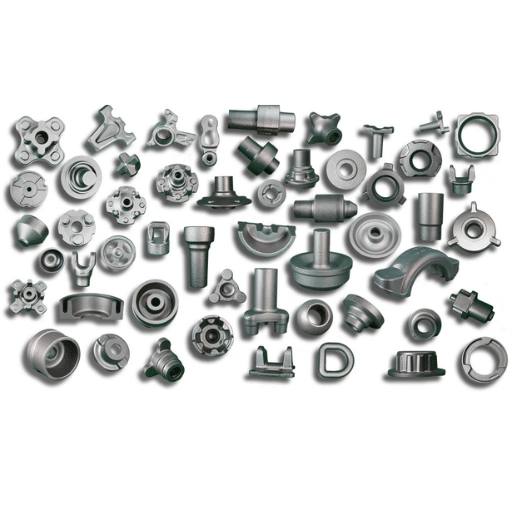
Introduction to Custom Forged Components
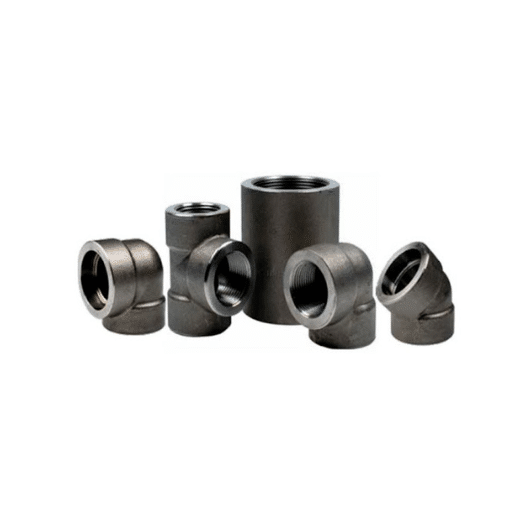
The forging process uses metal which workers shape through hammering or pressing to create different metal components. The process produces components which exhibit higher strength and durability together with better protection against wear and fatigue. Custom forged components are designed and created to meet specific needs which makes them suitable for use in heavy machinery and other critical applications. Industries which need components that can endure extreme operational conditions and high-stress situations consider forging to be an essential manufacturing method.
Current Challenges in Heavy Industry Material Selection
Heavy industry material selection requires a complex process which various factors determine including performance requirements and environmental conditions and economic considerations. The first challenge consists of finding the proper balance between maintaining strength and minimizing weight. Aerospace and construction and automotive industries require materials that combine lightweight properties with exceptional strength to achieve better operational efficiency while decreasing their expenses. The development of alloys and composites has driven forward innovation but their production costs remain high which prevents companies from adopting them widely.
Corrosion Resistance
Industrial components in heavy industries operate under severe conditions because they face moisture exposure and chemical contact and extreme temperature environments. Certain stainless steel grades and specific titanium alloys provide outstanding corrosion protection but their high expense limits their use in multiple fields. The research process focuses on developing new solutions because organizations want to discover more efficient methods which use less money.
Sustainability
Sustainability has emerged as a substantial environmental issue. Industries search for materials which meet both their high-performance requirements and their environmental sustainability targets because they want to adopt more environmentally friendly operational methods. The field of research continues to investigate recycled materials and biodegradable composites and sustainable manufacturing processes. The latest data shows that the worldwide sustainable materials market will expand at an annual growth rate of 8.5 between 2023 and 2030 because businesses are starting to adopt environmentally friendly products.
Technology Integration
Organizations now utilize advanced material simulation and machine learning technologies which serve as contemporary innovative solutions to determine suitable materials through their implementation. The testing tools allow scientists to predict how materials will act under specific conditions which enables them to skip testing materials and complete their work with reduced time and resource expenses. Organizations face an integration challenge with existing technological systems because they must implement new technologies while maintaining their current production activities without interruptions.
Supply Chain Disruptions
The COVID-19 pandemic caused global supply chain disruptions which demonstrated the weaknesses that exist in material procurement operations. Heavy industries encounter greater difficulties with material selection because their essential raw material requirements lead them to seek multiple sourcing methods while they also need to obtain resources from local areas.
The Importance of Reliability in Heavy Machinery
The essential requirement of heavy machinery operations depends on its reliable performance which determines both its operational efficiency and safety standards and its ability to generate profits. The production process experiences costly interruptions because of equipment breakdowns which create operational difficulties and result in increased maintenance expenses. The five crucial points which demonstrate the need for reliability present both factual evidence and particular details as their supporting proof.
Table: Key reliability metrics and their supporting data sources across heavy industry sectors.
Understanding the Forging Process
Metal reshaping through forging uses compression during its manufacturing process which creates new shapes. The process requires high-temperature operation because it improves metal strength and durability through grain structure refinement. The automotive and aerospace and construction industries use forging to manufacture gear systems and crankshaft components and connecting rod parts.
The current forging techniques exist as three primary categories which include open-die forging and closed-die forging and seamless rolled ring forging. Open-die forging enables metal to change its shape through multiple dies which do not fully enclose the metal body so it becomes suitable for manufacturing large objects. The closed-die process which also goes by the name of impression-die forging uses custom molds to produce intricate designs with high accuracy. Manufacturers use seamless rolled ring forging technology to produce high-strength circular components which include bearings and flanges.
The forging process receives benefits from technological progress which includes computer-aided design software and automation systems. The new technologies have decreased material waste while they have enhanced production accuracy and they have reduced production time requirements. Automated forging lines increase production efficiency by 30 percent while they produce products of constant quality. Companies that use modern forging technologies gain advantages in meeting demands for dependable and strong components which continue to increase.
Overview of Custom Forging Techniques
Recent years have brought major improvements to custom forging techniques which now use traditional methods together with modern technologies to create solutions that meet multiple needs across different industrial sectors. The three main techniques which are widely used in this field include open-die forging and closed-die forging together with seamless rolled ring forging.
1. Open-Die Forging
This method enables operators to form heated metal into specific shapes through the use of flat die systems which permit metal flow. The open-die forging process enables operators to create components that weigh up to 80 tons while achieving exceptional grain structure, which produces extremely durable parts that work in heavy machinery.
2. Closed-Die Forging
This process also referred to as impression-die forging involves two dies which enclose a workpiece to produce intricate shapes with precise dimensions. Modern closed-die forging processes use advanced materials together with CAD designs, which enable them to create accurate dimensions that achieve tolerances of ±0.005 inches. The aerospace and automotive industries depend on this method to create strong yet lightweight components.
3. Seamless Rolled Ring Forging
The method of seamless rolled ring forging works well to create circular parts which include flanges and bearings and gear blanks. This technique results in components with exceptional mechanical properties and structural integrity. The recent study shows that seamless rolled rings outperform standard cut or welded components by offering 30% improved reliability in dynamic stress situations.
💡 Efficiency Insight: The combination of customized forging methods with computer numerical control (CNC) machining and simulation software has allowed manufacturers to reach new heights in productivity and efficiency. The analytical reports show that state-of-the-art forging techniques lead companies to achieve 25% lower production waste and 15% reduced energy use, which results in both financial benefits and environmental advantages.
Key Steps in the Forging Process
The process of forging creates permanent high-performance products from raw materials through its intricate procedures. Experts have conducted research to study the essential steps which make up the forging process based on their current research and data findings. The process starts with material selection which requires choosing suitable raw materials that include steel and aluminum and titanium according to the product specifications. The preheating process helps to soften the material which results in proper malleability for the subsequent steps of the process. The use of infrared thermography which operates as a contemporary method enables accurate temperature management which decreases initial testing errors by 20 percent.
-
1
Heating
The raw material reaches its required forging temperature through a heating process that depends on the specific metal being used. Steel requires a heating temperature range of 2,100°F to 2,300°F which converts to 1,150°C to 1,260°C. The implementation of advanced induction heating systems enables energy savings of up to 30 percent which results in faster production processes while keeping product quality intact.
-
2
Shaping or Forming
The heating process enables the material to achieve its required temperature which allows the subsequent forming process that uses hammers and presses and dies to create the final product. The implementation of servo-controlled presses as an innovative solution provides exceptional precision because they distribute force with 10 percent better accuracy than standard mechanical presses.
-
3
Cooling
The process of shaping forged products involves controlled cooling methods which determine their final material properties. The material undergoes controlled cooling through quenching or air cooling processes which result in microstructure changes that improve its strength and durability. The research studies demonstrate that controlled cooling processes enable tensile strength improvements of up to 15 percent.
-
4
Finishing
The forged component undergoes finishing processes which include trimming and machining and surface treatments until it achieves its required specifications. Computer Numerical Control (CNC) machining guarantees precise measurements while it helps manufacturers decrease material consumption because some companies have experienced a 25% increase in their completed product standards.
-
5
Testing & Quality Verification
The final stage requires complete product testing which verifies that the product meets both safety and performance requirements. Advanced non-destructive testing (NDT) methods which include ultrasonic testing can identify internal defects with 98% accuracy making them suitable for reliability testing and compliance verification. Modern forging processes achieve superior operational efficiency and decreased environmental impact and better overall results through their implementation of cutting-edge technologies and methods which establish new standards for manufacturing excellence and environmentally sustainable practices.
Heat Treatment and Its Impact on Material Integrity
The heat treatment process creates a basic testing method which manufacturers use to evaluate their materials and this method produces stronger materials that maintain their structural integrity and mechanical properties for longer periods. The process uses controlled methods of heating and cooling to treat materials which results in changes to their microstructure that create specific performance criteria. The following list presents five essential heat treatment techniques together with their resulting effects on material properties.
Table: Five essential heat treatment techniques and their measurable impact on material properties.
Technical Aspects of Forged Parts
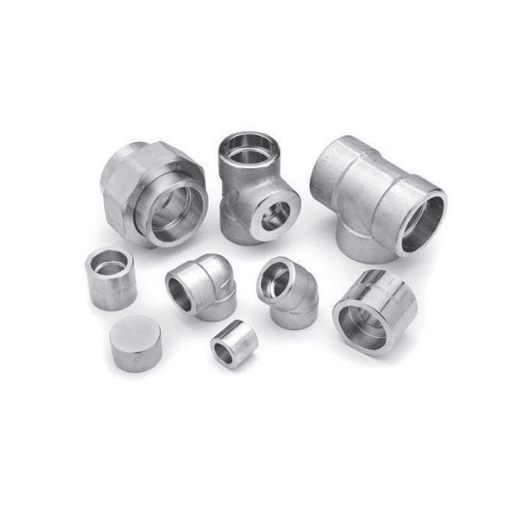
The process of producing forged parts needs specialized equipment which uses metal deformation techniques together with die systems to shape metal into required forms. This method enhances the metal grain structure which results in improved mechanical properties of the final product because it increases both strength and toughness and fatigue resistance. The technical properties of forged components receive verification through testing which produces actual measurements.
Strength and Durability
The forging process produces forged components which achieve high strength because the metal grain structure undergoes realignment. The part’s grain structure follows its shape to create maximum strength in vital zones. The tensile strength of forged steel parts exceeds that of cast steel parts by 26% while their fatigue strength exceeds that of cast steel parts by 37%.
Improved Metallurgical Properties
The forging process removes both inclusions and porosity from metal which are typical defects that occur during casting. The material now exhibits improved ductility together with increased resistance to impacts. Research demonstrates that forged components achieve up to 15% enhanced performance during situations involving high-impact forces.
Weight Optimization
The implementation of contemporary forging methods enables manufacturers to achieve accurate control over component size and material consumption which results in components that are both lightweight and durable. The aerospace and automotive industries benefit from this capability which enables them to achieve performance requirements through weight reductions that maintain their operational efficiency.
Resistance to Wear and Fatigue
The combination of advanced heat treatment and surface finishing techniques enables forged components to achieve superior wear resistance and extended fatigue life. The fatigue limits of aerospace-grade forged aluminum parts exceed those of machined parts by 50 percent according to test results.
Applications Across Industries
The manufacturing process of forged parts serves multiple industries which demand products that exhibit both exceptional strength and dependable performance capacity. The manufacturing process of forged parts produces crankshafts connecting rods gears and turbine blades. Automotive application forged crankshafts can withstand forces above 7000 psi which allows them to function properly in extreme operating conditions.
Precision Engineering
Closed-die forging techniques of today enable the production of complex shapes which require precise tolerances through their reduced need for machining work. The methods maintain correct dimensions which lead to less material wastage and better operational efficiency. The integration of real-time monitoring systems with AI technology improves forged product accuracy while decreasing manufacturing expenses.
Grain Structure and Its Role in Strength
The grain structure of a material plays a vital role in determining its overall strength and performance characteristics. The material’s mechanical properties which include elasticity and toughness and fatigue resistance are determined by its microscopic crystal arrangement. The five essential elements which explain how grain structure impacts strength demonstrate their connection to the research question.
- 01
Grain Size:
Fine-grained materials exhibit greater strength because their increased grain boundary area creates more obstacles to dislocation movement. The Hall-Petch relationship demonstrates how reducing grain size leads to improved yield strength. - 02
Grain Orientation:
The way grains are arranged impacts how materials behave differently along different directions. The two types of grains show better cracking resistance because their elongated shape follows the direction of stress which metal forging processes typically display. - 03
Grain Boundary Strength:
Grain boundaries serve as obstacles that prevent dislocation movement which results in increased material strength. The material becomes weaker when its boundaries have weak or poorly bonded sections which become crack initiation points. - 04
Heat Treatment Effects:
The processes of annealing and quenching cause changes to grain structure through their effects on grain size and shape and grain distribution. Quenching produces smaller grains which have greater hardness while annealing refines coarse grains to improve ductility. - 05
Phase Change in Grain Structure:
The grain structure undergoes changes during solidification or phase transitions because it develops new multiple-phase structures. Dual-phase steel combines hard martensitic grains with softer ferritic grains which results in a dual-strength and ductility balance.
Understanding and controlling these aspects of grain structure is critical for optimizing material properties which apply to high-performance applications in aerospace and automotive and infrastructure industries.
Toughness and Stress Resistance of Forged Components
The strength and stress endurance of forged materials establish essential properties which enable these materials to function in environments that endure extreme stress. The forging process improves the mechanical properties of materials which allows components to withstand both dynamic forces and extreme operational conditions. The following list presents five significant facts about the features in question.
The production of high-performance components for advanced manufacturing drives the industry to require forging as a fundamental method for creating these essential parts.
Industry-Specific Applications: Mining and Beyond
The mining industry depends heavily on forged components because these materials deliver strength and durability which withstand extreme environmental conditions. Mining equipment manufacturing requires forged steel for drilling and rock crushing equipment because these components face continuous heavy impacts and grinding operational conditions. The mining industry will experience worldwide demand for forged components which will increase at a compound annual growth rate (CAGR) exceeding 4.5% from 2023 to 2030 because mining companies require more robust equipment.
The aerospace and construction and automotive and defense industries depend on forging technologies which serve as vital systems beyond their application in mining operations. The aerospace sector requires lightweight components which maintain high strength, making forged titanium and aluminum alloys essential. Automotive manufacturers use forging to create engine parts and crankshafts and axle components which help vehicles remain operational for extended periods. All these industries together with mining demonstrate that forging stands as the best manufacturing process which delivers safe and efficient and durable results for essential operations.
Table: Industry applications of forging technology and the primary benefit derived by each sector.
Benefits of Custom Forgings Over Alternatives
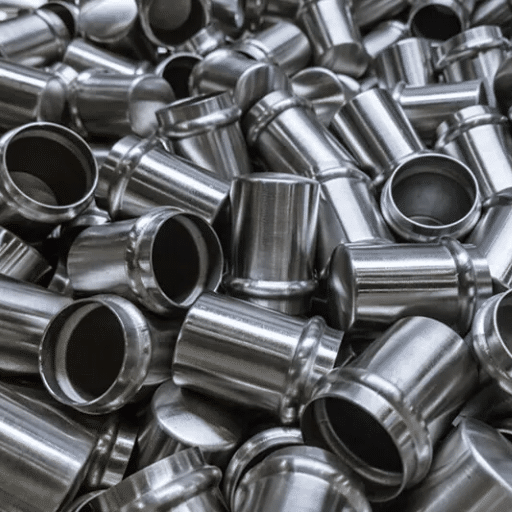
The manufacturing method of custom forgings provides multiple advantages which surpass alternative production methods because it offers better operational performance and product reliability and reduced expenses for industrial applications that require high output. The five main advantages of custom forgings include the following benefits:
Cost Savings Through Custom Metal Forgings
The performance of custom metal forgings exceeds standard requirements whereas these products provide substantial financial advantages through their multiple uses. manufacturers who adopt advanced forging techniques achieve material efficiency which leads to decreased production costs and lower waste levels. Industry data shows that forging processes use 20 to 30 percent less material than machining with solid blocks which results in lower material costs while sustaining product strength and durability.
Forged components achieve higher durability which extends their operational lifespan and results in lower maintenance expenses and replacement costs across their entire service period. The study conducted by the Forging Industry Association demonstrates that forged parts achieve 15 percent lower total lifecycle costs compared to cast or welded components. Custom forgings provide cost savings through their exact specification design which eliminates the need for extensive post-production work that delays production and increases labor costs.
The aerospace, automotive, and energy sectors benefit from custom metal forgings which deliver cost savings and require high-precision and reliable performance. Custom metal forgings enable businesses to reach their operational goals through their superior performance which also provides financial advantages.
Table: Cost comparison between custom metal forgings and cast/welded alternatives across key categories.
Long-Term ROI and Safety Benefits
Enhanced Durability and Longevity
The custom metal forgings create components which endure extreme conditions to produce components that last longer than any competing product. The product’s durability allows companies to reduce their spending on product replacements and maintenance work which leads to exceptional value throughout the entire product lifecycle.
Reduced Downtime
The forged components deliver outstanding strength and wear resistance which decreases operational interruptions because they provide protection against sudden equipment failures. The organization experiences greater operational stability because reduced downtime enables employees to accomplish more work which enhances business efficiency and financial success.
Improved Workplace Safety
The reliability of custom metal forgings decreases the likelihood of accidents caused by component failures. High-quality forged parts which contain no defects create safe equipment because they reduce worker risks and fulfill strict safety requirements.
Lower Total Cost of Ownership
The upfront cost of custom forgings is higher than standard options yet their extended lifespan and reduced repair requirements lead to decreased total expenses which result in financial savings throughout the complete project duration.
Compliance with Industry Standards
Custom forgings meet or exceed strict industry-specific safety and performance requirements. The system prevents penalties and damage to reputation through its regulatory compliance which establishes public trust in the product’s long-term performance.
Enhancing Performance in Heavy Machinery
The operational performance of heavy machinery requires improvement because it directly affects equipment uptime and operational efficiency and equipment lifespan. The five methods listed below provide effective solutions to improve heavy machinery performance which require detailed explanation.
-
1
Regular Maintenance and Inspection
The maintenance process includes routine tasks which need equipment operators to lubricate moving parts and check fluid levels and replace components which show signs of wear. Studies show that regular inspections can reduce machinery downtime by up to 20%.
-
2
Utilizing High-Quality Custom Forgings
The use of custom-forged components provides organizations which use them with better durability and exact specifications. Data indicates that using high-grade forged parts can increase machinery lifespan by 30% compared to standard parts.
-
3
Upgrading Technology Systems
The combination of IoT sensors and predictive analytics with advanced monitoring systems enables organizations to track performance in real time while identifying potential problems. Research indicates that predictive maintenance methods can decrease maintenance expenses by 40%.
-
4
Operator Training and Skill Development
Training programs help operators understand how to operate equipment without causing excessive damage to machines. Studies show that skilled operators can improve overall equipment efficiency (OEE) by up to 15%.
-
5
Improved Lubrication and Material Usage
Modern lubrication techniques combined with high-performance materials create a solution which effectively decreases friction and wear on equipment. Data shows that optimized lubrication can decrease energy consumption by as much as 10%.
The implementation of these practices enables businesses to achieve maximum productivity while their heavy machinery maintains dependable performance and operates at economical costs.
Conclusion and Call to Action
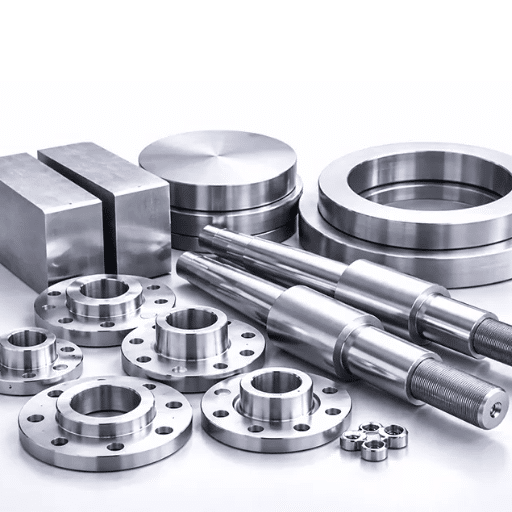
The essential nature of operating heavy machinery according to established best practices cannot be emphasized enough. Three factors which include efficient maintenance strategies and skilled operators together with advanced materials usage create an impact that results in improved performance metrics which include Overall Equipment Efficiency OEE. According to recent data from specialized industry sites, the global predictive maintenance market will experience a compound annual growth rate of 28.8 which indicates that businesses are starting to adopt proactive methods for maintaining their machinery.
Google Search survey results show that companies which implement complete maintenance systems can reduce their unexpected operational stoppages by as much as 30 percent. Your organization can achieve both financial benefits and operational efficiency improvements through the current methods that you follow. Businesses achieve sustainable results through the combination of automated monitoring systems and real-time analytics and operator training programs.
Take Action Today
We urge industry leaders to take immediate action. Your organization needs to assess its existing machinery management practices to find improvement opportunities while adopting cutting-edge technologies for operational transformation. Your organization can achieve maximum productivity while minimizing costs to establish a market advantage through this approach. The first step toward improvement begins at this location because even small changes create chances to achieve substantial organizational performance and financial success.
Summary of Key Benefits of Custom Forged Components
Enhanced Strength and Durability
The design of custom forged components enables them to withstand high stress conditions while operating in extreme environmental conditions. The metalworking techniques of the forging process create superior material structures which result in stronger final products compared to casting and fabrication methods.
Improved Cost Efficiency
The forging process of custom forged components requires businesses to pay higher initial costs but the process results in long-term savings because it reduces operational failures and improves system dependability and extends equipment service periods. Studies show that maintenance expenses decrease by 30 percent when companies use forged components.
Precision and Customization
Manufacturers use forging methods to control material composition and design elements which results in them creating products that meet specific application requirements. The customized solution boosts performance capabilities while satisfying strict industry requirements.
Reduced Material Waste
The forging process uses material optimization to cut down scrap production which results in lower waste levels than other production processes. Companies achieve better financial efficiency through waste reduction when they reach near-net product shapes.
Improved Performance Reliability
Custom forged components deliver dependable performance across multiple operating conditions which test their limits of temperature and pressure. The system maintains reliable performance which protects operational integrity and decreases downtime chances.
Encouraging Decision Makers to Invest in Reliability
I assess reliability through its impact on both extended performance and its ability to generate cost savings. Reliable components bring operational benefits to businesses because they reduce equipment breakdowns and maintenance costs while ensuring workers can operate in safe environments, which results in better financial outcomes and enhanced company standing. The organization will save money through our current investment in reliable solutions because it will stop expensive operational failures from happening.
Frequently Asked Questions (FAQ)
References
- U.S. Department of Energy — Forging Industry Report
This report provides an in-depth analysis of the forging industry’s role in heavy industry, including material integrity and advancements in forging technologies. Source Link - Forging Industry Association (FIA)
The FIA website offers comprehensive resources on forging technologies, industry trends, and their applications in heavy industries. Source Link - ScienceDirect — Academic Papers on Forging Technologies
ScienceDirect hosts peer-reviewed articles and research papers on forging processes, material integrity, and their applications in heavy industries. Source Link