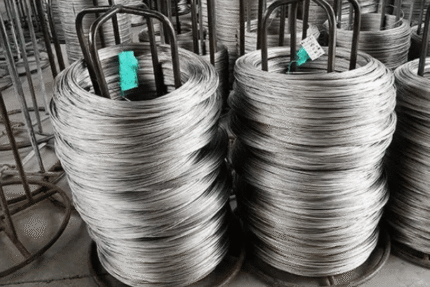
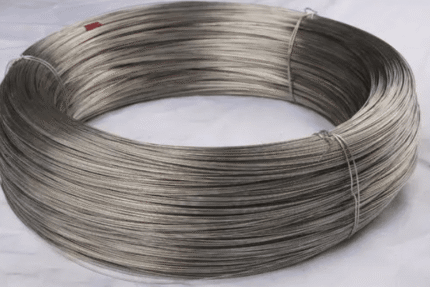
High Standard Stainless Steel With Strict Inspection


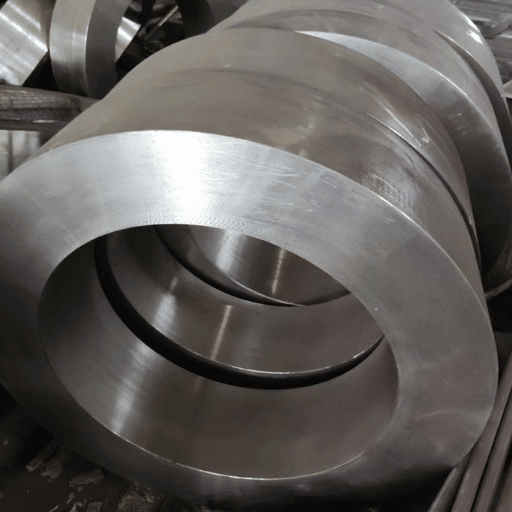

Waspaloy
Complete Technical Data Sheet for Waspaloy Chemical Composition Mechanical Properties Physical Properties International Standards & Grade Equivalents Key Applications of Waspaloy Gas Turbines Ideal for blades, vanes, seals, and hot-section components exposed to long-term thermal cycling and high stresses, ensuring lasting efficiency and reliability. Industrial Heating Equipment Used in process furnaces, heat exchangers, and other […]
Description

Our Waspaloy Alloy Types

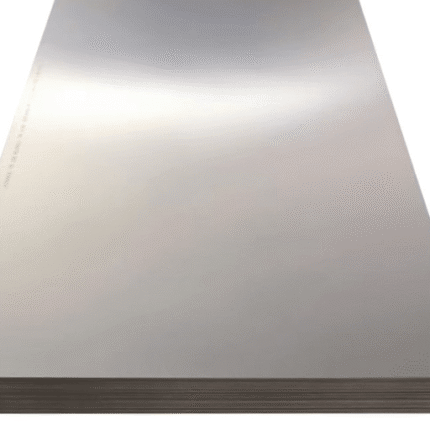
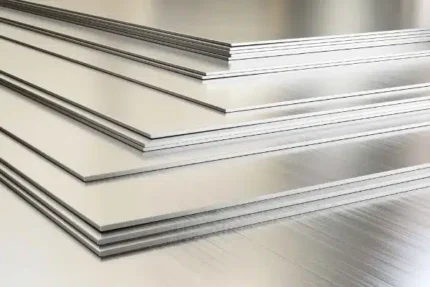
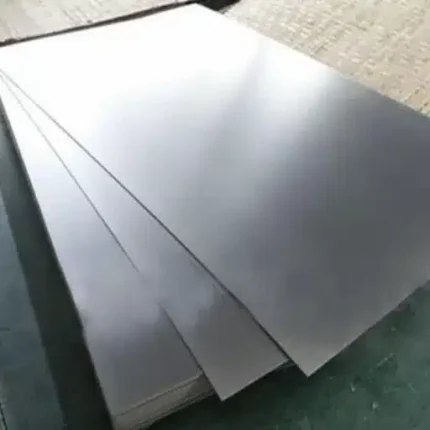
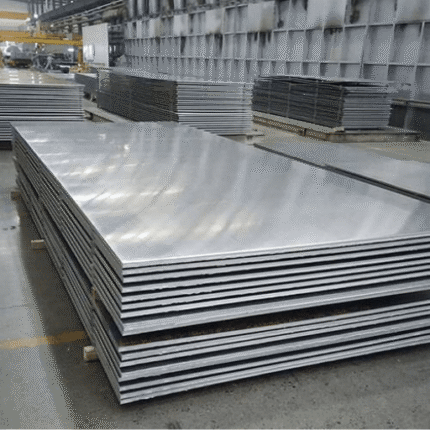
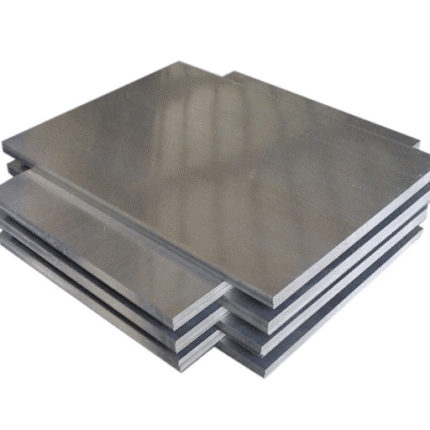
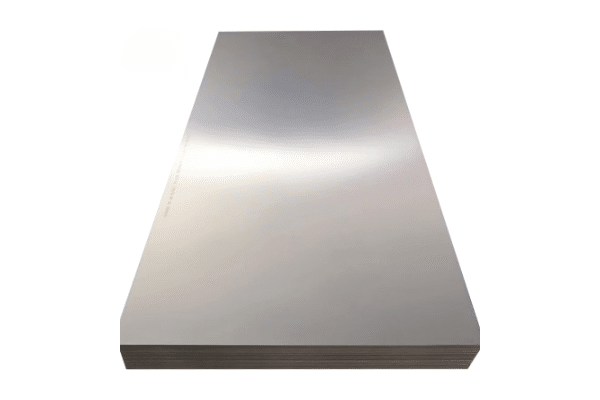
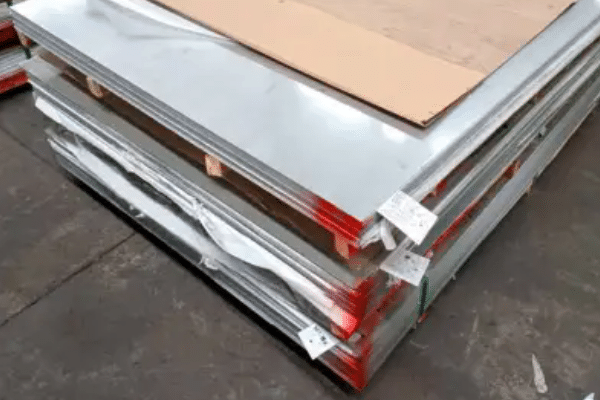
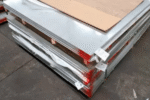
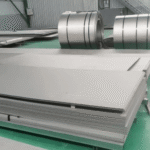
Waspaloy Alloy Plates
Our Waspaloy plates are the premier choice for fabricating high-performance components that demand exceptional strength at elevated temperatures. This age-hardenable superalloy provides outstanding creep and oxidation resistance, making it the ideal material for manufacturing turbine casings, exhaust liners, and other critical hot-section parts for aerospace and gas turbine engines.

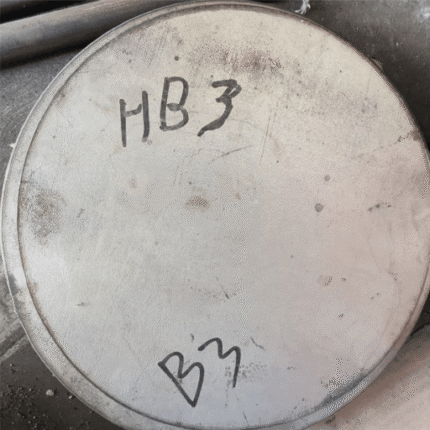
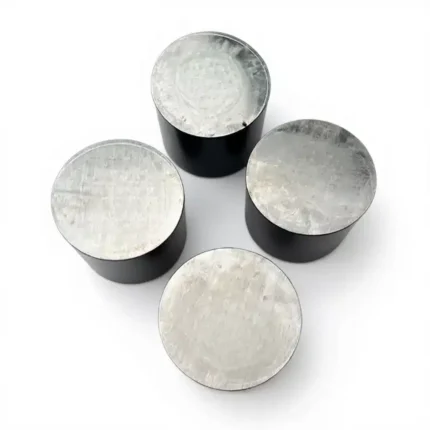
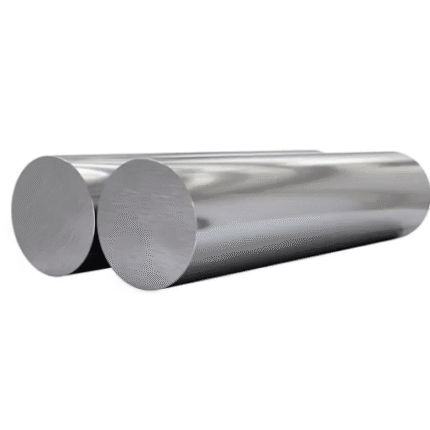
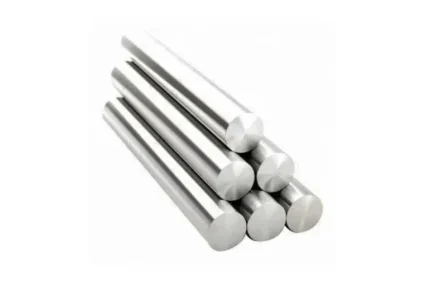
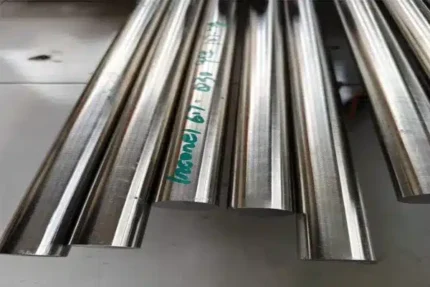
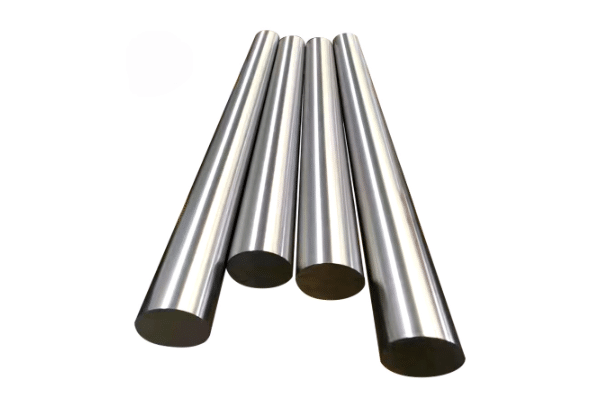
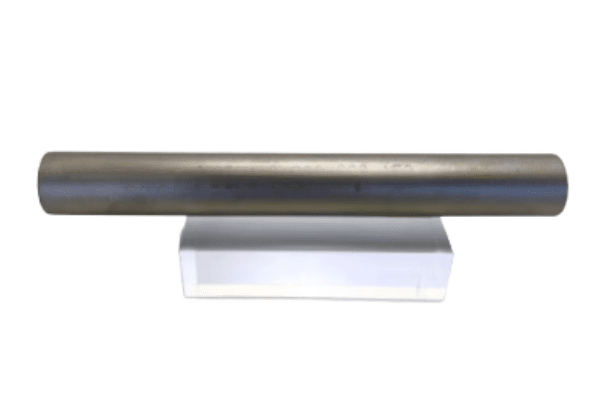
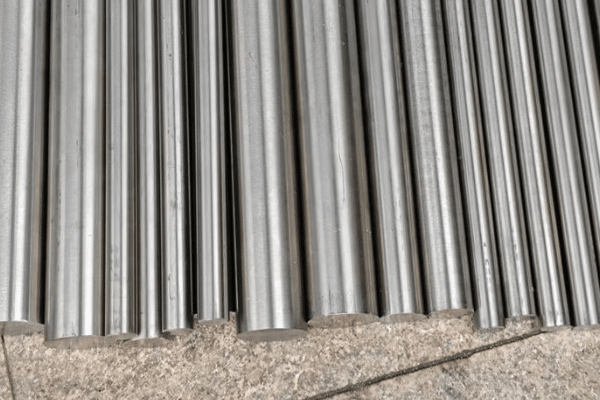
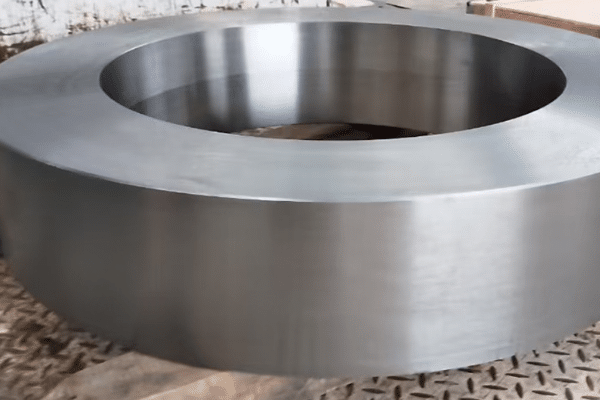
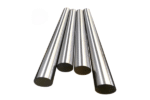
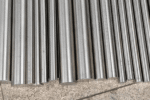
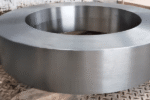
Waspaloy Alloy Bars
Available in various diameters, our Waspaloy bars and rods are a superior machining stock for creating parts that operate under extreme heat and stress. The material’s ability to maintain high strength up to 870°C (1600°F) makes it perfect for manufacturing turbine shafts, high-temperature fasteners, and other critical components where performance and reliability are non-negotiable.

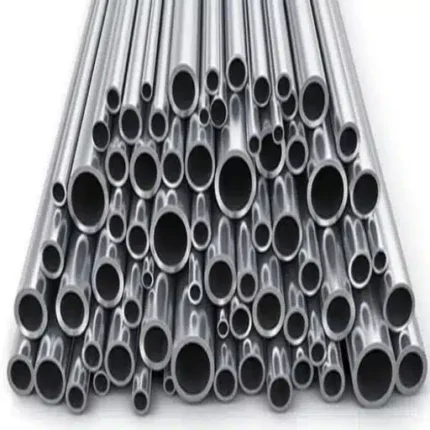
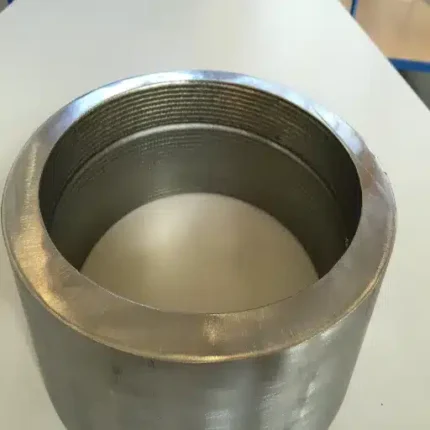
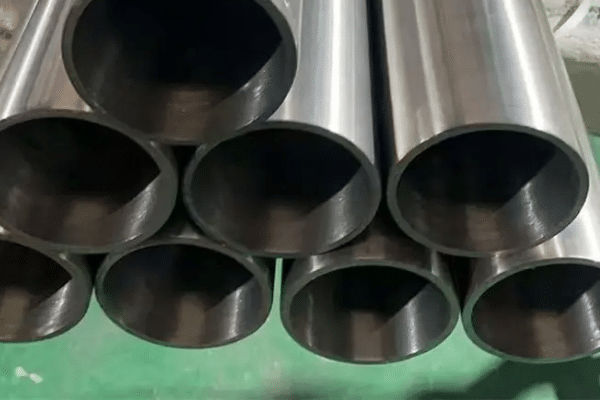
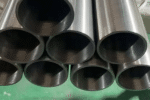
Waspaloy Alloy Tubes
Engineered for the most demanding extreme environments, our Waspaloy seamless tubes offer an unparalleled combination of high-temperature strength and corrosion resistance. This makes them the definitive material for high-performance fluid conveyance systems, afterburner components, and instrumentation in aerospace and industrial gas turbine applications where integrity under pressure is essential.
Complete Technical Data Sheet for Waspaloy
| Element | Composition (%) |
|---|---|
| Nickel | 52.0 – 63.0 |
| Chromium | 18.0 – 21.0 |
| Cobalt | 12.0 – 15.0 |
| Molybdenum | 3.5 – 5.0 |
| Titanium | 2.75 – 3.25 |
| Aluminum | 1.2 – 1.6 |
| Iron | ≤ 2.0 |
| Carbon | 0.02 – 0.10 |
| Zirconium | 0.02 – 0.08 |
| Boron | 0.003 – 0.010 |
| Property | Typical Minimum Values at Room Temperature |
|---|---|
| Tensile Strength | 1205 MPa (175 ksi) |
| Yield Strength (0.2% Offset) | 860 MPa (125 ksi) |
| Elongation | 20% |
| Hardness (Rockwell C) | ≥ 32 HRC |
| Stress Rupture Strength (at 760¡ãC / 1400¡ãF for 100 hrs) |
485 MPa (70 ksi) |
| Property | Typical Value at 20°C (68°F) |
|---|---|
| Density | 8.2 g/cm³ (0.296 lb/in³) |
| Modulus of Elasticity | 211 GPa (30,600 ksi) |
| Thermal Conductivity | 11.9 W/m·K |
| Coefficient of Thermal Expansion | 12.2 µm/m·°C (from 20-100°C) |
| Melting Range | 1330 – 1380 °C (2425 – 2515 °F) |
| Standard | Equivalent Grade Designation |
|---|---|
| UNS | N07001 |
| AMS | 5544, 5706, 5707, 5708, 5709, 5828 |
| ASTM | B637 |
| GE | B50TF14, B50TF15 |
| DIN | 2.4654 |
Why Choose Our Waspaloy Alloy?

Mechanical Properties
The mechanical properties of Waspaloy are significantly influenced by its heat treatment. Properly treated, the alloy exhibits improved ductility and creep resistance, enabling it to withstand the stresses of high-temperature environments. The treatment optimizes the alloy’s tensile properties, ensuring structural integrity in components like turbine blades and disks.
Optimizing Performance through Heat Treatment
Optimizing the performance of Waspaloy through heat treatment involves a careful balance of temperature and duration. This process maximizes the alloy’s strength properties, making it well-suited for service in extreme environments. By adjusting the treatment parameters, engineers can enhance the alloy’s oxidation resistance and durability, ensuring reliability in aerospace applications.


Thermal Treatment Techniques
Heat treatment processes are crucial in enhancing the mechanical properties of Waspaloy alloy. Techniques such as annealing and precipitation hardening are employed to refine the microstructure and improve tensile strength. These processes ensure that the alloy maintains its high-temperature capabilities, making it ideal for use in gas turbine engines and other demanding applications.
Tensile Strength Analysis
The tensile strength of Waspaloy is superior to that of many other alloys, including Alloy 718, particularly at high temperatures. This strength is achieved through a combination of precise heat treatment processes and the alloy’s inherent composition, making it ideal for high-stress applications in aerospace.

Key Applications of Waspaloy
Gas Turbines
Ideal for blades, vanes, seals, and hot-section components exposed to long-term thermal cycling and high stresses, ensuring lasting efficiency and reliability.
Industrial Heating Equipment
Used in process furnaces, heat exchangers, and other equipment where materials endure extended periods at high temperatures.
Aerospace and Jet Engines
Used for turbine and compressor discs, shafts, fasteners, and combustion chamber parts that demand unwavering strength and stability at high speeds and extreme temperatures.
What Our Clients Say
“We have relied on Waspaloy components for our aerospace turbine assemblies for over a decade. Its resistance to high-temperature stress and corrosion means fewer maintenance cycles and higher reliability for our clients.”

Samantha Reyes
Lead Materials Engineer
“Switching to Waspaloy for our industrial gas turbines boosted our uptime and efficiency. Even under extreme operational conditions, the material consistently delivers outstanding mechanical strength and longevity.”

Michael Chen
Operations Manager
Our Latest Blogs

Alloy 625 Severe Sour Gas Service: Complete Guide
Alloy 625 is the default nickel-based alloy for severe sour gas service, qualified under NACE MR0175/ISO 15156 for all H2S…

Super 13Cr Stainless Steel: CO2 & Sour Service Guide
Super 13Cr stainless steel is a low-carbon, nickel- and molybdenum-strengthened martensitic grade (UNS S41425, S41426, S41427) built to outlast conventional…

Inconel 718 vs 725 vs 925: The Complete Selection Guide
Inconel 718, 725, and 925 are all age-hardenable nickel alloys, but each is built for a different job. Choose Inconel…

Duplex Stainless Steel Sour Service: 2205 vs 2507 Limits
Yes, duplex stainless steel sour service is practical and proven, but only within defined NACE MR0175/ISO 15156 limits. Standard duplex…

What Is Sour Service? H2S Environments Explained
Sour service is oil and gas equipment exposure to hydrogen sulfide (H2S) that can crack steel and other alloys. Under…

Sulfide Stress Cracking: Hardness Limits & Prevention
Sulfide stress cracking (SSC) is a form of hydrogen embrittlement that occurs when high-hardness steel under tensile stress is exposed…

NACE MR0175/ISO 15156 Explained: Sour Service Guide
NACE MR0175/ISO 15156 is the international standard that governs metallic materials for oil and gas production environments containing hydrogen sulfide…

How to Select Corrosion-Resistant Alloys for Sour Service
To select a corrosion-resistant alloy for sour service, characterize the environment first, classify sour severity by H2S partial pressure, screen…
Frequently Asked Questions
What is Waspaloy alloy?
Waspaloy is a nickel-based superalloy known for its excellent high-temperature strength, oxidation, and corrosion resistance. It is widely used where performance under extreme heat and stress is required.
What are the main properties of Waspaloy?
Waspaloy offers high mechanical strength, remarkable creep resistance, toughness, good corrosion resistance, and outstanding stability at temperatures up to 980°C (1800°F).
What temperature can Waspaloy withstand?
Waspaloy maintains its mechanical properties and structural integrity up to 980°C (1800°F), making it suitable for high-temperature and high-stress environments.
How does Waspaloy compare to other superalloys?
It surpasses many other high-strength superalloys in terms of heat resistance, making it ideal for continuous operation in extreme thermal conditions, especially over Inconel 718 when temperatures exceed 700°C.
Is Waspaloy easy to machine and fabricate?
Waspaloy can be challenging to machine and weld due to its high strength and hardenability. Specialized fabrication techniques and tools are needed, particularly after age hardening.
Can Waspaloy be welded?
Yes, but it requires precise control over heat input and post-weld treatments due to its tendency toward cracking and its high strength.
Does Waspaloy resist corrosion?
Yes, it has excellent resistance to oxidation and corrosion, particularly in oxidizing or corrosive high-temperature conditions often found in jet engine and turbine environments.
Who typically uses Waspaloy alloy?
Aerospace manufacturers, energy companies, defense contractors, and industries specialized in high-performance, high-temperature systems are the primary users of Waspaloy.
Shipping and Delivery