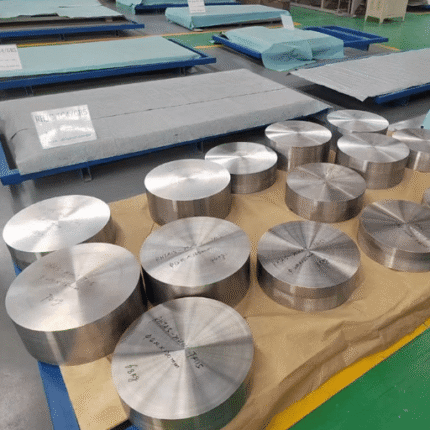
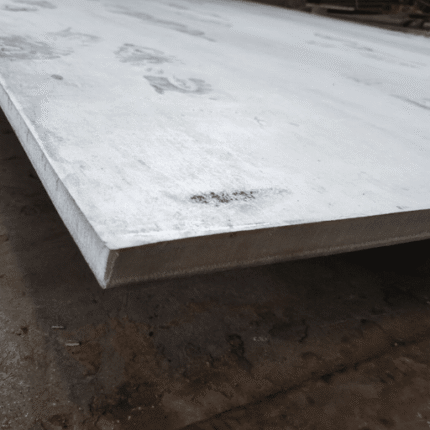
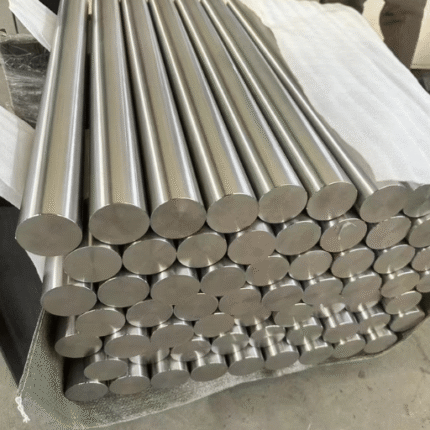
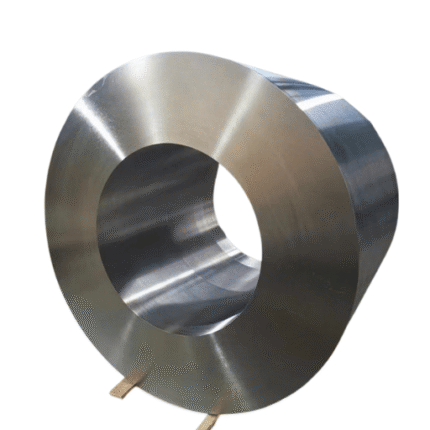
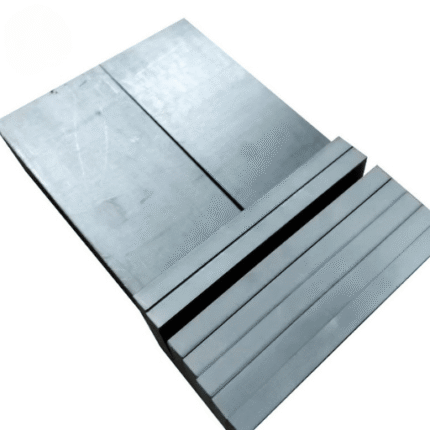
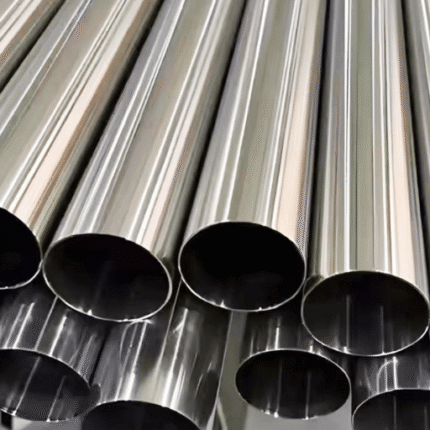
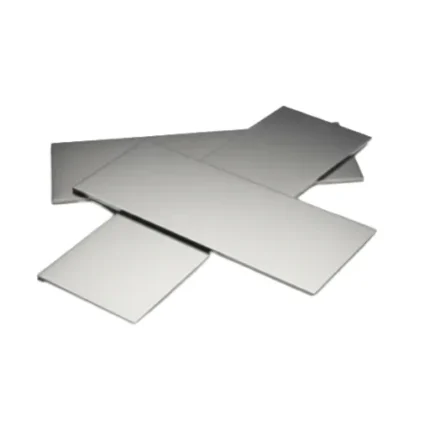
High Standard Stainless Steel With Strict Inspection


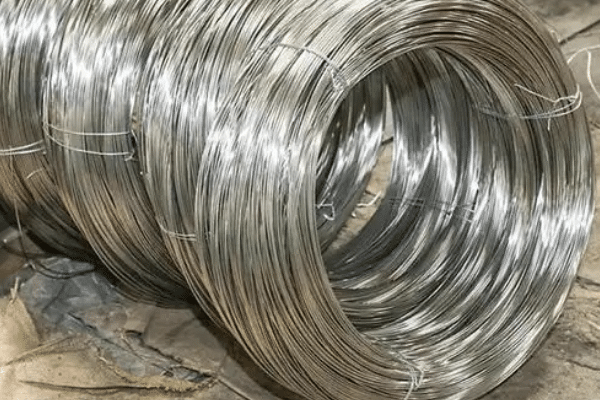
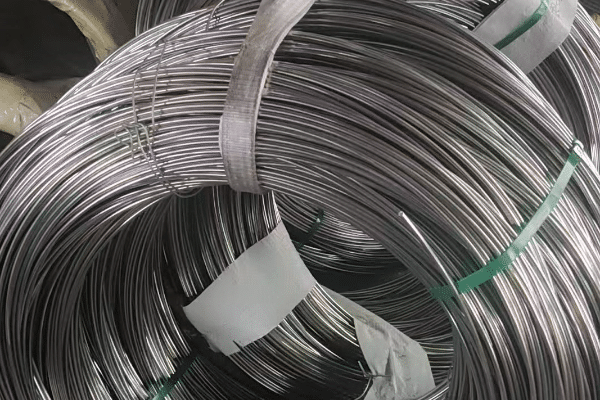
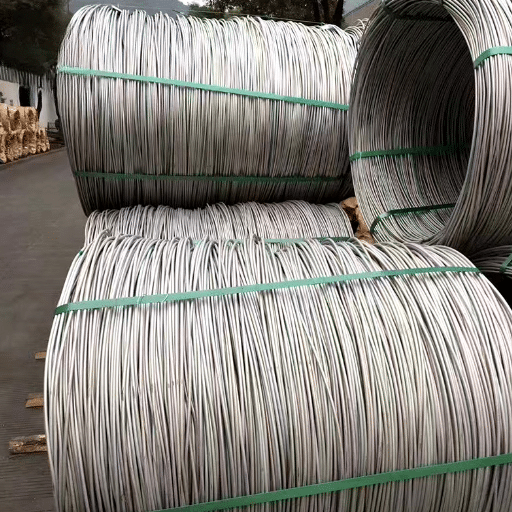
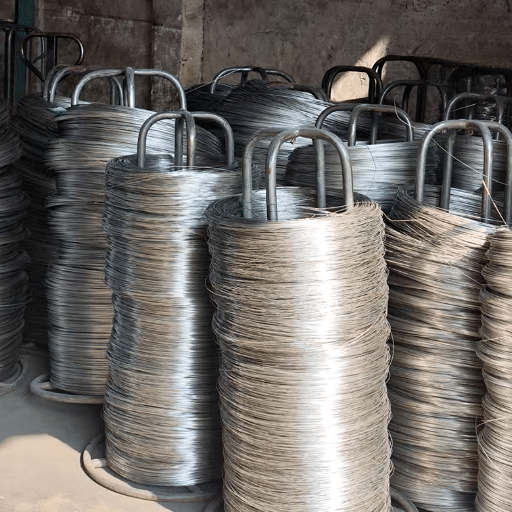
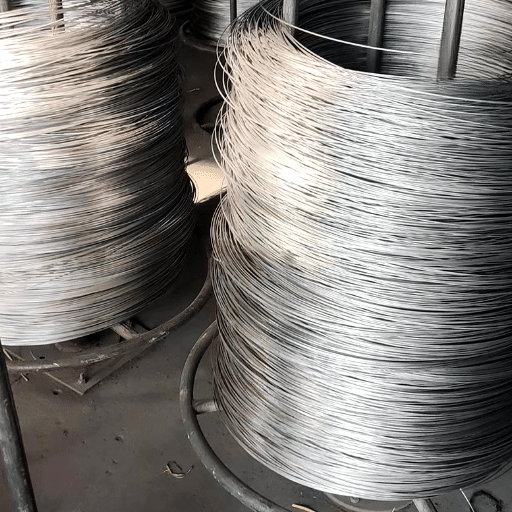
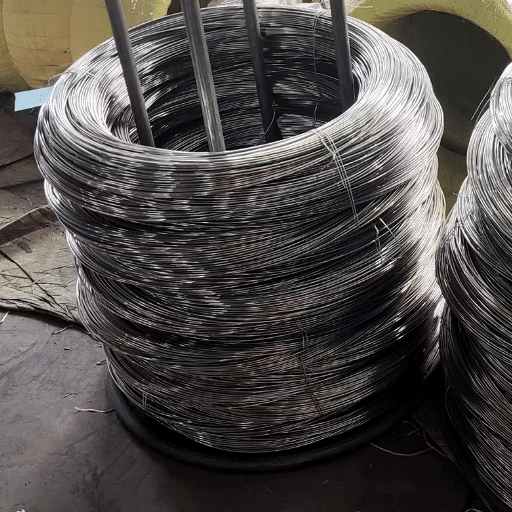
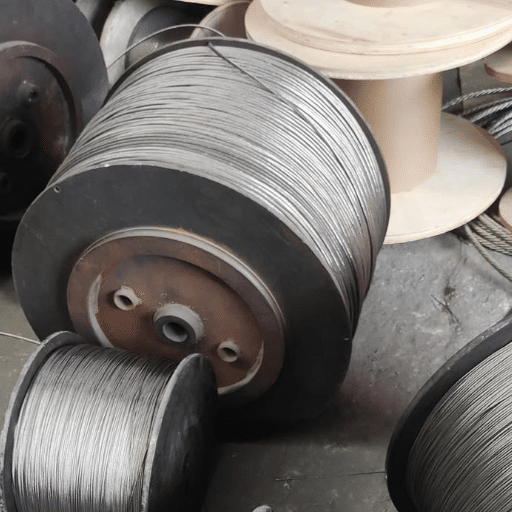



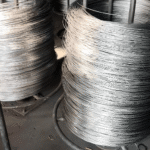
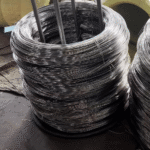


Titanium Wire
Problem: Inconsistent Wire Diameter Many suppliers struggle with diameter variations exceeding ±0.05mm, causing welding feed issues, inconsistent weld penetration, and rejected batches in automated systems. Our Solution:Precision drawing with ±0.01mm toleranceLaser measurement at every production stage100% dimensional inspection before shipping Problem: Questionable Material Certification Incomplete or unreliable test certificates lead to failed audits, rejected shipments, […]
Description


What is Titanium Wire?
Titanium wire is a high-quality metal product that comes in various sizes and diameters, making it suitable for multiple applications. Its lightweight and corrosion-resistant nature make it a preferred choice for both commercial and industrial purposes. This remarkable material is known for its exceptional strength-to-weight ratio, which allows it to withstand extreme conditions while remaining easy to handle and work with. Additionally, Ti wire is available in different grades to meet specific requirements across various industries. With its unique properties and versatile applications, titanium wire continues to gain popularity in fields ranging from aerospace to medical devices.
Find Premium Titanium Wire Products
Comprehensive titanium wire portfolio for critical aerospace, medical, chemical, and industrial applications
TIG Welding Wire (AWS A5.16)
Premium GTAW/TIG welding wire certified to AWS A5.16/ASTM B863 standards. Consistent arc stability, minimal spatter, and excellent weld bead appearance. Perfect for aerospace, nuclear, and precision welding applications requiring X-ray quality joints.
Specifications:
• Classifications: ERTi-1, ERTi-2, ERTi-5, ERTi-7, ERTi-12
• Diameter: 0.8mm-4.0mm (0.030″-0.156″)
• Length: 914mm, 1000mm, 1500mm, 2000mm
• Packaging: 5kg plastic tubes, 10kg boxes
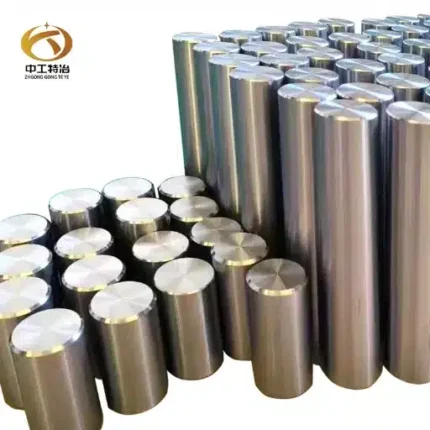
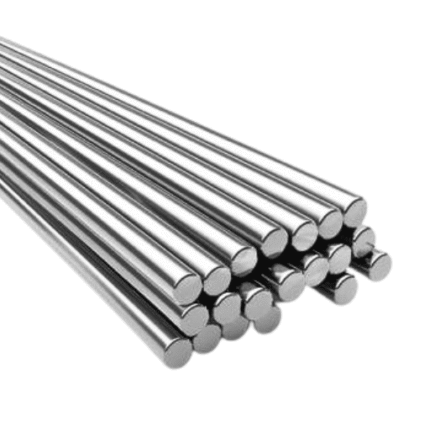
Titanium Rod Wire (Straight Wire)
Precision-cut straight titanium wire for fastener production, spring manufacturing, EDM machining, and medical device components. Available in round, square, and custom profiles with exceptional straightness tolerance.
Specifications:
• Diameter: 0.5mm-12mm (0.020″-0.472″)
• Length: 300mm-6000mm (custom lengths available)
• Straightness: ≤1mm/meter
• Tolerance: ±0.01mm (d≤3mm), ±0.02mm (d>3mm)
• Standards: ASTM B863, AMS 4951, AMS 4954
Titanium Welding Wire Specification by Grade
| Parameter | Specification |
|---|---|
| Common Grades | Grade 2 (CP), Grade 5 (Ti-6Al-4V), Grade 9, Grade 23 (ELI) |
| Governing Standards | ASTM B863 (Industrial), AWS A5.16 (Welding), ASTM F136 (Medical) |
| Diameter Range | 0.1 mm to 10.0 mm (0.004″ to 0.400″) |
| Temper / Condition | Annealed (Soft), Cold Drawn (Hard), Spring Temper |
| Tensile Strength (Annealed) | 345 – 900 MPa (50 – 130 ksi), varies by grade |
| Elongation (Annealed) | 10% – 25%, varies by grade |
| Surface Finish | Bright, Matte, Polished, Pickled, or Coated |
| Purity Level | Standard Grade or ELI (Extra Low Interstitials) |
| Biocompatibility | Certified for medical grades (e.g., Grade 23) |
| Form | Coils, Spools, or Straight Cut Lengths |
Solving Critical Titanium Wire Challenges
Understanding and addressing the key problems customers face when sourcing titanium wire globally

Problem: Inconsistent Wire Diameter
Many suppliers struggle with diameter variations exceeding ±0.05mm, causing welding feed issues, inconsistent weld penetration, and rejected batches in automated systems.
Our Solution:
Precision drawing with ±0.01mm tolerance
Laser measurement at every production stage
100% dimensional inspection before shipping

Problem: Questionable Material Certification
Incomplete or unreliable test certificates lead to failed audits, rejected shipments, and inability to meet aerospace/medical regulatory requirements (AS9100, ISO 13485, FDA).
Our Solution:
Complete EN 10204 3.1/3.2 certificates
Full heat lot traceability to ingot source
Third-party testing (SGS, TUV, BV) available
Digital QR code certificate access

Problem: Poor Welding Wire Performance
Inconsistent arc characteristics, excessive spatter, porosity in welds, and contaminated surfaces cause 5-10% reject rates. Wire feeding interruptions halt automated welding.
Our Solution:
AWS A5.16 chemistry within ±0.3% tolerance
Clean manufacturing: <100ppm surface contamination
Consistent copper coating for MIG applications

Problem: Limited Technical Support
Generic suppliers lack metallurgical expertise to advise on alloy selection, welding parameters, or troubleshooting. Engineers waste time solving preventable issues.
Our Solution:
Metallurgical engineers on staff
Free material selection consultation
Welding parameter optimization support
24-hour technical response time
Key Features & Competitive Advantages of Titanium Wire
What makes our titanium welding wire the preferred choice for critical applications worldwide
Superior Welding Performance
Our AWS A5.16 certified TIG welding wire features chemistry control within ±0.3% (tighter than standard ±0.5%). Clean-room manufacturing with <100ppm surface contamination verified by GDOES analysis. Consistent arc characteristics reduce spatter by 60% versus standard wire. Customer testing shows 85% reduction in weld porosity defects.
Exceptional Corrosion Resistance
Grade 2 titanium wire demonstrates corrosion rate <0.1mm/year in seawater, strong acids (pH 1-14), and oxidizing/reducing environments. Passive TiO2 layer forms instantly providing self-healing protection. Field installations show 30+ year service life in chemical processing equipment. Ideal replacement for stainless steel in severe corrosion applications with 40-60% cost savings on maintenance.

High-Temperature Stability
Ti-6Al-4V (Grade 5) wire maintains mechanical properties from cryogenic temperatures (-253°C) to elevated temperatures (400°C continuous service). Low thermal expansion coefficient (8.6×10⁻⁶/°C) prevents dimensional instability during thermal cycling. Excellent creep resistance for turbine components and exhaust systems operating at 300-500°C.
Optimum Strength-to-Weight Ratio
Titanium wire density (4.51g/cm³) is 43% lighter than stainless steel while offering comparable or superior strength. Grade 5 achieves tensile strength up to 1100 MPa. Critical for aerospace weight reduction (15-20% fuel savings), medical implants (reduced patient discomfort), and sporting goods (improved performance). Enables designs impossible with heavier materials.
Key Industrial Applications for Titanium Wires
Chemical Processing
For fabricating reactors, piping, and vessels exposed to corrosive agents.
Marine
Ideal for welding components used in desalination plants and subsea equipment due to its immunity to saltwater corrosion.
High-Performance Automotive
For custom exhaust systems and other components where weight and heat resistance are critical.
What Our Clients Say
“The consistency and purity of this titanium wire have transformed our fabrication processes. We’ve achieved higher-quality welds with less rework, saving both time and cost. This is now our go-to source for all titanium welding needs.”

Sarah Jenkins
Senior Manufacturing Engineer
“We demand only the best for our medical device production. The biocompatibility and dimensional accuracy of your titanium wire give us confidence in every implant we manufacture. Outstanding service and product quality.”

Dr. Alan Lee
Head of R&D

Why Choose Our Titanium Wire?
Uncompromising Quality: Our titanium wire is produced using the latest technology, with each batch subject to stringent inspection and certified to international standards.Tailored Solutions: From custom grades and diameters to specific surface finishes, we adapt our wire to your precise requirements.Expert Technical Support: Our engineers offer in-depth guidance, helping you select the best products for your application and troubleshoot any challenges.Fast, Reliable Delivery: We maintain significant stock and a streamlined shipping process to support tight project timelines globally.Sustainable Practices: We prioritize responsible sourcing and environmentally friendly production to ensure long-term value for our customers and the planet.
Our Latest Blogs

Alloy 625 Severe Sour Gas Service: Complete Guide
Alloy 625 is the default nickel-based alloy for severe sour gas service, qualified under NACE MR0175/ISO 15156 for all H2S…

Super 13Cr Stainless Steel: CO2 & Sour Service Guide
Super 13Cr stainless steel is a low-carbon, nickel- and molybdenum-strengthened martensitic grade (UNS S41425, S41426, S41427) built to outlast conventional…

Inconel 718 vs 725 vs 925: The Complete Selection Guide
Inconel 718, 725, and 925 are all age-hardenable nickel alloys, but each is built for a different job. Choose Inconel…

Duplex Stainless Steel Sour Service: 2205 vs 2507 Limits
Yes, duplex stainless steel sour service is practical and proven, but only within defined NACE MR0175/ISO 15156 limits. Standard duplex…

What Is Sour Service? H2S Environments Explained
Sour service is oil and gas equipment exposure to hydrogen sulfide (H2S) that can crack steel and other alloys. Under…

Sulfide Stress Cracking: Hardness Limits & Prevention
Sulfide stress cracking (SSC) is a form of hydrogen embrittlement that occurs when high-hardness steel under tensile stress is exposed…

NACE MR0175/ISO 15156 Explained: Sour Service Guide
NACE MR0175/ISO 15156 is the international standard that governs metallic materials for oil and gas production environments containing hydrogen sulfide…

How to Select Corrosion-Resistant Alloys for Sour Service
To select a corrosion-resistant alloy for sour service, characterize the environment first, classify sour severity by H2S partial pressure, screen…
Frequently Asked Questions
What are the main differences between commercially pure titanium and alloyed titanium wire?
Commercially pure (CP) Titanium Wire offers the highest level of corrosion resistance and is more formable, making it ideal for applications in chemical processing and marine environments. Alloyed titanium wire, such as Grade 5 (Ti-6Al-4V), is mixed with other elements to significantly increase its strength and high-temperature performance, making it the preferred choice for aerospace and medical applications.
What is the difference between titanium wire on a spool and a titanium rod wire?
The form depends on the welding process. Titanium Wire on a spool is typically used for automated or semi-automated MIG (Metal Inert Gas) welding, allowing for continuous and faster welding. A titanium rod wire, which comes in straight, cut lengths, is used for manual TIG (Tungsten Inert Gas) welding, offering greater precision and control for intricate or critical joints.
What is a TIG wire and why is it popular for welding titanium?
TIG wire is the filler metal rod used in TIG welding. This process is highly favored for titanium because it produces exceptionally clean, precise, and strong welds without spatter. The welder has fine control over the heat and filler material, which is crucial for a sensitive material like titanium to prevent contamination and ensure the highest quality weld.
How do I select the right grade of Titanium Wire for my project?
Your choice should be based on the application’s demands. For maximum corrosion resistance and formability, use a commercially pure grade like Grade 2. If high strength and heat resistance are your primary needs, an alloyed grade like Grade 5 (Ti-6Al-4V) is the better option. For medical implants, Grade 23 (ELI) is often required due to its superior biocompatibility and fracture toughness.
Does Titanium Wire require special maintenance?
One of the most significant advantages of titanium is its extremely low maintenance. The material naturally forms a stable, protective oxide layer that shields it from corrosion in most environments. It does not rust or tarnish, so it typically does not require painting, coating, or frequent cleaning to maintain its integrity.
When should I use a titanium welding wire?
You should use a titanium welding wire specifically for joining titanium components. Using the correct filler metal is critical to ensure the weld seam retains the base material’s unique properties, including its strength, ductility, and corrosion resistance. It is essential for fabricating high-integrity structures in industries like aerospace, medical, and chemical processing.
In what forms is Titanium Wire available?
Titanium Wire is available in various forms to suit different needs. This includes spooled wire for MIG welding, straight-cut titanium rod wire for TIG welding, coils for automated manufacturing, and fine wire for mesh or medical applications. It can be supplied in different diameters, tempers, and finishes to meet specific project requirements.
Is welding with titanium difficult?
Welding titanium requires special care but is straightforward with the right preparation and technique. Titanium must be shielded from oxygen, nitrogen, and hydrogen at temperatures above 800°F (427°C) to prevent embrittlement. This is why TIG welding with an inert argon gas shield and using the correct titanium welding wire is so important. The material must be perfectly clean before welding.
Shipping and Delivery