


Blog
304 vs 316 Stainless Steel: Complete Comparison

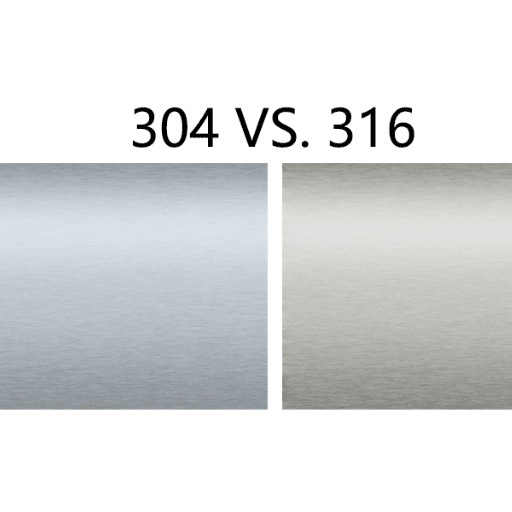
Stainless steel is often regarded as the most versatile and widely used material across numerous industries because of its strength, durability, and corrosion resistance. Still, the different types and grades of stainless steel make it very important to understand their distinctions so you can make the proper choice for your application. The two most renowned grades are 304 and 316 stainless steel, where good is not common. This article will focus on the composition, different environments, and industries in which the two grades of stainless steel perform best, highlighting the main distinctions between 304 and 316. The comparison will be very helpful in making an informed decision and taking advantage of the project’s outcomes, whether you are selecting materials for manufacturing, construction, or food processing.
Overview of Stainless Steels
Stainless steels are mixtures of iron and other metals that are not only stronger but also rust-resistant. The resistance is achieved mainly through the element chromium, which is present at a minimum of 10.5%, and it creates a surface oxide layer that is not only passive but also impervious to rust and corrosion, thereby safeguarding the material beneath. Owing to its exceptional mechanical properties, the material has been adopted in numerous industries, with the most notable being its use for manufacturing equipment parts, where not only durability but also extreme temperature resistance is required. The material is divided into different grades and types, such as austenitic, ferritic, and martensitic, each designed for specific application requirements and environmental factors.
What is Stainless Steel?
Stainless steel is an industrial iron alloy mainly consisting of chromium, alongside nickel, molybdenum, and carbon, or other elements, designed to offer superior resistance to corrosion, high temperatures, and wear across a wide variety of applications.
Common Uses of Stainless Steel
The use of stainless steel has long been synonymous with versatility and durability, making it an indispensable material across different sectors. The following are the top five applications of stainless steel with detailed descriptions of its usage in each case:
- Construction and Architecture
Stainless steel is a construction material of choice for its remarkable traits, among which durability, high performance, and a modern look are key advantages. Structural applications such as support, roofing, wall cladding, and railings for public safety are all uses of stainless steel. To illustrate, the outer cladding of well-known buildings such as the Chrysler Building consists of stainless steel, which ensures a long life and minor maintenance of the structure.
- Automotive and Transportation
The automotive industry often uses stainless steel for parts such as exhaust systems, trim, and structural elements, due to its ability to withstand high temperatures and resist corrosion. However, using stainless steel does not compromise the vehicle, as weight is reduced, the design is more daring, and safety and durability are maintained, with global output across all automotive-related areas reaching millions of tons yearly.
- Medical Equipment and Devices
In healthcare, stainless steel’s non-reactivity and ease of sterilization make it indispensable. Furthermore, it is the material of choice for making surgical instruments, dental tools, orthopedic implants, and even hospital furniture, helping maintain purity and prevent the spread of microbes.
- Food and Beverage Processing
The food and beverage industry is heavily reliant on stainless steel for various equipment such as tanks for storage, mixing vats, and processing machines. This is due to its non-poisonous surface and resistance to rust or chemical interactions with food products. Thus, the industry can adhere to the stringent regulatory standards for food safety and production which come with being in the sector.
- Energy and Chemical Industries
Stainless steel is an essential material in the energy and chemical processing industry, where corrosive substances and extreme conditions are common. The heat exchangers, pipelines, and reactors made of, for instance, duplex stainless steel are widely accepted as highly efficient in terms of durability and strength under such rigorous demands.
These instances underscore the need for stainless steel across various industries while also revealing its remarkable characteristics, including strength, versatility, and resistance to environmental factors.
Types of Stainless Steel
Stainless steel is a vast field that can be subdivided into four main types, characterized by their traits and uses. The latter consisted of austenitic, ferritic, martensitic, and duplex stainless steels. One must know their distinct features to make the right material choice for the respective industrial applications.
1. Austenitic Stainless Steel
Austenitic stainless steels are the most popular, accounting for about 70% of total stainless steel output. These steels are non-magnetic and consist mainly of iron, nickel, and chromium, with chromium exceeding 16% and nickel at about 8-10%. 304 and 316 are the grades most favored in this group.
Applications: Due to their excellent corrosion resistance, ductility, and ease of shaping, they are widely used in the food and beverage industry, medical devices, and buildings.
Properties:
- Very high corrosion resistance
- Weldability that is good
- Resistance to high and low temperatures
- According to the latest market analyses (2023), demand for austenitic stainless steel is expected to grow significantly, especially in the medical and renewable energy sectors.
2. Ferritic Stainless Steel
Ferritic stainless steels are made up mainly of iron and chromium, and the latter contains 10.5% to 18% chromium, almost no nickel or very low nickel content. These steels are magnetic and have moderate corrosion resistance, but they are cheaper than austenitic types.
Applications: The most common uses are automotive exhaust systems, household goods, and industrial machines.
Properties:
- Resistance to stress corrosion cracking is good
- Lower production costs due to the limited nickel content
- Weldability and ductility are restricted compared to austenitic grades
- Recent technological innovations involving superior ferritic grades, which offer better thermal conductivity, are favored in the automotive sector.
3. Martensitic Stainless Steel
Martensitic stainless steels are characterized by their high carbon (up to 1%) and low chromium (12-14%) contents. Such a composition leads to increased hardness and strength but at the same time reduces their ability to resist corrosion when compared with the grades of austenitic and ferritic stainless steels.
Applications: Surgical instruments, turbine blades, and cutting tools owing to their high strength and wear resistance.
Properties:
- High tensile strength and hardness
- Moderate resistance to corrosion
- Can be heat-treated for enhanced mechanical properties
- Data from industry surveys highlight a robust demand for martensitic grades in precision engineering.
4. Duplex Stainless Steel
Duplex stainless steels have characteristics of both the austenitic and ferritic microstructures. Therefore, it is possible to produce an alloy that is both very strong and highly corrosion-resistant. A typical duplex grade may contain 18% to 28% chromium and 4.5% to 8% nickel; in addition, molybdenum is often added to improve durability.
Applications: Their use in chemical processing, marine environments, and the oil and gas industry is due to their ability to withstand the harshest conditions.
Properties:
- Tear strength is 2 times that of austenitic grades
- Exceptional resistance to pitting and stress corrosion cracking
- Lower nickel content results in reduced material costs
- Data from the industry show that the use of duplex grades is increasing, especially on offshore oil drilling platforms and desalination plants.
Detailed Data on Market Trends and Projections
Recent industry insights indicated that global stainless steel production surpassed 55 million metric tons in 2022, with austenitic stainless steel dominating the market. Nevertheless, duplex stainless steel is increasingly accepted due to its performance-to-cost ratio, translating into a projected Compound Annual Growth Rate (CAGR) of roughly 6% over the period from 2023 to 2030. Moreover, innovations in metallurgical processes continue to improve the performance and recyclability of all stainless steel types, aligning with the sustainability goals of the manufacturing and construction sectors.
Industries can optimize performance, longevity, and efficiency across critical applications by leveraging the advantages of different types of stainless steel.
Composition Differences
The main elements of stainless steel are chromium, nickel, and carbon, which together give it specific properties and performance. Austenitic stainless steels (e.g., 304, 316) generally contain a combination of chromium (16-25%) and nickel in large amounts. Thus, these steels have the best corrosion resistance and the highest ductility among all the stainless steels. On the other hand, ferritic stainless steels, which contain less chromium (10.5-18%) and no or very little nickel, exhibit only fair resistance to stress-corrosion cracking. Martensitic grades, characterized by high carbon content and moderate chromium (12-18%), prioritize strength and hardness over corrosion resistance. Duplex stainless steels take advantage of the strengths of both austenitic and ferritic types and are thus composed of chromium (19-28%) and nickel (1-8%) in a balanced way that gives them both strength and corrosion resistance. Therefore, it is essential to be able to distinguish between these types to make a wise stainless steel selection for specific applications.
Material Composition of 304 Stainless Steel
304 stainless steel is an austenitic type of stainless steel alloy with iron as the principal constituent, followed by chromium and nickel, the latter two being in small amounts which serve to improve the properties of the alloy. The usual chemical composition of 304 stainless steel is as mentioned below:
- Chromium (Cr): 18.0–20.0%
Chromium imparts excellent corrosion resistance and helps the alloy resist oxidation, allowing it to be used in a variety of environments.
- Nickel (Ni): 8.0–10.5%
Nickel participates in the development of the austenitic microstructure, thereby ensuring that the metal remains ductile and tough even at low temperatures and is also corrosion-resistant.
- Carbon (C): ≤ 0.08%
With a low carbon content, carbide precipitation during welding is minimized, leading to less intergranular corrosion. The 304L variant has a carbon content of ≤ 0.03% which provides even better weldability.
- Manganese (Mn): ≤ 2.0%
Manganese is useful for both deoxidizing and improving the steel’s hot-working qualities.
- Silicon (Si): ≤ 1.0%
Silicon is a main ingredient that contributes to the metal’s resistance to oxidation and also its strength at high temperatures.
- Phosphorus (P): ≤ 0.045%
Phosphorus content is limited to minimum levels to avoid the susceptibility of the alloy to brittleness.
- Sulfur (S): ≤ 0.03%
A low sulfur content makes the metal more amenable to cutting and shaping while still allowing it to retain its ductility.
- Iron (Fe): Balance
The rest of the composition is largely iron, which is the base metal of 304 stainless steel.
Properties Derived From Composition
The fusion of these components gives 304 stainless steel the property of high strength and good formability. It is therefore mainly used in the food, chemical, and construction industries. The combination of chromium and nickel in steel also guarantees that the material does not lose its mechanical properties when heated; hence the use of 304 stainless steel in applications where durability and versatility are required.
Material Composition of 316 Stainless Steel
316 stainless steel is an austenitic chromium-nickel stainless steel with molybdenum as a central alloying element, typically accounting for 2-3% of the total weight. The addition of molybdenum not only improves the material’s durability but also makes it ideal for use in areas with chlorides, as it helps prevent pitting and crevice corrosion. Therefore, 304 stainless steel cannot compete with 316 stainless steel in terms of corrosion resistance. The usual making up of 316 stainless steelis16- 18% chromium, 10-14% nickel, 2- 3% molybdenum, and minimal amounts of carbon (max 0.08%), manganese (max 2%), phosphorus (max 0.045%), sulfur (max 0.03%) and silicon (max 0.75%), alloinustry-standard specifications like ASTM A240.
316 stainless steel has become a prime choice for harsh environments, especially in marine and coastal areas, due to its high resistance to saltwater corrosion. Moreover, the material’s high-temperature properties allow it to remain mechanically durable even at operating temperatures up to 800°C (1472°F). Thus, heat exchangers and chemical process vessels are among the typical applications of 316 stainless steel. Sometimes, 316L which has lower carbon content (max 0.03%) is preferred in welding applications to reduce carbide precipitation and improve performance in highly corrosive environments.
Key Differences in Composition
- Carbon Content
Standard 316 stainless steel has a maximum carbon content of 0.08%, whereas 316L stainless steel has a maximum carbon content of 0.03%. The carbon reduction not only minimizes carbide precipitation during welding but also increases corrosion resistance in environments that are exposed to aggressive chemicals.
- Molybdenum Concentration
Molybdenum is typically present in both 316 and 316L at 2.0% to 3.0%. The use of molybdenum as an alloying element is the main reason for the improved corrosion resistance, especially in chloride-rich areas, and thus pitting and crevice corrosion are hardly ever a problem.
- Nickel Content
In 316L, nickel is present at slightly higher levels, generally 10-14%, while in standard 316 it can range from 10% to 13%. The difference in nickel content has a positive effect on ductility and corrosion resistance, particularly in reducing or acidic environments.
- Tensile Strength
316 stainless steel has greater tensile strength, with a usual range of 515 MPa (75 ksi), while 316L, which is usually weaker due to its lower carbon content, has an average of 485 MPa (70 ksi). Hence, 316 is more appropriate for structural applications that require a higher strength.
- Heat Sensitivity
Standard 316 is more susceptible to sensitization and intergranular corrosion after exposure to high temperatures of 450°C (842°F) to 850°C (1562°F) for a long time. 316L, which has a low carbon content, offers greater resistance to thermal effects, making it more reliable for high-temperature environments.
Corrosion Resistance
The two stainless steel grades, 316 and 316L, are acknowledged as the most corrosion-resistant materials, even in harsh conditions. Their super ability to control corrosion in pits and crevices caused by chloride, the main factor in marine and chemical processing plants, is also attributed to the presence of molybdenum in the alloy.
Research has shown that stainless steel type 316 can be used in environments containing up to 5% hydrochloric acid at 50°C (122°F) and up to 20°C (68°F) for sulfuric acid without suffering general corrosion. 316 demonstrates a Pitting Resistance Equivalent Number (PREN) of about 23 under higher chloride conditions, such as seawater, which serves as a good reference for its pitting corrosion performance. In contrast, the standard Type 304 has a lower molybdenum content and a PREN of approximately 18. Therefore, the corrosion range of 316 is broader and can even include areas where 304 would fall out due to the presence of chlorides.
Among the factors that influence corrosion, temperature stands out. Up to 870 °C (1600°F) for intermittent service and 925 °C (1700°F) for continuous service, Type 316 withstands oxidation. In the case of hermetically sealed environments where carbide precipitation can occur, especially in the temperature range 450 °C (842 °F) to 850 °C (1562 °F), 316L is specified, as its lower carbon content provides greater resistance and thereby prevents intergranular corrosion.
Particular industries reinforce the excellent corrosion properties of these materials for instance, 316 is widely used in pharmaceutical production and food processing, where chemical resistance is a requirement for product safety and equipment longevity. Furthermore, the alloy has been shown to withstand saturated brines and even certain halogen-containing environments without losing its integrity.
Corrosion Resistance of 304 Stainless Steel
304 stainless steel is among the most widely used austenitic stainless steels due to its properties. Its corrosion resistance in various environments is also a factor that makes it very popular. The reason for its resistance is the high chromium level (i.e., about 18-20%) combined with nickel (i.e., between 8-10.5%). These two elements together create a metallic surface that oxidizes slowly due to the thick oxide layer formed during the process.
This alloy excels in low- to middle-chloride concentration environments, such as fresh water, atmospheric conditions, and mildly acidic liquids. Still, it should be noted that 304 stainless steel is prone to pitting and crevice corrosion in environments with high chloride ion concentrations, such as seawater or strong brine solutions. Research shows that the critical pitting temperature (CPT) for 304 stainless steel is about 20-30°C, depending on the chloride concentration.
The property of resistance to intergranular corrosion in 304, when a suitable heat treatment is applied, is another plus point. The heat treatment of the stainless steel alloy prevents carbide precipitation, thereby improving its resistance to corrosion at grain boundaries.
In the case of 304 stainless steel, it is a big drawback that it resists corrosion to a considerable extent, but at the same time, it is a very limiting factor for its usage in industries. That is why the development of its variants, such as 304L and 316, provides additional protection against specific threats, such as chloride-induced corrosion or sensitization. These traits make 304 stainless steel suitable for a range of industries, from architecture and transportation to chemical processing, where moderate corrosion resistance is essential.
Corrosion Resistance of 316 Stainless Steel
316 stainless steel is known for its top-notch corrosion resistance, especially in environments with chlorides or in harsh industrial settings. The reason behind this is the addition of 2-3% molybdenum into its structure, which increases its resistance to the most commonly seen corrosion types in such areas, like pitting and crevice corrosion. These areas are characterized by their high chloride concentration, such as seawater or de-icing salts and are thus very prone to corrosion.
316, on the other hand, exhibits a significant amount of superiority in the case of resistance to aggressive chemical agents and acids such as sulfuric acid, bromides, and iodides, amongst others, when compared to 304 stainless steel. To illustrate, research has shown that while 304 stainless steel is prone to pitting corrosion at chloride ion levels as low as 200 ppm, 316 stainless steel can tolerate up to 1000 ppm, and possibly higher. This distinction holds the key to the preference for 316 in marine equipment, pharmaceutical manufacturing, and chemical transport, where chlorides are frequently encountered.
In addition, 316 stainless steel is highly resistant to oxidation under both atmospheric and high-temperature conditions. It can withstand 1600°F (870°C) in continuous service and 1700°F (925°C) in intermittent service. Corrosion testing often indicates that the material loss in 316 under aggressive conditions is much lower than that of its counterparts, thereby prolonging the life of the equipment and components.
316 stainless steel is used in many industries like desalination, heat exchangers, food processing, and implants in surgery. Its ability to retain strength even under the harshest conditions ensures reliable performance in such demanding areas. So often, the choice of 316 stainless steel is determined by the need for improved durability, long-term resistance, and reduced maintenance in corrosive and high-stress applications.
Importance of Corrosion Resistance in Different Environments
Corrosion resistance is a property that is very important for materials used in different environments, as it guarantees their long life, and low maintenance costs, and also prevents any difficulties that could cause safety issues or downtime. The degree of corrosion resistance required can vary widely depending on the specific environmental conditions. Below is a detailed description of five environments where corrosion resistance is essential:
Marine Environments
The materials used in marine applications, such as shipbuilding and offshore platforms, are constantly exposed to saltwater, which will undoubtedly accelerate corrosion. Thus, stainless steels like grade 316 are often chosen for their better resistance to chloride-induced pitting and crevice corrosion. For example, chloride concentrations in seawater are around 18,000 to 22,000 ppm, and hence materials with such properties are needed to avoid rapid wear.
Chemical Processing Plants
Corrosive chemicals, such as acids, alkalis, and solvents, are widely used in chemical plants. The materials in this area should be able to withstand chemical attacks, be strong and reliable, and at the same time cause no contamination. One example is molybdenum-containing stainless steel, which is often used in processes involving sulfuric or hydrochloric acid.
High-Temperature Industrial Systems
Heat in places like power plants and petrochemical facilities, which are already high up, deters corrosion. Oxidation-resistant alloys, including stainless steels containing chromium, are essential to ensure performance is not affected. Experiments have demonstrated that steels with more than 10.5% chromium create a passive layer that is very stable and thus the oxidation resistance at high temperatures is significantly increased.
Food and Beverage Industry
Keeping the cleanliness of the hand and the utensils is one of the most important aspects that should be considered in the food and beverage industry, and materials must not get spoiled or corroded when subjected to acidic foods, cleaning chemicals, and warm moisture. For example, 304 and 316 stainless steels are among the selections made due to their resistance to corrosion in acidic environments that use citric or acetic acid.
Medical and Healthcare Applications
Implants and surgical tools, as well as medical devices, are made of materials that possess both biocompatibility and excellent corrosion resistance in the case of body fluids, which, by their very nature, are saline and rich in chloride. Studies suggest that grade 316L stainless steel is, in fact, the most popular choice for these applications because its low carbon content prevents carbide precipitation and makes it safe for long-term use in physiological environments.
The right materials, when selected according to the environment, will help the industry keep its operations in good condition, and the components will last longer and cost-effective performance will also be available even in highly challenging conditions.
Mechanical Properties
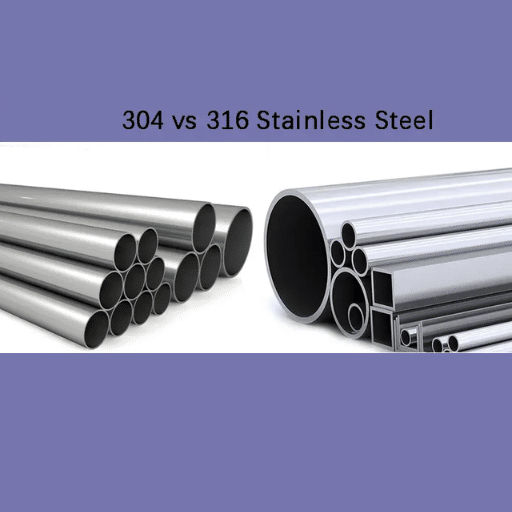
The mechanical characteristics of materials if are one of the major factors in deciding their use, especially in circumstances of high performance and durability. Mechanical property evaluation usually includes the following five key properties:
- Tensile Strength
Tensile strength is defined as the maximum amount of stretching or pulling that a material can endure before it snaps. For example, grade 316L stainless steel is known to have a typical tensile strength of about 485 MPa, meaning that the material will only slowly change in size when the load on it is increased.
- Yield Strength
Yield strength is the measure of stress at which a material starts to become permanently deformed. Grade 316L stainless steel has a yield strength of around 170 MPa which implies that it can tolerate a significant force before being deformed beyond recovery.
- Hardness
Hardness is defined as a material’s resistance to surface damage or scratching. When measured on the Brinell hardness scale, grade 316L stainless steel scores 150 to 190 HB, indicating it withstands wear and tear very well.
- Elongation at Break
Elongation at break determines the elongation or ductility of a material, given by the percentage of length increase before fracture. Generally, the elongation of grade 316L stainless steel is about 40%, indicating its strong resistance to considerable deformation.
- Modulus of Elasticity
The modulus of elasticity or Young’s modulus expresses a material’s stiffness by revealing the ratio of stress to strain during elastic deformation. Grade 316L stainless steel has a modulus of elasticity of around 193 GPa, indicating its ability to be shaped under mechanical stress and to retain its strength.
Tensile Strength Comparison
Tensile strength is an important characteristic measured to determine the maximum load a material can withstand in its lengthwise direction before breaking. Comparing tensile strengths among different materials enables engineers to choose the most appropriate material for mechanical durability in a specific application. Here are the ultimate tensile strength values for five standard materials nicely and comprehensively:
Grade 316L Stainless Steel
- Ultimate Tensile Strength (UTS): Approximately 485 MPa
- Yield Strength: Approximately 170 MPa
- It is famous for its chemical resistance and physical toughness even in very harsh conditions.
AISI 1018 Carbon Steel
- Ultimate Tensile Strength (UTS): Approximately 440 MPa
- Yield Strength: Approximately 370 MPa
- It is the most common metal used in construction and the automotive industry because it is cheap and strong.
6061-T6 Aluminum Alloy
- Ultimate Tensile Strength (UTS): Approximately 310 MPa
- Yield Strength: Approximately 275 MPa
- It is very much wanted in aerospace and transport industry for its lightness and high strength-to-weight ratio.
Grade 5 – Ti-6Al-4V Titanium Alloy
- Ultimate Tensile Strength (UTS): Approximately 950 MPa
- Yield Strength: Approximately 880 MPa
- It is the strongest among all high-performance metals and is also used in the biomedical field for its biocompatibility.
Gray Iron, ASTM A48 Cast Iron
- Ultimate Tensile Strength (UTS): Approximately 200 MPa
- Yield Strength: Typically not well-defined due to its brittle nature.
- It is often used for heavy machinery parts and in buildings for its good compressive strength and heat resistance.
The tensile strength data presented here shows the wide range of strength characteristics between different materials, which makes them suitable for different sectors.
Ductility and Hardness of 304 vs 316
|
Property |
304 Stainless Steel |
316 Stainless Steel |
|---|---|---|
|
Ductility |
High, excellent for forming and bending |
High, slightly lower than 304 |
|
Hardness (Brinell) |
123-201 HB |
123-223 HB |
|
Tensile Strength |
515 MPa (minimum) |
515 MPa (minimum) |
|
Yield Strength |
205 MPa (minimum) |
205 MPa (minimum) |
|
Elongation (%) |
40% (approx.) |
40% (approx.) |
Impact on Performance
The performance of 304 and 316 stainless steel in different applications is greatly influenced by their material properties. A detailed list of such variations comprising five performance factors crucially influencing the performance is given below:
Corrosion Resistance
- 304 Stainless Steel: While good corrosion resistance is offered, it gets attached to the term “mild environment” being the limit, and chlorides make it even more vulnerable by pitting and crevice corrosion.
- 316 Stainless Steel: With the addition of molybdenum, it becomes resistant to pitting and crevice corrosion, especially in marine and highly acidic environments, thus even more plus-elastic.
Temperature Resistance
- 304 Stainless Steel: Good up to about 870°C (1598°F), preserves structural integrity and does not lose oxidation resistance.
- 316 Stainless Steel: Even better in high-temperature situations, since the limit —approximately 925°C (1697°F) —seems like a joke to this steel.
Strength and Hardness
- 304 Stainless Steel: No problem for tensile strength (around 515 MPa) and moderate hardness to show off.
- 316 Stainless Steel: Practically the same, but with the added benefit of being the one with stress corrosion resistant conditions specified for that.
Weldability
- 304 Stainless Steel: The easiest of all welds and no post-weld annealing, just right for standard fab jobs.
- 316 Stainless Steel: Apparently so, but there is an extra cost involved if dealing with chlorides in the weld area or the post-welding area.
Cost Efficiency
- 304 Stainless Steel: Almost always the cheaper option because there is no molybdenum, so it can be used in applications that need to keep the budget tight.
- 316 Stainless Steel: On the pricey side because of the molybdenum, but the cost gets justified in the environments where excellent corrosion resistance is a must.
These factors must be weighed carefully when choosing the right material for a particular industrial application to achieve the best performance and the least cost.
Cost Implications
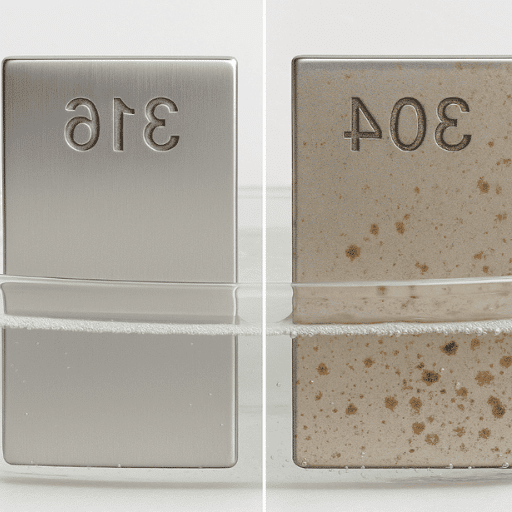
The grades of stainless steel selected play a vital role in the overall project cost, and, along with them, many other factors influence the final cost. The comparison of 304 and 316 stainless steel has five points discussed below in detail regarding their costs that have to be taken into consideration:
- Material Cost Differential
The basic price of 316 stainless steel can exceed that of 304 stainless steel by 20-30% due to molybdenum, a major contributor to the steel’s high corrosion resistance, added as an alloy element.
This cost difference could lead to significant material costs for extensive applications.
- Longevity and Maintenance Costs
The use of 304 stainless steel might be a sufficient and cost-effective choice in less corrosive environments; however, if deployed in highly corrosive environments, it might require more maintenance and even replacement over time.
The 316 stainless steel, which has excellent mechanical properties, is likely to require less frequent replacement or maintenance, thereby possibly offsetting its initial expense.
- Application-Specific Requirements
The projects, where stainless steel 304 is used, might not last long if there are certain conditions such as exposure to chlorides, salts, marine environments, etc., thus making the cost of 316 stainless steel for such situations a more economical one, being it has high corrosion resistance, particularly to pitting and crevice corrosion.
- Fabrication and Weldability
The similar mechanical properties of 304 and 316 steels mean that processing costs are not significantly different. However, the additional alloying components of 316 may slightly increase the costs during specialized fabrications.
These are marginal costs, and should be compared with the performance metrics required for the application.
- Lifecycle Cost Analysis
Thecosts of 316 stainless steel are higher. However, an in-depth lifecycle cost analysis often reveals lower long-term expenses due to its longer service life.
For critical systems where the budget for operations is highly impacted by the downtimes and replacements, 316 stainless steel is a reliable and cost-saving solution.
Rounding up these cost implications ensures that material selection is made wisely, balancing not only the immediate project budgets but also long-term operational efficiency.
Price Difference Between 304 and 316 Stainless Steel
|
Aspect |
304 Stainless Steel |
316 Stainless Steel |
|---|---|---|
|
Average Cost Difference |
Lower cost |
10–30% higher than 304 |
|
Key Cost Factor |
No molybdenum |
Contains 2–3% molybdenum |
|
Market Availability |
More widely available |
Less common, higher demand cost |
|
Application Cost Impact |
Suitable for general use |
Long-term savings in corrosive areas |
|
When to Choose |
Budget-friendly, mild environments |
High corrosion, marine, or chemical |
Factors Influencing Pricing
Several crucial factors influence the cost of 304 and 316 stainless steel. Five main factors that affect their prices are discussed below:
- Raw Material Composition
Material composition is the main factor affecting price. 316 stainless steel has a higher molybdenum content (usually 2-3%) than 304, which does not contain molybdenum. Molybdenum is an expensive alloying element, and its presence in 316 stainless steel is one reason for the high price.
- Market Demand and Supply Fluctuations
The proportion of nickel and molybdenum—two major alloying components—varies with market demand. For example, if construction and chemical production are the global industrial activities driving demand, that will also affect prices. A sudden increase in the demand of molybdenum affects the price of 316 alloys the most.
- Manufacturing and Processing Costs
It is more challenging to manufacture and control the quality of stainless steel with such a high alloy content as 316. The costs of manufacturing will be directly affected by additional steps, such as precision alloying and testing, resulting in a price higher than that of 304 stainless steel.
- Corrosion Resistance Requirements
316 stainless steel, the strongest type of steel, is the main reason it is more expensive and in high demand. The quality of 316 steel, which resists chlorides and harsh chemical environments, makes it the right option, particularly in industries such as marine or pharmaceutical manufacturing, which is why it is considered premium quality.
- Global Economic Factors
Exchange rates, energy requirements for smelting and refining, and international trading policies determine raw material costs and manufacturing prices. In addition, tariffs or trade restrictions on imported nickel and molybdenum can lead to price increases for 316 stainless steel that are not proportionate to those for 304 stainless steel.
It becomes much easier for buyers to truly understand the cost implications and make their material selection accordingly when they know the factors mentioned above.
Budget Considerations for Choosing Stainless Steel
In considering the budget for stainless steel selection, I base the cost on the performance requirements. For instance, if resistance to rust and the longevity of the material are key factors but the budget is tight, I might select 304 stainless steel for its economic side. On the other hand, if the application requires better environmental protection, I would go with 316 stainless steel regardless of the price. By taking into account the specific operational requirements and long-term advantages, such as maintenance and service life, I can arrive at a decision that not only meets the performance targets but also respects the financial limits.
References
- Unified Alloys
Link to article
Unified Alloys provides detailed insights into the differences between 304 and 316 stainless steel, including their composition, corrosion resistance, and applications. It is a trusted source of information on industrial materials. - Reliance Foundry
Link to article
Reliance Foundry offers a comprehensive comparison of 304 and 316 stainless steel, focusing on their properties, uses, and suitability for various environments. It is a reliable source for metal-related content. - MetalTek International
Link to article
MetalTek provides an in-depth analysis of the two grades, highlighting their strengths, weaknesses, and ideal applications. It is a reputable source for information on alloys and industrial materials.
Frequently Asked Questions (FAQ)
What distinguishes 304 stainless steel from 316 stainless steel?
The significant distinction between 304 and 316 stainless steel lies in their alloying elements. Molybdenum is present in 316 stainless steel, which increases its resistance to corrosion in acidic and alkaline environments. As a result, 316 is more marine application-friendly than 304 stainless steel, which is molybdenum-free.
What are the benefits of 316 stainless steel over 304?
The presence of molybdenum in 316 stainless steel gives it excellent corrosion resistance. Hence, it is increasingly used in conditions where saltwater and chlorides are present. Moreover, 316 offers superior tensile strength and hardness at high temperatures compared to 304 stainless steel.
How do the two grades of stainless steel compare in terms of corrosion resistance?
In the case of 304 stainless steel vs 316 stainless steel, the latter is superior in chloride corrosion resistance. The corrosion resistance of grade 316 is attributed to its molybdenum content.
Is the price of 316 stainless steel higher than that of 304?
Yes, 316 stainless steel’s price tag is typically higher than that of 304 because it contains more nickel and molybdenum, making it costlier overall. The price difference reflects the material’s superior corrosion resistance and its limited application areas.
What is the type of stainless steel that is mainly used in food processing?
The 304 stainless steel grade is widely used in the food manufacturing industry due to its high corrosion resistance and easy cleaning. On the other hand, stainless steel 316 is very effective and is often used in places where exposure to salt or chemicals can be a concern; thus, it is the preferred option.
What are the typical uses of 316 stainless steel?
316 stainless steel is highly corrosion-resistant, making it frequently used in the marine industry, chemical processing, and medical equipment. Moreover, it is often found in manufactured goods that require hardness and power, such as pumps and valves.
How does the yield strength compare between 304 and 316 stainless steel?
The yield strengths of both 304 and 316 stainless steels are very similar and typically around 215 MPa (31,200 psi). However, 316 stainless steel may offer slightly better performance under high-temperature conditions, making it suitable for more demanding applications.
What are the main differences between 304 stainless steel and carbon steel?
Corrosion resistance, strength, and maintenance are the key differences of 304 stainless steel over carbon steel. 304 stainless steel offers greater corrosion resistance and requires less maintenance than carbon steel, which rusts easily when wet.