


Blog
Austenitic Stainless Steel: Complete Guide

Austenitic stainless steel is one of the most important categories and the first-choice material for many manufacturers. Due to its excellent corrosion resistance, it has been used in a wide range of industries, from construction to medical devices. But the questions are what exactly are the reasons for such popularity of austenitic stainless steel, what other grades of stainless steel could compete with it, and what characteristics of the material allow it to withstand extreme conditions? This guide discusses in detail the critical properties, classifications, and manufacturing processes of austenitic stainless steel, as well as its wide range of applications. The article provides detailed insights and practical knowledge not only for design engineers and manufacturers but also for curious readers who want to learn about and make use of the advantages of this fantastic material.
Introduction to Austenitic Stainless Steel
Austenitic stainless steel is a grade that is very popular due to its excellent corrosion resistance, high ductility, and mostly non-magnetic properties. Its significant constituents are iron, chromium, and nickel, with occasional tiny amounts of elements such as molybdenum or nitrogen to improve specific characteristics. The material is characterized as ideal for use in applications requiring durability in corrosive environments and high temperatures, such as chemical processing, food production, and medical devices. Its adaptability, along with its strength and toughness, has made it the most commonly used stainless steel grade across different sectors.
What is Austenitic Stainless Steel?
Austenitic stainless steel is a primarily iron-, chromium-, and nickel-based alloy that is highly corrosion-resistant, distinguished by its non-magnetic nature, excellent ductility, and ability to withstand high temperatures and oxidation.
Composition of Austenitic Stainless Steel
Austenitic stainless steel is an alloy mainly consisting of three elements: iron (Fe), chromium (Cr), and nickel (Ni) in varying amounts depending on the particular grade within the category. The standard grades, namely 304 and 316, generally contain 16-26% chromium and 6-22% nickel by weight.
The presence of chromium is vital because it forms an outer oxide layer that is not oxidized, thereby making the alloy highly corrosion-resistant. Nickel also enhances this property; in addition, it makes the alloy more ductile and tougher, moreover, sometimes besides the elements like molybdenum (Mo) in particular, which has the capability of preventing pitting and crevice corrosion, especially in environments that are rich in chloride. For instance, molybdenum at 2-3% is used in grade 316 to maintain these properties.
On the other hand, there may be other alloying elements, such as manganese (Mn), silicon (Si), and nitrogen (N). Manganese helps maintain the structure at high temperatures; silicon increases oxidation resistance; at the same time, nitrogen increases the steel’s strength and resistance to pitting corrosion. Carbon (C) is also present, but in tiny quantities — usually less than 0.1% in most standard grades — and its role is to refine the microstructure and thereby improve mechanical properties.
This general composition range allows austenitic stainless steels to meet particular requirements, such as those in the chemical processing, marine, and food industries.
Unique Properties of Austenitic Stainless Steel
Austenitic stainless steels have a wide range of properties that make them suitable for applications requiring high durability. Their five most essential properties are given below:
- Exceptional Corrosion Resistance
Austenitic stainless steels exhibit excellent corrosion resistance due to their high chromium (16-26%) and nickel content. Thus, they are ideal for environments with moisture, chemicals, and salt, such as the marine or chemical processing industries. Their resistance to pitting and crevice corrosion is highly valuable in chlorine-rich environments.
- High Ductility and Formability
These alloys really show their excellence in ductility, which makes it very easy for them to take on difficult and complex shapes without any loss of strength, thus enabling the application of modern production technologies such as Deep Drawing Manufacturing Process, Welding, and Machining.
- Non-Magnetic in Annealed Condition
Because of its face-centered cubic (FCC) crystal structure, austenitic stainless steels are nonmagnetic when in the annealed condition. This is an excellent advantage for basic technologies involving electromagnetic applications and sensors, where non-magnetic materials are a must.
- Excellent High and Low Temperature Performance
The temperature ranges in which the alloys still retain their standard characteristics are pretty broad. They are strong at low liquefaction temperatures and can resist oxidation and maintain their structure at 800-900°C; however, this depends on the grade.
- Ease of Welding and Joining
Austenitic stainless steels are ideal for welding because they have low carbon content and high ductility, which help prevent cracking during and after welding. They are also easy to weld, making them the material of choice for intricate fabrication processes.
All these exceptional characteristics of austenitic stainless steels, justify their application over a great range of industries, from industrial machinery and construction to medical implants and automotive systems.
Historical Background
Austenitic stainless steels saw light in the early 20th century, when Harry Brearley’s metallurgical work (often associated with the 1913 invention of stainless steel) had the most significant impact. Close to the 300 series (e.g., 304 and 316), which emerged after numerous attempts with chromium, nickel, and carbon alloy combinations, the development of austenitic grades, particularly, was along for the ride.
It was in the middle of the 20th century that steelmaking technology advanced to the point that high-purity alloys with superior properties could be produced, and austenitic stainless steels became widely used in essential industries. Nickel made the alloys not only more resistant to rust but also more mechanically stable, to a degree that, in combination with chromium, led to the passivating oxide layer on which stainless steel’s durability relies.
Based on recent data, it can be concluded that austenitic stainless steels play a significant role in the world’s stainless steel market, accounting for about 70% of total output. The International Stainless Steel Forum (ISSF) reported that global stainless steel production reached 58.3 million tons in 2022, driven by demand for austenitic grades in construction, medical, and power industries.
The development of stainless steel grades, such as duplex and super-austenitic grades, is still ongoing. Metallurgical innovations are being used to develop materials that can withstand harsh conditions, such as super-cold environments and severe corrosion. At the same time, their use in modern applications is suitable due to the properties mentioned above.
Development of Stainless Steel
Stainless steel has undergone an essential evolution, driven by significant advancements in metallurgy andin the use of new engineering techniques. The original discovery was made in 1913 by Harry Brearley, who was trying to get rust-resistant steel. The composition of stainless steel—primarily iron, chromium, nickel, and carbon—was gradually refined to improve performance in industrial applications. By 2023, the worldwide volume of stainless steel production reached about 58 million metric tons, a clear indication of the metal’s widespread use in areas such as construction, automotive manufacturing, and power generation.
Researchers are now focusing their efforts on the stainless steel industry, particularly on the metal’s properties, corrosion resistance, and eco-friendliness. One example of this is the so-called duplex stainless steel, which combines two different microstructures: ferritic and austenitic. This method results in extremely strong, long-lasting steels with limited nickel content. In the same way, super austenitic steel grades such as 6Mo alloys are well-suited to harsh conditions, such as the extreme environments of the sea and chemical processing, where their high molybdenum content is necessary. In addition, the researchers are considering additive manufacturing (3D printing) to build intricate stainless steel parts with less material waste and lower production costs.
The sustainability angle shows that stainless steel has the great advantage of being 100% recyclable, and according to the International Stainless Steel Forum (ISSF), the current recycling rates are roughly 80-90%. This characteristic of recyclability indicates the metal’s compatibility with the global environmental objectives, and the greening of infrastructure projects increases its appeal. Also, advanced studies are examining how carbon footprints can be reduced during production stages through the application of hydrogen-based reduction technologies and energy-efficiency upgrades in the furnace and refining operations.
The process that produces stainless steel continues, confirming the metal’s ability to help industries solve contemporary problems. Through continuous improvement in stainless steel’s qualities, alongside a focus on the environment, its role as a key material in future innovations remains assured.
Evolution of Austenitic Stainless Steel
Austenitic stainless steel, which has a face-centered cubic crystal structure, has undergone significant development since its initial development. At first, these steels were mainly used because of their excellent corrosion resistance, especially in wet, acidic and alkaline environments. The early changes included the use of chromium and nickel as the main alloying elements, which strengthened the steel and made it more resistant to oxidation.
Today, the production of austenitic stainless steel is focused on eco-friendliness and performance upgrades. For example, grades 304 and 316, which are widely used in industry, are now made with nitrogen and molybdenum to provide better mechanical properties and greater resistance to localized corrosion, such as pitting. The addition of nitrogen strengthens the steel while reducing the need for expensive elements like nickel, making the overall production process more efficient economically and environmentally.
The global output of austenitic stainless steel is reported to have increased steadily, and it has accounted for about 70% of total stainless steel production, according to recent estimates. To illustrate, new manufacturing techniques such as precision casting and powder metallurgy have enabled the production of components with minimal material waste and very tight tolerances in the aerospace, medical, and automotive sectors.
To unravel the future, research is conducted on alloy modifications to improve temperature stability and weldability. Besides that, the production of low-nickel or nickel-free austenitic grades to counter price fluctuations in global nickel markets is another area of focus. The continuous development of computational materials science has led to greater use of predictive modeling for the design of alloy compositions tailored to specific applications; austenitic stainless steels will thus be diversified and have longer lifespans.
Continuous development ensures that austenitic stainless steel will remain a necessary material in the future and continue to meet the current demand for eco-friendly, cost-effective solutions.
Key Milestones in Stainless Steel History
- 1913 – Discovery of Stainless Steel
The British metallurgist Harry Brearley accidentally discovered stainless steel while working to develop gun barrels resistant to erosion. He unintentionally produced a low-carbon steel alloy containing approximately 12.8% chromium, which had outstanding corrosion resistance.
- 1920s – Industrial Scale Production
In the 1920s, the production of stainless steel on an industrial scale was already underway. The first-mover companies in Germany and the United States led the way in marketing this material, which, in no time, began to be used for cutlery, surgical work, and even chemical containers, thanks to its longevity and non-corrosive nature.
- 1935 – Introduction of Austenitic Stainless Steel
The first production of austenitic stainless steel with the 18/8 composition (18% chromium and 8% nickel) entered the market in 1935. It became the most widely used type of stainless steel because of its outstanding formability, weldability, and corrosion resistance.
- 1960s – Development of Duplex Stainless Steel
In the 1960s, duplex stainless steels were developed, combining characteristics of both austenitic and ferritic stainless steels. This new class of stainless steel offered enhanced strength, resistance to stress corrosion cracking, and a higher degree of weldability, thus widening its usage in the chemical and marine sectors.
- Modern Era – Advancements in Sustainability and Alloy Design
From the 1990s onwards, advanced recycling methods and alloy design strategies were introduced, which not only improved the sustainability but also the quality of stainless steel. The focus of these innovations is on reducing the production carbon footprint and making the material suitable for circular economic models.
Composition and Characteristics
Stainless steel is primarily an iron-based alloy that has been carefully formulated to provide excellent corrosion resistance and a combination of mechanical properties. The main element in stainless steel is iron (Fe), which is the base metal, and this is accompanied by different percentages of chromium (Cr), nickel (Ni), carbon (C), molybdenum (Mo), and other trace elements that are adjusted according to specific grades and applications.
- Chromium (Cr) – The most essential element in stainless steel, usually making up 10.5% to 30% of the alloy. Rust and corrosion are prevented by the formation of a thin, protective oxide layer on the surface, which results from the high chromium content. The chromium content is directly proportional to the corrosion resistance. Type 304 stainless steel, for instance, contains about 18% chromium.
- Nickel (Ni) – Nickel is a metal that can be added to the alloy in a range of 3% to 35%. It increases ductility, toughness, and corrosion resistance, especially under harsh conditions. Austenitic stainless steels like Type 316 depend heavily on nickel to maintain their non-magnetic, very tough characteristics.
- Carbon (C) – Carbon is generally present in minimal quantities (less than 0.08%), but it does help to an extent in strengthening and hardening the metal. On the flip side, a high carbon content may reduce corrosion resistance as chromium carbides form.
- Molybdenum (Mo) – Molybdenum is frequently added at 2 to 3 percent in grades such as Type 316. It helps prevent pitting and crevice corrosion, making it very important for applications that involve exposure to chloride-rich environments, such as seawater.
- Other Elements – Further strengthening of the stainless steel, along with improvement in various properties like formability and high-temperature scaling resistance, can be accomplished by adding different elements like manganese (Mn), silicon (Si), nitrogen (N), as well as tiny quantities of titanium (Ti) and copper (Cu).
Key Properties and Data
- Corrosion Resistance – The corrosion resistance of industrial-grade stainless steel is evaluated by calculating the pitting resistance equivalent number (PREN), which quantifies corrosion resistance. The typical Type 316 stainless steel with 2-3% molybdenum has a PREN of about 24, indicating its strong resistance to chloride-induced corrosion.
- Tensile Strength – The tensile strength of stainless steel varies between 485 MPa (Type 304) and above 1,000 MPa in martensitic grades, depending on the alloy and treatment.
- Thermal Conductivity – Stainless steel has lower thermal conductivity than carbon steel, and for austenitic grades, it is around 15 W/m·K at room temperature.
- Density – The mean density of stainless steel is 7.8 g/cm³, but it may vary slightly depending on the alloy.
The above-mentioned features of steel make it applicable across a wide range of industries, from construction and automotive to food processing and medical technology. An example of a recent development is the optimization of alloy composition for better sustainability; now more than 90% of stainless steel is recycled at the end of its life cycle, which in turn helps lower environmental impact.
Chemical Makeup of Austenitic Stainless Steel
Austenitic stainless steels, which are grouped into the 200 and 300 series, are characterized by high chromium and nickel content. The presence of these metals is the main reason steels are non-magnetic and corrosion-resistant. The chromium in the alloy usually varies from 16% to 26%, and it forms the main oxide layer that is resistant to rust and corrosion. Nickel’s contribution usually falls between 6% and 22%; thus, it is not only an essential factor in fortifying the alloy but also in retaining its shape under extreme conditions.
The addition of alloying elements varies by grade and application. For instance, molybdenum, which is present, among others, in grades 316 and 316L at about 2% to 3%, increases resistance to localized corrosion, especially pitting, in chloride environments. In contrast, carbon content must be less than 0.08% in standard austenitic grades and less than 0.03% in low-carbon “L” grades to prevent sensitization and intergranular corrosion.
Manganese is usually around 5% to 10% in the 200 series and is used as a partial substitute for nickel to lower production costs, while also helping keep the alloy in the austenitic phase. Nitrogen is added in minute amounts (up to 0.2%), which strengthens the alloy and makes it more resistant to pitting. Silicon and phosphorus are trace elements that, respectively, improve the alloy’s oxidation resistance and machinability.
The development of alloy engineering is a continuous process that refines the chemical makeup of austenitic stainless steels in accordance with the industrial needs and objectives of environmental protection. These steels are constantly being reinvented to such an extent that their use is unavoidable in marine environments, chemical processes, and construction, which require a combination of strength, toughness, and resistance to extreme conditions.
Microstructure and Crystalline Structure
Primarily the face-centered cubic (FCC) crystalline structure and the unique microstructure of austenitic stainless steels are the main microstructure features. The microstructure results from the high levels of nickel and chromium in the composition and the stabilization of the austenite phase at room temperature. The FCC atomic arrangement confers the material with several desirable properties, including superb ductility, toughness, and high-temperature strength.
The microstructure and crystalline structure are described in detail below:
- Face-Centered Cubic (FCC) Lattice:
The FCC structure not only offers better ductility and formability but also provides good resistance to fracture under tensile or compressive stress.
- Dislocation Movement:
The atomic arrangement in the FCC lattice allows dislocations to move freely, which leads to greater ductility and, at the same time, high strength.
- Twin Boundary Formation:
The occurrence of twin boundaries in austenitic stainless steels is attributed to their low stacking fault energy, which explains their role in enhancing the material’s mechanical properties by contributing to strain hardening mechanisms.
- Grain Size Distribution:
A fine-grain microstructure is typical for stainless steels that possess not only high mechanical strength but also good corrosion resistance. The grain size can be controlled through heat treatment or alloy modification.
- Non-Magnetic Behavior:
These steels are non-magnetic in nature due to the FCC structure and austenitic phase, especially in general. However, cold working or deformation may induce partial martensitic transformation, resulting in slight magnetic properties.
Being aware of these microstructural features is the key to enhancing the material’s performance in the most rigorous applications. The crystalline structure enables a combination of mechanical strength and chemical resistance; hence, austenitic stainless steels are still widely used in many industries and commercial applications.
Properties of Austenitic Stainless Steel
- Corrosion Resistance
Austenitic stainless steels are universally recognized for their excellent corrosion resistance, not only in neutral but also in acidic, alkaline, and chloride-rich conditions. Type 316 stainless steel is a good example; its molybdenum content makes it especially resistant to pitting and crevice corrosion, and it performs well overall in the marine environment.
- High Toughness and Ductility
These kinds of steel always have toughness and ductility at very high levels no matter what the temperature is. One of the primary uses of these steels is in cryogenic storage tanks and low-temperature pipelines. These applications are typical for this material because they require most structural integrity under extreme cold.
- Non-Magnetic in Annealed Condition
The majority of austenitic stainless steels possess the non-magnetic property in the annealed state due to having a face-centered cubic (FCC) crystal structure. They do, however, become slightly magnetic after cold working due to partial transformation into martensite.
- High-Temperature Strength
Owing to their excellent resistance to oxidizing environments at high temperatures, austenitic stainless steels can withstand temperatures of approximately 870–925°C (1600–1700°F), depending on the specific grade. They are therefore the best choice for industries such as heat exchangers, furnace parts, and power plants.
- Work Hardening Capacity
The strength of these steels can be increased dramatically through cold working, making them applicable in diverse areas where strong mechanical components will be required and where heat treatment will not be practiced. This feature is used in the production of parts such as springs and fasteners.
Applications Across Industries
Stainless steels are characterized by their remarkable mechanical properties, corrosion resistance, and versatility, which are the reasons for their use across a wide range of industries. The following is a comprehensive description of the five major sectors where the use of stainless steels is indispensable:
- Construction and Architecture
Stainless steels are in high demand in the building and construction industry due to their widespread use in structural, roofing, and exterior components, especially in areas with extreme exposure. A feature such as resistance to weathering and corrosion makes building and infrastructure maintenance easier and more durable. For instance, stainless steel grade 316 is frequently used in bridges and coastal structures because of its outstanding resistance to chloride corrosion, thereby enabling the long life of structures made from these materials.
- Automotive and Transportation
Stainless steel is not only about good looks; it also adds value to exhaust systems, fuel tanks, and vehicle structures. A recent estimate puts the automotive industry’s consumption of stainless steel at about 12% of the total global production. This use is due to the material’s favorable strength-to-weight ratio and its high-temperature resistance.
- Food and Beverage Processing
Hygienic and easy-to-clean stainless steel equipment is the gold standard in food production lines, from storage tanks to conveyor systems. Grade 304 stainless steel is widely used here, offering excellent sanitary performance and durability without contaminating food products.
- Medical and Pharmaceutical Equipment
Due to its biocompatibility and resistance to sterilization processes, stainless steel is indispensable in the manufacture of surgical instruments, implants, and hospital furniture. Grades such as 316L are preferred for applications requiring low carbon content and high resistance to pitting and crevice corrosion.
- Energy and Power Generation
Power plants, including nuclear, fossil-fuel, and renewable energy facilities, rely on stainless steel for components like heat exchangers, turbines, and boiler tubing. High-temperature steel grades (e.g., 304H and 310) are essential for maintaining performance standards in extreme conditions. The global energy sector accounts for a significant proportion of stainless steel demand, with growth driven by investments in sustainable technologies.
These applications not only highlight the versatility of stainless steels but also show their engineering value which, in turn, reinforces their position as the most basic materials of the modern industry.
Austenitic Stainless Steel in Construction
Austenitic stainless steel has been a significant factor in the construction sector due to its excellent mechanical properties, corrosion resistance, and aesthetic appeal, which are the primary reasons for its use. Here are the top five applications and benefits of austenitic stainless steel in construction:
– Structural Components
Among other uses, austenitic stainless steel is being used for the building of critical structures radiant with heavy load such as columns and beams, mainly in places where corrosion protection is a primary concern. For example, Grade 316 is the standard used primarily in coastal and marine construction, where the material must be resistant to saltwater.
– Facade and Roofing Systems
The superior formability and weathering resistance are the main reasons austenitic stainless steel is being regarded as the ideal material for architectural facades and roofing systems. Grades like 304 are commonly used because they can preserve both the surface finishes and the structural integrity for very long periods.
– Reinforced Concrete
In reinforced concrete, austenitic stainless steel rebar is used for dual purposes: corrosion prevention and prolonging the life of structures in areas with chlorinated or industrially polluted surroundings. It has been found that steel reinforcement can add up to 75 years to the lifespan of concrete structures.
– Cladding and Decorative Applications
The simultaneous durability factor of the various surface finishes, i.e., polished and brushed makes stainless steel a very appealing option for the cladding and decoration of buildings. The areas that benefit most from the combination of the material’s aesthetic versatility and stain resistance are those applications close to the public.
– Bridge Construction
Due to its high tensile strength and ductility, along with excellent fatigue resistance, austenitic stainless steel is the first choice for bridges, especially in regions with acid rain or harsh weather. Studies have proven that stainless-steel bridges require nowhere near the same amount of upkeep as regular ones, which reduces costs in the long run.
These various uses demonstrate that austenitic stainless steel is a versatile material that meets the high standards of today’s construction, where longevity, safety, and eco-friendliness are the primary requirements.
Utilization in the Automotive Industry
Austenitic stainless steel offers a lot to the automotive industry. Its resistance to corrosion, unusual mechanical properties, and recyclability are the main reasons it is one of the preferred materials for the production of automotive parts. Therefore, this material is responsible for the sustainability of production and the performance of the components manufactured.
- Exhaust Systems
Austenitic stainless steel is used extensively in the production of exhaust systems, particularly in the manufacture of catalytic converters and mufflers, because of its resistance to corrosion from the acidic combustion byproducts. Several studies have already shown that the lifetime of stainless steel exhaust systems is considerably longer, reaching over 10 years under normal use conditions.
- Structural Components
The high strength-to-weight ratio of the material makes it ideal for structural applications, such as chassis parts and safety structures, that can withstand crashes. This not only helps achieve the overall safety and weight-reduction targets of modern automobiles, but also increases fuel efficiency by about 3% for every 10% reduction in vehicle weight.
- Fuel and Hydrogen Tanks
The corrosion resistance and other properties of austenitic stainless steel make it a preferred material for tanks storing fuel and hydrogen. This guarantees the safety of fuels and their transfer, especially for battery-powered vehicles or those using alternative energy.
- Fasteners and Fixings
Stainless steel bolts, screws, and other fasteners are used in both passenger compartments and exterior parts of cars because of their resistance to wear in harsh environments. Such fittings are vital to maintaining the vehicle’s structural integrity, particularly in areas where salt is heavily used on roads.
- Battery Modules in Electric Vehicles (EVs)
The material’s high corrosion resistance and strength make it an essential factor in the design and protection of lithium-ion battery modules for EVs. This not only ensures reliable operation but also makes battery systems safer under different operating conditions.
Stainless steel is used in the mentioned applications and, as part of the automotive industry, is taking part in long-term sustainability efforts that come with advancing automotive technology.
Applications in Food and Medical Industries
Austenitic stainless steel is highly corrosion-resistant and can therefore be used in the food and medical industries. It is also very easy to clean, durable, and compatible with hygiene standards that are very strict. The applications mentioned below are just a few of the many instances where this material has proven its worth in different sectors:
- Food Processing Equipment
Austenitic stainless steel is a very popular material for the construction of food processing equipment such as mixers, conveyors, and storage tanks. Treating food with acid or alkali will not affect the steel’s durability; moreover, its non-reactive surface prevents any contact with the food, thereby maintaining its quality. Research indicates that Type 304 and Type 316 stainless steel are most commonly used in this application area due to their excellent corrosion resistance in wet or hot environments.
- Commercial Kitchen Utensils and Appliances
Kitchenware and appliances made of stainless steel, such as cutlery, cookware, and kitchen appliances, are not only very durable but also meet hygiene standards. The hard surface of the steel ensures it will not be easily damaged, and the kitchenware’s aesthetic appeal makes it the choicest option for both industrial and domestic kitchens. Market data indicates consistent growth at a CAGR of 5% in global stainless steel kitchenware demand from 2020 to 2030.
- Medical Surgical Instruments
Surgical tools such as scalpels, scissors, and forceps are widely manufactured from austenitic stainless steel, primarily for its biocompatibility and resistance to sterilization methods such as autoclaving. Grades 316L and 304 are the ones most often used as they are totally inert and don’t put the patient at risk even during strict sanitation of the process.
- Pharmaceutical Production Facilities
Drug manufacturing relies on austenitic stainless steel tanks, pipelines, and components to maintain drug sterility and prevent contamination throughout the process. The smoothness and lack of seams on its surface prevent bacterial growth, while its resistance to chemical cleaners ensures long-term efficiency. Industry reports indicate that stainless-steel equipment can cut down downtime and maintenance costs in pharmaceutical facilities by as much as 40%.
- Implants and Medical Devices
Stainless steel is the preferred material for producing bone screws, plates, and joint replacements because of its strength, durability, and biocompatibility with body tissues. Stainless-steel implants, especially surgical grade 316L, have been observed to be very reliable in clinical trials, thus, enabling the patients to recover through long-term, stable performance. Also, the components of diagnostic machines, such as MRI machines, are made of austenitic grades due to their non-magnetic properties and structural strength.
Using austenitic stainless steel in these essential areas not only meets the health and safety regulations but also improves the efficiency and life span of the machinery, thus, playing a major role in the development of the food and medical sectors.
Advantages Over Other Steels
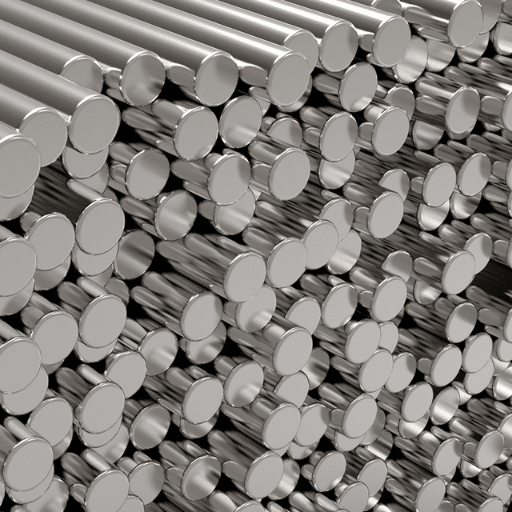
Austenitic stainless steel is a steel type with a complex microstructure and material properties that are responsible for its wide industrial applications and even more demanding ones. Besides ferritic and martensitic stainless steels, austenitic steel grades stand out for their corrosion resistance, which is mainly due to the high chromium and nickel content in these alloys. For instance, the actual content of the 304 and 316 alloys is 18-20% Cr and 8-12% Ni, and the oxide layer formed by these metals is passive and resistant to oxidation and chemical attack, even in harsh environments such as those of acids and salts.
Mild steel is one of the most common materials used in construction worldwide, and its strength and toughness are fundamental properties. Besides, austenitic steel retains its ductility and toughness at cryogenic temperatures, unlike ferritic or martensitic steels, which are not highly ductile and usually become brittle at temperatures below 0 degrees Celsius. Thus, this type of stainless steel remains the most suitable for applications such as the storage of liquefied gases or the construction of cold storage systems due to its cryogenic properties and high tensile strength.
Welding austenitic stainless steel is relatively easy; the risk of cracking is lower than for other grades. However, the welding process remains technologically advanced due to the need for proper filler materials and specific welding techniques for austenitic steel. However, the welded joints should be firm; otherwise, structures such as chemical plants and pressure vessels could fail.
Austenitic stainless steels have recently been shown to be the most cost-effective materials throughout their life cycles. Although they have a relatively high price at the beginning (about $2,500-$3,500 per ton for 2023, depending on the grade), the long life, corrosion resistance, and almost no maintenance requirements of these materials make the long-term cost of ownership very low. According to studies, austenitic stainless steel structures can last more than 50 years with minimal upstream maintenance. In contrast, carbon steel alternatives would need to be replaced at least once during that period under the same environmental conditions.
In addition, the non-magnetic nature of austenitic stainless steel makes it more useful in specialized fields where magnetic interference is critical, such as electronics, Magnetic Resonance Imaging, and fine science labs. This feature is a distinct competitive advantage over the ferritic grades.
By offering durability, versatility, and top performance, austenitic stainless steels remain unrivaled in the industries mentioned. They assist industries in enhancing operational efficiency and reducing long-term environmental and economic costs.
Corrosion Resistance of Austenitic Stainless Steel
The high chromium and nickel content in austenitic stainless steel contributes to its remarkable corrosion resistance. These elements form a passive oxide layer on the surface, preventing oxidation and chemical reactions. The fact that this protective layer is self-repairing is worth noting; thus, the material can still be used in very harsh conditions, such as those involving acids, salts, and high humidity, which are the main reasons it is preferred for industrial, marine, and chemical applications.
Durability and Formability Compared to Other Types
|
Key Point |
Austenitic |
Ferritic |
Martensitic |
|---|---|---|---|
|
Corrosion Resistance |
Superior, highly resistant |
Moderate, less than austenitic |
Low, prone to corrosion |
|
Formability |
Excellent, highly ductile |
Good, less than austenitic |
Poor, limited formability |
|
Strength |
Moderate, not as strong as martensitic |
Moderate, better than austenitic |
High, very strong |
|
Weldability |
Excellent, easy to weld |
Good, but less than austenitic |
Poor, difficult to weld |
|
Wear Resistance |
Moderate, not as wear-resistant |
Moderate, better than austenitic |
High, excellent wear resistance |
|
Magnetic Properties |
Non-magnetic |
Magnetic |
Magnetic |
Comparison with Ferritic and Martensitic Stainless Steels
|
Key Point |
Austenitic |
Ferritic |
Martensitic |
|---|---|---|---|
|
Corrosion Resistance |
Excellent, highly resistant |
Moderate, less than austenitic |
Low, prone to corrosion |
|
Formability |
Excellent, highly ductile |
Good, less than austenitic |
Poor, limited formability |
|
Strength |
Moderate, not as strong as martensitic |
Moderate, better than austenitic |
High, very strong |
|
Weldability |
Excellent, easy to weld |
Good, but less than austenitic |
Poor, difficult to weld |
|
Wear Resistance |
Moderate, not as wear-resistant |
Moderate, better than austenitic |
High, excellent wear resistance |
|
Magnetic Properties |
Non-magnetic |
Magnetic |
Magnetic |
|
Temperature Resistance |
High, performs well at high temps |
Moderate, less than austenitic |
Low, not suitable for high temps |
|
Cost |
High, due to superior properties |
Moderate, more affordable |
Low, cheapest among the three |
References
- Machinability of Austenitic Stainless Steel SS303
Published on ScienceDirect, this article discusses the machinability and work hardening of austenitic stainless steel SS303.
Read more on ScienceDirect - Assessment of Austenitic Stainless Steels
This paper evaluates various stainless steel categories, with a focus on austenitic stainless steels.
Read more on ScienceDirect - Surface Engineering of Austenitic Stainless Steel
Published on Taylor & Francis, this article explores the wear resistance and surface engineering of austenitic stainless steels.
Read more on Taylor & Francis
Frequently Asked Questions (FAQ)
What are the standard grades for austenitic stainless steel?
Austenitic stainless steel is mainly available in two grades: 304 and 316. These grades belong to the 300-series stainless steel family and offer excellent corrosion resistance and good mechanical properties. Grade 304 is an all-time favorite for applications, thanks to its decent corrosion resistance. On the other hand, grade 316 has better corrosion resistance due to its molybdenum content and is especially suited for marine environments.
How do ferritic and austenitic stainless steels differ?
Ferritic stainless steel is a metal with a body-centered cubic crystal structure that enhances ductility and resistance to stress-corrosion cracking. Conversely, austenitic stainless steel has a face-centered cubic crystal structure that offers unique properties, such as excellent corrosion resistance and formability. Ferritic stainless steels have lower corrosion resistance than austenitic ones.
What are the mechanical properties of austenitic stainless steel?
Austenitic stainless steels exhibit several favorable mechanical properties, including high tensile strength, good ductility, and toughness. These properties are more than a little beneficial in case of high-temperature applications where strength and stability are needed. The incorporation of chromium and nickel in the chemical compositions also plays a significant role in making these mechanical properties even stronger hence, austenitic stainless steel is found in a variety of applications.
What are the main applications that use austenitic stainless steel?
Austenitic stainless steel is a prevalent metal used for a lot of things ranging from food processing to chemical processing and even construction. Its excellent corrosion resistance makes it very suitable for areas where it may come into contact with harsh chemicals or be subjected to high temperatures. Furthermore, austenitic stainless steel grades are commonly used in applications such as kitchen tools, storage tanks, and pipelines due to their sanitary characteristics.
How does the carbon content affect the different grades of austenitic stainless steel?
The mechanical properties and corrosion resistance of austenitic stainless steel grades vary dramatically with carbon content. For instance, low-carbon grades like 304L are designed to reduce the risk of intergranular corrosion in weld areas to almost zero. High carbon content can be a double-edged sword, boosting strength but at the same time compromising resistance to corrosion, especially in aggressive environments.
What do you mean by the austenitic microstructure and its significance?
Austenitic microstructure is the form of stainless steel that is non-magnetic, very corrosion-resistant, and tough. There is no doubt that the microstructure is absolutely crucial since without it the steel would lose its high-temperature strength and also, very importantly, its ductility. Moreover, its resistance to harsh environments makes austenitic stainless steel quite popular across various industrial sectors.
What are the duplex steels and how do they compare with austenitic stainless steels?
Duplex stainless steels combine the best of both worlds —properties of austenitic and ferritic stainless steels — and thus offer a unique combination of strength and corrosion resistance. However, duplex stainless steels, compared with austenitic ones, exhibit higher strength and good resistance to stress corrosion cracking. Therefore, such metals can be used in applications where both high strength and resistance to pitting and crevice corrosion are required.
What benefits does austenitic stainless steel provide in the case of high-temperature applications?
High-temperature applications are one area where austenitic stainless steels really shine, thanks to their outstanding mechanical properties and the ability to maintain stability even at elevated temperatures. Besides, they do not lose strength and, at the same time, oxidize and scale less; hence, they are used in very demanding environments like chemical reactors and heat exchangers. Austenitic stainless steel can function well even in tough conditions.