


Blog
316L Stainless Steel Properties and Uses

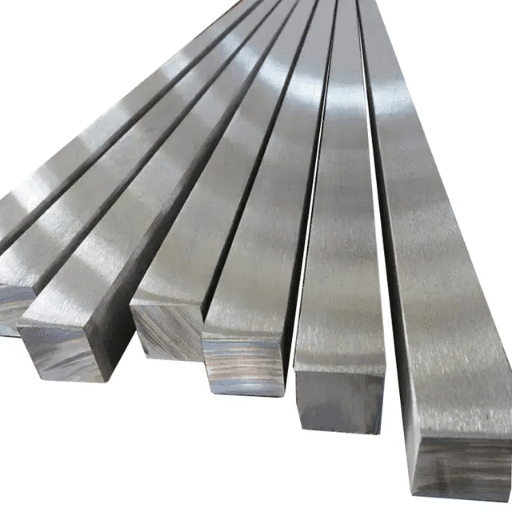
316L stainless steel is a low-carbon variant of the popular 316 alloy and is widely used across multiple industries. Its main characteristics are excellent corrosion resistance, durability, and adaptability in harsh environments. Their unique properties allow combining 316L with other materials in applications ranging from medical and pharmaceutical to marine and chemical processing. In the industry, 316L stainless steel has become the standard due to its high-temperature and low-corrosion performance, and this article will therefore focus on its key properties, advantages, and wide real-world applications.
Key Insight: Whether you want to understand its structural benefits or how it meets demanding operational requirements, this comprehensive guide delivers the in-depth information you need.
Introduction to Stainless Steels
Stainless steels are a class of metal alloys that are resistant to corrosion and primarily comprise iron, chromium, and other elements such as nickel, molybdenum, and manganese in varying amounts. The main feature of stainless steel is the amount of chromium it contains, which forms a passive oxide layer on its surface, thereby blocking rust and corrosion.
These alloys are divided into grades based on composition and characteristics, and their applications range from construction and medical tools to car parts and chemical processing equipment. Stainless steels have been appreciated for their long life, toughness, and ability to withstand harsh conditions, which is the reason why they are found in almost all industrial and commercial sectors.
Importance of 316 and 316L Stainless Steel
316 and 316L stainless steels are among the most valued materials for commercial and industrial applications, owing to their excellent corrosion resistance, even in harsh environments, and overall performance. The two alloys belong to the austenitic stainless steel group and contain molybdenum as an alloying element, which significantly increases their resistance to pitting and crevice corrosion in environments with high chloride levels, such as seawater or chemical processing.
Complete Characteristics and Main Reasons
✓ Corrosion Resistance
The two grades show remarkable resistance to rust formation (oxidation) and localized corrosion, especially in areas with acidic or saline conditions. This property also opens up the use of 316 and 316L stainless steels in pharmaceuticals, food processing, and marine applications.
✓ Low Carbon Content (316L)
The low carbon content in 316L not only reduces carbide precipitation during welding but also increases resistance to intergranular corrosion. This is particularly important in the production of chemical tanks and structural parts that operate under high-temperature conditions.
✓ High Temperature Tolerance
The strength and resistance of the 316 alloys can be retained even in the presence of 1200°F (649°C) heat, thus, they are suitable for use in heat exchangers, furnace parts, and other elevated-temperature applications.
✓ Biocompatibility
The 316L variant is a standard material for medical devices, implants, and surgical instruments owing to its non-reactivity, ensuring compatibility with biological environments.
✓ Strength and Durability
The 316 and 316L stainless steels have impressed with their exceptional tensile strength and mechanical performance, which, in turn, have secured the materials’ long-term service in the construction and pressure vessel industries.
These features demonstrate that 316 and 316L stainless steels are essential materials across marine engineering, chemical processing, medical technology, construction, and food production. Their adaptability and dependability make them ideal for extreme-performance and long-lasting environments.
Overview of Stainless Steel Grades
There are numerous grades of stainless steel available, and each is specifically designed for a given application based on its chemical composition, mechanical properties, and the environment in which it will be used. The main alloying constituents of stainless steel are iron, chromium, nickel, and molybdenum, which together decide the grade’s performance characteristics.
Austenitic Stainless Steels
Among the austenitic grades, 304, 316, and 316L, the austenitic group is the most widely used class of steel owing to its superb corrosion resistance and high ductility. The common practice is to alloy these steels with 16-26% chromium and 6-22% nickel. Sometimes, the addition of molybdenum is done for better performance in chloride-induced pitting. For instance, 316 contains about 2-3% molybdenum, making it more corrosion-resistant than 304. Non-magnetic austenitic grades exhibit toughness at both cryogenic and high temperatures. They can thus serve in a wide variety of industries, such as food processing, chemical transportation, and medical implants.
Ferritic Stainless Steels
Ferritic stainless steels, such as grade 430, typically have a composition of 10.5-30% chromium and little to no nickel. This class of steels is magnetic and offers good stress-corrosion and oxidation resistance. Their lower ductility compared to austenitic steels limits their use in applications that involve deep drawing. Grade 430 is often used for car trims, kitchenware, and facade protection for buildings.
Martensitic Stainless Steels
Martensitic stainless steels comprise grades like 410 and 420, which are the hardest and strongest class through heat treatment. The steels typically have 12-18% chromium and are magnetizable. They are not as corrosion-resistant as the others, yet they outperform the grades in high-wear applications such as surgical instruments, knives, and even turbine blades.
Duplex Stainless Steels
Duplex stainless steels like 2205 offer a balanced microstructure of the mixture of the two phases, austenite and ferrite, providing the material very high strength as well as cracking and pitting resistance. The duplex grades are composed of 18-28% chromium, 4.5-8% nickel, and varying amounts of molybdenum and nitrogen, all of which are focused on improving corrosion resistance. The oil and gas industry, desalination plants, and chemical processing are some examples of industries that make frequent use of duplex steels.
Precipitation-Hardening Stainless Steels
Precipitation-hardening stainless steels (e.g., 17-4 PH) are tailored to be strong and durable to corrosion. Such steels have outstanding mechanical properties; all thanks to their heat treatment, which is a part of the precipitation-hardening process that creates fine precipitates in the microstructure. Among others, their applications include aerospace, mechanical components, and tooling.
Data Comparison of Stainless Steel Grades
| Property | 304 | 316 | 430 | 2205 | 17-4 PH |
|---|---|---|---|---|---|
| Chromium (%) | 18-20 | 16-18 | 16-18 | 22-23 | 15-17.5 |
| Nickel (%) | 8-10.5 | 10-14 | ≤ 0.75 | 4.5-6.5 | 3-5 |
| Molybdenum (%) | – | 2-3 | – | 3-3.5 | – |
| Corrosion Resistance | Excellent | Superior | Moderate | Excellent | High |
| Strength | Moderate | Moderate | Low | High | Very High |
| Magnetism | Non-magnetic | Non-magnetic | Magnetic | Partially | Magnetic |
Choosing the correct stainless steel alloy is, to a large extent, determined by specific working conditions, including chemical exposure, temperature range, strength, and requirements for wear and corrosion resistance. The different grades of stainless steel offer customized solutions for various industries, ensuring not only durability but also optimal performance.
Applications Across Various Industries
🛩️ Aerospace Industry
The remarkable strength-to-weight ratio, combined with its resistance to high temperatures, makes stainless steel a material of choice in the aerospace industry. Aircraft frameworks, engine parts, and fasteners are examples of components that rely heavily on 17-4 PH and 304 grades to withstand high operational stress without losing strength in extreme conditions.
🍽️ Food and Beverage Processing
Hygienic, non-corrosive grades 304 and 316 stainless steel are indispensable in the food and beverage processing industry for their superior corrosion resistance and ability to maintain hygiene standards. They are widely used in the manufacture of equipment such as tanks, conveyors, and cutting tools, where they frequently come into contact with acidic or saline materials.
🏥 Medical Equipment Manufacturing
Stainless steel is the key material in the production of medical-grade tools and devices. Its compatibility with human tissues, its sterilization processes, and its corrosion resistance make grades like 316L ideal for surgical instruments, implants, and hospital furniture.
🏗️ Construction and Architecture
Stainless steel grades 304 and 2205 are commonly used in the construction industry for structural components, handrails, and claddings. The durability, aesthetic appeal, and resistance to weathering and corrosion over the long term made it the choice for both functional and decorative applications.
⚗️ Chemical Processing Industry
Stainless steel grades 316 and 904L are essential in the chemical industry, where equipment is exposed to corrosive chemicals and high temperatures. Applications involve storage tanks, pipework, and reactors, which ensure safety and prolonged operational life even in challenging environments.
Key Properties of 316L Stainless Steel

🛡️ Corrosion Resistance
Stainless 316L steel has remarkable corrosion resistance, especially in marine and other salty environments. Its low-carbon content prevents carbide formation during welding and thus enhances pitting and crevice corrosion resistance.
🔥 High Temperature Tolerance
316L keeps working in the harshest hot environments since its oxidation resistance is impeccable at 1600°F (870°C) for continuous and 1700°F (925°C) for intermittent uses; therefore, the material’s high-temperature tolerance is overall very good.
⚡ Excellent Weldability
The alloy can be welded by several methods, and for each technique, it is very suitable. Due to its low carbon content, the practice of sensitization is reduced to a minimum, and the intergranular corrosion of welded joints is thus not a problem.
💪 Enhanced Mechanical Properties
The alloy stainless steel 316L can offer a tensile strength of around 485 MPa (70,000 psi) and yield strength of around 170 MPa (25,000 psi). In addition, it has a 40% elongation in 50mm, which makes 316L an excellent choice of material in tough and varied industrial and structural applications.
🧲 Non-Magnetic Nature
Stainless steel 316L is typically non-magnetic after doing the annealing process. This feature, along with its high purity and resistance to contamination, clinches its position of being an ideal material for sensitive applications such as medical instruments and electronic devices.
Corrosion Resistance of 316L Stainless Steel
316L stainless steel is, without a doubt, one of the most resistant materials to corrosion in the world. It can easily survive and even thrive in very different conditions and environments. One of the reasons for this trait is the alloy’s low carbon content, the presence of molybdenum, and molybdenum’s ability to resist corrosion under various conditions.
-
Resistance to Pitting and Crevice Corrosion
The addition of molybdenum at a rate of around 2-3% has an effect that is quite noticeable as it lifts the corrosion resistance of 316L to a higher level even in chloride-rich environments, for example, seawater or brackish water.
-
Superior Resistance to Stress Corrosion Cracking (SCC)
The alloy resists SCC (stress corrosion cracking), the main failure mode in high-temperature, high-stress, and corrosive conditions. Thus, 316L is suitable for use not only in oil and gas but also in chemical processing industries.
-
Oxidation Resistance at Elevated Temperatures
316L is good at oxidizing conditions up to 870°C (1598°F) continuous and even higher temperatures intermittently. Therefore, it is used in industrial furnaces and heat exchangers.
-
Corrosion Resistance in Acidic Environments
The alloy can withstand a broad spectrum of acidic solutions, including sulfuric, phosphoric, and acetic acids, providing reliability in chemical processing and laboratory conditions.
-
Resistance to Corrosion in Marine Atmospheres
Numerous of the elements that make up 316L, namely chromium and nickel, contribute to its resistance to salt spray and humid conditions, making it the best for marine applications such as ship parts and harbor infrastructure.
Thus, the combination of these characteristics reaffirms the necessity of 316L stainless steel for critical applications in highly corrosive environments, as it will last longer and perform more reliably.
Mechanical Properties of 316L
| Property | Value | Description |
|---|---|---|
| Tensile Strength | 485 MPa (70,000 psi) | Able to resist high stress levels without failing in tension |
| Yield Strength | 170 MPa (25,000 psi) | Can undergo elastic deformation to that extent before being permanently deformed |
| Elongation at Break | 40% | Remarkable ductility; the metal can be stretched a great deal before breaking |
| Hardness | 150-217 HB | Moderate resistance to wear and indentations |
| Modulus of Elasticity | 193 GPa (28 x 10⁶ psi) | Very high level of stiffness; permits minimal deformation under heavy loads |
These mechanical properties make 316L stainless steel a versatile material that is highly reliable for critical engineering and structural applications.
Physical Properties of 316L Steel
The physical characteristics of 316L stainless steel play a significant role in its performance and flexibility in a variety of uses. The five most significant physical properties of 316L stainless steel are given below:
Density
8.0 g/cm³
(0.289 lb/in³) ensures a good combination of strength and weight in engineering applications
Thermal Conductivity
16.2 W/m·K
At 20°C (68°F), relatively low compared to most metals but good for thermally sensitive materials
Specific Heat Capacity
500 J/kg·K
At 20°C, the metal can easily absorb and slowly release heat
Electrical Resistivity
7.4 x 10⁻⁷ Ω·m
At 20°C (68°F), high resistivity beneficial when electricity conduction needs to be reduced
Coefficient of Thermal Expansion
16.0 x 10⁻⁶/°C
(9.2 x 10⁻⁶/°F) in the range 20°C to 100°C; ensures minimal shape/size changes
Comparison Between 316 and 316L Stainless Steel
| Key Point | 316 Stainless Steel | 316L Stainless Steel |
|---|---|---|
| Carbon Content | Max 0.08% | Max 0.03% |
| Corrosion Resistance | High | Higher due to lower carbon content |
| Weldability | Good | Better, less carbide precipitation |
| Strength | Slightly higher | Slightly lower |
| Applications | General industrial use | Medical, food, and marine industries |
| Cost | Slightly lower | Slightly higher |
Differences in Composition
Carbon Content
The greatest distinction between 316 and 316L stainless steel is carbon content. The maximum carbon content of 316L is only 0.03% while that of 316 can be as high as 0.08%. Because of the low carbon content in 316L, its resistance to sensitization is consequently increased, and carbide precipitation during welding is also effectively prevented.
Molybdenum Content
The molybdenum content is around 2-3% in both grades, but there may be slight differences depending on standards and certification requirements. This metal plays a significant role in improving corrosion resistance, especially in environments with high chloride concentrations.
Nickel Content
The nickel content of 316L and 316 is about the same, being in the range of 10-14%. Yet, the slight differences in this range might certainly affect the mechanical properties and corrosion resistance in niche applications.
Phosphorus and Sulfur Levels
The maximum amount of phosphorus and sulfur as impurities in both grades is very low. Although the limits are generally the same (0.045% for phosphorus and 0.030% for sulfur), variations in the production process can affect machinability or corrosion resistance under certain conditions.
Trace Element Variances
Due to production tolerances, the alloying elements manganese, silicon, and chromium may exhibit slightly different concentrations. For example, the chromium content is usually between 16-18% in both grades, but the particular composition will determine the performance traits, such as resistance to oxidation.
Performance in Different Environments
The environment in which stainless steel operates significantly impacts its performance. A comprehensive examination of the behavior of stainless steel in five different environments is presented below, including data where relevant:
🌊 Marine Environments
Stainless steel of different grades, such as 316, exhibits excellent corrosion resistance in the ocean due to its molybdenum-rich composition. For instance, 316 stainless steel has very high pitting resistance, with a critical pitting temperature (CPT) of around 30°C under chloride-rich conditions. On the other hand, if the environment is maintenance-free and extremely saline, the stainless steel may corrode through crevices over time.
🔥 High-Temperature Environments
Austenitic stainless steels, such as grades 304 and 310, are highly resistant to oxidation at high temperatures. Grade 310 is suitable for 2,000°F (1,093°C) in continuous service, losing neither strength nor integrity due to its high chromium (25%) and nickel (20%) content. However, if no protective layers are applied, then prolonged exposure would cause scaling.
❄️ Low-Temperature or Cryogenic Environments
The 304 and 316 grades of steel do not lose their ductility and toughness even at cryogenic temperatures. For example, 304 stainless steel retains its tensile strength (-452°F or -269°C) without becoming brittle. That is why these alloys are the best choice for such applications as LNG storage or other icy conditions.
⚗️ Acidic Environments
Stainless steels with high chromium and molybdenum content, such as duplex stainless steels, are used in very acidic environments, such as sulfuric or hydrochloric acid, where they perform well. For example, 2205 duplex stainless steel boasts a PREN (Pitting Resistance Equivalent Number) of over 35, giving it a significant advantage in localized corrosion resistance even at low pH levels. But when concentrated acids are present at high temperatures, the performance may still be affected.
🏭 Industrial Atmospheres
Stainless steels are standard in industries where exposure to harmful substances such as sulfur dioxide and carbon dioxide is unavoidable. In such cases, 304 and 309 grades are the most suitable, as they offer high resistance to tarnishing and corrosion. Research shows that after 1,000 hours of exposure to polluted industrial air containing SO2, corrosion on 304 stainless steel is almost nonexistent, a testament to its durability under these conditions.
This comprehensive analysis enables material selection based on environmental conditions, ensuring cost-effectiveness and longer material lifespans in practical applications.
Choosing Between 316 and 316L
My choice between the two grades, 316 and 316L stainless steel, depends on the application requirements in detail. Both grades provide superb corrosion protection, but the main factor separating them is the amount of carbon they contain. 316L has less carbon than 316, reducing the risk of carbide precipitation during welding and making it a suitable choice for welded parts in very corrosive environments. However, if welding is not a significant concern and a slightly higher strength is required, 316 could be chosen. The decision rests on whether the application prioritizes weldability or the material’s performance under normal operating conditions.
Practical Applications of 316L Stainless Steel
Marine Environments
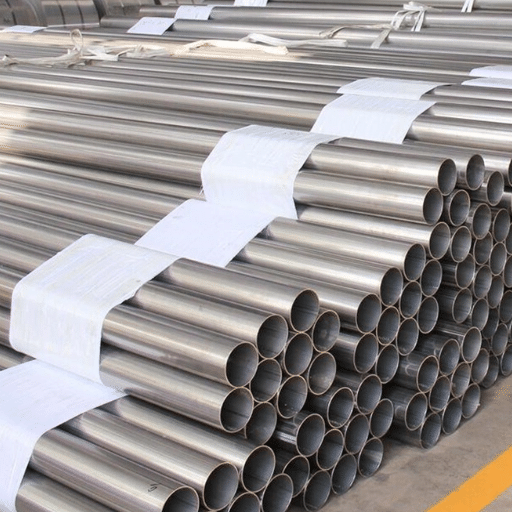
316L stainless steel has become a favorite in the marine industry mainly due to its outstanding resistance to both chloride-induced pitting and crevice corrosion. It is very common to use 316L in the manufacture of components that must last a long time in saltwater environments, such as boat fittings, propeller shafts, and seawater piping. Research indicates that the material’s pitting resistance equivalent number (PREN) rating is one of the factors that make it an excellent choice for places with a lot of salinity.
Medical Devices and Surgical Implants
The biocompatibility and resistance to other elements of 316L stainless steel make it a suitable candidate for medical applications. Its prolonged exposure to body fluids and sterilization processes has been used with orthopedic implants, surgical tools, and medical devices. Research also points to its low carbon content as the factor that reduces in-vivo degradation risks, thereby increasing patient safety.
Chemical Processing Equipment
The use of 316L in the chemical industry is widespread, as it is used to make reactors, heat exchangers, and storage tanks that handle highly corrosive materials. Its acid resistance, especially to sulfuric acid, and its good performance in high-temperature environments have made it the industry standard.
Pharmaceutical and Food Processing
The combined factors of 316L stainless steel’s corrosion resistance and its high hygiene standards make it a necessity in the pharmaceutical and food processing industries. Cleanroom equipment, piping systems, and containers are among the applications in which this material is used to minimize contamination. This is supported by FDA approval and adherence to regulatory standards, which indicate its appropriateness for such applications.
Oil and Gas Industry
The oil and gas industry uses 316L stainless steel in both upstream and downstream processes, particularly in environments containing hydrogen sulfide or chlorides. Pipeline systems, offshore platforms, and refinery equipment are areas where the alloy’s resistance to stress corrosion cracking enhances maintenance and, thus, improves operational reliability.
Industry Impact: The diversity of applications across industries reflects the significant advantages stainless steel 316L offers over competitors, even under the most demanding conditions. The material’s superior properties offer consumers a combination of performance and durability; thus, it is often the first choice in many industries.
Use in Marine and Coastal Environments
316L stainless steel has gained a strong reputation in marine and coastal industries that require the highest-quality metals, thanks to its resistance to chloride-ion corrosion in saltwater. This kind of metal exhibits a lower tendency to pit or corrode in crevices, which are common problems in these corrosive environments. The material, with a low carbon content, also eliminates the risk of sensitization, which can later compromise the metal’s structural integrity.
Specific Marine and Coastal Applications of 316L Stainless Steel
- Boat Fittings and Components: Parts like propeller shafts, cleats, and fasteners are lasting longer thanks to 316L’s durability in the sea and its low maintenance.
- Desalination Plants: The facilities use 316L stainless steel for evaporators, condensers, and piping, which prevents corrosion from chlorine at high temperatures and pressure.
- Coastal Architectural Structures: Handrails, cladding, and anchoring systems are among the applications that withstand environments of high humidity and salt, maintaining aesthetic and structural stability.
- Offshore Oil and Gas Rigs: The critical elements, such as pipelines, risers, and tanks, are made of stainless steel 316L to resist the corrosive marine environment, including sulfide stress cracking.
- Marine Heat Exchangers: In the cooling systems of warships and submarines, 316L stainless steel is used not only for its thermal efficiency and structural integrity but also for its resistance to harsh saltwater operating conditions.
The alloy’s strength, corrosion resistance, and durability make 316L already established as a critical material for reliable operation across different demand scenarios.
Applications in Medical Devices
316L stainless steel is the first-choice material for manufacturing medical implants, devices, and prosthetics, as it offers a range of properties, including biocompatibility, excellent corrosion resistance, and high elasticity. Moreover, it probably would not be wrong to say that it is the most critical material for healthcare because it is the only one that can pass the sterilization processes and not get affected by body fluids. Below are five significant utilizations:
🔪 Surgical Instruments
Surgical instruments like scalpels, forceps, and clamps are made from 316L stainless steel. Its strength and the absence of material breakdown during repeated sterilization, including autoclaving, guarantee long-term service.
🦴 Orthopedic Implants
This type of stainless steel is a major player in surgical fixation because it is used in plates, screws, and pins for bone fixation. The material’s high fatigue resistance and its application to human tissue give orthopedic implants the reliability that lasts over long periods.
❤️ Cardiovascular Devices
Components such as stents, valve housings, and pacemaker cases are indeed constructed from 316L stainless steel. The corrosion resistance these devices derive from the steel is their primary line of defense against the accumulation of blood and other body fluids, which can cause degradation and reduce the risk of failure in the most critical applications.
🦿 Prosthetics
Mechanical properties of 316L stainless steel, its ability to resist wear and the polished surface that does not cause irritation to the living tissues are the reasons why this alloy is often a choice for artificial joints and prosthetic parts.
💉 Hypodermic Needles and Cannulas
The high degree of accuracy and long-lasting hypodermic needles and cannulas can be achieved because of 316L stainless steel’s high machinability. Its ability to stay sharp while resisting corrosion ensures performance and safety during the use of needles and cannulas.
The long-lasting performance of 316L stainless steel in the medical field is supported by statistical analyses and clinical studies, which not only corroborate its use in the most critical devices but also reveal its unique capability across the board.
316L in the Food Processing Industry
316L stainless steel is the material of choice in food industry processing because it offers outstanding corrosion resistance, high durability, and good hygienic properties. The alloy’s ability to withstand very high and very low temperatures, as well as its resistance to food substances, has made it a must in a variety of sector applications.
Five Major Features and Advantages
✓ Corrosion Resistance
316L stainless steel is highly corrosion-resistant, especially in acidic or salty environments, which are common in food processing.
✓ Ease of Cleaning
The exceptionally smooth surface finish of stainless steel prevents the adhesion of food and bacteria, making cleaning more efficient and enabling hygiene standards to be easily met.
✓ Temperature Tolerance
The material can withstand both high and low temperatures, which is very important for applications such as pasteurization, freezing, and cooking.
✓ Durability and Longevity
The material’s long-term performance in harsh industrial environments is supported by its high tensile strength and resistance to wear and tear.
✓ Non-Contaminant Material
316L does not release any toxic substances or undergo chemical reactions with food, thus allowing perfect quality of the product and health safety of the consumers.
The mentioned properties, along with technical data and industry standards, highlight the crucial role that 316L stainless steel plays in ensuring safety, efficiency, and compliance in modern food processing systems.
Welding and Fabrication of 316L Stainless Steel
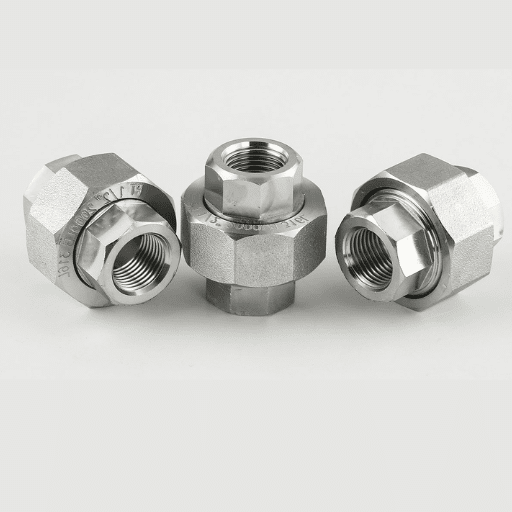
Welding and fabrication of 316L stainless steel must be done precisely and with proper techniques to maintain its special characteristics, such as corrosion resistance and mechanical strength. The low carbon content of 316L, on the other hand, reduces the risk of carbide precipitation during welding, which might otherwise lead to intergranular corrosion. Thus, the material’s excellent qualities make it the best choice for use when areas or conditions are both sanitary and corrosive, as in pharmaceuticals, chemical processing, and food production.
Welding Methods
Different methods can be used for the welding of 316L stainless steel, namely: Gas Tungsten Arc Welding (GTAW/TIG), Gas Metal Arc Welding (GMAW/MIG), Shielded Metal Arc Welding (SMAW), and Plasma Arc Welding (PAW). The most common method for critical applications is GTAW, owing to its precision and high-quality welds.
Key Welding Considerations:
- Filler Material: Use of 316L filler metals (e.g., AWS E316L or ER316L) is highly recommended to ensure the weld is strong and has the same properties as the base material.
- Control of Heat Input: Applying low-to-moderate heat input during welding is the best way to eliminate microstructural changes that might lead to a loss of corrosion resistance. Heat discoloration after welding should be avoided and can be corrected by pickling or passivation.
- Shielding Gas: The gases most often used for shielding in GTAW are argon or argon-helium mixtures because they stabilize the arc and avoid atmospheric contamination.
Fabrication Considerations
Machining and shaping of 316L stainless steel require specific treatments to control work hardening and galling. The following are the key considerations:
- Machinability: Although 316L cannot be machined as easily as low-alloy steels, it can be significantly improved with carbide tools and cutting fluids. The machinability rating for 316L is estimated at 50% as compared to carbon steel SAE 1212 under standardized conditions.
- Cold Forming: 316L’s excellent ductility allows the rolls, the bends, and the deep drawings to be applied without the edges cracking. However, strain-hardening may occur and thus requires stress-relief annealing at 1,900°F to 2,100°F (1,040°C to 1,150°C).
- Post-Fabrication Cleaning: The corrosion resistance will not be effective if contaminants and heat tint are not removed. The surface will be polished electrochemically or mechanically, then passivated with either nitric or citric acid to ensure it is well protected and the chromium oxide layer has been restored.
Industry Standards and Best Practices
The manufacturing process must comply with international standards, such as the ASME Boiler and Pressure Vessel Code, ASTM A240 specifications for stainless steel plates, and AWS welding guidelines. By following these rules, the components produced will be compliant, safe, and durable.
⚠️ Important Note: The industries keep on using more and more advanced welding and fabrication techniques, so their components made of 316L stainless steel will last much longer and work more efficiently, thus solidifying this material’s position as the premium material for high-demand environments.
Welding Techniques for 316L
The corrosion-resistant and low-carbon features of 316L stainless steel, which require meticulous welding to maintain mechanical properties and avoid defects, lead to the use of standard welding techniques, depending on the application and desired weld quality.
TIG Welding (GTAW)
TIG welding is often preferred for 316L due to its accuracy and ability to yield neat, high-quality welds. In this method, a non-consumable tungsten electrode is used, along with an inert shielding gas such as argon or helium.
The low heat input in TIG welding minimizes the risk of carbide precipitation, which is essential for 316L’s corrosion-resistant properties.
MIG Welding (GMAW)
MIG welding is another method frequently used for 316L, especially on larger projects when speedy, efficient welding is required. A consumable electrode is used along with the inert shielding gas or a mixture of argon and CO2.
Employing low heat input and monitoring the interpass temperature (usually under 300°F or 150°C) will be mandatory to prevent unwanted structural changes.
Laser Beam Welding
The most noteworthy advantage of laser beam welding is accuracy, small weld zones, and low heat distortion. This method has produced such high-quality joints that it is now a dominant method in the aerospace and medical device manufacturing sectors.
Laser beam welding provides deeper penetration than traditional methods while retaining corrosion resistance.
Post-Weld Heat Treatment
Welded 316L may be subjected to a solution annealing procedure to relieve residual stresses and further reduce the risk of intergranular corrosion.
The solution annealing temperature for 316L is usually between 1900°F and 2150°F (1038°C and 1177°C), followed by rapid cooling.
Recommendations and Considerations
To achieve the highest quality welds possible with 316L, it is necessary to observe the following best practices strictly:
- Use filler metals such as ER316L or E316L to prevent weld metal degradation.
- Keep the base material and filler areas clean because contaminants are the primary source of defects.
- Be careful with the heat input during welding, as it can cause warping or loss of corrosion resistance.
- Provide sufficient gas shielding to keep the weld area free of atmospheric contamination.
With the proper techniques and parameters, industries can fully leverage 316L stainless steel’s outstanding properties, resulting in welds that not only meet but also exceed the highest standards of reliability and performance.
Best Practices for Machining 316L Steel
The machining of 316L stainless steel requires a cautious approach, considering all material properties, to achieve the best results with minimal tool wear while preserving dimensional accuracy. 316L stainless steel is well-known for its low carbon content and enhanced corrosion resistance. Still, it is difficult to machine due to hardening during processing and its low thermal conductivity, which require precise, specific machining strategies.
🔧 Tool Selection
For the machining of 316L stainless steel, tools made of either coated carbide or high-speed steel (HSS) should be used. Coating surfaces with titanium nitride (TiN) or titanium aluminum nitride (TiAlN) can improve wear resistance and reduce friction. Moreover, using tooling with a positive rake angle is suggested as it would counteract work hardening and also increase the rate of material removal.
⚙️ Cutting Speeds and Feeds
Cutting speeds of 50 to 70 meters per minute (m/min) are the norm for carbide tools and 10 to 20 m/min for HSS tools, but this is all operation-dependent. To ensure cutting tools last and achieve an improved surface finish, lower speeds should be used for interrupted cuts or finishing operations. Generally, feed rates should be controlled to avoid the build-up of heat that is excessive, and the feed rates are usually set in the range of 0.1 to 0.3 millimeters per revolution (mm/rev).
💧 Cooling and Lubrication
The selection of the method of cutting fluid—high-pressure, flood or coolant-through—is fundamental, as it is to the dissipation of heat and the reduction of tool wear. The application of water-soluble lubricants containing additives formulated explicitly for stainless steels can further increase machining efficiency. Proper cooling is a measure to prevent deformation of the workpiece and to reduce thermal cracking.
🔄 Chip Control
The ductility of 316L makes it prone to producing long, continuous chips, which increases the likelihood of chip entanglement or even tool damage. Use chip-breaking geometries on the cutting tools, or implement frequent chip evacuation using either compressed air or mechanical means.
⚠️ Work Hardening Prevention
To prevent the material from hardening during work, it is of utmost importance not to let the tool stay in one spot for too long. The cutting tool must remain engaged, and the depth of cut—usually between 0.2 and 0.4 millimeters—must be sufficient to ensure the cut extends below any work-hardened layer.
🎯 Machine Settings and Rigidity
Make sure the machine setup is strong and free of excessive vibrations, as the toughness of 316L can cause the tool to deflect more than it should. Utilize state-of-the-art CNC machines that can follow exact tool paths, and if necessary, apply active vibration damper technology.
📊 Tool Wear Monitoring
Frequent checks for tool flank wear and chipping should be done due to the abrasive nature of 316L work. The use of worn tools may result in poor surface finishes, excessive heat, and dimensional inaccuracies. At the first indication of significant wear, tools should be replaced or regrinded.
The observance of these comprehensive best practices will enable machinists to process 316L stainless steel efficiently, thereby unlocking productivity potential and delivering quality components. Besides, the reliability and efficiency of machining this multifaceted alloy will continue to improve with each new development in machining technology, e.g., adaptive control methods and optimized tool coatings.
Challenges and Solutions in Working with 316L
Challenge: High Material Toughness
316L stainless steel, which is very tough, can lead to high cutting forces, increased wear on tools and machine parts, and increased heat during the cutting process. The metal’s toughness makes it difficult to perform precise machining and to run long production runs.
✓ Solution:
Use cutting tools with advanced coatings, such as titanium aluminum nitride (TiAlN) or aluminum titanium nitride (AlTiN), to boost their resistance to wear and heat dissipation. Use high-pressure coolant systems to keep temperatures down while still achieving the best performance from the tool.
Challenge: Low Thermal Conductivity
The thermally insulating properties of 316L during a cutting operation mean that heat can be concentrated, resulting in thermal deformation of the workpiece or changes in its properties.
✓ Solution:
Lower the turning speeds and increase the feed rates to achieve an even heat distribution. Choose tool materials such as carbide or ceramics, which are specifically designed to withstand high temperatures.
Challenge: Galling and Built-up Edge (BUE) Formation
The 316L alloy has been known to cause galling on tools due to adhesion removal during the cutting process, which, in turn, negatively impacts surface finish and tool life.
✓ Solution:
Use tools with sharp edges and positive rake angles to reduce the risk of sticking. In addition, selecting a lubricant or coolant with anti-galling properties can significantly reduce BUE formation.
Challenge: High Tendency for Work Hardening
The tendency of the alloy to work harden is a significant cause of poor-quality secondary machining operations and rapid tool wear.
✓ Solution:
Optimize the machining by first using controlling aggressive cutting parameters to reduce the tool-to-surface contact time. Do not make several passes over the same area or hold on the same area for a longer time than necessary to avoid hardening effects.
Challenge: Complex Surface Finish Requirements
Some sectors, particularly medical and aerospace, demand ultra-smooth surface finishes, and it is not easy to machine 316L steel to these standards.
✓ Solution:
Add finishing processes like precision grinding or electro-polishing to improve surface quality. CNC machines with anti-vibration technology should be used to ensure a consistent finishing standard is achieved.
By using well-documented solutions, the challenges above can be overcome by machinists, who will consequently ensure that 316L stainless steel processing is done efficiently and accurately, meeting industry requirements and being cost-effective.
Frequently Asked Questions (FAQ)
❓ What are the significant features of 316L stainless steel?
316L stainless steel is well known for its high corrosion resistance, especially in marine and chloride-containing environments. It has a low carbon content, so the possibility of pitting and crevice corrosion is also low. This alloy of austenitic stainless steel has considerably high tensile strength and good weldability, and therefore is versatile in its applications.
❓ How is 316L stainless steel different from 316?
The main distinction between 316 and 316L stainless steel is the amount of carbon in them. 316L has a lower carbon content, which nowadays is up to the corrosion-resistant welded region standards. This makes 316L a recommended option for industries that demand the utmost corrosion resistance, while 316 is still widely used in non-critical applications.
❓ What does molybdenum stand for in 316L stainless steel?
Molybdenum is an indispensable alloying element in 316L stainless steel, enhancing its resistance to pitting and crevice corrosion in chloride environments. It plays a vital role in the overall corrosion resistance of steel, thus, its ultimate use in the chemical industry and the marine sector.
❓ What are the mechanical properties of 316L stainless steel?
316L stainless steel gleams with the mechanical properties of high tensile strength and nice ductility. The ability to retain strength at high temperatures and resistance to stress-corrosion cracking are two main factors that contribute to these properties. Therefore, this material is suitable for use in harsh, corrosive environments.
❓ Why is it necessary to anneal 316L stainless steel?
Post-weld annealing is pivotal for 316L stainless steel because it guarantees that internal stresses are eliminated, the microstructure is optimized and thus the world’s best corrosion resistance is provided. The process is a steel performance enhancer against corrosion and a guarantee of durability over a longer period in corrosive environments.
❓ In what sectors is 316L stainless steel mainly utilized?
316L stainless steel is a very popular choice across different industries like chemical processing, marine, and facilities using heavy-gauge welded components. Its high corrosion resistance allows it to be used in environments where saltwater, acids, and other corrosive media are present.
❓ How does corrosion resistance of 316L compare with 304 stainless steel?
Between 316L and 304 stainless steel, the former has a much wider range of corrosion resistance in environments containing chloride. The addition of molybdenum in 316L helps to withstand pitting and crevice corrosion, so it is the best choice among conditions that are harsh.
❓ What about the cost difference between 316 and 316L stainless steel?
The price of 316 and 316L stainless steel can fluctuate with the market, but overall, 316L is slightly costlier due to its lower carbon content and corrosion-resistance properties. The use of 316L is often seen in areas where corrosion is a primary concern, hence, the investment becomes worthwhile.
Conclusion
316L stainless steel stands as a testament to modern metallurgical engineering, offering an exceptional combination of properties that make it indispensable across numerous critical industries. Its low carbon content, superior corrosion resistance, excellent weldability, and biocompatibility have established it as the material of choice for applications ranging from marine environments to medical devices, from food processing equipment to chemical plants.
The unique characteristics of 316L—particularly its resistance to pitting and crevice corrosion in chloride-rich environments, its ability to maintain structural integrity at extreme temperatures, and its compatibility with various fabrication and welding techniques—ensure its continued relevance in an ever-evolving industrial landscape.
As industries continue to demand materials that can withstand increasingly challenging conditions while maintaining safety, reliability, and cost-effectiveness, 316L stainless steel remains at the forefront, delivering proven performance and long-term value across diverse applications worldwide.