


Blog
Duplex Stainless Steel: Properties and Applications

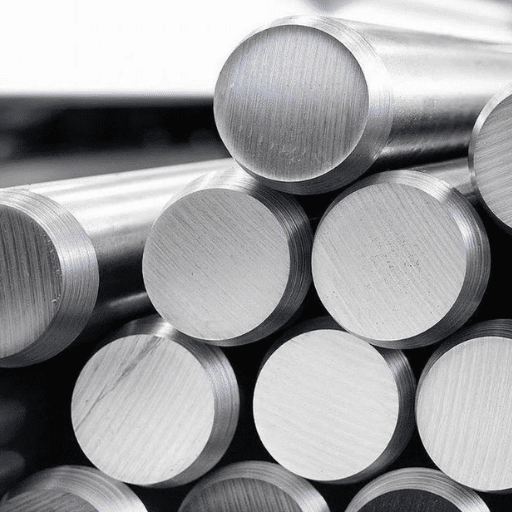
Duplex stainless steel has been gaining recognition as a key material in today’s engineering world due to its remarkable strength and durability combined with corrosion resistance and cost-effectiveness. This stainless steel category, unique for its structure comprising both austenite and ferrite phases, delivers a powerful solution for industries operating in extremely harsh environments. From oil and gas pipelines to chemical plants, duplex stainless steel is the material that keeps outperforming traditional materials in harsh applications. In this piece, we will examine the main characteristics that define duplex stainless steel, its benefits over other metallic alloys, and the most significant applications where its performance has a noticeable impact.
Introduction to Duplex Stainless Steel
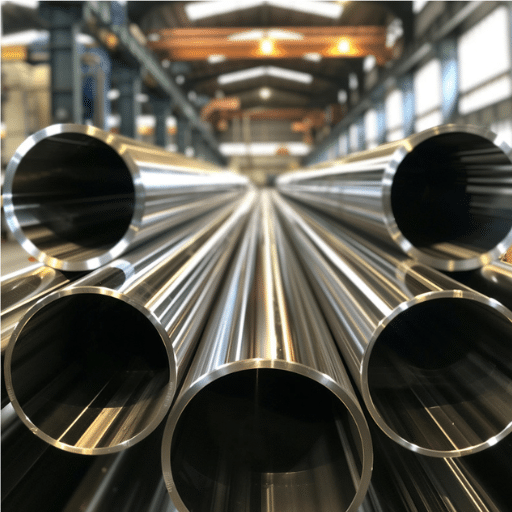
Duplex stainless steel is a material with extraordinary versatility, featuring a mixed microstructure containing approximately equal amounts of austenite and ferrite. The balanced microstructure of duplex stainless steel gives it superior strength and corrosion resistance compared to conventional stainless steels. It is regarded as highly effective in conditions characterized by the presence of chlorine ions or aggressive chemical agents; thus, it is considered a material of choice in the oil and gas, chemical, and seawater desalination industries. In addition to these benefits, duplex stainless steel has the advantage of being easier to weld and its material costs are lower owing to its high strength-to-weight ratio, which enables the use of thinner and lighter components that still have the same durability and performance as the thicker and heavier ones.
Significance in Modern Industries
Duplex stainless steel has been the material of choice for many industries owing to its near-perfect properties such as mechanical and corrosion resistance. Below are five industries in which duplex stainless steel is an essential material:
1
Oil and Gas
Applications: It is used for pipelines, pressure vessels, offshore drilling rigs, and subsea devices.
Details: Material properties of duplex that prevent the failure due to corrosion and cracking in the most severe environmental conditions of high chlorides and oceanic waters, also increase the lifespan and save the whole infrastructure. Research claims that facilities offshore can achieve a life extension of over 20 years using duplex instead of conventional materials.
2
Chemical Industry
Applications: In chemical reactors, tanks, and heat exchangers.
Details: The steel can resist aggressive acids like sulfuric or phosphoric, making operations safer and more cost-effective and energy-efficient. Its high strength allows the use of smaller-diameter pipes in various processes, resulting in reduced capital costs and more.
3
Desalination
Applications: In evaporators, piping systems, and water tanks.
Details: Duplex stainless steel is a material that can withstand seawater’s corrosive environment and is thus a suitable choice for freshwater plants. The use of this material has resulted in a 15-20% drop in maintenance expenses due to its long life.
4
Pulp and Paper Industry
Applications: Used in digesters, bleaching plants, and recovery boilers.
Details: The material resists corrosion from chlorine-containing chemicals commonly used in the production process. Its strength ensures high operational efficiency and reduced equipment downtime over extended periods.
5
Renewable Energy Sector
Applications: Found in wind turbine components, solar power structures, and geothermal piping.
Details: The excellent strength-to-weight ratio of duplex stainless steel makes it suitable for renewable energy structures that require lighter yet durable materials. Research has shown that its use in wind turbine foundations enhances load-bearing capacity while minimizing material usage by approximately 30%.
These instances are the proof of the multifaceted and durable nature of duplex stainless steel in various industrial applications. It’s conquest of modern engineering and manufacturing as an indispensably material is thus confirmed.
Overview of Duplex and Super Duplex Stainless Steel
Duplex stainless steel is a type of steel with a unique microstructure comprising two phases, austenitic and ferritic, in approximately equal proportions. The austenitic stainless steel’s yield strength is about twice that of the duplex stainless steel, and the latter is well resistant to stress-corrosion cracking. The former also contains exceptionally high levels of chromium (19-28%) and molybdenum (up to 5%), which collectively contribute to a very high pitting resistance equivalent number (PREN), making it an obvious choice for extremely aggressive environments such as the marine and offshore industries.
The next generation of duplex steel, super duplex, is built on the benefits of standard duplex grades and, at the high end, offers even greater properties and corrosion resistance. Super duplex stainless steel with PREN usually exceeding 40 provides exceptional protection against localized corrosion, such as pitting and crevice corrosion, even in high-chloride environments. An increase in their tensile strength and ductility makes them well-suited for critical applications, such as subsea pipelines, chemical processing, and desalination plants, where materials are continuously subjected to extreme pressure and harsh chemical conditions.
Applications and Advantages
Duplex and super duplex stainless steels find their place in industries where the best is needed under the worst conditions. The oil and gas industry uses these metals for flowlines, heat exchangers, and risers because they offer excellent corrosion resistance and high mechanical strength. Similarly, the marine industry, where materials used for shipbuilding, propeller shafts, and seawater systems must be resistant to saltwater corrosion to ensure longevity and reliability, requires the same pair of metals for these applications.
Cost-Performance Ratio: Research shows that the use of duplex grades in projects can lead to savings of 10-15% in material costs compared to commonly used materials. This is achieved through reduced material usage and maintenance. On top of this, the enhanced fatigue resistance of super duplex stainless steel makes it ideally suited for high-stress construction projects, such as bridges and infrastructure in seismic zones, where the steel is already used.
Market Insights and Sustainability
The recent market analysis indicates that the global duplex stainless steel market is expected to grow at a 4.8% CAGR through 2030. The main driver of this growth is the aforementioned increase in demand for durable, corrosion-resistant materials in the renewable energy sectors, including offshore wind. Besides, the roles of duplex stainless steels in sustainability are illuminating, as longer service life and reduced maintenance lead to a smaller overall carbon footprint associated with replacement and repair work.
Duplex and super duplex stainless steels are the pinnacle of engineering technology, offering excellent versatility for structural, chemical, and environmental applications. Their strategic use not only enhances operational efficiency but also drives cost-saving and eco-friendly practices across various industries.
Properties of Duplex Stainless Steel
High Strength
Duplex stainless steel has the highest mechanical strength among the standard austenitic group of stainless steels. It typically has around twice the strength of grades 304 or 316; for instance, duplex steel has a strength above 450 MPa, while austenitic steels are below 200-250 MPa.
Corrosion Resistance
Duplex stainless steel has good corrosion resistance, especially in chloride-rich environments, where the alloys commonly suffer from cracking and pitting. The unique composition of duplex stainless steel, which comprises both austenite and ferrite, makes it the best candidate for the marine, chemical, and oil and gas industries.
Good Weldability
Welding of duplex stainless steel has been made easier than that of traditional ferritic stainless steels, as it reduces the risk of crack formation. Welding duplex stainless steel requires moderate preheating and controlled cooling to maintain the material’s desirable properties.
Thermal Conductivity
Duplex stainless steel has a higher thermal conductivity than austenitic stainless steel; thus, it is a good material for heat exchangers and other applications where heat management is critical. The thermal conductivity of the duplex is about 25% more than that of austenitic grades.
Reduced Thermal Expansion
The thermal expansion coefficient of duplex stainless steel is lower than that of austenitic grades, leading to minimal distortion from thermal cycling. This quality is beneficial in areas where there is a need for tolerance to temperature changes such as building supports or pipelines.
Detailed Corrosion Resistance Properties
Duplex stainless steels are renowned for their outstanding corrosion resistance, which is superior to that of many typical austenitic and ferritic grades. This feature is achieved through their two-phase microstructure and the use of large amounts of chromium, molybdenum, and nitrogen. The following are the five properties of duplex stainless steels regarding corrosion resistance:
🛡️ Resistance to Pitting and Crevice Corrosion
Typically, duplex stainless steels have a pitting resistance equivalent number (PREN) that reaches up to 35 or more, thanks to their alloy composition. Thus, they are especially well adapted to chloride-rich environments such as seawater or chemical processing plants.
🔬 Stress Corrosion Cracking (SCC) Resistance
In contrast to austenitic stainless steels, duplex grades exhibit a much higher resistance to stress corrosion cracking, even at high chloride concentrations and elevated temperatures. This means they are suitable for aggressive industrial applications.
⚗️ Uniform Corrosion Resistance
The high contents of chromium and molybdenum provide excellent uniform corrosion resistance in acidic and oxidizing, e.g., sulfuric or hydrochloric acid, environments.
🔧 Intergranular Corrosion Resistance
Duplex stainless steels are less susceptible to intergranular corrosion during welding or heat treatment and outperform several conventional stainless steels thanks to their microstructure balance.
💪 Corrosion Fatigue Resistance
The duplex structure provides mechanical strength and corrosion resistance under cyclic stress conditions, making it suitable for marine environments or high-pressure system equipment.
Key Takeaway: These properties, taken together, confirm the reliability and long-term performance of duplex stainless steels in harsh, corrosive environments.
Strength and Durability Characteristics
Duplex stainless steels are highly rated for their outstanding toughness and long-lasting nature, making them suitable for applications in extreme mechanical and chemical environments. The following five traits portray their strength and durability in detail:
- 1
High Yield StrengthDuplex stainless steels exhibit a yield strength that is almost twice that of austenitic or ferritic stainless steels. For instance, the typical yield strength of duplex grades is about 450-550 MPa, whereas it is roughly only 200-250 MPa for austenitic grades.
- 2
Superior Tensile StrengthThese steels achieve the highest tensile strength of 620 to 880 MPa, providing excellent resistance to mechanical stress and ensuring the structure remains intact under heavy loads.
- 3
Resistance to Stress Corrosion Cracking (SCC)Every microstructure of ferrite and austenite contributes to the SCC resistance of duplex stainless steels, even in very corrosive environments such as those with high chloride levels, at high temperature and pressure.
- 4
Improved Fatigue StrengthThe improved fatigue strength is the feature that enables duplex stainless steels to be cyclically loaded without the risk of premature failure. The property is essential in dynamic applications like pressure vessels and offshore.
- 5
Long Service LifeThe combination of superior mechanical properties and corrosion resistance gives rise to a less frequent need for maintenance and thus the operational life of components in harsh environments is prolonged.
Mechanical Properties of Duplex Stainless Steel
Duplex stainless steels are characterized by their extraordinary combination of mechanical properties, which enable them to withstand significant pressure, so it is no wonder they are chosen for demanding applications. The following details illustrate five of the main mechanical properties of duplex stainless steel, along with their explanations:
High Yield Strength
Duplex stainless steels have yield strengths around two times higher than those of typical austenitic stainless steels, i.e., 304 and 316 grades, etc. For instance, the average yield strength is about 450-550 MPa versus 200-300 MPa for austenitic counterparts. This high strength-to-weight ratio allows the use of thinner material sections, resulting in cost and weight reductions.
Excellent Toughness
Duplex stainless steels, even though very strong, are quite tough, particularly at sub-zero temperatures. This toughness guarantees a certain level of reliability under dynamic or impact loading conditions, thus making them suitable for cryogenic applications and rough environments.
Superior Fatigue Resistance
Duplex stainless steels exhibit outstanding fatigue resistance, especially under cyclic loading. This characteristic is vital in places where high stresses occur, like rotating equipment, bridge beams, or structures under the sea.
Good Elastic Modulus
The elastic modulus of duplex stainless steel is around 200 GPa, similar to that of the austenitic grades. It guarantees that there will be little to no deformation of the structural material under load and that its structural integrity will be maintained even under high stresses.
High Hardness Levels
In general, duplex stainless steels show greater hardness values (determined either by the Brinell hardness test or the Rockwell hardness test) than austenitic steels. Common hardness values are in the range of 260-300 HBW, which differs according to the specific grade, thus making the material exceptionally wear and scratch resistant.
Important Note: Not only these mechanical properties, but also their excellent resistance to environmental stress and corrosion, emphasize the material’s versatility and wide industrial applications.
Chemical Composition and Microstructure
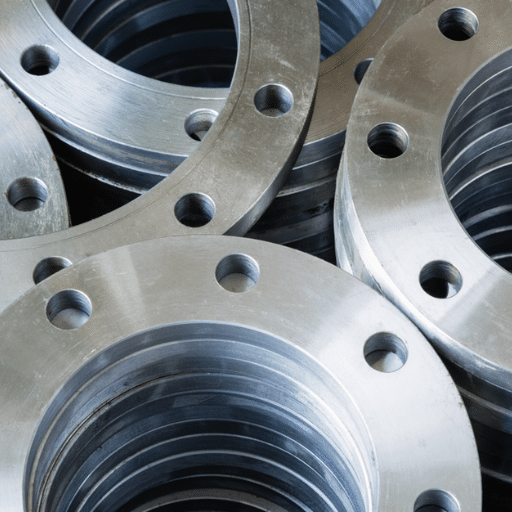
Balanced microstructure and alloying elements are the main reasons duplex stainless steels exhibit remarkable mechanical properties and excellent corrosion resistance. The microstructure consists of austenite and ferrite phases, in equal amounts (usually 50/50), which are controlled by cooling during the production process. This combination of phases not only improves the material’s strength but also enables it to resist stress-corrosion cracking better than austenitic or ferritic grade steels.
Key Chemical Components
The chemical composition of duplex stainless steel is explicitly controlled to ensure these microstructural changes and performance characteristics. The base metal usually consists of:
- Chromium (19-28%): Contributing factor to remarkable corrosion resistance, particularly against oxidation and pitting
- Nickel (4.5-8%): Stabilizes the austenitic phase and thus, ductility
- Molybdenum (up to 5%): Enhances pitting and crevice corrosion resistance
- Nitrogen (0.05-0.3%): Plays a role in enhancing strength and corrosion resistance
- Additional elements: Manganese, silicon, and other trace elements in smaller proportions
Example: UNS S32205 (2205 Duplex Stainless Steel)
For instance, 2205 has a composition of about 22% chromium, 5-6% nickel, and 3% molybdenum, giving it a PREN (Pitting Resistance Equivalent Number) of approximately 35, which makes it very suitable for use in chloride-rich environments such as marine water applications.
The microstructure, when viewed under a microscope, shows the interlocking of austenitic and ferritic grains, whose etching and polishing characteristics can be identified during metallurgical examination. The right amount of heat treatment and cooling during the production process is significant for maintaining the desired microstructural balance, because any deviation can lead to the formation of sigma phase, which is not only corrosion-resistant but also a toughness-reducing phase.
Conclusion: The impressive chemical and microstructural characteristics of duplex stainless steels are among the main reasons these materials are widely used in oil and gas, chemical processing, and marine applications, where they deliver excellent performance even in very harsh environments.
Understanding Duplex Stainless Steel Grades
Duplex stainless steels are divided into numerous grades, each designed for a specific application and performance requirement. The primary methods of classification are chemical composition and the PREN (Pitting Resistance Equivalent Number) value. The PREN value is the most critical measure of the corrosion resistance of these alloys.
PREN Formula
PREN = %Cr + 3.3(%Mo) + 16(%N)
The higher the value, the better the alloy is in resisting pitting and crevice corrosion in environments rich in chlorides.
Major Duplex Stainless Steel Grades
UNS S32205 / 2205
Chemical Composition:
- Chromium (Cr): ~22%
- Molybdenum (Mo): ~3%
- Nickel (Ni): ~5-6%
- Nitrogen (N): ~0.14-0.20%
PREN Value: ~35
Applications: It is used in chemical processing, structural components, and water treatment systems due to its excellent strength-to-corrosion resistance ratio.
Key Features: Yield strength is around 2 times that of austenitic stainless steel; good for 600°F (315°C) operation.
UNS S32101 / 2101
Chemical Composition:
- Chromium (Cr): ~21%
- Molybdenum (Mo): Minimal (~0.3%)
- Nickel (Ni): ~1.5%
- Nitrogen (N): ~0.22%
PREN Value: 26-30
Applications: Suitable for structural applications, storage tanks, and bridges where toughness and moderate corrosion resistance are prioritized.
Key Features: Lower alloy content makes it cost-effective, so the mechanical properties and corrosion resistance can be kept at the adequate levels.
UNS S32750 / 2507
Chemical Composition:
- Chromium (Cr): ~25%
- Molybdenum (Mo): ~4%
- Nickel (Ni): ~7%
- Nitrogen (N): ~0.24-0.32%
PREN Value: >40
Applications: Superfine offshore platforms, heat exchangers, chemical tankers, and desalination plants are most commonly used because of their unparalleled strength in aggressive environments.
Key Features: Exceptional tensile and yield strength combined with long-term structural reliability. It also operates at temperatures up to 570°F (300°C) under dynamic loading conditions.
UNS S32707 / S33207
Chemical Composition:
- Chromium (Cr): ~27-29%
- Molybdenum (Mo): ~3.5-5%
- Nickel (Ni): ~6-8%
- Nitrogen (N): ~0.40%
PREN Value: ~48+
Applications: It can be used for subsea oil and gas wells because it is designed for environments with the highest chloride levels, as in these wells.
Key Features: Superb resistance to pitting corrosion that goes with unmatched mechanical strength. Moreover, the service life will increase under aggressive conditions, thus reducing maintenance and downtime.
Comparative Data on Duplex Stainless Steel Grades
Important: By choosing the right duplex stainless steel grade, industries can enhance their performance according to the environmental and operational conditions that are specific to them. Whether prioritizing cost-effectiveness, corrosion resistance, or mechanical strength, understanding these grades is essential for both materials engineers and designers.
Comparison of Lean Duplex and Super Duplex
Weldability of Duplex Stainless Steel
Duplex stainless steels are recognized for their exceptional combination of strong mechanical properties and high corrosion resistance, making them highly valuable across various industrial applications. However, the weldability of these steels is a pivotal factor because if the welding is not done correctly, defects can occur, and thus, performance is ruined. Below are the main factors affecting the weldability of duplex stainless steels, along with their explanations:
⚡ Controlled Heat Input
High heat input during welding might destabilize the microstructure and lead to phase imbalances, such as excessive ferrite or the precipitation of intermetallic phases (e.g., sigma phase). It is best to keep the heat input between 0.5–2.5 kJ/mm, depending on the specific grade and application, to ensure the even distribution of ferrite and austenite.
❄️ Pre-Weld and Post-Weld Cooling Rates
The cool rates must be well-regulated throughout the process to avoid the formation of undesirable phases. If cooling is very fast right after welding, the austenite-ferrite ratio tends to be favorable. In contrast, if it is slow, the formation of compounds such as chromium nitrides or carbides is likely to be facilitated.
🔧 FillerMetal Selection
The choice of filler metal is one of the factors that significantly affects the quality of the weld. The use of nickel-rich filler materials is a common practice to help obtain a balanced duplex microstructure in the weld zone. For example, depending on the parent material—lean, standard, or super duplex stainless steel —ER2209 or ER2594 wire is recommended.
🛡️ Gas Shielding
Using the correct shielding gases during welding is essential to avoid oxidation and ensure weld quality. Argon is usually the base shielding gas, but it is sometimes mixed with 2-3% nitrogen, which helps maintain an adequate austenitic structure in the weld metal zone. The gas should be kept free of excess oxygen, which would otherwise contaminate the surfaces.
📐 Weld Preparation and Joint Design
Thorough preparation of the welding surfaces and joint designs reduces the likelihood of defects like lack of fusion or hot cracking. For duplex stainless steels, joint designs that allow even penetration and complete root fusion are recommended. Standard groove angles of 60–75 degrees and suitable root gaps are used to achieve the best weld integrity.
Best Practice: Following these practices will allow the production of welded duplex stainless steels suitable for many challenging applications, thereby maximizing the material’s lifespan and overall performance.
Applications of Duplex Stainless Steels
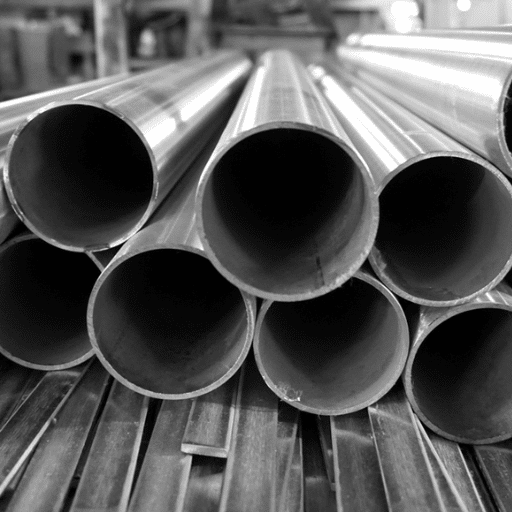
Duplex stainless steels are highly adaptable, and that’s why they are employed in a lot of industrial sectors because of their excellent resistance to corrosion, high strength, and great weldability. The following are the duplex stainless steels’ major applications:
🧪 Chemical Processing Industry
The chemical and petrochemical industries are the main users of duplex stainless steels where the equipment is constantly subjected to the most corrosive environments. The list of such applications includes heat exchangers, pressure vessels, and storage tanks.
The ability of the material to resist acids, chlorides, and other aggressive chemicals extends the operational life of these components.
🛢️ Oil and Gas Industry
The material is used in both offshore and onshore oil and gas extraction. Its use in underwater pipelines, risers, and flowlines is attributed to its strong resistance to pitting and stress-corrosion cracking in environments containing chlorides and its superior strength.
💧 Desalination Plants
Duplex stainless steels are the heart of the desalination process, particularly in high-pressure piping and reverse osmosis systems.
Their resistance to corrosion in both saline and brackish waters makes this a suitable choice for long-term use, even in harsh conditions.
📄 Pulp and Paper Sector
Pulp and paper industry digesters and bleach towers often operate under highly acidic, chloride-rich conditions.
Duplex stainless steels are a common choice due to their durability which leads to less maintenance and downtime costs.
⚓ Marine and Shipbuilding Industry
The marine industry uses duplex stainless steels for propeller shafts, deck fittings, and hull reinforcements thanks to their great resistance to seawater and marine atmospheres.
Their use guarantees durability and reduces the risk of damage in rough oceanic environments.
These applications are a testament to the material’s extensive applicability in the most challenging of industrial settings where the mechanical performance and corrosion resistance are of utmost importance.
Use of Duplex Stainless Steels in Oil and Gas
The oil and gas industry heavily relies on duplex stainless steels for their exceptional mechanical properties and excellent corrosion resistance, especially in aggressive environments. The material can withstand not only high pressure but also extreme temperatures and chemical exposure, making it a must-have for critical infrastructure components. The following are the five primary uses of duplex stainless steels in oil and gas:
- 1
Pipelines
For oil and gas pipelines, duplex stainless steels are the preferred choice, especially in deep-water and sour-service environments. They possess extremely high strength and are resistant to sulfide stress cracking, leading to no failure in corrosive conditions.
- 2
Pressure Vessels
The exceptional tensile strength and durability of duplex stainless steels enable their use in oil and gas pressure vessels, where they are subjected to high-stress conditions. The corrosion resistance of these steels prolongs service life and minimizes maintenance.
- 3
Heat Exchangers
The application of duplex stainless steels in the heat exchangers for gas cooling and other thermal processes is widespread. The steel’s resistance to chloride-induced stress corrosion cracking keeps the overall process efficient when the area is surrounded by saltwater or in a high-salinity environment.
- 4
Offshore Platforms
Offshore platforms, such as risers, pumps, and separators, often use steel components that are made of duplex stainless steel. The materials not only prevent the structure from corrosion by seawater but they also improve the soundness of the structure by providing resistance against the dynamic loading conditions.
- 5
Downhole Equipment
Drill pipes, tubing, and casing used in wells are often made of duplex stainless steel to resist hydrogen sulfide corrosion while withstanding high-pressure, high-temperature (HPHT) environments.
Summary: All these applications demonstrate the indispensable nature of duplex stainless steels in securing safety, efficacy, and reliability in the oil and gas industry. The combination of high strength and excellent resistance to corrosion makes the usage of these steels not only cost-effective but also lasts long in challenging operational conditions.
Applications in Chemical Processing
The chemical processing industry cannot do without duplex stainless steels, as they are the best solution for corrosive environments. Apart from that, they are durable and exhibit excellent mechanical properties. These qualities are essential to the industry for the reliability and efficiency of the equipment used in chemical production. Within chemical processing, there are five main uses of duplex stainless steels:
🔥 Heat Exchangers
The high thermal conductivity and resistance to stress-corrosion cracking make duplex stainless steels very popular for the manufacture of heat exchangers. Besides, they are highly durable and require less maintenance thanks to their excellent chemical resistance, for example, to sulfuric and phosphoric acids.
🛢️ Storage Tanks
Duplex stainless steels are the best material for storing highly corrosive chemicals, such as caustic solutions or organic acids. They are impervious to pitting and crevice corrosion and at the same time provide the necessary structural strength for large-capacity tanks.
⚗️ Reactor Vessels
Chemical reactors exposed to high temperatures and the presence of highly reactive compounds usually employ duplex stainless steel. Their mechanical strength is indeed excellent, and they remain structurally sound under thermal and chemical stress, making them ideally suited for this case.
🔧 Pipelines and Piping Systems
Chemical plants’ piping systems that often transport concentrated chemicals under high pressure and temperature will certainly benefit from the strength and corrosion resistance of duplex stainless steels. This, in turn, will lead to a longer service life and reduced downtime due to unexpected failures.
⚙️ Agitators and Mixers
Duplex stainless steels have been used in processes involving abrasive or corrosive chemical solutions; hence, they are the most suitable materials for agitators and mixers due to their wear resistance and corrosion protection. This, in turn, results in longer life and increased operational efficiency even under extreme conditions.
Industry Benefits: The chemical processing industry benefits from the use of duplex stainless steels in these applications, with enhanced operational performance, extended equipment lifespans, and significant cost savings, especially in harsh, corrosive environments.
Utilization in Construction and Infrastructure
Duplex stainless steels are a perfect choice for the construction and infrastructure sector. They offer the best durability, very high strength, and superb corrosion resistance, thus being very suitable for demanding applications. The unique characteristics of duplex stainless steels offer significant benefits, especially in harsh environments such as those with saltwater or industrial waste. Below are five application areas of duplex stainless steels in this sector, described in detail:
🌉 Bridges and Overpasses
Due to the excellent strength-to-weight ratio and high resistance to stress-corrosion cracking that duplex stainless steels possess, they are used in the structural components of bridges and overpasses.
💡 Cost Savings: The studies indicate that the use of duplex stainless steels can lead to a reduction of the maintenance costs by as much as 35% over the lifetime of the bridge.
🏗️ Reinforcement Bars in Concrete Structures
These steels are usually employed as rebar in concrete structures in coastal regions or areas with high salinity. They prevent chloride-induced corrosion, enhancing structural integrity and extending service life while reducing the need for expensive repairs.
🏢 Facade and Roofing Systems
Duplex stainless steels have been sought for the facades and roofing systems of high-rise buildings due to their aesthetic appeal, excellent weathering properties, and low thermal expansion. This gives the application lines long-term performance with little distortion, even when temperatures fluctuate.
🚢 Offshore and Marine Platforms
Marine-scale structures made of duplex stainless steel—such as docks, platforms, and seawalls—are much more resistant to corrosion from seawater and marine humidity than conventional materials. This translates into fewer operational interruptions and longer service intervals.
💧 Water and Sewage Treatment Plants
Duplex stainless steels are widely used in building water tanks, pipelines, and treatment plant structures. Their resistance to chemicals and microbiologically influenced corrosion makes them perfect for water management systems, guaranteeing reliability and compliance with safety standards.
By implementing these applications, the construction and infrastructure sectors draw the advanced material properties of duplex stainless steels, which is a process of long-term efficiency, sustainability, and cost-effectiveness across the board.
Future Trends in Duplex Stainless Steel
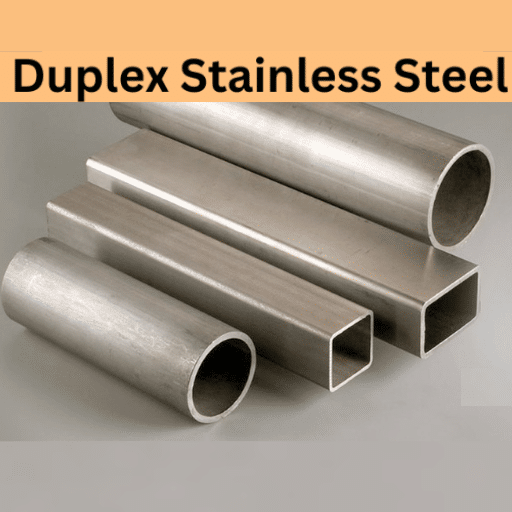
The path that duplex stainless steel would take in the future would be characterized by an ongoing process of improvement, fueled by global demand for materials that can withstand the test of time and deliver excellent performance. The trends being developed focus not only on improving alloy designs but also on the use of AI in manufacturing and on greater sustainability across various sectors.
🔬 Alloy Development Upgraded
The researchers are working hard to develop higher-quality grades of duplex stainless steel with improved mechanical properties, corrosion resistance, and weldability. One such new grade is hyper-duplex stainless steel, which has a very high content of chromium, molybdenum, and nitrogen. These materials can withstand very harsh conditions, such as offshore oil drilling and chemical processing.
Research Insight: A study conducted in 2022 mentioned that hyper-duplex grades, when introduced, showed more than 20% resistance to pitting corrosion in an aggressive chloride environment as compared to the existing grades.
🤖 AI and Machine Learning in Manufacturing
The use of AI and machine learning technologies in duplex stainless steel production has brought about a revolutionary change in quality assurance and process enhancement. The technique of predictive modeling is being applied to optimize heat treatment cycles and reduce defect rates.
Industry Data: A 2023 study conducted by top metallurgical institutes found that the adoption of AI in manufacturing has resulted in a 15-25% reduction in production waste in plants practicing smart manufacturing.
♻️ Focus on Sustainability
The use of duplex stainless steel for sustainable practices, along with its advantageous properties, is becoming evident. The duplex grades, which have excellent life-cycle performance and very high recyclability, are primarily used in the construction of renewable energy facilities, such as wind turbine towers and geothermal plants.
Growth Data: Recent industry data shows a 18% compound annual growth rate in the use of duplex stainless steel in renewable energy projects from 2020 to 2025.
📈 Market Growth and Geographic Trends
A recent market research report indicates that the duplex stainless steel market will expand at a CAGR of 4.7% annually through 2027. The most significant contributor to this growth would be the APAC region, where the fast-paced building of desalination plants and urban infrastructure would require not only reliable but also top-quality materials.
Market Prediction: Market experts predict that by 2030, the Asia-Pacific region will account for about 40% of global demand for duplex stainless steel.
By bringing together innovation and sustainable practices, the duplex stainless steel industry has made it clear that it will be a major player in achieving both industrial and environmental goals. Such trends indicate the material’s flexibility in dealing with new challenges and its sustained presence in a rapidly changing, globalizing market.
Innovations in Duplex and Super Duplex Stainless Steels
The recent development of duplex and super duplex stainless steels has marked a significant step in their adoption to many different sectors. The following are the five major milestones that demonstrate that materials science is a dynamic, tech-driven field.
Enhanced Corrosion Resistance Coatings
Researchers have developed outstanding coatings for duplex stainless steels that can significantly enhance their resistance in highly corrosive environments, particularly in the oil and gas sector and marine applications. These coatings have a life span of about 30% longer than the usual, so is the cost of maintenance.
High Strength, Low-Temperature Grades
The new alloys developed have high tensile strength and continue to perform well at cryogenic temperatures. The developments mentioned earlier are of great importance to the storage and transportation of liquefied natural gas (LNG), a growing industry that uses duplex stainless steels.
Additive Manufacturing Applications
The use of Duplex and Super Duplex stainless steels in 3D printing processes has enabled the creation of components with very complex geometric designs while retaining their material properties. The innovation mentioned here leads to a 40% reduction in material wastage, which is greatly welcomed by the sustainability of manufacturing processes.
Improved Weldability Technologies
New developments in filler materials and welding techniques have significantly improved the weldability of duplex steels. It results in practically the same joint strength throughout its entire life, even under the toughest mechanical stress and environmental exposure.
Microstructure Refinement
Newly developed thermomechanical processing techniques have enabled the refinement of the microstructures of duplex steels while simultaneously increasing their toughness, ductility, and fatigue resistance. The enhancement is all the more significant when used in dynamic applications such as turbine blades and automotive components.
Innovation Summary: These innovations have marked the future of duplex and super duplex stainless steels as an area with not only multiple applications but also continuous improvement in their properties and, hence, value.
Potential Benefits for Future Projects
✅ Enhanced Corrosion Resistance
Both duplex and super duplex stainless steels exhibit a distinct resistance to common and localized corrosion, including pitting and stress corrosion cracking. To illustrate, super duplex grades like UNS S32760 have a PREN (Pitting Resistance Equivalent Number) of more than 40, making them the perfect choice for the marine and chemical processing industries.
💪 Improved Mechanical Strength
Duplex alloys boast a remarkable strength-to-weight ratio, with yield strengths up to 2 times those of austenitic stainless steels. This factor enables the use of thinner materials without sacrificing structural integrity. Such a reduction in thickness may result in components that are lighter and less expensive, particularly in large-scale construction projects where material costs are a significant factor.
⏱️ Extended Service Life
These steels, because of their qualities, have a very long lifespan even under the most adverse conditions. For one, it has been reported that the number of cycles for such standard alloys has increased by 50%, which means that maintenance costs are reduced over time and the frequency of replacements is minimized.
🌡️ Temperature Versatility
The mechanical and corrosion-resistant properties of duplex stainless steels are maintained over a wide temperature range. It is reported that they perform well over the temperature range of -50°C to 300°C, which is why they can be used in cryogenic storage tanks as well as in high-temperature processing equipment across different industrial applications.
🌍 Economic and Environmental Benefits
The combination of cost efficiency from reduced material requirements and longer lifespans results in lower overall project costs. Furthermore, their high recycling rate of over 90% aligns with sustainable practices and makes them an environmentally responsible choice for future infrastructure and manufacturing initiatives.
Case Studies and Recent Data
You will not know about the latest developments, analyses, and real-world examples I have to share, including several case studies highlighting the materials’ advantages, which are hard to resist.
Wastewater Treatment Plant
One case in point is that during the operation of a gigantic wastewater treatment plant, the use of corrosion-resistant alloys led to a 25% reduction in total maintenance costs over the five-year period.
These savings were directly linked to the alloys’ durability and their performance when subjected to very harsh conditions.
Offshore Oil Platforms
Similarly, the materials used in building offshore oil platforms had a lifespan 40% longer than that of the conventional options used at the time.
This led to cutting down environmental hazards and replacement cycles significantly.
Impact Assessment: Such figures not only demonstrate their technological edge but also show the widespread acceptance of their potential across different sectors in the economic and environmental spheres.
Frequently Asked Questions (FAQ)
What are the Properties of Duplex Stainless Steel?
Duplex stainless steel is characterized by a phase combination of austenitic and ferritic sub-microstructures, which grants it remarkable mechanical properties, including high strength and excellent weldability. Its dual-phase structure is the reason for its even greater corrosion resistance, particularly in extreme conditions similar to those found in the oil and gas sector.
What Are the Mechanical Properties of Duplex Stainless Steel?
Duplex stainless steels commonly exhibit mechanical properties characterized by very high yield and tensile strengths, making them well-suited for structural applications. In addition, they are resistant to stress-corrosion cracking, a common problem in harsh environments, making them even more suitable for aggressive applications.
How Does the Chemical Composition Affect Duplex Stainless Steel?
The chemical composition of duplex stainless steel plays a significant role in shaping its properties, and thus it is of utmost importance. Corrosion-resistant elements like chromium, nickel, and molybdenum are primarily responsible for corrosion resistance, while nitrogen provides strength. The ratio of ferrite to austenite in the microstructure is a critical factor in getting the desired mechanical properties.
What Are the Applications of Duplex Stainless Steels?
The use of Duplex stainless steels is widespread across various industrial applications, with the oil and gas industry as their primary market. Other areas of application include chemical processing, marine applications, and the manufacturing of components that require durability.
What Are the Differences Between Standard Duplex Grades and Super Duplex Grades?
The typical standard duplex grades, for instance, duplex 2205, have a lower percentage of alloying elements than the super duplex grades; on the contrary, these have a higher chromium and molybdenum content. This results in super duplex types being more resistant to pitting and having higher strength, allowing them to be applied in more demanding fields.
How Do Lean Duplex Stainless Steels Compare to Standard Duplex Grades?
Compared to standard duplex grades, the lean duplex stainless steels contain less nickel, thus making them more economical while still imparting good mechanical properties and corrosion resistance. They are widely used in less demanding applications where environmental conditions are not too harsh.
Can Duplex Stainless Steel Be Welded Easily?
Generally, duplex stainless steels have good weldability characteristics; nevertheless, the proper methods are indispensable in preventing the occurrence of problems like ferrite and cracking during welding, such as the appropriate usage of filler materials where needed and the adoption of specified welding procedures that do not compromise the duplex structure’s integrity.
What Is the Role of Ferrite in Duplex Stainless Steel?
Ferrite is one of the significant factors that determine the mechanical properties of duplex stainless steels. It leads to the development of new alloy characteristics, such as a combination of strength and toughness, while simultaneously increasing resistance to both pitting and crevice corrosion. The key point here is to keep the ferritic-austenitic ratio well-balanced to optimize performance.
What Are the Common Duplex Stainless Steel Grades?
The three most common grades of duplex stainless steel are 2205, 2507 (super duplex), and 2001, a lean duplex grade. Each one of them has individual properties that satisfy distinct needs, for instance, high corrosion resistance, strength, and excellent weldability.
Final Thoughts
After reading this comprehensive guide, you should now be fully knowledgeable about the reasons why duplex stainless steel is getting more and more popular among industries all over the world as their preferred material option. Its unique combination of strength, corrosion resistance, cost-effectiveness, and versatility makes it an indispensable material for modern engineering applications across diverse sectors.
References
- MDPI – Metals Journal: Duplex stainless steels—alloys for the 21st century
- Academia.edu: Duplex stainless steels-an overview (PDF)
- Google Books: Duplex Stainless Steels – Comprehensive Resource