


Blog
Stainless Steel vs Carbon Steel: Complete Comparison

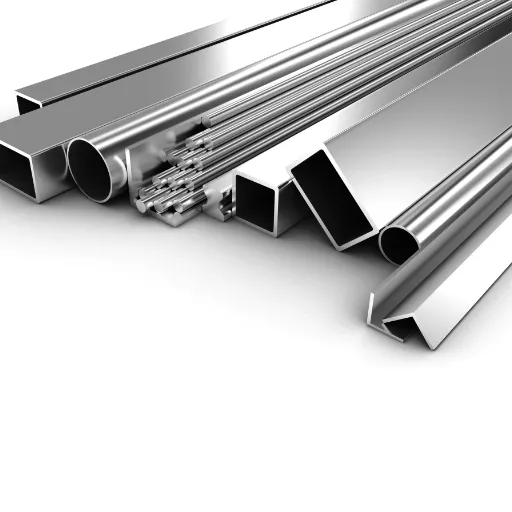
In the case of steel, selecting the proper kind for your work can change the fate of your project to come out as a success or a failure. The two steel types that are most commonly used and have different features are stainless steel and carbon steel. But how to tell which one is proper for your case? Their composition and durability, appearance and cost are some of the major differences between stainless steel and carbon steel that one needs to know. This article will take you through a very detailed comparison thus illuminating their strengths, weaknesses, as well as ideal uses, allowing you to make a decision with confidence. The construction, manufacturing, or design sectors are your place of work; anyway, this comprehensive analysis of stainless steel and carbon steel will provide you with the total insights you require.
Introduction to Steel Materials
Overview of Steel: What is Steel?
Steel, which is composed mostly of iron and carbon, is known as an alloy. The features resulting from its composition are the long life and adaptability of the material, which, in turn, are the main reasons for its usage in various industries worldwide. Besides, iron is one of the raw materials used in the production of steel that contributes to the ultimate strength and hardness needed for such a wide range of applications, like construction, and even producing goods.
Among the different types of steel, the most commonly used ones are the ones of carbon content or ones with other elements mixed. Such classifications comprise stainless steel, carbon steel, alloy steel, and tool steel. Each category of steel is made according to the corresponding performance characteristics. For example, carbon steel is characterized by its hardness and high tensile strength while stainless steel is widely chosen because of its resistance to corrosion that comes from its chromium content.
💡 Key Insight
Steel’s versatility is largely due to the fact that its characteristics can be altered through various treatments, such as heat and alloying. Thus, the steel manufacturers have the freedom to create products with the exact characteristics needed, whether it is for erecting buildings, making tools, or manufacturing consumer items. The very fact that steel is economical, recyclable, and possesses super strength elevates it to the status of a major player in modern industry and construction.
Introduction to Stainless Steel
Stainless steel is an alloy that has iron, chromium, nickel, and other elements, like manganese or molybdenum, as its main components. It is most notable for its incredible resistance to corrosion and staining, which is due to the chromium that forms a protective layer of chromium oxide on the surface. This passive layer which can be self-repaired makes stainless steel suitable for applications in extreme conditions where ordinary steel would corrode.
The material is used in various industries because of its exceptional qualities of durability, good fabrication, and attractive appearance. The usage of stainless steel is common in kitchen appliances, medical devices, automotive components, and in buildings. Besides being shiny and polished, which makes it appealing from a visual angle, the finish is also hygienic and easy to clean thus it is widely used in food preparation and healthcare areas.
Recyclability and sustainability are other properties of stainless steel that make it attractive. It can be reduced to molten state, reprocessed, and repurposed without any quality degradation, thus promoting eco-friendly manufacturing practices. Along with its long lifespan, minimum maintenance requirements, and wear resistance, stainless steel is still a vital material in technology and construction across the globe.
Introduction to Carbon Steel
Carbon steel is a very strong, cheap, and versatile alloy material that is often used in construction, automotive and tool industries. It is mainly made of iron and carbon, with the varying amounts of carbon influencing the properties and uses of the steel. The simple composition of carbon steel allows it to be a cost-effective option for high-strength and high-durability applications.
The different types of carbon steel are categorized according to their carbon content. Low-carbon steel (mild steel), for instance, consists of lower carbon levels, which results in its high ductility and thus, its use for car body panels and pipes. Medium-carbon steel is in between strength and ductility, thus being perfect for machine parts and railroads. High-carbon steel, on the other hand, stands out as extremely hard but less ductile making it highly suited for tools and springs. This diversity in properties makes carbon steel an ongoing option for various industrial as well as everyday use.
⚠️ Important Consideration
Carbon steel is prone to rustiness if not properly treated and the location is humid or the environment is corrosive, yet still it could be said that it has many advantages. Strong coatings, such as painting or galvanization, are usually employed to prevent this drawback. Nevertheless, the combination of its strength, ease of production, and low cost have made it a key material in many applications.
Composition and Structural Properties
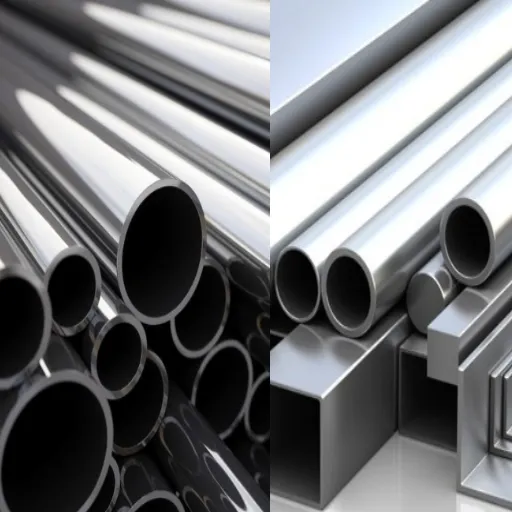
Difference Between Carbon Steel and Stainless Steel
Steel is very strong and a bit on the cheaper side when rusty, whereas stainless steel is far beyond when it comes to resisting corrosion, comes with good strength, and, unlike carbon steel, is very costly.
| Key Point | Carbon Steel | Stainless Steel |
|---|---|---|
| Strength | High | Moderate |
| Corrosion | Prone to Rust | Resistant |
| Cost | Affordable | Expensive |
| Durability | Brittle | Long-Lasting |
| Weight | Lighter | Heavier |
| Finish | Dull | Shiny |
| Applications | Structural, Tools | Food, Medical |
Alloying Elements in Stainless and Carbon Steel
The unique mixture of alloying elements that stainless and carbon steel consist of defines their composition, and such elements significantly affect the metal’s properties and uses.
Stainless Steel Composition
The main component of stainless steel is iron, and at least chromium 10.5% is the key element. The surface of the alloy gets coated with a thin oxide layer due to the presence of chromium, and this layer is what gives the steel its excellent corrosion resistance.
Further, nickel, molybdenum, and manganese are some of the other elements that are combined with the steel to gain its corrosion resistance, strength, and heat tolerance. For example, nickel makes the steel more tough and ductile, and molybdenum, on the other hand, makes the steel less prone to pitting attacks; thus, certain grades are suited for marine and chemical environments.
Carbon Steel Composition
The basis of carbon steel is iron and carbon, with carbon content varying from 0.05% to 2%. Carbon is the main hardening agent, whereas manganese, sulfur, and phosphorus are usually present in very small amounts as the other elements.
Manganese increases strength and wear resistance of the steel, while the presence of sulfur and phosphorus can lead to better machinability but at the same time might impair ductility. High-carbon steel is always more difficult to work with because of its hardness and brittleness but at the same time, it is less weldable.
Thus, the varying amounts of these alloying elements enable the manufacturers to design the steel properties for a particular application, e.g. from structural frameworks and pipelines to cutting tools and medical instruments.
Hardness and Structural Integrity
The steel hardness, as one of the most crucial properties, is the factor which most determines the applicability of steel to the different industrial areas, for it reflects the degree to which the material can resist being deformed or indented. This acclaimed property mostly gets influenced by the heat treatment and carbon content. The more carbon, the harder the steel, but the case with every advantage is a disadvantage since the steel loses ductility and impact resistance. Besides, quenching and tempering are the principal heat treatment methods that can boost the hardness and toughness of the steel by changing the microstructure.
On the contrary, the structural integrity is the capability of the material to endure applied forces without incurring failure. This characteristic relies on a number of factors, such as the tensile strength, ductility, and crack propagation resistance of the steel. The addition of elements like manganese, chromium, and molybdenum significantly contributes to the improvement of these properties that the steel can then survive in very harsh environments such as high-stress loads, extreme heat, and chemical attacks.
✓ Engineering Balance
To meet specific industrial requirements, when it comes to steel design, manufacturers have to find the optimal point where hardness and structural integrity meet, thus selecting the appropriate alloy compositions and processing techniques according to the standard of the final application. For instance, the cutting tools that should remain sharp prioritize hardness, whereas the structural beams that hold heavy loads require high tensile strength and ductility for safety.
Corrosion Resistance and Aesthetic Appeal
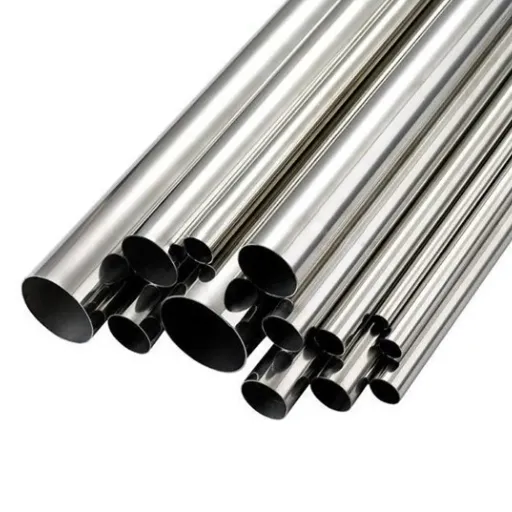
Corrosion Resistance: Stainless Steel vs Carbon Steel
The striking property of stainless steel is its excellent corrosion resistance based on the presence of chromium, in contrast to carbon steel which, in the absence of protective coatings, is almost sure to get rusted.
| Key Point | Stainless Steel | Carbon Steel |
|---|---|---|
| Resistance | Superior | Low |
| Chromium | Present | Absent |
| Rust | Resistant | Prone |
| Coating | Not Needed | Required |
| Durability | Long-Lasting | Moderate |
| Applications | Marine, Medical | Structural, Tools |
Aesthetic Appeal of Stainless Steel Products
Stainless steel is a material that is not only functional and durable but also very aesthetically pleasing with its modern, sleek look. Besides its natural shine and clean surface, it is widely used in many areas where the quality of the material is the main factor, such as home appliances, architectural accents, and interior décor. Its reflective surface adds to the sophistication and can be part of both the cutting-edge and the classic design.
🎨 Design Versatility
Moreover, stainless steel’s wide variety of finishes is another major upside of this material. The metal can get its surface polished to a reflective shine like that of a mirror, brushed for a matte look, or even textured coatings can be done to match any design mood. All these options would not only allow the architects and the designers to make use of the stainless steel in the most imaginative ways from modern skyscrapers to the most stylish minimalist kitchen but also would let the designers and architects to think of new applications.
What’s more, stainless steel perfectly blends in with other materials like glass, wood, and stone thus being a part of the glamorous visual combinations.
Sustainability is another factor that contributes to the aesthetic side of stainless steel. The material is very much environmentally friendly since it is capable of being reused indefinitely without the quality being compromised. This property attracts the ever-growing number of consumers and designers who consider the use of eco-friendly materials in their practice as a necessity. Furthermore, stainless steel is very resistant to corrosion and weather which means that it can still keep in good condition and beauty even under very tough conditions, hence, the products made from this material will not only look good but will also have a certain value over time.
Rust: How Each Material Responds
The formation of rust, or iron oxide, occurs when iron undergoes a chemical reaction with the oxygen and moisture in the air and over time, it often results in the weakening of the structure and the degradation of the surface. However, different materials have different levels of resistance to rust. For example, an untreated iron will oxidize quickly in moist or wet conditions making it a poor choice for those environments unless it is protected with coatings or treatments.
Stainless steel, on the contrary, is specially made to resist rust due to the presence of chromium which forms a layer of chromium oxide on the surface that is not easily removed. This layer effectively cuts off the oxygen and moisture from penetrating the metal beneath thus greatly increasing its durability. The case of aluminum is different; it does not rust but it develops a layer of oxide that protects it from the corrosion that would have been caused by the chemical reactions.
New types of coatings and changes in alloy compositions are the ongoing innovations that are gradually making materials more resistant to rust and corrosion, thus guaranteeing longer life span of various applications and cutting down maintenance costs. Designers and manufacturers will be able to make smart decisions influencing the performance and aesthetics of their projects by knowing how each material reacts differently to environmental factors.
Pros and Cons of Stainless Steel and Carbon Steel
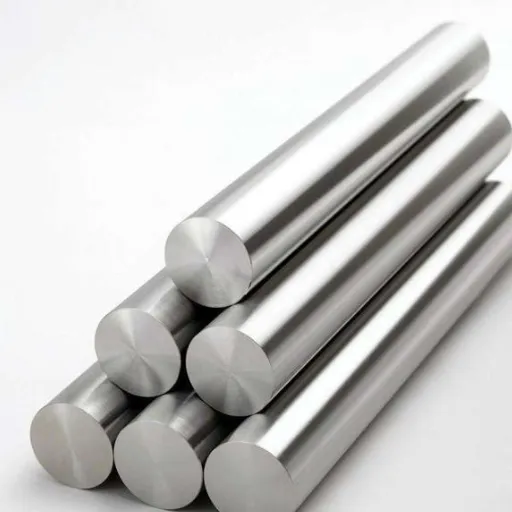
Pros and Cons of Stainless Steel
✓ Advantages of Stainless Steel
1. Higher Initial Cost
Stainless steel is comparatively expensive in the beginning and thus, a project with a tight budget may find it hard to materialize.
2. Workability Challenges
Stainless steel cutting and welding demand the use of special tools and skill as it is a more difficult process than processing some other metals, which in turn, adds to labor cost.
3. Risk of Scratches and Dents
In spite of its sturdiness, stainless steel surface might still be affected by such aesthetic damages as scrapes and dents, which may gradually lessen the good appearance.
4. Weight
Stainless steel, being heavy compared to aluminum and other lightweight metals, is less appropriate for applications where weight reduction is a requirement.
5. Thermal Conductivity
The thermal conductivity of stainless steel is inferior to that of other materials, like copper, hence, it may not be suitable for applications where heat transfer is a critical factor.
Pros and Cons of Carbon Steel
✓ Pros of Carbon Steel
1. High Strength and Durability
Carbon steel is one of the strongest and hardest materials available, which makes it perfect for construction, tools, and heavy-duty applications. Its strength has a high capability of bearing heavy loads and high-pressure levels.
2. Cost-Effective
The price of carbon steel is much lower than that of stainless steel, sparing industries the worry of over-budget while still receiving strong and durable materials; thus carbon steel is a money-saving option.
3. Versatility
Carbon steel can be easily shaped and crafted according to specific industrial needs, hence it is a quite versatile material for manufacturing products in different sectors.
4. Good Machinability
Particularly low carbon steel is noted to be the easiest steel to machine, cut, and weld which gives the manufacturing of these steels a lot of efficiencies and allows a better fit during the process of fabrication.
5. Recyclable
Carbon steel is a green material because it can be totally recycled, therefore, it minimizes waste and plays a part in promoting along the line of sustainability industrial activities.
✗ Cons of Carbon Steel
1. Prone to Corrosion
Among the negative aspects of carbon steel, the case of corrosion is the most serious one, because, unlike stainless steel, carbon steel does not contain chromium which makes it vulnerable to rust and corrosion especially in humid or damp areas.
2. Brittleness in High Carbon Content
The higher the carbon content the stronger the material, but this also means that the material is more brittle and may fracture or break when impacted suddenly or subjected to heavy strain.
3. Difficult to Weld
High-carbon steels pose a challenge when it comes to welding because of their high hardness and brittleness; thus, the use of specialized techniques is a must for successful welding.
4. Heavyweight
Carbon steel is classified as heavy when compared to light metals and this again can be a drawback in certain applications such as where weight needs to be minimized.
5. Limited Heat Resistance
Carbon steel is not capable of withstanding very high temperatures as it will lose its strength and will be able to easily deform if the high-temperature exposure is prolonged.
Cost-Effectiveness Analysis
Carbon steel has been evaluated in terms of cost and performance, and the conclusion is that the material provides a significant trade-off between price and performance. Carbon steel is cheap because of its widespread availability and easy production methods, which are the main reasons it is used in the construction and automotive industries. In comparison with more expensive materials like aluminum alloys or stainless steel, carbon steel is the strength and durability and still at the same time is very cost-effective.
On the other hand, the financial aspect of carbon steel’s life cycle is closely related to the purpose of use and the environment it is going to be in. Although the initial price is low, the total lifecycle cost would include factors like the expenses for maintaining the material, which would be more if it rusts and needs replacement. For instance, when looking at typical structural applications, carbon steel would preventive coating or maintenance checks in the region with high moisture to ensure that the steel lasts longer and the costs of the overall maintenance are increased.
💰 Economic Consideration
However, the above points are taken into consideration and still carbon steel is seen as a cheap alternative particularly for those projects that need strength and stiffness rather than resistance to corrosion or weight. Besides, the wide distribution and the ease of processing add up to the economic advantage of the material in the case of short- to medium-term applications.
Common Applications of Stainless Steel and Carbon Steel
Use in Culinary: Stainless Steel Cookware vs Carbon Steel Pan
Stainless steel cookware stands out for its durability and resistance to corrosion, whereas carbon steel pans are noted for their excellent heat retention and seasoning, making them ideal for high-temperature cooking.
| Key Point | Stainless Steel | Carbon Steel |
|---|---|---|
| Durability | High | Moderate |
| Corrosion | Resistant | Prone |
| Heat Retention | Moderate | Excellent |
| Seasoning | Not Needed | Required |
| Weight | Heavy | Lighter |
| Maintenance | Low | High |
| Cooking | Versatile | High-Heat |
Construction and Industrial Applications
Stainless Steel Applications
1. Architecture and Structural Components
Modern architecture often incorporates stainless steel for its resistance to corrosion and its aesthetic appeal in exterior cladding, roofing, and decorative elements.
2. Food Processing Equipment
Stainless steel, thanks to its non-corrosive nature and cleanability, is the first choice for processing equipment manufacturing in the food and beverage industry.
3. Medical and Surgical Instruments
The toughness and hygiene of stainless steel are simply demanded for scalpels, surgical tables, and other medical devices like tools.
4. Chemical Processing Plants
Stainless steel is considered as a winner material for pipelines and tanks since it is so resistant to chemical corrosion and will thus ensure a good life for the giving up of very harsh industrial environments.
5. Transportation
The construction of stainless steel trains, ships, and automotive parts is a union of strength and that very ability to deal with environmental conditions.
Carbon Steel Applications
1. Building Frameworks
Due to the strength and low cost of carbon steel, it is a very popular choice for the structural parts such as beams, columns, and reinforcements.
2. Tools and Machinery
The high heat resistance and toughness of carbon steel make it a perfect fit for cutting tools, industrial machines, and molds.
3. Pipes and Tubes
Carbon steel pipes used widely in plumbing and gas transmissions, are valued for their strength and high-pressure tolerance.
4. Railroads
The high wear resistance of carbon steel is crucial for rails, railway wheels, and overall infrastructure.
5. Automotive Parts
Carbon steel finds its place in the production of engines, chassis, and other components where strength and heat resistance are paramount.
Automotive Industry Uses
The automobile industry cannot do without carbon steel as it provides the mainstay of its strength, toughness, and heat resistance among others. Besides, it is the material that is mainly involved in the production of the most important parts like engines, chassis, drive shafts, and structural frames. The high tensile strength and the ability to endure extreme conditions are the characteristics of carbon steel which make it the most suitable material for critical automotive parts that are required to be reliable and efficient.
Moreover, the usage of carbon steel for other parts such as exhaust systems and suspension is a result of its versatility since it has the property of wear and corrosion resistance which in turn guarantees the longevity of the performance. Besides, its extraordinary machinability gives the manufacturers the opportunity to produce intricate shapes and designs that are up to the competitive standards of the ever-changing automotive industry.
Summary: Carbon steel is a must in the automotive sector as it offers the strength, durability, and flexibility required by car parts. Its wide range of applications, from engine parts to structural frames, underscores its role in building safe, efficient, and high-performing vehicles that cater to the needs of today’s consumers.
References
📚Princeton University – Materials: Fatigue Behavior of Alloys
This source discusses the fatigue behavior differences between carbon steel and stainless steel, highlighting their mechanical properties.
📚 MIT – Material Properties Comparison
This document provides a detailed comparison of material properties, including stainless steel and carbon steel, focusing on strength, density, and cost.
📚 Defense Acquisition University – Erosion-Corrosion Behavior of Carbon and Stainless Steel
This paper evaluates the erosion-corrosion performance of medium carbon steel versus superduplex stainless steel in acidic environments.
📚 PubMed Central – Comparison of Thermal Behaviors of Carbon and Stainless Steel
This study compares the thermal properties of carbon steel and austenitic stainless steel using numerical simulations.
📚 Nuclear Regulatory Commission – Carbon and Low Alloy Steels in Nuclear Applications
This document explores the use of carbon and low alloy steels in structural applications within the nuclear power industry.
Frequently Asked Questions (FAQ)
❓ What are the main differences between stainless steel and carbon steel?
The main difference between the two steels is their composition and properties. Stainless steel consists of iron, carbon, and chromium making it impervious to rust, while carbon steel consists mainly of iron and carbon, which can be rusted and stained if not taken care of properly.
❓ Which is better for kitchen knives, stainless steel or carbon steel?
The answer to this question depends on the cooking method you choose. Stainless steel is commonly recognized for its long life and resistance to rust, whereas carbon steel, especially high-yield carbon steel, is very sharp and retains the edge, but it demands more care to avert rust.
❓ How does the heat conductivity of stainless steel compare to carbon steel?
On the average, carbon steel has better heat conductivity than stainless steel, thus allowing heat to be distributed quicker and more evenly during cooking. But, steel providing non-stick and rust-free properties is usually the first choice for cooking.
❓ What are the different grades of stainless steel?
The classification of stainless steel grades mainly depends on the alloy used. Popular grades are austenitic stainless steel, which has high nickel content for improved corrosion resistance and martensitic stainless steel which is known for its toughness and higher carbon content.
❓ Can stainless steel withstand high temperatures?
Stainless steel can take high temperatures but comes out unscathed, hence it can be used in many different ways for cooking. It is the material for pots that last the longest and keep their shape during heating since the heat doesn’t break them.
❓ How do I maintain carbon steel knives?
The rusting and staining of carbon steel knives can be mitigated by maintenance. It is important to wash the knives immediately after using them, dry them completely and sometimes put a thin layer of oil on the blade to keep it dry from the moisture.
❓ What are the advantages of using stainless steel in cooking?
Stainless steel has been a favorite in cooking for its non-reactivity, longevity, and resistance to corrosion and rust. Moreover, it boasts great heat distribution and easy cleaning, which are the reasons of its demand among the professionals as well as the amateurs in the kitchen.
❓ Is carbon steel cookware better than stainless steel?
The answer to this question will be dictated by your cooking requirements. If you have a need for a cookware that can withstand high heat and that gives you a natural non-stick surface with proper seasoning, then carbon steel is the cookware of your choice. Otherwise, you can go for stainless steel as it has the properties of being versatile in cooking.
❓ What is the impact of carbon content on steel properties?
The carbon percentage in steel has a major role in its characteristics. Higher carbon contents usually lead to stronger and harder but more brittle steel, thus the applications here are washing tools and knives. Lower carbon content will produce more ductile and softer steel, e.g. automotive applications.
❓ How do I choose between carbon steel and stainless steel for my kitchen?
You should base your decision of either carbon steel or stainless steel on the kind of cooking you will be doing. If your priority is sharpness and edge retention, then carbon steel is a perfect choice. However, if you want something that is tough and easy to care for, then stainless steel is probably the best choice.