


Blog
4340 Steel Properties and Applications

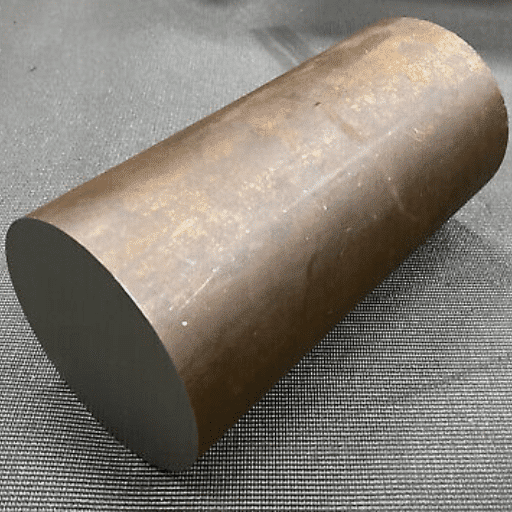
4340 steel is a high-strength alloy characterized by its outstanding toughness and endurance, which is the reason it has become a widely used material in many industries. The aerospace technology, car production, and many other sectors all appreciate this alloy due to its mechanical properties and ability to be used in different ways. But, what are the specific features that make 4340 steel stand out and what are the reasons for its frequent use in critical and high-performance situations? The article investigates the properties, applications, and processing of 4340 steel in detail, giving the readers a full picture of why it is considered one of the most dependable materials in engineering and manufacturing. The discussion is technical enough for the professionals who will select the material for their coming project but still accessible to the casual reader with just simple curiosity about the advanced alloys.
Introduction to 4340 Alloy Steel
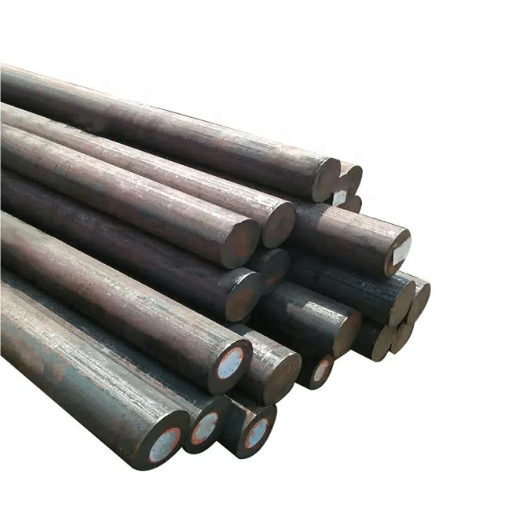
4340 alloy steel is a strong, low-alloy steel that contains mainly nickel, chromium, and molybdenum. Its remarkable combination of toughness, fatigue resistance, and strength makes it a common choice for demanding applications such as aerospace parts, automotive components, and heavy machinery. The alloy’s composition, which is well-balanced, enables it to acquire exceptional hardness and wear resistance through heat treatment processes, while still being ductile. These characteristics indeed make 4340 steel a perfect option for such situations where both durability and performance under stress are required.
Chemical Composition and Mechanical Properties of 4340 Steel
The specific makeup of 4340 steel is one of the most critical factors that greatly improves its mechanical properties. The usual chemical composition of 4340 steel is as follows (percent by weight):
- Carbon (C): 0.38–0.43%
- Manganese (Mn): 0.60–0.80%
- Silicon (Si): 0.15–0.30%
- Chromium (Cr): 0.70–0.90%
- Nickel (Ni): 1.65–2.00%
- Molybdenum (Mo): 0.20–0.30%
- Iron (Fe): Balance
Through this combination of elements, the steel is provided with a well-rounded set of qualities, including toughness, resistance to wear, and the ability to withstand tensile stress. This mixture is suitable for high-performance applications.
Mechanical Properties
The mechanical properties of 4340 steel, which are dependent on the treatment method, can be listed as follows:
- Ultimate Tensile Strength (UTS): 930–1080 MPa (after normalizing and tempering)
- Yield strength: 710–860 MPa
- Elongation to 2 inches: About 14-16%
- Hardness: Values vary between 248-300 HB (Brinell Hardness) in normalized condition, with bearing of over 600 HB when completely hardened.
- Toughness (Charpy V-Notch Impact): It gets good ratings even when the thermometer reads below freezing, making it perfect for critical and harsh-conditions components.
Uses and Scenarios
4340 steel, due to its exceptional performance in harsh environments, is a go-to choice across various industries. the heavy application industries are listed as follows:
Aerospace Industry
Generally, it is used for wheels’ and planes’ and other structures that need high tensile strength and fatigue resistance bearing shafts and parts.
Automotive Industry
It is perfect for crankshafts, gears, and other parts that suffer only cyclic stresses and high operational loads.
Oil & Gas Industry
The material is used for drilling and wellhead tools and machines subjected to wear and stress that are magnified by the hardness of the surrounding environment.
Heavy Equipment
It is used in the production of machine parts, dies, and tools that need to withstand heavy operational conditions.
Heat Treatment and Processing
A major part of 4340 steel’s versatility comes from its ability to be heat-treated in many different ways. Some of the major processes are:
Annealing
A process to relieve internal stress and achieve better machinability. Slow furnace cooling of the material heated up to around 830–850°C (1525–1560°F) results in the formation of a softer structure.
Quenching and Tempering
The piece is heated to around 845°C (1550°F), after which it is quenched in oil or water to improve hardness and strength, rapidly followed by tempering which alters the material’s mechanical properties to the desired level.
Case Hardening
For applications requiring surface wear resistance, the material can undergo carburizing or nitriding processes.
Corrosion Resistance
Though 4340 steel has low corrosion resistance in the open air, it can be protected by applying protective coatings or surface treatments, such as plating or galvanizing, during prolonged exposure to corrosive conditions. The rust-preventative measures, like regular maintenance and lubrication, are alternative methods to ensure the material’s longevity.
The triple combination of high strength, toughness, and heat treatment adaptability greatly supports the industrial-heavy reliance on 4340 steel for critical performance-driven applications.
Importance in Industry
4340 steel’s critical properties—high tensile strength, excellent ductility, and superior toughness—make it an indispensable metal across many industries. The five main sectors where 4340 steel is crucial, along with detailed information about its applications and performance characteristics, are given below:
1Aerospace Engineering
4340 steel is widely used in the aerospace industry for components such as landing gear, turbine engine shafts, and high-strength fasteners. Its high-stress and fatigue resistance under extreme conditions has made it very reliable. For instance, aviation-quality 4340 steel can have tensile strengths over 180 ksi (1,241 MPa) after undergoing heat treatment.
2Automotive Industry
The automotive industry uses a great amount of 4340 steel for essential parts like crankshafts, connecting rods, and drive shafts. Its outstanding fatigue resistance and machinability enable it to perform at the level of high-performance vehicles like sports cars and heavy-duty machinery, which are pretty demanding.
3Oil and Gas Industry
Due to its resistance to corrosion and tough nature, 4340 steel is constantly used for drilling tools, pump parts, and pipeline equipment. The steel can withstand the worst conditions – including high-pressure and high-temperature operations – thus reducing maintenance time and improving safety in oilfield applications.
4Tool Manufacturing
4340 steel has a high value in toolmaking due to its hardenability and wear resistance, making it suitable for precision tools, dies, and molds. It can withstand thermal and mechanical stress without significant deformation or failure, enabling extended use.
5Defense and Military Equipment
The military sector, such as the making of tanks, gun barrels, and missile parts, uses 4340 steel for its strength and toughness. A further positive impact of the material’s ability to undergo diverse chemical treatments has been its performance in harsh battlefield conditions.
Such varied applications highlight the critical dependence of industries that require durability, reliability, and structural integrity on 4340 steel. The performance characteristics of this material not only guarantee sustainability of operation in the long run but also bring about significant savings in cost.
Comparison with Other Alloys
| Parameter | 4340 Steel | 4140 Steel | 4130 Steel | AISI 304 Stainless Steel |
|---|---|---|---|---|
| Carbon Content (%) | 0.38–0.43 | 0.38–0.43 | 0.28–0.33 | 0–0.08 |
| Nickel Content (%) | 1.65–2.00 | None | None | 8.0–10.5 |
| Chromium Content (%) | 0.70–0.90 | 0.80–1.10 | 0.80–1.10 | 18–20 |
| Tensile Strength (psi) | 185,500 (normalized) | 97,000 (normalized) | 97,000 (normalized) | 580–1,180 MPa |
| Yield Strength (psi) | 125,000 (normalized) | 63,000 (normalized) | 63,000 (normalized) | 230–860 MPa |
| Hardness (Brinell) | 363 (normalized) | 197 (normalized) | 197 (normalized) | 210–360 |
| Hardenability | Excellent | Moderate | Moderate | Not applicable |
| Corrosion Resistance | Moderate | Moderate | Moderate | High |
| Machinability | Slightly harder to machine | Easier to machine | Easier to machine | Moderate |
| Applications | Aerospace, automotive, heavy machinery | General machinery, gears, spindles | Automotive, aerospace, machining | Food processing, chemical equipment |
| Key Strengths | High strength, toughness, wear-resistant | Cost-effective, versatile | Good ductility, weldability | High corrosion resistance |
Chemical Composition of 4340 Steel
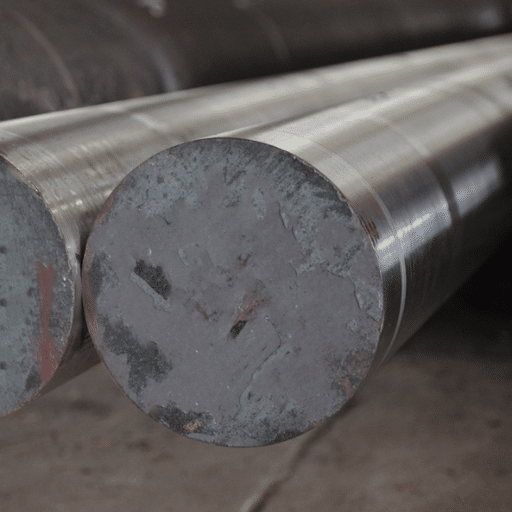
The chemical composition of 4340 steel is carefully calibrated to provide its extremely high strength, toughness, and wear resistance, making it ideal for very demanding applications. This alloy belongs to the category of low-alloy steels, which consist of top-notch elements in certain proportions. A typical chemical composition of 4340 steel is given below in detail:
Carbon (C): 0.38% – 0.43%
Carbon is the main element that gives 4340 steel its superb hardness and tensile strength, while keeping it still plastic enough.
Manganese (Mn): 0.60% – 0.80%
Manganese takes part in boosting the hardenability of steel and makes it even more resistive to wear and deformation under stress conditions.
Chromium (Cr): 0.70% – 0.90%
Chromium enhances corrosion resistance while retaining the toughness of 4340 steel, especially when environmental or chemical conditions are challenging.
Nickel (Ni): 1.65% – 2.00%
Nickel is a key factor in toughening and increasing impact strength, especially at low temperatures, making the steel suitable for heavy-duty applications.
Molybdenum (Mo): 0.20% – 0.30%
Molybdenum adds a lot to the material’s high-temperature strength and it also helps the material not to lose its hardness during prolonged use.
Silicon (Si): 0.15% – 0.30%
Silicon increases steel’s resistance to deformation and makes it more elastic.
Phosphorus (P): 0.035% max (typically as a trace element)
Phosphorus is kept at very low levels in order to maintain the toughness and weldability of the steel.
Sulfur (S): 0.040% max (typically as a trace element)
In the same way phosphorus is taken care of, in the case of sulfur, the content is kept at a minimum not to affect the steel’s machinability and strength negatively.
The alloying elements in 4340 steel, at controlled levels, allow the alloy to achieve an optimal balance of hardness, toughness, and resilience. The chemical composition of the steel makes it suitable for a wide range of heat-treatment procedures, such as annealing, quenching, and tempering, which soften and harden the steel according to the specific requirements of the respective industries.
Elements in 4340 Alloy Steel
4340 alloy steel is a low-alloy steel with very high strength, ruggedness, and fatigue resistance. It is characterized by its carefully tuned composition of elements that together produce the steel’s unique mechanical properties. The following list gives a brief description of the main aspects in 4340 steel and the functions they serve:
1. Carbon (C): 0.38 – 0.43%
Carbon is the central element that determines the hardness and tensile strength of the steel. The limiting carbon content in 4340 ensures a fine balance between strength and ductility, making the material not only strong but also flexible enough for heavy-duty applications.
2. Chromium (Cr): 0.70 – 0.90%
Chromium not only supports the steel but also enhances the alloy during cooling by working with carbon to increase hardness and wear resistance. With the proper amount of chromium, the alloy’s toughness is further improved.
3. Nickel (Ni): 1.65 – 2.00%
Nickel is responsible for improving the toughness of the steel, thereby enhancing its ability to withstand impact at low temperatures. It also encourages a very fine-grained structure, which is one of the few factors contributing to excellent fatigue resistance.
4. Molybdenum (Mo): 0.20 – 0.30%
Molybdenum improves steel’s resistance to rust and hardenability. Moreover, it resists softening at high temperatures, thereby ensuring the alloy’s strength is maintained under challenging conditions.
5. Manganese (Mn): 0.60 – 0.80%
Manganese is used as a remedy for steel production by taking away oxygen and it also increases hardenability. Additionally, it is a major contributor to the alloy’s strength and wear resistance.
6. Silicon (Si): 0.15 – 0.30%
Silicon improves the steel’s flexibility and overall strength. Besides, it works as a deoxidizer which helps in producing cleaner steel.
7. Phosphorus (P): ≤ 0.035%
Phosphorus is present in tiny amounts to prevent the steel from becoming brittle while still allowing it to remain ductile. Too much phosphorus can weaken the steel’s toughness.
8. Sulfur (S): ≤ 0.040%
Likewise, sulfur levels are closely monitored, as with phosphorus, to retain strength and machinability without causing brittleness.
This particular chemical composition enables 4340 alloy steel to undergo heat treatment processes such as annealing, quenching, and tempering to achieve the desired distribution of mechanical properties. Precise control of these elements and their proper mix make the 4340 steel so versatile that it is used in aircraft gears, components, crankshafts, and other high-stress areas.
Impact of Composition on Properties
The specific chemical composition of 4340 alloy steel is a determining factor in its mechanical and physical properties. The elements in the alloy, when used in proper proportions, are paramount in enabling the material to perform exceptionally well even under high-stress conditions. Below are the five major ways the composition of the alloy influences its properties:
Carbon
The main alloying element, at 0.38%-0.43%, provides the basis for the hardness and tensile strength of the 4340 steel grade. The Carbon levels are specified so that the steel’s toughness is not too low and its ductility and weldability are not compromised.
Chromium
The 0.7%-0.9% addition of this element enhances the alloy’s hardenability, which in turn facilitates smoother heat treatment, resulting in a strong martensitic structure. Also, chromium plays a positive role in steel’s corrosion resistance and wear resistance.
Nickel
Nickel in the alloy, at 1.65%-2.00 %, contributes to its toughness and impact resistance by allowing the material to absorb impact forces without cracking. This quality makes it suitable for use in the manufacture of dynamic components, such as those used in the aircraft and automotive industries.
Molybdenum
0.2%-0.3% molybdenum in 4340 steel means excellent high-temperature strength and creep resistance. This also leads to producing a challenging phase that is more or less the same throughout during the heat treatment process.
Manganese and Silicon
These two elements, manganese (0.6%-0.8%) and silicon (0.15%-0.30%), act together to enhance the ease of machining and, at the same time, improve resistance to fatigue. Moreover, they serve the dual purpose of stabilizing the steel matrix and facilitating deoxidization during the manufacturing process.
The proper blending of these alloying elements gives the 4340 steel the qualities of being a versatile and high-performance material, thus still in demand in the most critical industries.
Standards and Specifications
4340 steel complies with a range of international standards and specifications, ensuring its compatibility and consistent performance across various industrial applications. Here is a brief summary of the main standards and pertinent details:
ASTM AISI Standards
- ASTM A322: Determines the chemical composition and mechanical properties of alloy steel bars for special applications, including 4340 steel.
- ASTM A505/A506: Encompasses cold-finished alloy steel bars, signaling surface quality and dimensional tolerances.
- AISI 4340: Rated as low-alloy steel under UNS G43400, appreciated for its remarkable strength and toughness.
AMS Specifications
- AMS 6414: Determines the heat treatment process, mechanical properties, and quality assurance for 4340 steel used in aerospace components.
- AMS 6415: Related to vacuum arc remelted (VAR) 4340 steel, guaranteeing uniformity in high-performance aerospace applications.
EN (European Norms)
- EN 10083-3: Lays down specifications for hardening and tempering steels, including 4340-equivalent grades like 34CrNiMo6.
- DIN 1.6582 (Germany): Points out a closely similar steel to 4340, usually defined by its high impact energy and resistance to fatigue in automotive and tooling operations.
Mechanical Properties
- Tensile Strength (Ultimate): 930-1080 MPa (135,000-156,000 psi), depending on heat treatment.
- Yield Strength: 710-755 MPa (103,000-110,000 psi).
- Hardness (Rockwell C): Varies from 36-43 HRC after quenching and tempering.
- Elongation at Break (in 2″): Roughly 12-15%, pointing to a wise ductility balance.
Chemical Composition
4340 steel has a precise chemical composition to provide its sought-after mechanical properties. Below is its approximate range according to standard guidelines:
0.38% to 0.43%
0.70% to 0.90%
1.65% to 2.00%
0.60% to 0.80%
0.20% to 0.30%
0.15% to 0.30%
Applications under Specification Compliance
- Aerospace: Complies with AMS 6414/6415 standards for usage in landing gear and structural components, where high strength-to-weight ratios are critical.
- Automotive: Satisfies ASTM A322 tolerances for driveshafts, gears, and axles in high-stress cases.
- Oil and Gas: Meets EN 10083-3 for use in drilling tools and subs, increasing wear resistance in extreme conditions.
All these standards, together with specifications, make 4340 steel a potential material for industries where precision is critical and mechanical reliability and performance under harsh operating environments are guaranteed.
Mechanical Properties of 4340 Steel
4340 steel is a tough, strong, and durable alloy that has found its way to critical applications in challenging environments. The following list contains the mechanical properties of 4340 steel in detail, as well as its nominal values and behaviors in different situations:
Tensile Strength
After heat treatment, 4340 steel exhibits tensile strengths ranging from 930 MPa (135 ksi) to more than 1,200 MPa (175 ksi), depending on the specific temper and heat-treatment process. This very high tensile strength considerably reduces the risk of breakage under tension.
Yield Strength
Resistance to permanent deformation under load is ensured by the yield strength, which varies with treatment and typically ranges from a minimum of 470 MPa (68 ksi) in annealed conditions to 1,080 MPa (157 ksi) in quenched-and-tempered conditions.
Elongation
Elongation is usually 12-18% with a 2-inch gauge length; thus, 4340 steel is ductile and has a high strength-to-weight ratio.
Hardness
The steel gets a Rockwell Hardness (HRC) of 40 to 60 after suitable heat treatment, depending on the tempering temperature. The hardness range of 40-60 indicates its remarkable wear resistance, making it ideal for tooling and other high-wear components.
Impact Toughness
4340 steel has a notch toughness of about 100 J at room temperature, meaning it will not easily break even under heavy mechanical shock and sudden impact.
Charpy V-Notch
At room temperature, this alloy can achieve a Charpy impact energy of 80-100 ft-lbs, which is indeed a measure of its resistance to stress at high strain rates.
Modulus of Elasticity
The modulus of elasticity for 4340 steel is around 205 GPa (29,700 ksi), indicating that it is very rigid and can withstand heavy loads for extended periods without breaking.
Thermal and Environmental Performance
Thermal Conductivity
With a value of 42.7 W/m·K, 4340 steel offers a moderate level of thermal conductivity which helps to maintain the temperature by the dissipation of the heat in high-temperature environments.
Melting Range
The melting point of this given steel lies in the range of 1,427-1,454°C (2,600-2,650°F), which makes the steel hold its shape and hence allow its use in high-temperature applications.
Fatigue Strength
4340 alloy, in most cases, has a fatigue limit of nearly 600 MPa (87 ksi) for 10^7 cycles, which is typical of industrial conditions critical to rotating machinery and cyclically loaded components.
Influence of Heat Treatment
There are several heat treatment processes to tailor 4340 steel properties:
- Annealing lowers hardness and increases machinability at the same time as retaining ductility.
- Quenching and tempering confer strength and toughness that suit the environment where strong load resistance is required.
- Nitriding gets the outer layer to be wear-resistant by making the surface hard but without compromising the core material’s toughness.
The above-mentioned mechanical properties, along with its heat-treatment adaptability, make 4340 steel an industry-standard material for several applications, such as aerospace, automotive, and construction, that require high performance and reliability.
Strength and Toughness
4340 steel has the best mechanical properties among steels and is used in various industries that involve harsh conditions; it won’t give up easily under those conditions. The main points of its strength and toughness are as follow:
Tensile Strength
The 4340 steel has a tensile strength the highest limit of which is over 930-1080 MPa (135,000-157,000 psi) in the case of annealed condition, and that can be increased even more through process of heat treatment.
Yield Strength
Its yield strength varies from approximately 470 MPa (68,000 psi) to more than 1260 MPa (183,000 psi) depending on the heat treatment and thus, excellent resistance to plastic deformation under load is provided.
Hardness
4340 steel can attain a Rockwell hardness of HRC 38-48 through proper heat treatment, increasing its resistance to wear while preserving its toughness.
Fracture Toughness
4340 steel is known for its high fracture toughness; it does not break easily, even under repeated stressing or impact, which is why it is used in the aerospace and automotive sectors as a material for critical components.
Elongation
The material exhibits ductility, as indicated by an elongation of 10-15% in tensile testing; in turn, it can be said to be capable of deforming without failing immediately under tensile forces.
These features, together, make 4340 steel a very dependable material for high-stress applications, since it will not lose its structure even under extreme conditions.
Hardness and Ductility
4340 steel, by virtue of its hardness and ductility characteristics, shows an excellent balance thus it is the first choice for high-performance industrial applications. The hardness of 4340 steel is primarily determined by the heat treatment utilized. 4340 steel, when subjected to full hardening and then tempering, can develop a Rockwell Hardness (HRC) of approximately 38 to 45, this range may, however, be different according to the specific processing parameters. The specified hardness level enables the material to withstand wear and surface deformation during the stated period of mechanical stress.
Versatility of 4340 steel, in return, is characterized by ductility, its main component. The material’s elongation without breaking typically ranges from 10% to 15%, depending on the heat treatment method and alloy composition. Thus, this combination of properties is tailored for applications that require both toughness and hardness, such as crankshafts, landing gear components, and high-performance drive elements.
Moreover, the challenge of maintaining consistently high-quality 4340 steel has been partly solved by the introduction of sophisticated metallurgical processes, such as vacuum arc remelting (VAR), which primarily serve to produce cleaner and more uniform steel. These innovations make it possible for the steel to maintain high performance even in the most extreme conditions with regard to vibration, impact, or temperature changes.
Comparison of Mechanical Properties
4340 steel is a steel with mechanical properties that combine strength, toughness, and wear resistance, making it well-suited for applications under difficult conditions. Give below a comparison and listing of key mechanical properties for 4340 steel in detail:
Tensile Strength
Ultimate Tensile Strength (UTS): The value is about 930 MPa to 1080 MPa depending on the heat treatment.
Due to its high tensile strength, the steel will not fail until it has been subjected to considerable pulling forces.
Yield Strength
Usually the value is within the limit of 730 MPa to 860 MPa.
Yield strength indicates the point at which the steel starts to flow plastically, which is a property critical for applications involving heavy loads.
Elongation at break
Depending on the treatment, elongation goes from 11% to 15%.
This property is indicative of the materials’ capability to deform without fracture and this is very important for applications requiring ductility.
Hardness
Rockwell C scale measurement (HRC): yields steel values ranging from 30 HRC to 40 HRC post-heat treatment.
A high level of hardness translates to better wear resistance and longer-lasting materials in stress-prone areas.
Impact Toughness
The Charpy V-notch impact toughness of the material is between 40 J and 60 J at room temperature.
This is an attribute of the material to take impact energy without losing its shape which is very vital in areas where shocks and vibrations occur, an essential characteristic for applications.
All of the properties above demonstrate the versatility of 4340 steel and its ability to be used in a wide range of high-stress industrial applications.
Heat Treatment of 4340 Steel

Heat treatment is a key factor in the modification of mechanical characteristics of 4340 steel, thereby allowing it to take up the favored combination of strength, toughness, and wear resistance for heavy-duty industrial uses. The heat treatment procedure for 4340 steel broadly comprises the following major steps:
1Annealing
The purpose of annealing is to soften the steel, make it easier to work with, and improve its microstructure. The operation usually consists of heating the steel to about 1500°F to 1550°F (815°C to 845°C) and then slowly cooling it, most of the time in a furnace. This process reduces internal stress and prepares the steel for the next stage of processing.
2Hardening (Austenitizing and Quenching)
For hardening and strength to be achieved, 4340 steel is subjected to austenitizing, a process that involves heating to 1475°F to 1550°F (800°C to 845°C). This temperature range ensures complete conversion of steel to austenite. The next step is quenching, which in oil is the most common way, to get the microstructure to martensite. This sudden cooling results in steel having very high hardness and tensile strength. However, mastery of the quenching process is critical as it reduces distortion and cracking.
3Tempering
Tempering is the treatment of quenched 4340 steel commonly done to enhance the material’s toughness and alleviate internal stresses from quenching. The holding temperature during the tempering process is a key factor in determining the final properties of steel. For example, tempering at lower temperatures (400°F to 600°F or 200°C to 315°C) gives rise to hardness and wear resistance while the higher temperatures (900°F to 1150°F or 480°C to 620°C) create a combination of strength and ductility. Thus, the tempering time and temperature must be accurately controlled to achieve the intended mechanical properties.
4Stress Relieving
Stress relieving is frequently used after machining or cold working processes. The steel is heated to a temperature of 1000°F to 1300°F (540°C to 705°C) and kept at this temperature for one to two hours which allows for the dissipation of residual stresses leading to improved dimensional stability and fatigue performance.
5Nitriding (Optional)
For applications that need superior surface wear resistance, nitriding can be done. In this, the steel is put in a nitrogen-rich atmosphere at temperatures ranging from 900°F to 1000°F (480°C to 540°C) for a long time. The hard, wear-resistant nitride layer of the surface is created by this process while the core toughness is still unaffected.
Critical Considerations and Data
Hardness Post-Heat Treatment
Quenching and tempering of 4340 steel yield hardness levels of 50-55 HRC, with the exact value depending on the tempering temperature. The lower the tempering temperature, the harder the material; conversely, higher temperatures result in better toughness, along with a slight reduction in hardness.
Tensile Strength and Yield Strength
Heat treatment done right can increase the ultimate tensile strength of 4340 steel up to 980 MPa to 1280 MPa (142,000 to 186,000 psi) and yield strength in the range of 720 MPa to 1080 MPa (104,000 to 156,000 psi) depending on the heating and cooling conditions.
Impact Toughness in Different States
After heat treatment, Charpy V-notch numeric impact energy leaps undoubtedly being higher than the untreated state. At room temperature, to achieve optimal toughness, a range of about 50 J to 70 J is the usual values.
Case Depth in Nitriding
In nitriding processes, the case depth can range from 0.3 mm to 0.6 mm, depending on the time and specific nitriding conditions, thereby ensuring a surface with excellent wear resistance.
The above-discussed controlled heat treatment processes make 4340 steel applicable to all-important work, such as aircraft parts, components from car transmission systems, and high-performance applications alongside other industrial applications.
Heat Treatment Process Overview
The heat treatment process for 4340 steel is complex and tough and so it is carried out in such a way as to get the best mechanical properties like strength, toughness, and wear resistance. The major phases of the process are austenitizing, quenching, tempering, and, in some cases, nitriding, each of which significantly affects the steel’s microstructure and performance.
Austenitizing
The starting point of the procedure is austenitizing, when the steel is subjected to high temperatures in the range of 1525°F to 1550°F (830°C to 845°C). At this point, steel changes into austenite, which is a face-centered cubic structure that homogeneously dissolves carbon and other alloying elements. The duration of holding at the austenitizing temperature depends on the thickness of the material but normally is 20 to 30 minutes per inch of thickness.
Quenching
The material is cooled very rapidly (quenched) in oil, water, or polymer solutions after austenitizing. In the case of 4340 steel, oil quenching is usually the method of choice because it cools at a rate which is neither too slow nor too fast, this way, internal stresses and deformation are kept at a minimum. The quick cooling through the critical temperature range makes the austenite redeposit into martensite which is a hard and, thus, the main reason for the high strength of 4340 steel.
Tempering
Subsequent to quenching, a tempering process is done to contribute the permeability and eliminate the brittleness that comes with martensite. The heat treatment, depending upon the material used, usually occurs within a temperature range of 400°F to 1300°F (200°C to 700°C). For example:
Low-temperature tempering (400°F–600°F) improves hardness and wear resistance at the cost of toughness.
Great heat treatments (900°F–1100°F) achieve the very best balance of toughness and strength.
Optional Nitriding
Nitriding, performed over tempering, is already a well-known surface treatment. Involved in this process for 4340 steel is nitrogen gas that forms a tough nitride case on the surfac,e while the toughness of the core remains unaltered. This process generally takes place at around 975°F to 1050°F (525°C to 565°C), the case depth is about 0.6 m,m which translates into excellent wear resistance and anti-fatigue properties.
Supporting Data on 4340 Steel Heat Treatment Properties
- Ultimate Tensile Strength after quenching and tempering can be as high as 1500 MPa for the specimens that received the lowest tempering treatment.
- Hardness Values resulting from heat treatment can reach 55 HRC, determined by the combination of quenching and tempering applied.
- Fatigue Strength becomes nearly 600 MPa with proper heat treatment that makes 4340 steel perfectly suitable for applications with dynamic loading.
With accurate monitoring and control at each step, 4340 steel has been developed to possess properties that meet the most demanding applications not only in the areas of aerospace and automotive but also in the defense industry.
Effects of Heat Treatment on 4340 Properties
Heat treatment operations change the 4340 steel’s mechanical and physical characteristics and add the main properties making the steel a very versatile choice for essential applications, among which are heat treatment, 4340 steel properties, etc. The main five ways in which heat treatment affects 4340 steel properties are as follows:
1Hardness Adjustment
The hardness of 4340 steel can be controlled precisely by quenching followed by tempering. The maximum hardness of the material can reach 55 HRC, depending on the selected cooling rate and tempering temperature.
2Tensile Strength Optimization
Appropriate heat treatment secures the tensile strength of 4340 steel, reaching values of 980–1,150 MPa. This increase in strength makes the material suitable for applications requiring high static load resistance.
3Improved Impact Toughness
Controlled tempering brings the steel to the point where it is moderately hard and tough, thereby resulting in very good Charpy V-notch (CVN) impact energy values which are usually above 110 J. This results in high reliability under dynamic conditions and high loads.
4Enhanced Fatigue Strength
Heat treatment boosts the fatigue strength to about 600 MPa, particularly when shot peening and other post-treatment steps are used. This property becomes vital for parts exposed to alternating loading.
5Refinement of Microstructure
Quenching and tempering operate to refine the microstructure of 4340 steel. The result is a tempered martensitic phase. This coarser microstructure improves steel’s overall strength, toughness, and resistance to wear, thereby making it more durable for demanding applications over a longer period.
If heat treatment parameters are carefully controlled, manufacturers can produce 4340 steel with properties that meet a range of operational demands.
Common Heat Treatment Techniques
While debating the conventional heat treatment methods for 4340 steel, I give quenching and tempering priority as the primary processes due to their improvements in mechanical properties. Quenching, as the first operation, involves rapid cooling from the austenitic temperature range to form a martensitic structure, resulting in a significant increase in hardness and strength. Then, tempering takes place, in which the steel is heated to a lower temperature to attain maximum toughness and reduce brittleness. If these operations are tightly monitored, the strength, toughness, and wear resistance can be precisely adjusted to the requirements of the application, like a personalized blend.
Applications of 4340 Alloy Steel
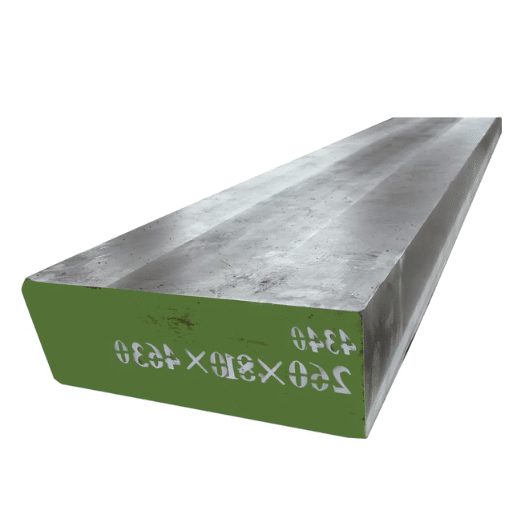
The characteristics of 4340 alloy steel, such as versatility and high performance, are the reasons why it is the material of choice in several different very demanding industries. Applications and suitability are given down in detail below:
Aerospace Components
Landing gear, control rods, and shafts are critical parts, and 4340 alloy steel is the main material used in their production for the aerospace sector. The alloy’s remarkable combination of high tensile strength and fatigue resistance assures reliability under varying stress and load conditions.
Automotive and Racing Parts
The alloy finds application in the production of crankshafts, connecting rods, and axle shafts for standard and racing vehicles, as well as in high-performance applications. Thanks to the material’s toughness and wear resistance, it is ideally suited to deal with high torque and rotational stresses.
Oil and Gas Industry
Steel 4340 is used to produce drill collars, tool joints, and subs, among other oil exploration components, due to its resistance to high pressure and harsh environmental conditions. Besides, the steel’s good retention of strength at higher temperatures guarantees performance in the difficult situations ever called to endure.
Heavy Machinery
The industrial sector uses 4340 alloy in various heavy-duty applications, such as gears, spindles, and bolts. The alloy’s outstanding machinability and durability enable it to withstand rigorous mechanical operations and even impacts.
Military Applications
Steel is not uncommon in military infantry hardware, especially in firearms parts and tank components. The metal’s superior toughness and high-hardness profile win out where durability and impact resistance are most needed.
Each of these applications emphasizes the role of 4340 alloy steel in the environments that require the highest strength, durability, and flexibility to varying stresses.
Use in the Aerospace Industry
The aerospace industry relies heavily on 4340 alloy steel, mainly for its superlative strength-to-weight ratio, excellent toughness, and, above all, the ability to withstand fluctuating stress and extreme conditions. Here is a comprehensive list of five particular uses of 4340 alloy steel in the laid-back aerospace industry:
1. Landing Gear Components
Landing gear systems are subjected to extreme loads during take-off, landing, and taxiing operations. The high tensile strength, along with the fatigue resistance of 4340 alloy steel, makes it the perfect choice for the manufacture of landing gear assemblies.
2. Aircraft Engine Shafts
Engine shafts are essential parts that are subject to very high rotational as well as thermal stresses. 4340 alloy steel, known for excellent machinability and strength retention at elevated temperatures, is truly a material of choice for this application.
3. Rotorcraft Drive Systems
Helicopter drive shafts and related components benefit from the alloy’s high-impact resistance and toughness, enabling reliable and thus performance in dynamic operating conditions.
4. Fastening Systems
Aerospace-grade fasteners, such as bolts and connectors, often rely on 4340 alloy steel for its superior wear resistance, which, in turn, ensures structural stability in high-vibration environments.
5. Structural Components
Structural parts, such as wing spars and fuselage supports, use 4340 alloy steel to offer increased durability without the disadvantages of excessive weight, thereby satisfying the performance and safety standards of the contemporary aircraft fleet.
All these 0.5% usages signify the strength and accessibility of the materials, which can overcome all the challenges of aerospace engineering, where safety and efficiency are the two most emphasized factors.
Applications in Automotive Manufacturing
In the automotive industry, 4340 alloy steel is widely used for manufacturing due to its exceptional properties, including strength, toughness, and abrasion resistance. It helps the producers to satisfy the increasing demand for high-performance parts and at the same time, to keep the vehicles safe and efficient. The following are the primary uses of 4340 alloy steel in the automotive sector:
Drivetrain Components
Steel 4340 is the material of choice for gears, shafts, and differential parts, as its excellent fatigue strength and wear resistance enable it to withstand repeated mechanical stress without any components failing.
Crankshafts
The combination of toughness and resistance to deformation under heavy loads makes 4340 steel the best choice for crankshafts, which are subjected to constant twisting and bending in high-performance engines.
Suspension Systems
4340 alloy steel is one of the most essential materials in suspension systems as it can resist not only the impacts but also the double loading that poses an increasing threat to vehicle stability and longevity.
Connecting Rods
For connecting rods, 4340 alloy steel is a common choice because it has been proven that these components, which are often used in high-speed engines, can withstand and perform well under severe stress and high-temperature conditions, resulting in better overall engine performance.
Axles
The manufacture of axles for heavy-duty and off-road vehicles often uses 4340 alloy steel due to its high tensile strength, which ensures they can safely and efficiently handle the high torque and loads encountered during operation.
In the end, every application underscores the significance of 4340 alloy steel as a material that offers the right balance of performance, safety, and longevity in modern automotive engineering.
Role in Heavy Machinery and Equipment
4340 alloy steel is known for its remarkable mechanical properties—such as high tensile strength, toughness, and wear and fatigue resistance—making it an excellent choice for heavy machinery and industrial equipment. Therefore, it can successfully cope with high-stress and demanding applications. The following is a comprehensive enumeration of its main functions and applications in heavy machines and equipment:
Hydraulic Components
In hydraulic systems, cylinders and pistons made of 4340 alloy steel are used because they can withstand high pressure and continuous movement without deforming or failing. The material’s fatigue resistance guarantees reliable long-term performance even under such conditions.
Crane Shafts
The crane shafts, made from 4340 alloy steel, not only provide the necessary strength to bear heavy loads but also withstand the torsional stresses caused by lifting operations.
Mining Drills and Equipment
The excellent durability of 4340 effectively resists the harsh conditions of mining operations, especially in drill bits and structural components that are subject to high impact and wear.
Gear Systems
Gears in heavy machines often need to be very precise when handling large amounts of torque. High-quality gears made from 4340 alloy steel are the best solution to the problem of reduced efficiency and increased wear over time.
Construction Equipment
The extraordinary toughness of 4340 alloy steel is one of the reasons why it is the material of choice for the construction of structural components, such as the arms of an excavator and the bucket of a loader. Its ability to withstand the rigors of the job site makes it a dependable partner in all construction projects.
Thus, 4340 alloy steel’s applications show its multifaceted nature in heavy machinery, where operational efficiency, safety, and longevity are the primary concerns. Its wide range of usage in key industries continues to make it a major factor in overcoming modern engineering challenges.
References
- ScienceDirect: “Mechanical properties and microstructural features of AISI 4340 high-strength alloy steel under quenched and tempered conditions” – Link to article
- SpringerLink: “Development of optimized mechanical properties of AISI 4340 steel: role of quenching and partitioning process” – Link to article
- UTHM Publisher: “A Comprehensive review on AISI 4340 hardened steel: emphasis on industry implemented machining settings, implications, and statistical analysis” – Link to article
Frequently Asked Questions (FAQ)
What are the mechanical properties of 4340 steel?
The tensile strength and toughness of 4340 steel are the main reasons for its application in demanding fields. The mechanical properties of the material include the potential to achieve tensile strength up to 220,000 psi, which varies depending on the heat treatment process, namely quenching and tempering. Moreover, the steel exhibits good fatigue resistance, a necessary property for parts subjected to cyclic loading.
How does the heat treatment process affect the properties of 4340 steel?
The properties of 4340 steel are highly susceptible to heat treatment. Depending on the treatments used, such as quenching and tempering, the steel can achieve a balance of strength and toughness with high values. In the hardened condition, 4340 steel can achieve a case hardness greater than RC 50, while softer, normalized conditions allow the material to be easily machined and exhibit higher ductility.
What is the chemical composition of 4340 alloy steel?
The chemical composition of 4340 alloy steel typically consists of about 0.38-0.43% carbon, 0.70-0.90% manganese, 0.15-0.25% molybdenum, 0.70-0.90% nickel, and approximately 0.90-1.10% chromium. The presence of these elements in the steel gives it high strength, toughness, and weldability; the combination makes it suitable for many applications, such as aircraft landing gear and gears.
How does 4340 steel compare to other carbon steels?
Compared to typical carbon steel, 4340 steel is a low-alloy steel with a high alloy content, giving it outstanding mechanical characteristics. The steel offers higher tensile strength and fatigue resistance, which are critical for usage in high-stress applications. The same goes for 4340’s toughness and strength, which make it a go-to for parts that need to perform well under strict conditions.
Can 4340 steel be welded?
4340 steel is weldable; however, certain precautions must be taken. Usually, welding when steel is in the hardened state could result in cracking so it is a widespread practice to preheat the metal and also do post-weld heat treatment to the steel in order to regain its toughness and strength. Techniques such as flame or induction hardening can also be applied to ensure the weld is sound.
What are the applications of 4340 steel?
4340 steel is used to produce a range of high-strength components, including aircraft landing gears, shafts, and gears, and is used in the automotive and aerospace industries for making critical parts. The qualities of high ductility and fatigue resistance make it suitable for applications where parts are under heavy loads and simultaneously exposed to high temperatures.
What are the physical properties of 4340 steel?
The physical properties of 4340 steel are a density of around 0.284 lb/in³ and a melting point of about 2,500°F (1,370°C). These properties, together with the mechanical characteristics, allow steel to be employed in various applications where toughness and strength are essential, like in high-stress environments.
How does the machinability of 4340 steel vary with heat treatment?
The machinability of 4340 is closely linked to its heat-treated state. The soft condition makes the steel easier to cut, thus improving machining processes. On the contrary, when steel is hard and tempered, it is less machinable, and specialized tools may be required to achieve the required accuracy and surface finish.
What is the significance of quenching and tempering for 4340 steel?
Quenching and tempering are vital heat-treatment processes that enhance the performance of 4340 steel. Quenching rapidly cools the steel, increasing its hardness, whereas tempering is a process in which the steel is reheated to reduce brittleness and thereby improve toughness. Ultimately, this processing results in steel with a perfect mix of high tensile strength and toughness, thus making it suitable for a wide range of demanding applications.