


Blog
Q345B Steel: Chinese Standard Structural Steel

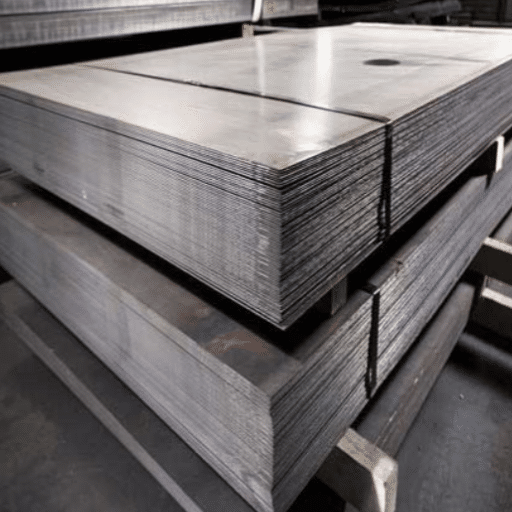
The right material is the main big factor when it comes to the construction and manufacturing processes that provide strength, durability, and efficiency. Q345B steel, the Chinese standard structural steel and globally recognized as such, has become a primary choice of engineers and builders around the world. This steel grade is characterized by its ordinary mechanical properties and versatility, thus providing an ideal mix of strength and ductility that makes it applicable in a broad spectrum of areas. From gigantic infrastructural ventures to sophisticated machinery, it would be wise to know about Q345B steel’s makeup, gains, and applications if you are to find a solution that is both reliable and cost-effective. In this piece, we will be talking about everything that you need to know regarding Q345B steel, illuminating its extraordinary characteristics and the reasons why it is the best material in the industry. So stay with us while we continue to reveal its characteristics, benefits, and actual uses!
Introduction to Q345B Steel
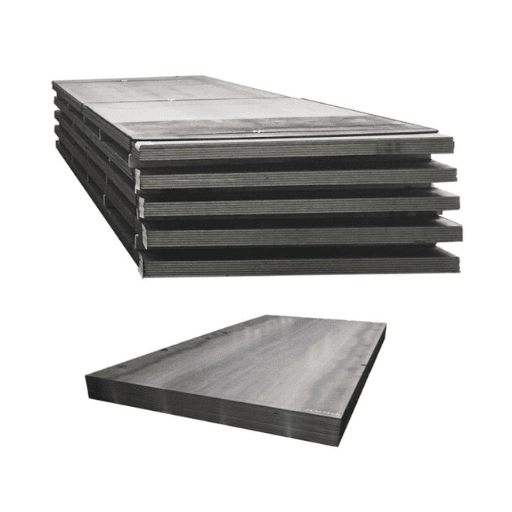
Q345B steel is categorized as a low alloy structural steel but nevertheless it is very strong, versatile, and economical. Because of its remarkable weldability, good resistance to rust, and high load-bearing capacities it is the most preferred steel for the construction, manufacturing, and engineering industries. Q345B steel is very durable due to its balanced composition of carbon, manganese, and silicon with other trace elements and it also has the ability to be used in a variety of applications like bridges, buildings, and machines or heavy-duty equipment where the temperatures may be low or at room level. Its trustworthiness and flexibility make Q345B a steel type very common on site at even the most demanding structural project.
Significance in Construction and Manufacturing
Q345B steel, being one of the most versatile materials in the construction and manufacturing industry, plays an essential part in the modern world. The following are five major points regarding this matter:
1
Structural Integrity
Q345B’s combination of high tensile strength and ductility qualifies it to be the main material in buildings and bridges. Heavy load resistance is its feature that guarantees safety and long-serving period.
2
Corrosion Resistance
The steel’s inherent properties safeguard it against corrosion and rust, thereby minimizing maintenance costs and extending the life of structures located in extreme environments.
3
Cost-Effectiveness
Q345B steel provides a good ratio of price to quality, hence it is a prime choice for projects large- and small-scale alike.
4
Wide Applicability
Its use in different sectors like construction, manufacturing, shipbuilding, and power generation reflects the material’s flexibility in meeting various engineering requirements.
5
Sustainability
Being recyclable, Q345B steel is a part of the environment-friendly construction practices and at the same time, it does not compromise on the efficiency of the structure.
The topicality of these features reveals the reason for continuing trust in the use of Q345B steel for the most demanding engineering applications.
Overview of Q345B Steel Properties
Q345B steel is a low-alloy structural steel that possesses remarkable mechanical and chemical characteristics that allow it to be a preferred material in construction and engineering applications. The following gives a detailed list of its main properties:
Mechanical Properties:
- Yield Strength: Q345B steel has a minimum yield strength of 345 MPa which is a guarantee of the excellent load-carrying capacity as well as the structural stability.
- Tensile Strength: The range of tensile strength is normally within 470-630 MPa making the steel a tough material under stress.
- Elongation: The steel has an elongation rate of approximately 20% which means it can be deformed without breaking.
- Impact Resistance: Even at low temperatures, the steel still has an amazing ability to resist impact; thus, the Charpy impact tests are normally performed at -20°C to assure the dependability.
Chemical Composition:
The chemical composition of Q345B steel is designed with just the right balance to give the best performance:
This combination yields a product that has strength, good weldability, and at the same time, it is resistant to atmospheric corrosion.
Physical Properties:
- Density: 7.85 g/cm³, which is a standard value for structural steels.
- Hardness: The product has reached hardness that is moderate and is still good for heavy-duty applications.
- Weldability: Low carbon equivalent is one of the main reasons that welding processes using Q345B steel can be conducted with great ease and thus the weldability of the steel can be classified as excellent.
Performance Under Stress:
The steel shows good performance with oscillating loads which makes it suitable for such dynamic contexts as bridges, cranes, and heavy equipment. Its adaptability to extreme conditions including temperature and pressure variations has proved the material’s reliability.
Standards Compliance:
Multiple international standards such as GB/T 1591-2008 are among those that Q345B steel has complied with thus assuring the steel quality and consistency over various applications.
The highly competitive combination of strength, durability, and flexibility of Q345B makes it an essential material for both minor and major engineering projects. These properties, supported by rigorous testing and global standards, solidify its position as a backbone material in critical industries.
Comparison with Other Structural Steels
Chemical Composition of Q345B Steel
Q345B steel, among all, is still the most widely used low alloy structural steel in the China steel market, and is equally renowned for its outstanding mechanical properties and weldability. The sophisticated combination of elements in its chemical composition gives the steel a perfect blend of robustness and pliability, which allows it to function under varying conditions without losing its integrity. A typical chemical composition of Q345B has been given below in terms of a percentage by weight:
Carbon (C)
≤ 0.20%
Silicon (Si)
≤ 0.50%
Manganese (Mn)
1.00% – 1.60%
Phosphorus (P)
≤ 0.035%
Sulfur (S)
≤ 0.035%
Vanadium (V)
≤ 0.15%
Niobium (Nb)
≤ 0.07%
Titanium (Ti)
≤ 0.20%
The elements are well controlled in order to assure Q345B steel’s characteristics of strength, ductility, and toughness. For instance, the amount of carbon is limited, so as to enhance the weldability of the steel, while manganese is solely responsible for the strength of the steel. Moreover, the elements (additive) such as vanadium, niobium, and titanium not only help in refining the grain of the material, but they also increase the strength through precipitation hardening.
The equilibrium of the elements guarantees that Q345B steel is not only up to the requirements of the GB/T 1591-2008 standard, but also the requirements of various standards worldwide. Hence, it is widely used in numerous areas such as construction works of bridges, buildings, and even heavy machinery.
Elements in Q345B Steel
Q345B steel is an excellent steel which symbolizes no other than its great mixture of strength, weldability, and performance which are up to its perfect chemical composition. Following is a breakdown of the elements in Q345B steel and their roles with respect to the latest standards:
Carbon (C)
Usually, carbon level is limited to a maximum of 0.20% in Q345B steel which not only keeps the steel weldable but also minimizes brittleness while providing good strength.
Manganese (Mn)
A range of 1.00-1.60% manganese is present which is a very important factor in the development of tensile strength and also in obtaining a higher wear and tear resistance.
Silicon (Si)
Silicon is introduced up to 0.50% to enhance strength and improve the steel’s resistance against deformation.
Phosphorus (P)
The upper limit for phosphorus is set at 0.035%. A low level of phosphorus is necessary to prevent brittle behavior and retain the strength of the structure.
Sulfur (S)
The sulfur level is set at a maximum of 0.035% since high levels of sulfur can result in the material being tough to crack and having poor impact resistance.
Vanadium (V), Niobium (Nb), and Titanium (Ti)
These elements are called microalloying elements and are generally added in very small quantities (less than 0.15% for each) for the purpose of grain size refinement and precipitation hardening. Their contribution to the material’s strength and toughness is substantial.
Chromium (Cr) and Nickel (Ni)
Sometimes, small amounts of chromium (usually under 0.30%) and nickel (under 0.50%) may be found for the purpose of improving the steel’s corrosion resistance or toughness specifically for the case of certain standards or requirements.
Copper (Cu)
Copper level is usually capped at 0.30% to provide corrosion resistance without adversely impacting the performance of the steel.
Typical Mechanical Properties
The chemical composition and manufacturing process of Q345B steel are all aimed at yielding certain mechanical performance levels, which are as follows:
- Yield Strength: 345 MPa (this is why it’s called “Q345”)
- Tensile Strength: 470-630 MPa
- Elongation: Usually 20-21% depending on the thickness
- Impact Toughness: The material meets the “B” grade criterion for low-temperature impact testing in classification standards
All the mentioned elements and properties combined make Q345B steel an adaptable and trustworthy material which is being extensively used in the construction and engineering industries. Its compliance with international standards guarantees its entry into worldwide markets.
Trace Amounts of Other Elements
Q345B steel is not only composed of iron and carbon but also of very small amounts of other elements that actually contribute to its performance and properties. The amounts of these elements are generally very low and they are really necessary for making the steel better in certain ways:
Sulfur (S): ≤ 0.045%
Sulfur in low range is considered a negative substance but this can make the steel easier to machine. However, if there is too much sulfur, then it can impair weldability and toughness.
Phosphorus (P): ≤ 0.045%
Like sulfur, phosphorus when present in minute amounts can contribute to the strength and hardness of the steel but its presence in larger quantities can cause reduction of the latter and hence, brittleness.
Chromium (Cr): ≤ 0.30%
Chromium leads to better resistance to rust and also higher surface hardness which in turn is good for the steel’s wear resistance.
Nickel (Ni): ≤ 0.30%
Nickel gives the steel more toughness and strength, especially in cold conditions, thus making Q345B alloy more adaptable.
Copper (Cu): ≤ 0.30%
Copper not only protects steel from corrosion but also enhances its life; particularly in connection with atmosphere-dominated scenarios.
Vanadium (V): ≤ 0.10%
Vanadium makes grain size in steel smaller, hence stronger and more ductile.
Molybdenum (Mo): ≤ 0.10%
Molybdenum is a means by which strength of steel at high temperatures is exceeded to some extent and also has a role in pitting and crevice corrosion resistance.
Though the amounts of these elements are very tiny, they are crucial for the Q345B steel performance in harsh environments. Continuous metallics and advanced techniques allow strict and close range of composition controls to be done, thus enhancing the steel’s application in various structural and industrial usages.
Comparison with Q235 and Other Grades
Mechanical Properties of Q345B Steel

Q345B steel is recognized for its remarkable mechanical characteristics, which are the main reason it is among the most often used materials in different engineering and construction applications. A combination of this low-alloy structural steel’s attributes results in its widespread usage: it has strength, toughness, and good weldability. Q345B steel has the following outstanding mechanical properties:
Yield Strength
≥345 MPa
Q345B has at least 345 MPa (Megapascals) minimum yield strength. This yield strength of the metal that is so high makes it capable of bearing heavy loads without changing its shape permanently and thus is suitable for heavy-duty projects.
Tensile Strength
470-630 MPa
The tensile strength of Q345B generally is between 470 and 630 MPa, thus making it capable of effective resistance to stretching and pulling forces.
Elongation
~20%
The steel demonstrates elongation about 20%, and this fact confirms its ductility and capacity to go through deformation before fracture.
Impact Resistance
Low Temperature
Q345B steel’s impact toughness is being assessed at different temperatures, where the main focus is on its performance in sub-zero conditions. This characteristic is very important for its use in cold regions or in buildings that undergo thermal changes.
Brinell Hardness
Moderate
The hardness of the steel is moderate, thus providing a compromise between its strength and ability to be machined.
The above-mentioned mechanical properties contribute to the use of Q345B steel in various applications like bridges, buildings, and machine parts. The aforementioned advantages that flow from the combination of strength, flexibility, and weldability give it a spontaneous choice of material for sectors requiring reliability and efficiency. In addition, Q345B steel, with the help of advancements in production techniques, is now manufactured keeping modern engineering standards in mind, thus becoming versatile for use in the contemporary world.
Tensile Strength and Yield Strength
Q345B steel is known for its outstanding mechanical properties mainly its tensile and yield strength which are the main criteria in evaluating its performance. The tensile strength of Q345B ranges from 470 to 630 MPa, which depends on the thickness and form of the material. The high tensile strength can guarantee that the steel is able to resist a great amount of stress and is not easily drawn out of shape under tension.
Yield Strength by Thickness
Up to 16mm
345 MPa
Standard yield strength
16mm – 40mm
~325 MPa
Slightly reduced for thicker sections
>40mm
Lower
Decreases for larger sections
This character makes Q345B steel very widely accepted in various applications where a combination of strength and ductility is the main requirement. Its capacity of yielding and tensile strength to the maximum even in the most stressful environments makes it nothing but exclusive in the use of such applications as a critical structural framework, heavy equipment production, and even cranes. By the fact that it is able to provide such high performance standards, Q345B steel keeps on being the trustworthy and precise factor to the ever-changing engineering and industrial demand.
Weldability and Toughness
Q345B steel is widely recognized for its remarkable ability to be welded and its toughness which makes it not only suitable for but also a favorite in the industrial sector. Here are the important details and statistics that point out the properties of Q345B steel:
1
Weldability is High and Carbon Content is Low
About 0.20% carbon is present in Q345B, hence, the welding process becomes easier and more efficient. This also lowers the chances of defects in welding like cracks and porosity.
2
Toughness During Impact is Excellent
Q345B steel maintains its toughness considerably even when the temperature is low, having an impact energy of more than 27J at -20°C, thus, being able to rely on it in very cold or even harsh environments.
3
Heat-Affected Zone (HAZ) Toughness
The material shows stable mechanical properties all over its heat-affected zone post-welding, so there is less strength reduction, thereby making it possible to have a consistent structural integrity.
4
Welding Methods Compatibility
For Q345B, the use of various welding techniques including manual arc welding, submerged arc welding, and gas metal arc welding is possible, thus, it is versatile in terms of different manufacturing processes.
5
Less Pre- and Post-Weld Treatment Requirements
Q345B steel is so good that it usually doesn’t need any preheating or post-heating processes. This not only saves time but also lowers costs in the production workflow.
Q345B steel with its great attributes; reliable performance in construction and manufacturing applications is thus, its strong point.
Corrosion Resistance and Durability
Q345B steel has a great reputation because of its remarkable resistance to corrosion and remarkable durability over a very long period, so it has a great deal of reliance on various environmental and industrial conditions. These five key factors are good to explain the performance of Q345B steel in this aspect:
Resistance to Atmospheric Corrosion
Q345B shows very good resistance to oxidation and corrosion from being exposed to atmospheric conditions, thus the material has good longevity in outdoor areas.
Anti-Humidity Performance
The material withstands very well humid conditions so that the risk of rusting and material degradation over time is significantly reduced.
Low Maintenance Requirements
Q345B’s inherent corrosion-resistant properties mean that the steel requires only a very small amount of maintenance, which in turn reduces the costs of operation and upkeep.
Performance Under Extreme Temperatures
Q345B is able to keep its strength and at the same time resist corrosion even when there are drastic changes in temperature, from freezing to very high heat.
Compatibility with Protective Coatings
The steel can undergo protective coatings or galvanization processes without difficulty, which makes it even more durable and prolongs its service life in corrosive areas such as marine or chemical-exposure environments.
These characteristics render Q345B steel to be an excellent choice in engineering exteriors that require long-term resilience and resistance to environmental challenges.
Applications of Q345B Steel
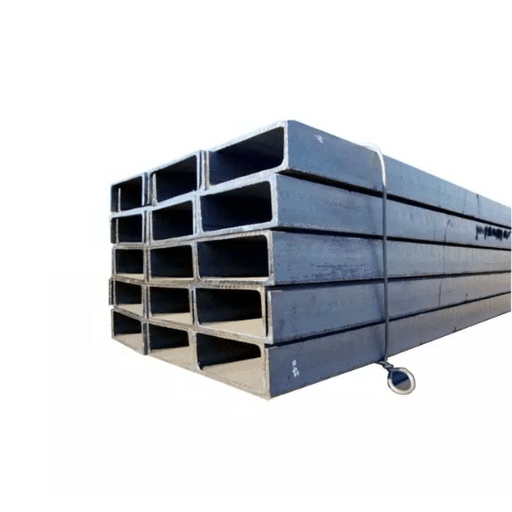
Construction and Infrastructure
Q345B steel is extensively employed in construction activities like bridges, towers, and houses. Its excellent strength and weldability render it the best choice for reinforcing and constructing support structures and frameworks.
Machinery Manufacturing
The qualities of Q345B steel like high toughness and being flexible allow it to be of use in the making of machinery parts and components. Machinery such as industrial equipment, agricultural machines, and mining tools would be durable and remain operational during high-stress situations.
Shipbuilding Industry
Q345B steel is a material of choice for the shipbuilding and marine structures industry due to its improved ability to resist deformation and corrosion. Its use can be found in hulls, decks, and other crucial parts that come in contact with sea water and are therefore subject to its harsh conditions.
Automotive Industry
The strength-to-weight ratio of Q345B steel is what mainly drives its widespread use in the production of vehicle frames, chassis, and other structural parts. This has a positive impact on the production of vehicles that are light yet strong; consequently, the entire fuel consumption gets better.
Energy and Power Systems
Q345B steel is an energy sector material from wind turbine towers to pipelines and boilers. Its quality of withstanding high-pressure and the fluctuating temperature of the energy infrastructure makes it a critically important material still.
Common Uses in Construction
Q345B steel has been one of the main factors of different construction applications because of its great mechanical properties like high tensile strength, durability, and weldability. There are five major applications of Q345B steel in the construction industry listed below:
- 1
High-Rise Buildings
Q345B is the material of choice for the structural framework of skyscrapers and modern high-rise buildings, due to its amazing properties. It guarantees strength, hence stability, at the same time it reduces the weight of the material which enables more daring and futuristic architectural designs.
- 2
Bridges
Q345B is the steel that will not mind dynamic loading, and therefore it is used in the construction of bridges extensively. It will support the stresses caused by vehicles, wind, and weather conditions and at the same time will not lose its structural integrity over years.
- 3
Industrial Structures
The use of Q345B is widespread in factories, warehouses, and huge industrial plants because of its capacity to bear heavy devices and also standing up to environmental factors such as heat or corrosion.
- 4
Residential Construction
Besides that, Q345B steel is also being used in residential construction for the structures, beams, and columns, thus giving a lifetime and secure construction for houses while also cutting down on the cost of the materials.
- 5
Transportation Infrastructure
The new steel is used in the construction of transportation infrastructures like railways, tunnels, and airport terminals. Its property to adapt well to varying load and environmental conditions makes it a dependable choice.
Applications in Machinery and Industrial Equipment
Q345B steel is popular for the production of machinery and industrial tools because of the great mechanical properties it possesses such as high strength, durability and weldability among others. There are 5 main applications in this field:
Heavy-Duty Machine Frames
The construction of heavy-duty industrial equipment frames is where Q345B steel is often utilized. The high level of stress that the steel can bear and its deformation resistant property give the machinery in the tough surroundings a stable and long life.
Construction Equipment Components
It is employed to produce parts of construction machines like excavators, cranes, and loaders. The strength and impact resistance of the steel make it possible for it to hold up under heavy loads and to withstand tough working conditions.
Agricultural Machinery
Q345B steel, thanks to its toughness, is used to manufacture agricultural machinery and tools, such as ploughs, harvesters, and tractors, to serve in different weather and field conditions.
Pressure Vessels and Tanks
The material’s capacity to deal with high-pressure environments is the reason it being one of the major materials for the production of pressure vessels and tanks in the chemical, gas and oil industries.
Industrial Conveyor Systems
In industrial environments such as factories and warehouses, Q345B steel is a must for their structural frameworks on conveyor systems due to its ability to blend in and be strong which guarantees the material safe and efficient flow.
The above-mentioned applications are the pointers behind Q345B steel being a versatile and necessary metal in the cutting-edge machinery and industrial equipment production. The same features keep a wide range of operational and structural demands satisfied.
Q345B Steel in Structural Beams and Plates
Q345B steel is an indispensable material in construction e.g., where besides being strong, it should also last long and be adaptable to deviate to some extent in case of the need and steel, easy to weld and cut, is the one through which all this is made possible. Its mechanical properties and chemical composition render it a marvelous material for a variety of applications. Here follow the precise and technical information about its application in the beams and plates:
-
High Tensile Strength
Q345B steel has a tensile strength range of 490 to 675 MPa, thus structural beams and plates can be made so strong that they can carry huge loads without getting deformed or failing.
-
Excellent Yield Strength
At a yield strength of 345 MPa, Q345B steel acts as a dependable support for the steel structures and assures resistance to the stress in the case of a yielding event.
-
Versatile Dimensions
Q345B steel sheets and profiles are offered in a wide range of thicknesses and lengths, thus meeting the requirements of the most demanding architectural and industrial applications.
-
Corrosion Resistance
The excellent chemical composition of Q345B steel, to the extent of manganese and silicon, provides the steel with very good resistance to environmental corrosion thus contributing to the steel long lifetime.
-
Weldability and Machinability
The extremely good and easy-to-weld and machinability of Q345B steel are factors that allow it to be produced in a variety of structural systems without compromising the steel’s integrity and performance.
The above mentioned properties assure that Q345B steel is a choice material for structural beams and plates in bridges, buildings, and industrial frameworks. Its strength and adaptability are a dependable solution for such installation purposes.
Benefits and Limitations of Q345B Steel
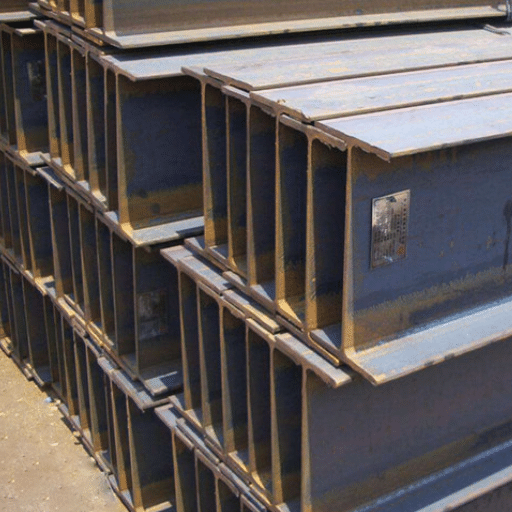
✅ Advantages of Q345B Steel
High Strength
Q345B steel has a tensile strength of 345 MPa, which is high for steel, hence it can be used in heavy-load applications and structural components for bridges, buildings, and industrial constructions.
Excellent Weldability
The steel’s great weldability allows for easy joining of components, thus reducing the construction time and costs, particularly in large structure projects.
Good Machinability
Minimal cutting, shaping, and forming effort is required for Q345B to turn into complex parts, thus providing design flexibility and efficiency during the manufacturing process.
Cost-Effectiveness
In comparison to other alloy steels with similar properties, Q345B gives an economical answer for rigorous construction requirements ensuring high quality.
Corrosion Resistance
In comparison to stainless steel, Q345B is not that resistant but it still has a moderate corrosion resistance of which protective coatings can enhance it, thus it can be used in various environments.
⚠️ Disadvantages of Q345B Steel
Rust Formation
Q345B steel has to be taken care of properly and surface treatments, such as painting or galvanization, are needed in order to avoid rust in moist or corrosive areas.
Performance at Extreme Temperature is Limited
The metal properties of Q345B get weakened at very high or low temperatures and this is the reason why it is not suitable for certain specialized applications.
Heaviness
The heavy nature of Q345B steel which is due to its high density can make it hard to transport and handle during the construction process.
Fatigue Resistance
Q345B, although strong, has moderate fatigue resistance and therefore it might not be suitable for the parts that are subjected to continuous cyclic loads without reinforcement.
Environmental Impact
Like most metals, Q345B production and processing can have considerable environmental impact in terms of energy consumption and carbon emissions, which has to be taken into account for sustainable practices.
Advantages of Using Q345B Steel
High Strength
Q345B steel has a very good and powerful tensile strength that ranges between 470 and 630 MPa, thus it is perfect for large and heavy structures requiring high load capacity.
Good Weldability
With low carbon content, Q345B exhibits great weldability and this allows for very well and reliably conducted welding operations even without preheating.
Versatile Application
This material has become one of the key players in the construction, bridges, machinery, and pipelines industries because of the widespread adoption of its properties and performance reliability in different sectors.
Cost-Effective
Due to the combination of its strong, flexible and cheap properties, Q345B is a cost-effective choice for structural works as compared to higher-grade steels.
Corrosion Resistance
Although Q345B is not as resistant to corrosion as stainless steel, it does possess a trait of resistance to atmospheric corrosion that is considered decent, especially when coated or treated, thus, the lifespan of constructions made from it is prolonged.
References
-
MDPI: Microstructure and Property Evolutions of Q345B Steel – This paper discusses the surface strengthening of Q345B steel using ultrasonic shot peening (USP) technology.
-
ScienceDirect: Study on the Corrosion Behavior of Q345B Steel – This study examines the corrosion behavior of Q345B steel under different direct current densities.
-
ResearchGate: Experimental Investigation on Mechanical Behaviors of Q345B Steel – This research focuses on the stress-strain relationships of Q345B steel under varying temperatures and strain rates.
Frequently Asked Questions (FAQ)
What is Q345B steel and its significance in the construction industry?
Q345B steel is recognized for its excellent mechanical properties and is the Chinese standard low alloy high-strength structural steel. It has widespread use in construction and structural sectors due to its weldability and toughness properties, which make it the right choice for steel structures in buildings, bridges, and machinery parts.
What are the mechanical properties of Q345 steel?
Q345 steel displays great mechanical properties like yield strength of 345 MPa and tensile strength depending on thickness. Its characteristics make it fit for structural usage like beams and plates where high strength and longevity are needed.
How does the chemical composition of Q345B steel affect its performance?
The elemental makeup of Q345B steel comprises carbon, silicon, and minor amounts of other elements. This mixture gives it a strength and weldability that are very high, so it is able to take care of the needs of many different structural and pressure vessel applications.
What are the differences between Q345B, Q345C, and Q345D steel?
Q345B, Q345C, and Q345D are all types of Q345 steel, and their main difference lies in how tough they are when hit by low-temperature impact. Q345B is an all-purpose steel; Q345C has higher toughness but at lower temperatures, and Q345D is even tougher at low temperatures making them adaptable to more severe environments.
What is the weldability of Q345B steel?
The welding quality of Q345B steel is very good, and thus it can be welded by many different types of welding. This property is important for structures where strong and long-lasting joints are pivotal for the overall stability of the construction.
Is Q345B steel considered a low-alloy steel?
Indeed, Q345B steel is classified as a low-alloy high-strength structural steel. The combination of low carbon the content with alloying elements enhances its performance while still keeping the good aspects of strength and ductility that make it suitable for different building applications.
Can Q345B steel be used in hot-rolled applications?
Certainly. Q345B steel is commonly obtainable in hot-rolled versions which improve its mechanical properties and thus make it suitable for heavy-duty structural applications. In fact, hot-rolled Q345B steel plates and beams have a wide range of use in the construction field.
What are the typical applications of Q345B steel in construction?
Q345B steel has a very wide range of use, especially in the construction and structural sectors. Its being strong and long-lasting makes it the perfect candidate for building frameworks, bridges, and parts of machines that need to be reliable and resistant to changing shapes.