


Blog
Understanding Maraging Steel: High Strength Without Brittleness

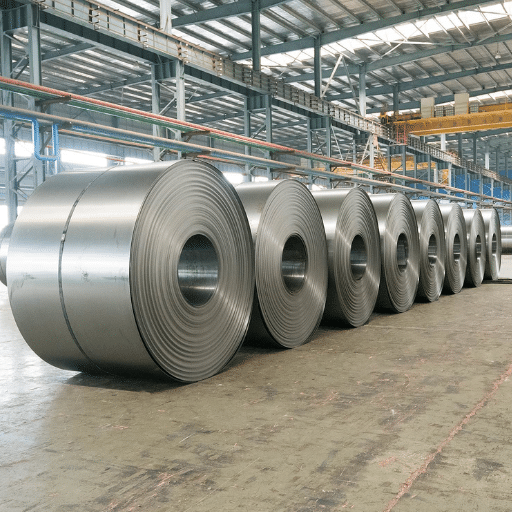
The material properties of maraging steel enable it to function as a metal which defies all established metallurgical trade-offs. The special alloy used in this application enables industrial fields to access materials which demonstrate both exceptional strength and maximum toughness. Maraging steel enables users to achieve both ductility and hardness without needing to make any trade-offs. What special qualities make this object different from other objects? The blog post investigates the complete nature of maraging steel by studying its chemical makeup and its outstanding features and essential industrial uses which serve various fields from aerospace to advanced tooling. Our upcoming reveal will demonstrate that maraging steel exists in a separate category from other materials.
Introduction to Maraging Steel

The steel alloy known as maraging steel contains low carbon content yet achieves high strength levels together with exceptional toughness and hardness properties. The material develops its properties through a special aging method which uses heat treatment to improve strength while maintaining its non-brittle nature. The alloying elements of this material include iron nickel cobalt molybdenum and titanium which together create exceptional performance capabilities. Maraging steel which engineers use in aerospace and tooling applications and high-performance projects, provides users with strong material properties that enable easy machining while preventing crack formation. The material combines strength with ductility which engineers require to create products essential for industrial applications.
Defining Maraging Steel
The term “martensite aging” serves as the basis for maraging steel because it describes the process which creates the metal’s exceptional characteristics. The manufacturing process of this ultra-high-strength steel requires an aging heat treatment which causes intermetallic compounds to form within its martensitic structure through the precipitation of nickel and molybdenum and titanium. The process produces materials with enhanced strength and toughness which maintain their ability to bend throughout the entire structure.
Maraging steels are typically categorized based on their yield strength which measurement uses megapascals (MPa) as the standard unit. The grades of Maraging 200 and Maraging 250 and Maraging 300 produce yield strength values which approximate 200 ksi (1,379 MPa) and 250 ksi (1,724 MPa) and 300 ksi (2,069 MPa) respectively. The mechanical performance of maraging steel shows a significant advantage over standard high-strength steels because these measured properties demonstrate its superior capability.
Maraging steel provides more than its strength because it offers machinability and weldability while preserving stability during thermal processing. The material functions as an ideal choice for aerospace components and missile casings and precision tools and advanced engineering structures because of its capacity to resist deformation at extreme loads. The material shows outstanding dimensional stability and fracture toughness, making it the preferred option for industries that need reliable performance.
Importance in High-Performance Applications
Modern industries require advanced materials because they need to meet their demanding performance standards. The materials will deliver dependable performance because they contain exceptional strength together with durable environmental protection features which enable them to withstand extreme conditions. The following five essential factors explain their significance for high-performance systems:
Thermal Stability
Advanced materials maintain their properties even at elevated temperatures, ensuring they do not degrade or lose functionality. Aerospace turbines require materials that can withstand temperatures above 1,500°F because their operational environment reaches those extreme levels.
Corrosion Resistance
High-performance materials need to have durability in extreme environmental conditions. Submarine components and chemical processing equipment depend on materials that can resist corrosion from both saltwater and reactive chemical contact.
Exceptional Strength-to-Weight Ratio
Aerospace and automotive industries use titanium alloys and composite materials because these materials offer high strength with reduced weight. The process leads to decreased fuel needs and enhanced operational effectiveness.
Fracture Toughness
Materials with high fracture toughness provide the necessary strength for applications that need to withstand both impact and heavy load stress. Structural components in skyscrapers and heavy machinery demonstrate this principle by needing to absorb energy while preventing total breakdown.
Dimensional Stability
Medical devices and precision tools need materials that maintain their shape when exposed to different temperature ranges and mechanical pressure. The system provides measurement precision and operational dependability, which is essential in surgical instrument use and measurement equipment.
The combination of these properties demonstrates how advanced materials operate to provide safe and efficient performance in environments that experience high-stress conditions.
The Unique Metallurgical Composition of Maraging Steel
Maraging steel belongs to a group of ultra-high-strength steel which achieves its distinct characteristics through specific methods of metallurgical composition and heat treatment. The material consists of iron as its main element and includes nickel in a range of 15 to 25 percent while cobalt and molybdenum and titanium and aluminum serve as additional alloying components. The low carbon content of maraging steel enables it to attain exceptional strength while maintaining its ductility and toughness which differentiates it from traditional steel compositions.
The essential quality of maraging steel originates from its aging process which determines all its material properties. The alloy undergoes martensitic transformation during heat treatment which results in the creation of a hardened structure. The aging process leads to the development of intermetallic compound precipitates that contain high concentrations of nickel and other alloying elements which enhance the strength of the material. Maraging steel 18Ni250 demonstrates tensile strength capabilities that exceed 2500 MPa while maintaining excellent fracture toughness.
The exceptional characteristics of maraging steel make it suitable for use in aerospace components and tool production and high-performance equipment. The demanding requirements of industries require the accuracy and dependability of maraging steel while its ongoing development in material composition enables higher performance capabilities.
Alloy Elements in Maraging Steel
The specific combination of alloy elements in maraging steel gives the material its distinct properties. The essential elements consist of nickel and cobalt and molybdenum and titanium and aluminum, which together enhance the steel’s strength and toughness and stability.
-
15–25%
Nickel (15–25%)
The main alloying component in steel consists of nickel, which normally exists in concentrations between 15 and 25 percent. The material reaches high strength and toughness because nickel creates martensite through cooling, which acts as the crucial microstructural component of maraging steel.
-
8–12%
Cobalt (8–12%)
The precipitation of intermetallic compounds during the aging process gets promoted by cobalt, which strengthens the steel. The material also gains better thermal stability through this process.
-
3–6%
Molybdenum (3–6%)
Molybdenum provides multiple benefits because it protects materials from wear and deformation at extreme load conditions. The material creates finer grain structures, which enhance the strength of the steel matrix.
-
0.2–2%
Titanium (0.2–2%)
Through titanium, the material develops tiny precipitation particles, which create hardness and yield strength improvements.
Metallurgy research investigates optimal element combinations that will enhance the operational capabilities of maraging steel. Some modern material grades achieve ultra-high strength which exceeds 2,900 MPa while maintaining exceptional fracture toughness. The advancements establish maraging steel as an essential material for industries that demand high-performance materials which include aerospace and defense and tooling sectors. Researchers aim to develop cost-effective production methods which enable sustainable environmental practices for producing the alloy that engineers will need to solve upcoming material challenges.
Comparison with Conventional Steel
The comparison between maraging steel and standard steel indicates multiple important distinctions together with specific benefits which demonstrate the special characteristics and suitable uses of maraging steel. Below are five detailed points of comparison:
-
1
Strength and Hardness
Maraging steel exhibits significantly higher tensile strength, with grades capable of exceeding 2,900 MPa, compared to conventional steel which typically ranges between 250 MPa and 1,500 MPa depending on the alloy. This makes maraging steel ideal for high-stress applications.
-
2
Fracture Toughness
Maraging steel maintains excellent fracture toughness during ultra-high strength conditions while conventional high-strength steels experience toughness reductions as their strength increases.
-
3
Resistance to Deformation
Maraging steel demonstrates better performance against stress-related deformation tasks because its special microstructure enables precise control of movement which makes it suitable for both precision tooling and aerospace applications.
-
4
Corrosion Resistance
Maraging steel provides better protection against corrosion than standard carbon steels which require controlled environments but it does not match the corrosion resistance of stainless steels. The material can be enhanced through coating or alloying methods to achieve better protective performance.
-
5
Ease of Machinability
Machining of maraging steel becomes possible when operators use its softened state before aging because it allows them to complete work without facing difficulties. Post-machining aging then enhances its final mechanical properties.
The distinctiveness of these features shows how maraging steel has advanced engineering capabilities which make it more effective than traditional steel materials for specific industrial purposes.
Grades of Maraging Steel: Overview
Engineers evaluate maraging steel through its multiple grades which show different nickel content and yield strength measurements. The grades consist of 200, 250, 300, and 350 which represent the approximate yield strength of the material in thousands of pounds per square inch (ksi) according to the numbering system. The following section contains a complete list of standard grades:
Nickel: 17–19%
Yield: ~200 ksi (1379 MPa)
The material serves to construct components which need moderate strength, including tooling and light aerospace structures.
Nickel: 18–19%
Yield: ~250 ksi (1724 MPa)
The material serves as the primary material for gears and shafts and high-performance tooling which demands stronger components.
Nickel: 18–19%
Yield: ~300 ksi (2068 MPa)
The material serves aerospace and defense applications and die and high-performance mold design which needs strong and tough materials.
Nickel: 18–19%
Yield: ~350 ksi (2413 MPa)
The material serves in applications which need maximum strength for components such as rocket motor cases and aerospace structures and essential engineering parts.
Key Properties Across Grades
- ✓
All grades show high toughness because they lack carbon which prevents brittle fractures from occurring.
- ✓
The aging process enables precise parts to maintain their original shape through minimal distortion.
- ✓
The material shows moderate corrosion resistance which exceeds stainless steel but maraging steel needs additional coatings for protection against extreme environmental conditions.
- ✓
All grades share the same basic feature of undergoing an aging heat treatment which boosts their strength while maintaining their ductility.
💡 Emerging Developments
The new alloy formulations and manufacturing methods create possibilities for developing customized maraging steel grades. The new maraging steel variants include alloys that provide better weldability and withstand higher temperatures. Scientists are developing advanced properties of maraging steel according to research data which researchers need for future aerospace and additive manufacturing applications.
The Aging Process in Maraging Steel
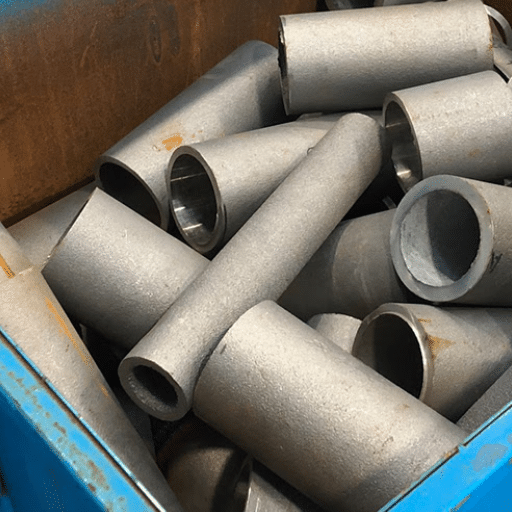
The aging process enables maraging steel to develop its advanced mechanical characteristics because it acts as the crucial process. The steel undergoes first solution heat treatment through a temperature range that extends from 800°C to 950°C (1472°F to 1742°F) before operations quenching the material to form a soft martensitic structure. The structure undergoes aging through a process that requires temperatures between 450°C to 600°C (842°F to 1112°F) to be maintained for 3 to 12 hours which various alloy compositions need to achieve their particular characteristics.
(1472°F – 1742°F)
soft martensitic structure
for 3–12 hours
During aging, intermetallic compounds such as nickel-cobalt-molybdenum precipitates form within the martensite matrix. The nanoscale precipitates create a large strength increase for the material while the material maintains its ability to bend without breaking. Research demonstrates that maraging steel becomes harder than 50 HRC (Rockwell Hardness Scale) while its tensile strengths range from 1400 to 2400 MPa based on the grade and treatment applied to the material.
The modern aging process uses heat treatment cycle optimization to achieve energy savings and better treatment consistency. Manufacturers use artificial intelligence-based simulations to forecast aging treatment results which enable them to customize their manufacturing process according to specific needs. Aerospace-grade maraging steels now undergo controlled aging processes which guarantee optimal functionality for components used in landing gear and rocket motor casings. Additive manufacturing processes, such as laser powder bed fusion, further benefit from tailored aging treatments designed to refine microstructures and consistently meet high-performance standards.
The recent studies investigate how double-aging treatments enhance toughness and fatigue resistance in maraging steel which helps the material perform better in dynamic high-stress applications.
Understanding Martensitic Transformation
The metallurgical procedure of martensitic transformation enables the conversion of austenite into martensite through its non-diffusion process. The process starts with quenching which produces rapid cooling that enables steels and alloys to gain their exceptional mechanical properties which include high strength and hardness. The martensite structure develops through shearing which occurs without atomic diffusion while maintaining the original parent phase composition. The property of martensitic transformation enables its application in situations which require both precise measures and extended operational capacity.
Recent research from metallurgical studies highlights the quantifiable effects of this transformation on material performance. Controlled aging treatment post-transformation improves properties of maraging steels which include yield strength that reaches 2,000 MPa in some cases and toughness. The researchers used advanced techniques like X-ray diffraction and electron microscopy to study microstructural development during martensitic transformation which showed that finer precipitates formed throughout the alloy to strengthen its structure.
The computational software together with martensitic transformations provides precise forecasts of how microstructures will change under various temperature conditions. The innovation enables industries to update their heat treatment procedures because data-driven simulations deliver operational benefits which reduce material waste during manufacturing.
The recent experimental results demonstrate that the cooling rate functions as the primary factor that determines the transformation process. The evidence shows that slower cooling rates result in smaller amounts of martensite formation which creates a structure that is more flexible and less fragile. The process of rapid quenching increases martensite production which enhances strength but requires tempering to resolve brittleness issues.
Achieving High Strength Without Brittleness
The materials engineering field faces its most difficult obstacle when engineers try to create materials that possess both high strength and toughness but do not become brittle. When engineers try to increase a material’s strength they observe that ductility decreases which makes the material more likely to experience catastrophic failure during operation. The development of new methods to solve this problem emerged from advances in metallurgy and nanotechnology.
Researchers have discovered through their study of advanced high-strength steels (AHSS) that multiphase microstructures which include martensite and bainite and retained austenite provide a solution to the problem of balancing strength against ductility. Researchers at the lab established a testing procedure which utilized precise heat treatment control together with specific carbon and manganese and silicon and aluminum alloying rules to produce steels that surpassed 1200 MPa tensile strength while retaining 10 to 20 percent elongation. The properties of AHSS make it suitable for use in automotive crash structures which require materials that can provide both high strength and efficient energy absorption.
The development of nanostructured alloys shows great potential as a new area of research. Research on nanostructured titanium alloys demonstrates that nanoscale grain refinement leads to substantial strength and toughness enhancements. Data shows that nanograined titanium alloys can achieve yield strengths above 1000 MPa, with improved fracture resistance compared to their coarse-grained counterparts.
Applications that need high strength-to-weight ratios now increasingly use carbon fiber-reinforced polymer (CFRP) composite materials. These composites exhibit tensile strengths exceeding 1500 MPa while demonstrating excellent fatigue resistance, which makes them appropriate for use in both aerospace applications and sports equipment.
The combination of computational modeling with machine learning technology enables researchers to discover fresh methods which improve the process of optimizing strength-toughness relationships. The development of new products accelerates through predictive algorithms which identify processing conditions and compositions that produce the best results.
Heat Treatment Techniques
The heat treatment procedure functions as a controlled technique which enables engineers to change material properties through both physical transformations and limited chemical changes of metals and alloys. The process requires material heating and cooling to develop specific attributes which include increased strength and improved hardness and enhanced toughness and stress relief. The development of advanced heat treatment methods has delivered substantial improvements in operational efficiency and accuracy and material performance across different fields of use.
Annealing
The process of annealing serves as a widely used technique which employs heat to reduce material hardness while enhancing ductility through a sequence of heating and controlled cooling that exceeds the recrystallization temperature. The method finds widespread application during the manufacturing of steel and copper alloys. Steel undergoes annealing at a temperature of 723°C which falls within the austenite range to achieve both grain structure refinement and internal stress relief.
Quenching
Quenching functions as an essential process which requires fast metal cooling through various cooling agents that include oil and water and polymer solutions. The quenching process increases hardness because it captures carbon atoms inside the iron lattice structure which occurs during the martensitic transformations of quenched steel. The process of rapid cooling creates brittleness in materials which necessitates additional tempering work.
Tempering
Tempering serves as a secondary method which metal treatment process uses to achieve optimal hardness and toughness balance in metals. After the quenching process materials undergo reheating at a lower temperature which falls between 150°C and 650°C to decrease their brittleness while maintaining their strength.
High-Pressure Gas Quenching
High-pressure gas quenching has emerged as an advanced method which the aerospace and automotive industries now use to replace traditional liquid-quenching techniques.
Comparative Analysis: Vacuum vs. Conventional Systems
The analysis of vacuum heat treatment systems reveals multiple distinguishing elements which separate these systems from established heat treatment practices. The following comparison shows critical aspects which define the comparison between two objects.
| Aspect | Vacuum Systems | Conventional Methods |
|---|---|---|
| Energy Efficiency | Energy consumption decreases by 40 percent resulting in both cost savings and environmental benefits | Higher energy usage; extensive fossil fuel consumption |
| Process Precision | Tighter tolerances and uniform material properties through controlled environments | Temperature fluctuations in traditional furnaces |
| Environmental Impact | Minimal emissions; sustainable practices | Releases harmful gases; extensive fossil fuel consumption |
| Material Versatility | Treats multiple materials including high-performance alloys and sensitive components | Cannot manage high-performance or sensitive materials |
| Advanced Technologies | AI and machine learning for predictive maintenance and process optimization | Limited integration of advanced technologies |
Maraging Steel vs. Conventional High-Strength Alloys
| Key Point | Maraging Steel | Conventional High-Strength Alloys |
|---|---|---|
| Strength Mechanism | Precipitation hardening | Carbon content and martensitic transformation |
| Carbon Content | Very low | Medium to high |
| Toughness | High | Moderate to low |
| Weldability | Excellent | Challenging with high carbon content |
| Dimensional Stability | Minimal distortion during heat treatment | Significant distortion |
| Heat Treatment Temperature | 480–500°C (aging) | 800–950°C (quenching and tempering) |
| Machinability | Easy in soft condition | Difficult in hardened state |
| Applications | Aerospace, tooling, nuclear | Automotive, construction, general machinery |
| Cost | High | Relatively low |
| Corrosion Resistance | Moderate | Varies by alloy |
Performance Characteristics
Maraging steel displays superior performance attributes when compared to traditional high-strength materials. Maraging steel displays outstanding strength and toughness because its low carbon content together with intermetallic compound precipitation hardening create a special combination of attributes. The following performance metrics represent essential performance information:
High-strength alloys compare at 1,000–1,300 MPa
Surpasses many high-strength alloys at comparable strength ratings
Exceeds typical hardness of traditional alloys after identical processing
Most conventional alloys lose properties above 300–400°C
Example Applications and Performance Data
- ✈
Aerospace Components: Maraging steel serves as a material for landing gear struts and rocket boosters because it can endure both extreme loads and impact forces.
- ⚙
Tooling Industry: The material serves as an optimal choice for molds and dies because its high hardness and wear resistance properties extend tooling life by 50% when compared to standard alloys.
- 🚘
Automotive Industry: Maraging steel drive shafts demonstrate a 30% improvement in fatigue life over conventional high-strength steel drive shafts.
Maraging steel establishes itself as the leading material for crucial high-stress applications which need dependable strength and accurate machining capabilities.
Types of Maraging Steels
The classification of maraging steels depends on their nickel content which determines their mechanical properties and performance characteristics. The system of classification divided materials into four grades which included 18Ni (200) 18Ni (250) 18Ni (300) and 18Ni (350) as the main classification of materials. The following section provides complete details about these three categories of products.
The material 18Ni (200) displays lower tensile strength which reaches 200 ksi while it provides exceptional toughness and ductility. The grade finds its most common application in situations which need materials that maintain moderate strength while displaying strong resistance to fractures.
The grade presents an equal distribution of strength and ductility which makes it suitable for die manufacturing and aerospace tooling. The material delivers an ultimate tensile strength value of approximately 250 ksi together with outstanding machinability.
The grade 18Ni (300) serves as the most frequently utilized option because it delivers an outstanding combination of strength together with hardness and toughness. The material provides support for high-stress applications in products such as rocket and missile casings and high-performance gears and structural components through its tensile strength capacity which reaches approximately 300 ksi.
The material operates at maximum strength because it achieves its highest tensile strength of 350 ksi which makes it suitable for extreme working conditions found in aerospace and defense applications. The material provides better strength characteristics but this results in a small decrease in toughness properties.
Composition and Aging Process
Maraging steels consist of 18% nickel which combines with trace elements of cobalt and molybdenum and titanium and aluminum as their primary components. The aging process for steel requires heating to a specific temperature before conducting air cooling to establish the required state.
Comparative Data Table
| Grade | Nickel (%) | Tensile Strength (ksi) | Applications |
|---|---|---|---|
| 18Ni (200) | 18 | ~200 | Press molds, dies, and high-fracture applications |
| 18Ni (250) | 18 | ~250 | Aerospace tooling, precision manufacturing |
| 18Ni (300) | 18 | ~300 | Rocket casings, gears, structural parts |
| 18Ni (350) | 18 | ~350 | Aerospace and defense-critical components |
Through these varying grades, maraging steels offer a customizable solution for industries requiring unparalleled strength, durability, and manufacturing precision.
Practical Applications of Maraging Steel

Maraging steel stands as an essential material for multiple industries because of its exceptional strength and toughness and its straightforward machinability. The five principal practical uses of maraging steel are listed below:
Tooling and Dies
This material is widely employed in the creation of injection molds, press molds, and other tooling solutions. Its resistance to deformation and high wear properties make it ideal for precision manufacturing.
Defense and Military Applications
Maraging steel is used in the production of highly durable and lightweight components for missiles, armaments, and secure enclosures. Its combination of toughness and ductility ensures performance under extreme stress conditions.
Automotive Industry
The automotive field benefits from maraging steel in the development of gears, shafts, and other critical drivetrain elements. These parts require high fatigue resistance and durability, which maraging steel reliably delivers.
The applications demonstrate how maraging steel functions as a versatile material that meets essential requirements for precision and strength and reliability in critical operations.
Use in Aerospace Industry
The aerospace industry depends on maraging steel because it provides exceptional strength and toughness, which enables performance in extremely challenging environments. The five main uses of maraging steel in aerospace applications are shown below.
-
1
Aircraft Landing Gear Components
The exceptional strength and fracture toughness of maraging steel make it a preferred choice for landing gear components, which must withstand immense forces during takeoff, landing, and ground operations.
-
2
Rocket Motor Casings
Maraging steel is used in the fabrication of rocket motor casings due to its ability to maintain structural integrity under high pressures and temperatures.
-
3
Satellite Components
Satellite components require both precision and durability. Maraging steel provides the necessary reliability and resistance to deformation, even in the harsh vacuum of space.
-
4
Engine Shafts and Parts
Aerospace engines demand materials that can endure extreme operational environments. Maraging steel is often employed in shafts and other critical engine parts for its corrosion resistance and ability to resist fatigue over time.
-
5
Structural Components for Airframes
The lightweight yet highly durable properties of maraging steel enable the construction of airframe components that improve overall efficiency while maintaining safety and performance standards.
These examples illustrate why maraging steel remains indispensable in the aerospace industry, ensuring both safety and performance in some of the most demanding engineering applications.
Maraging Steel in Tooling Applications
The exceptional strength and dimensional stability and wear resistance of maraging steel make it an ideal material for creating precise tools that maintain their accuracy throughout their entire lifespan. Maraging steel shows outstanding performance in five specific tooling applications which follow this statement.
Injection Molding Dies
The production of injection molding dies requires maraging steel because it provides superior machinability and withstands high temperature and high pressure conditions during multiple molding cycles.
Die Casting Molds
This material makes an excellent choice for die casting molds because it protects against thermal fatigue and cracking while preserving its original dimensions throughout extended usage.
Forging Dies
The metal forging operations rely on maraging steel to produce forging dies which need high strength and toughness to withstand extreme operational pressure.
Punches and Stamping Tools
The material’s resistance to wear and fatigue makes it perfect for punches and stamping tools, which operate through multiple cycles without losing their ability to perform accurate, repeatable tasks.
Extrusion Dies
Maraging steel provides extrusion processes with outstanding resistance against both deformation and abrasive wear, which leads to efficient production of top-quality extruded items.
Maraging steel demonstrates its ability to create high quality industrial tools through its flexible performance and dependable operation across various applications. The system maintains high performance during harsh operational conditions which results in system durability and precise operation, thus minimizing production downtime and manufacturing costs.
Defense Industry Utilization
The exceptional strength and toughness together with its resistance to crack propagation make maraging steel an essential material for defense applications. The five major applications of maraging steel in the defense industry are listed below.
-
1
Missile and Rocket Motor Cases
Manufacturers choose maraging steel for missile and rocket motor cases because it delivers superior strength-to-weight performance and maintains outstanding durability during high-pressure conditions.
-
2
Aerospace Structural Components
The material’s lightweight yet robust structure makes it ideal for structural components in fighter jets and other military aircraft which need to achieve better performance and safety.
-
3
Armor Plating
Maraging steel serves as a common material for military vehicle armor plating because it offers both hardness and impact resistance which enables soldiers to maintain protection during combat.
-
4
Torpedo Components
Maraging steel serves as the primary material for building torpedo casings and components since it can endure both extreme underwater pressure and corrosive ocean conditions.
-
5
High-Performance Gears and Shafts
Military machinery and vehicles use maraging steel to manufacture their precision gears and shafts because this material provides exceptional wear protection together with precise machining capabilities.
The military operations of defense applications rely on maraging steel because it serves as a core material which provides essential military performance within mission-critical operations.
Frequently Asked Questions (FAQ)
References
- 📄 ResearchGate: A Short Review on Ultra-High-Strength Maraging Steels and Future Perspectives
- 📄 Materials Research: Aging-Induced Transformations of Maraging-400 Alloys