


Blog
The Ultimate Guide to Nickel-Based Superalloys for High-Performance Engineering


Nickel-based superalloys serve as exceptionally adaptable materials which meet the performance needs of demanding engineering work. The advanced materials which require particular engineering for extreme conditions operate at high temperatures and face corrosive environments and endure intense mechanical stress. The guide shows how nickel-based superalloys function as essential components of contemporary engineering by providing detailed information about their special characteristics and production methods and actual uses. The complete resource provides materials scientists and industry experts and materials science enthusiasts with sufficient information to understand the importance of nickel-based superalloys to high-performance engineering. The industrial advancements of the future depend on these materials because we will explain their scientific principles and technological advancements and innovative developments which create their fundamental role in industrial advancements.
Introduction to Nickel-Based Superalloys
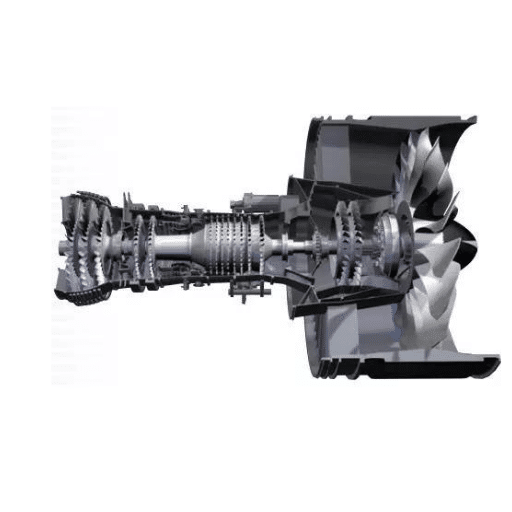
Nickel-based superalloys exist as high-performance materials which protect against extreme temperatures and mechanical stress and corrosive environments in demanding applications. The alloys consist of nickel as their main component while using specific quantities of chromium and cobalt and aluminum to improve strength and thermal stability and oxidation and creep resistance. The industries of aerospace and power generation and chemical processing depend on these materials because their special characteristics enable equipment to function properly under extreme operational situations.
Definition and Importance
Superalloys exist as high-performance alloys which scientists designed to create metallic materials that can endure extreme mechanical stress while their thermal creep deformation resistance protects their surface stability and their ability to withstand oxidation and corrosion remains intact during high-temperature conditions. The special performance abilities of these materials under harsh environments result from their distinct microstructure which metallurgists create through specific advanced metalworking techniques. Superalloys typically consist of a base element such as nickel, iron, or cobalt, which they enhance through controlled additions of chromium, molybdenum, aluminum, and titanium to achieve specific performance goals.
Superalloys provide essential functions to various critical industries which depend on their use for operational requirements. Aerospace companies use these materials to produce turbine blades and jet engines and rocket components because they can withstand temperatures above 1,000°C while preserving their strength and operational efficiency. According to industry reports, the global superalloys market size was valued at approximately $6.04 billion in 2022 and is projected to reach $8.6 billion by 2028, which represents a market growth rate of 6.1% annual growth rate. The materials of this system function as essential elements in power generation equipment which includes industrial gas turbines because their operational reliability and equipment lifespan determine both efficiency and cost-saving measures.
Superalloys deliver essential protection against extreme chemical conditions which exist in chemical processing and oil and gas operations, thus they help reduce both equipment downtime and the expenses associated with equipment upkeep. Scientists developed modern single-crystal superalloys which expand their practical applications through enhanced efficiency to combat thermal fatigue and provide extended creep resistance capabilities.
The development of advanced manufacturing methods for superalloys through additive manufacturing and powder metallurgy processes creates a foundation for future application advancements. Superalloys will remain a vital material for industrial applications because of these technological advancements.
📊 Key Market Statistics
Scope of the Guide
The study of superalloys is presented in this guide through an examination of their metal composition and their physical properties and their applications in systems that require performance assessment. The guide will showcase new developments in production methods which include additive manufacturing and powder metallurgy because these methods have achieved successful results in improving the mechanical and thermal characteristics of these materials. The guide will present scientific research data together with current research findings to demonstrate how the materials perform in extreme conditions which exist in high-temperature turbines and aerospace components and nuclear reactors.
Industry reports and research documents which were published in 2023 show that superalloy demand will increase at an annual compound growth rate of 8.7 percent until 2028. The aerospace industry relies on nickel-based superalloys because they make up more than half of advanced turbine blade weight which drives their demand. The research shows that modern superalloys provide exceptional creep resistance because they hold a strain rate between 10-12/s and 1000°C stress testing, which makes them vital for power generation and propulsion applications.
The guide will show how different scientific areas develop superalloys through material science and computational modeling and nanotechnology to create strong lightweight materials that provide energy-efficient performance. The technical framework with its recent statistics and case studies will provide readers an expert understanding about the current situation and upcoming developments in superalloy technology.
Significance in High-Performance Engineering
Superalloys serve as essential materials for engineering applications that require high performance because they offer outstanding mechanical strength and their ability to withstand thermal creep deformation and their capacity to resist oxidation at high temperatures. The aerospace and energy production and automotive manufacturing industries depend on these materials because they need systems that operate efficiently through all extreme operational conditions which their business requires.
The aerospace sector uses nickel-based superalloys to make up more than 50% of the weight for modern gas turbine engines. A recent study published in Materials Science Research found that advanced single-crystal superalloys now used in turbine blades achieved a 15% increase in engine efficiency during the past 20 years which led to significant reductions in fuel consumption and greenhouse gas emissions.
Superalloys serve a vital function in energy production because they provide essential materials for building industrial gas turbines and steam turbines which power power plants. According to the International Energy Agency (IEA) next-generation gas turbines now use advanced cobalt-based superalloys which enable operations at temperatures above 1,600°C. This development results in a 3% improvement of thermal efficiency compared to earlier systems.
Advances in additive manufacturing technology now enable broader use of superalloy materials in various applications. The development of 3D printing technology which allows for creating complex geometrical shapes has resulted in the production of lightweight components that maintain high strength. These components help to enhance performance in both automotive engineering and medical implant applications. Allied Market Research Market Analysis indicates that the global superalloy market will experience an 8.7% compound annual growth rate (CAGR) which will continue until 2030 when the market value is expected to reach $12.8 billion.
Understanding Nickel-Based Superalloys
Nickel-based superalloys function as essential components of high-performance materials which operate in conditions of extreme heat and mechanical stress. The materials contain nickel as their main component while different amounts of cobalt chromium aluminum titanium and molybdenum are used in their composition. The materials exhibit excellent performance capabilities which result from their controlled microstructure that contains a nickel-based solid solution gamma matrix and a gamma-prime Ni3(Al Ti) phase which provides high material strength and resistance against creep and heat.
⚙️ Key Properties and Applications
Nickel-based superalloys function as protective materials which shield against high temperature conditions in aircraft engines gas turbines and power generation systems. The materials maintain their mechanical properties when exposed to temperatures exceeding 1,000°C which makes them critical materials for aerospace applications and energy sector use. The materials develop superior oxidation and corrosion resistance because chromium and aluminum elements produce protective oxide layers which develop at high temperatures.
📈 Market Growth and Emerging Trends
The global demand for nickel-based superalloys is increasing because industries that need advanced materials for their operations have made progress in their production processes. Research and Markets (2023) released a report which predicts that the nickel-based superalloy market will experience a compound annual growth rate (CAGR) of 10.2% between 2023 and 2031 because of the growing demands from the aerospace and power and industrial sectors. The aerospace sector represents more than 50% of total superalloy usage because manufacturers are developing advanced turbine blade designs to improve fuel efficiency while decreasing emissions.
🔬 Material Innovations
The current progress in materials science shows that powder metallurgy and additive manufacturing methods enable researchers to control nickel-based superalloy microstructure and chemical composition precisely. The combination of these manufacturing methods enables designers to create complex shapes while decreasing production expenses which benefits both aerospace and medical fields. Researchers are studying rhenium and ruthenium as alloying elements to enhance fatigue resistance and high-temperature performance, but they need to overcome cost-effectiveness obstacles.
The most advanced materials engineering achievement exists in nickel-based superalloys which deliver exceptional performance under extremely difficult operational circumstances. The development of these materials remains essential because upcoming breakthroughs drive forward the goal of achieving sustainable solutions through better energy conservation practices and decreased environmental harm.
What are Nickel-Based Superalloys?
Nickel-based superalloys are high-performance metal alloys which exist first and foremost as nickel compositions that acquire strength through cobalt chromium and molybdenum elements and which maintain their mechanical strength while fighting oxidation under extreme temperature conditions used in aerospace and power generation applications.
Key Properties of Nickel Alloys
Nickel-based superalloys serve as vital materials for high-temperature operations which require high-stress performance in the aerospace and automotive and energy production sectors. The advanced materials show their operational capabilities through five essential characteristics which determine their performance capabilities.
High-Temperature Strength
Nickel alloys maintain their mechanical strength at high temperatures which reach above 1,000°C. This property is critical for applications like turbine blades in jet engines which operate under extreme thermal conditions.
Oxidation and Corrosion Resistance
The alloys demonstrate oxidation and corrosion resistance because their surface develops a protective oxide layer which protects them during high-temperature conditions. For example, the addition of chromium enhances resistance to oxidation which makes these materials suitable for harsh environments.
Creep Resistance
Nickel-based alloys show better protection against creep deformation which occurs when mechanical stress maintains constant pressure at high temperatures. This ensures long-term durability and reliability in critical components such as nuclear reactors and power plants.
Thermal Fatigue Resistance
Nickel alloys demonstrate the capability to endure multiple thermal cycles while maintaining their material integrity. This property ensures structural integrity in components subjected to rapid temperature changes such as exhaust manifolds and heat exchangers.
Excellent Weldability and Fabrication
The high strength and hardness of nickel alloys enable effective welding and fabrication processes which allow for the creation of complex shapes and accurate assembly of parts. The industrial applications of these materials have expanded through the development of additive manufacturing and other advanced manufacturing methods.
The combination of these properties explains the widespread adoption of nickel-based superalloys in advanced engineering systems which require both high performance and dependable operation.
Microstructure and its Impact
Nickel-based superalloys show changes in their mechanical characteristics because their microstructural composition determines both their thermal stability and their ability to endure difficult operating conditions. Materials exhibit specific behavior patterns during extreme environmental conditions which microstructure analysis can use to identify essential material elements. The following five points demonstrate how microstructure impacts nickel-based superalloys.
Nickel-based superalloys require microstructural property control because these properties determine their application performance in various engineering requirements.
Mechanical Properties of Nickel-Based Superalloys
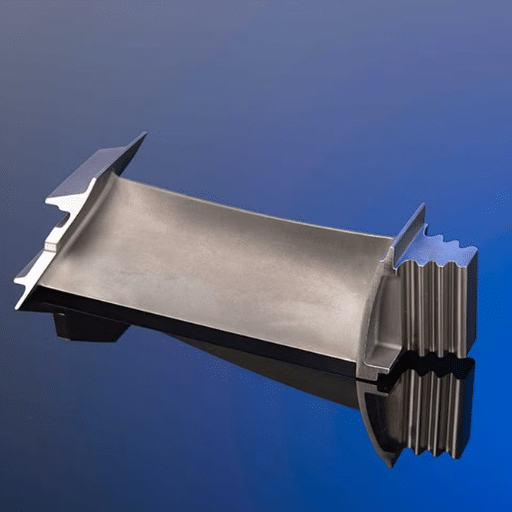
Nickel-based superalloys display exceptional mechanical properties which make them essential materials for high-performance applications that serve both aerospace and power generation sectors. Their distinct properties stem from their unique microstructure combined with their advanced alloying techniques. The section presents five essential mechanical characteristics of nickel-based superalloys which include all necessary information and measurement data.
🌡️ Thermal Resistance
Nickel-based superalloys show outstanding thermal resistance because they can be used in places where temperatures reach their highest possible limits. The material demonstrates this particular resistance because its unique microstructure and thermal stability elements create this effect. The thermal resistance of nickel-based superalloys depends on several crucial elements which include:
- High Melting Point: Nickel-based superalloys typically exhibit melting points above 1200°C to 1400°C which guarantees material integrity during use in high-temperature environments found in gas turbines and jet engines.
- Oxidation Resistance: The oxidation resistance of materials at high temperatures results from chromium and aluminum oxide-forming alloying elements which create a protective surface oxide layer.
- Creep Resistance: The alloys achieve creep resistance through the addition of strengthening phases which include gamma-prime (Ni3(Al, Ti)) and gamma-double-prime (Ni3Nb).
- Balanced Microstructure: The material maintains its balanced microstructure which prevents thermal expansion mismatches from causing fatigue cracks during rapid temperature fluctuations.
- Thermal Conductivity Control: The controlled composition of nickel alloys enables engineers to achieve accurate thermal conductivity control which is essential for effective heat management in turbine blades and exhaust system components.
💪 Mechanical Strength
Nickel-based superalloys serve as vital materials that protect high-stress environments because their mechanical strength remains unbroken when they face extreme temperature conditions. The microstructural design of their advanced materials allows the retention of structural integrity while their materials withstand mechanical stress. The alloy achieves strength through the formation of γ’ (gamma prime) phase which develops inside the FCC (face-centered cubic) structure. The phase typically consists of Ni3(Al, Ti) which produces coherent precipitates that block dislocation movement while providing strength enhancement up to 1,100°C.
Research shows that modern nickel superalloys achieve yield strengths which surpass 1,000 MPa (megapascals) at room temperature while sustaining strength between 500 and 800 MPa during operation at temperatures above 900°C. The alloy IN718 which turbine engines widely use exhibits a tensile strength of about 1,240 MPa and a yield strength of roughly 1,030 MPa when tested at standard room temperature.
The alloying methods which now exist together with new manufacturing techniques which include additive manufacturing and directional solidification methods have created substantial advancements for creep resistance. The improvements enable parts to endure mechanical wear during extended periods which leads to longer operational lifetimes for high-performance engine components and industrial machinery.
🔩 Fatigue Resistance
Nickel-based superalloys require fatigue resistance as a fundamental property to endure nonstop cyclic stress tests which last for lengthy periods until their structural integrity breaks down. This characteristic proves vital for equipment which undergoes continuous mechanical stress found in jet engine components and turbine blades. The following sections describe five specific factors which enhance nickel-based superalloys’ ability to resist fatigue:
- Microstructural Stability: The microstructural stability of nickel-based superalloys remains intact because γ’ (gamma prime) precipitates provide a strengthening effect during extended cyclic loading. Precipitates function as obstacles which block dislocation movement thereby diminishing material deformation during multiple stress cycle tests.
- Oxidation and Corrosion Resistance: Materials maintain their mechanical strength at high temperatures because they resist surface degeneration which occurs through oxidation and corrosion. The oxide layers which protect surfaces from environmental damage help to extend fatigue life because they preserve surface strength.
- Directional Solidification and Single-Crystal Structures: The manufacturing process of directional solidification which produces single-crystal superalloys enables the creation of materials which lack grain boundaries that would otherwise start fatigue cracks during cyclic testing. The material now shows enhanced capacity to protect itself against various forms of stress testing.
- Thermal Fatigue Resistance: The material achieves successful prevention of thermal fatigue cracks through its capacity to maintain high thermal stability during multiple heating and cooling cycles. The alloy maintains stable characteristics throughout temperature changes which enhances its operational dependability.
- High-Cycle and Low-Cycle Fatigue Performance: Nickel-based superalloys are designed to maintain their strength during high-cycle fatigue (HCF) tests and low-cycle fatigue (LCF) tests. HCF provides protection for extended periods in applications that combine low stress with high-frequency usage while LCF capability enables systems to endure high-stress situations that occur at low-frequency intervals.
Applications of Nickel-Based Superalloys
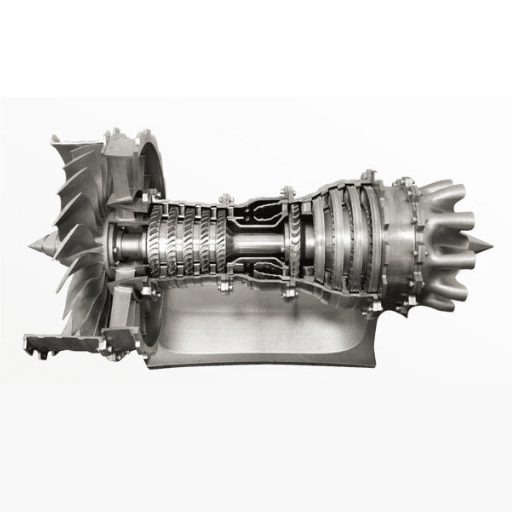
Superalloys, which are made from nickel-based materials, deliver vital operational benefits because they retain their strength when exposed to extreme environmental conditions found in advanced engineering applications. The materials show their best performance in these five main industrial uses:
Aerospace Turbine Engines
Aerospace turbine blades and discs use nickel-based superalloys because these materials maintain their strength while preventing oxidation at temperatures above 1,000°C. The present-day nickel-based superalloys exhibit creep resistance which allows turbine blades to endure over 100 MPa of stress during prolonged time periods at elevated temperatures without compromising jet engine functionality.
Industrial Gas Turbines
The superalloys find extensive use in energy generation systems through their application in combustion chambers and blades and vanes. Power plants achieve operational efficiency and lasting performance because their systems maintain thermal stability at high temperatures and their materials protect against thermal cycling between extreme temperatures.
Automotive Turbochargers
High-performance automotive engines require nickel-based superalloys for turbocharger turbine wheels because these materials must endure intense heat that exhaust gases produce during long periods of thermal and mechanical stress. The implementation of this application leads to an enhancement in vehicle performance, which results in decreased emissions.
Nuclear Power Plants
Engineers use nickel-based superalloys to build essential reactor components, including heat exchangers and control rod assemblies, because these materials provide excellent resistance to neutron irradiation and thermal conductivity and long-lasting stability under high-temperature and pressurized conditions. The industry uses alloys such as Hastelloy® and INCONEL® for these applications.
Chemical Processing Equipment
Chemical processing plants prefer nickel-based superalloys because these materials demonstrate outstanding resistance to severe environments which include strong acidic and oxidizing conditions. The material provides value to reactor components and piping systems and heat exchangers because it maintains its integrity through extended contact with corrosive substances which results in decreased equipment failures and lower operational expenses.
✈️ Aerospace Industry
The aerospace industry uses nickel-based superalloys because these materials can handle the extreme thermal and mechanical and oxidative pressures which occur during operational conditions. Jet engines require these materials as essential components because they can endure temperatures exceeding 2,000°F while maintaining corrosion resistance. Industry reports show that advanced gas turbine engines use nickel-based superalloys as their main material which makes up about 50-60% of their total weight because these superalloys can maintain their mechanical properties when exposed to high temperatures.
Superalloys create essential components which include turbine blades and discs and combustors to enhance system reliability while enabling machines to operate efficiently for extended periods. The nickel-based superalloy turbine blade can endure more than 10,000 RPM rotational speeds while it maintains its shape during high-stress situations. Engineers can use the materials’ thermal properties to operate engines at higher temperatures which produces better fuel efficiency and lower carbon dioxide emissions.
The aerospace industry now uses nickel-based superalloys through recent developments in additive manufacturing. The industry now has a 3D printing technology which enables precision-engineered components to be produced with reduced waste and faster production times, while maintaining the strict tolerances and rapid development cycles which the industry demands. The aerospace industry benefits from their use because the technology enables designers to develop aircraft which require less fuel for their operations.
Market Data: The aerospace superalloy market generated approximately $6.5 billion in revenue during 2022, and the market expects to expand because of rising needs for new aircraft and improvements in high-performance engine systems. The aerospace industry depends on nickel-based superalloys which enable technological advancements to satisfy present aviation needs.
⚡ Power Generation Sector
Nickel-based superalloys serve as essential materials for power generation because they enable the development of advanced gas turbines and high-temperature equipment. Power generation needs these materials because their mechanical strength and thermal creep resistance and extreme environmental performance capabilities enable energy production efficiency.
Recent data shows that the global gas turbine market size reached approximately $20 billion in 2022 and will grow at a compound annual growth rate (CAGR) of around 5.1% from 2023 to 2030. The market expands because developing economies need power generation systems which produce low emissions and high efficiency. Superalloy turbines use high-temperature operation which Nick-based superalloys enable to achieve improved thermal efficiency and decreased fuel consumption for power generation.
The researchers and developers work to create better superalloy materials by developing new alloy compositions which will improve their resistance against oxidation and corrosion and their overall durability. The advanced coating technologies of gas turbines work together with additive manufacturing methods to create faster production processes and better component performance. The power generation industry depends on these innovations from nickel-based superalloys because they fulfill today’s energy needs through sustainable energy solutions.
🚗 Automotive Applications
Nickel-based superalloys serve a crucial function in the automotive sector which requires components that need to withstand high temperatures while maintaining their strength and facing wear and tear and showing high durability. Automotive engineers require these materials to develop essential solutions which enable them to create better vehicle performance while achieving better fuel efficiency and lower emissions. The automotive industry uses nickel-based superalloys in these five main applications:
| # | Application | Details |
|---|---|---|
| 1 | Turbocharger Components | Manufacturers use nickel-based superalloys to create turbine wheels and housings which form the core components of turbochargers. The components need the superalloys’ high heat resistance and creep strength because the components face both extreme temperature conditions and fast rotational pressures. Nickel-based alloys enable modern turbochargers to function at temperatures above 1,000°F (538°C) while maintaining their performance and reliability. |
| 2 | Exhaust Valves | Automotive exhaust valves experience high temperatures and corrosive exhaust gases during engine operation. Manufacturers use nickel superalloys such as Nimonic to produce exhaust valves because these materials provide long-lasting performance and protect mechanical properties when exposed to high temperatures and chemical elements. |
| 3 | Fuel Injectors | Nickel superalloys protect fuel injector components from corrosion while they maintain their operational performance during high-pressure and combustion testing conditions. These materials support the increasing trend of direct fuel injection systems which demand reliable durability in extreme environments. |
| 4 | EV Battery Connectors | Electric vehicle manufacturers use nickel-based alloys to create battery connectors and terminals because these materials provide excellent conductivity and corrosion resistance and mechanical strength. The advanced lithium-ion battery systems need this. It helps to achieve long battery life and efficient energy transfer. |
| 5 | Thermal Insulation Shields | High-performance vehicles use nickel-based superalloys to create heat shields and thermal barriers because these materials maintain their protective properties under extreme temperature conditions. This leads to improved vehicle safety and efficiency. |
Fabrication and Manufacturing Challenges
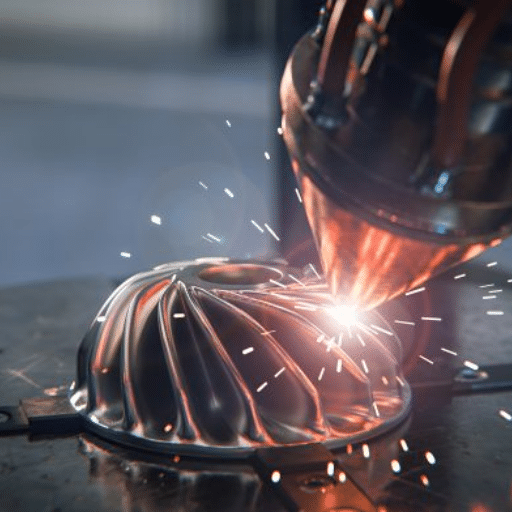
Nickel-based superalloy manufacturing process face multiple difficulties because their chemical composition and mechanical characteristics create intricate technical problems. The materials display exceptional strength performance at elevated temperatures because their oxidation resistance results from precise alloying techniques and microstructure control. The same characteristics that provide these materials their exceptional properties create major problems for operating during machining, forming, and joining activities.
Nickel-based superalloys become difficult to machine because their materials develop work hardening and their low thermal conductivity results in high cutting forces. Research shows that these characteristics result in fast tool deterioration together with variable surface quality, while tools last 20% shorter time than they do when cutting standard steels. The solution to these problems needs advanced machining methods which include coated carbide tools and cryogenic cooling and adaptive machining approaches.
Additive manufacturing (AM) has emerged as a promising production method for these materials because it enables the creation of products that require almost no extra material and it minimizes waste and produces intricate shapes. The two main techniques for manufacturing nickel-based superalloy components are Direct Metal Laser Sintering (DMLS) and Electron Beam Melting (EBM). The latest research shows that additive manufacturing processes achieve waste material reductions of 70% through their operations which makes them an environmentally friendly choice for producing high-value alloys.
Different challenges face joining methods because welding and brazing operations with nickel-based superalloys create hot cracking problems and result in microstructural instability and lead to diminished joint strength. The research team develops and refines laser welding and friction stir welding methods to overcome current technology constraints while enhancing welded joint quality.
⚠️ Note: Nickel-based superalloy processing in contemporary times demands excessive resources because manufacturing technology has not yet achieved its complete development. The industrial implementation of these essential materials needs continued research funding which will develop high-performance cutting tools and advanced AM technologies and improved process control systems.
Common Fabrication Techniques
Casting
Manufacturers widely use investment casting for superalloy production because it effectively creates turbine blades and complex industrial components. The process produces intricate shapes through its accurate execution which maintains precise measurements for all developed shapes. The advanced casting techniques of directional solidification and single-crystal casting produce components which show improved high-temperature strength and reduced creep through their elimination of grain boundaries. The precision casting industry for superalloys will expand at a compound annual growth rate exceeding 7.5 percent until 2030 because it serves a vital function for both aerospace and power generation sectors.
Powder Metallurgy (PM)
The process begins with the compacting of superalloy powders into specific shapes which undergo sintering at elevated temperature and pressure conditions. Powder metallurgy creates consistent microstructure patterns which lead to decreased defects that include porosity. The integration of advanced hot isostatic pressing HIP techniques enables the production of materials with improved density and mechanical characteristics. The research indicates that PM provides maximum efficiency for jet engine components because fine grain structures enhance resistance to fatigue.
Additive Manufacturing (AM)
The manufacturing process for nickel-based superalloys undergoes a transformation through the implementation of AM which includes laser powder bed fusion LPBF and electron beam melting EBM technology. The technologies enable fast prototype development together with the ability to produce complex shapes which result in lower material waste when compared to conventional manufacturing techniques. The global market for 3D printing of superalloys will reach over 12 billion dollars by 2028 according to recent data which shows its growth will result from aerospace and medical sector applications. The mechanical properties of materials display directional differences because of existing challenges related to mechanical anisotropy in the materials.
Machining and Finishing
Nickel-based superalloys require special machining techniques which need dedicated tools because their extreme hardness together with their poor heat conduction capacities. The manufacturing industry uses polycrystalline cubic boron nitride (PCBN) and ceramic tools because these materials provide better protection against wear. Advanced cooling systems which include cryogenic cooling and minimum quantity lubrication (MQL) systems have proven effective at decreasing heat output while increasing tool life. Studies show that cryogenic cooling enables a 30% extension of tool lifespan which occurs during the machining process of nickel-based superalloys.
Welding and Joining
Welding these materials creates operational challenges which must be solved to enable construction of larger components. The industry commonly utilizes gas tungsten arc welding (GTAW) and laser beam welding as standard welding techniques. The procedure of post-weld heat treatment (PWHT) is necessary to reduce thermal stresses while enhancing the bonding strength of the welded joints. Friction stir welding (FSW) has reached modern advancements which improve welding strength while reducing defects present in weld joints.
The implementation of advanced fabrication methods enables industries to enhance both performance and dependability of their nickel-based superalloy components. The development of these fields continues to provide essential support for aerospace systems which operate at high temperatures and high stresses together with energy solutions and the entire industry.
Challenges in Processing Nickel Alloys
The process of processing nickel-based superalloys results in significant difficulties because their physical characteristics and chemical properties create particular challenges. The main challenge arises from their combination of elevated strength and hardness which denotes optimal performance in extreme conditions yet prevents operators from using standard machining techniques to shape the material. Nickel alloys show exceptional shear strength but experience decreased efficiency in manufacturing operations because their mechanical properties remain intact at high temperatures which causes excessive tool wear.
Welding operations face their second major obstacle because hot cracking occurs during the welding process. Nickel alloys frequently develop weld zone cracks because their microstructure needs particular treatment while their grain boundaries experience liquation. Scientific reports indicate that this is particularly prevalent in alloys with high aluminum or titanium content which enhance mechanical strength but compromise weldability. This necessitates precise control over welding parameters to mitigate defect formation.
The practical use of nickel alloys benefits from their oxidation and corrosion resistance but this property creates challenges during chemical etching and material joining processes. Technicians need to execute careful oxide removal from oxide layers that developed on surfaces during high-temperature processing to achieve successful coating and bonding operations.
A technical study published in 2023 by Materials Science Research Journal reports that the machinability of nickel superalloys is further impacted by their low thermal conductivity which results in the concentration of heat at the cutting zone. Cutting tools sustain work hardening and thermal damage through the process which results in both work hardening and thermal damage. Industrial case studies show that advanced tools and cooling systems increase machining costs for nickel alloys by 30% compared to stainless steels.
The solution to these challenges needs the combination of three specific methods which include adaptive cutting strategies and precision welding technologies and strict thermal management protocols. The research about additive manufacturing methods which include laser powder bed fusion and directed energy deposition demonstrates potential because it decreases material waste and creates complex shapes while reducing heat stress. The complete removal of these obstacles which block industries from using nickel superalloys will enable businesses to reach their maximum performance capabilities.
Innovations in Superalloy Fabrication
The aerospace power generation and chemical processing industries need materials that can withstand extreme environmental conditions and maintain their strength so scientists created new superalloy production methods through their latest research discoveries. The research achievements of this study include scientists creating novel computational modeling techniques which accelerate alloy research through their ability to predict material behavior and development across diverse operational conditions. The CALPHAD (CALculation of Phase Diagrams) software has been used to enhance new superalloy developments by its capacity to model phase changes and material stability.
🖨️ Additive Manufacturing (AM)
Additive manufacturing (AM) has become a revolutionary technology which provides designers with new possibilities for creating products while using materials more efficiently. The National Institute for Standards and Technology (NIST) conducted a 2021 study which found that laser powder bed fusion (LPBF) successfully produced nickel-based superalloys with more than 99.9% density and only minor porosity defects. LPBF technology allows designers to create complex structures through its method which constructs objects layer by layer, resulting in a 50% decrease of material waste when compared to traditional methods of material removal. The directed energy deposition (DED) process is currently utilized to repair essential parts which helps prolong the lifespan of high-cost components such as turbine blades.
🛡️ Thermal Barrier Coating (TBC)
The development of thermal barrier coating (TBC) materials has created new possibilities to enhance superalloy performance. The latest ceramic thermal barrier coating systems use nanostructured yttria-stabilized zirconia (YSZ) coatings, which demonstrate thermal shock protection and establish a thermal barrier that lowers surface temperatures between 200 and 300 degrees Celsius. The equipment operational life extension benefit, which results from the process temperature reduction, enables critical advantages to technology development by extending equipment functionality.
🤖 Machine Learning & Real-Time Monitoring
The manufacturing process now benefits from real-time monitoring and predictive maintenance because machine learning together with big data analytics has been implemented. The research conducted at GE Aviation’s manufacturing plants shows that AI-based systems use production line sensor data to detect defects during the early stages which leads to a potential production increase of 15%. The combination of these innovations demonstrates ongoing development in superalloy production which creates advanced solutions for extreme temperature and pressure applications. Future advancements will likely continue to focus on improving sustainability and efficiency while pushing the boundaries of performance.
Frequently Asked Questions (FAQ)
📚 References
- Nickel-Based Superalloys — A comprehensive overview of nickel-based superalloys, their properties, and applications.
- Nickel-Based Superalloys for Advanced Turbine Engines — A detailed review of the chemical, physical, and mechanical characteristics of nickel-based superalloys, with a focus on turbine engine applications.
- High-performance Nickel-based Superalloys for Additive Manufacturing — Discusses the microstructural design and high-temperature performance of nickel-based superalloys in additive manufacturing.
These advancements demonstrate how superalloys function as fundamental components that drive technological progress while allowing engineers to develop systems which achieve operational success through efficient sustainable performance in challenging situations.