


Blog
304 vs. 316 Stainless Steel: Choosing the Right Grade for Marine Environments

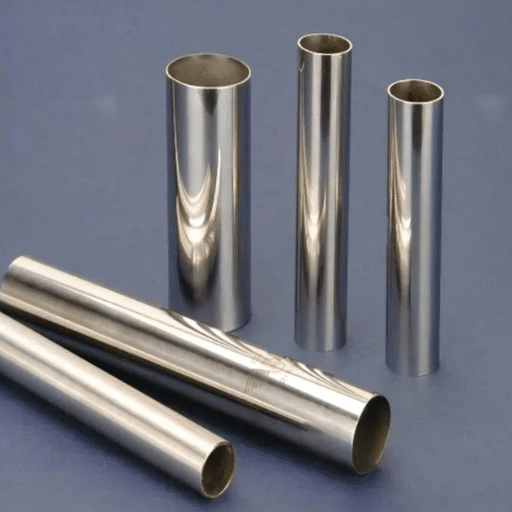
Introduction to Stainless Steel in Marine Applications

The marine industry uses stainless steel because it provides exceptional corrosion protection and strong structural integrity and long-lasting performance. The most commonly used grades are 304 and 316 which both deliver high performance in difficult environmental conditions.
Grade 304
Offers better cost efficiency for basic needs and performs well in standard environmental conditions.
Grade 316
Better for extended exposure to demanding marine environments. Molybdenum content improves resistance against saltwater corrosion.
Importance of Material Selection
The project performance duration and budget efficiency depend on the chosen construction materials. The product achieves required safety standards through appropriate material selection which enables it to endure environmental conditions while reducing maintenance costs throughout its lifespan. The following five factors represent essential criteria which must be assessed during material selection processes.
-
1
Corrosion Resistance
The 304 and 316 stainless steel grades deliver exceptional protection against corrosion for all stainless steel materials. The 316 stainless steel alloy shows superior performance in marine settings because its molybdenum content enables it to withstand saltwater exposure.
-
2
Mechanical Strength
Materials need strength to handle both high stress levels and heavy weight demands. Structural applications require materials that possess both high tensile strength and high yield strength to maintain structural safety.
-
3
Temperature Tolerance
Specific applications need materials which can endure both extreme high temperatures and extreme low temperatures. High-temperature environments such as furnaces and engines commonly use heat-resistant alloys and ceramics.
-
4
Cost-Effectiveness
Organizations need to find a balance between their operational requirements and their available financial resources. Organizations should choose steel or aluminum for applications that need basic performance requirements instead of advanced materials which include titanium and composite polymers.
-
5
Environmental Impact
Modern society must address environmental sustainability as a fundamental issue which requires resolution. The selection of materials in contemporary projects depends on materials which can be recycled and biodegradable materials and products with low environmental production impact.
All project requirements must be met by these factors to achieve both successful results and sustainable project outcomes.
Overview of 304 and 316 Stainless Steel Grades
The two most widely used stainless steel grades 304 and 316 exhibit exceptional resistance to corrosion and show high durability while maintaining diverse application capabilities. The two materials exhibit different characteristics because their composition and performance attributes and preferred usage scenarios differ.
Comparison of 304 vs. 316 Stainless Steel
| Property | 304 Stainless Steel | 316 Stainless Steel |
|---|---|---|
| Corrosion Resistance | Good | Excellent (superior resistance to chlorides and saline environments) |
| Molybdenum Content | None | 2–3% |
| Cost | More affordable | Slightly more expensive |
| Applications | General-purpose use, food-grade equipment, appliances | Marine, chemical, and medical industries requiring high corrosion resistance |
💡
The 316 stainless steel grade serves as the best option for extreme and corrosive conditions while 304 stainless steel provides a budget-friendly solution which functions in various applications.
Key Factors for Marine Environments
The selection of materials for marine environments requires multiple key factors which must be evaluated when assessing their ability to endure and function properly. The following five elements represent essential elements which must be considered for their successful accomplishment.
Corrosion Resistance
Marine environments experience high corrosion levels because of their saltwater and excessive humidity conditions. The composition of 316 stainless steel enables its material to resist pitting and crevice corrosion because of its elevated molybdenum content.
Mechanical Strength
The material needs to handle dynamic forces and loads and pressures which depend on the operational requirements. Materials which demonstrate strong performance capabilities will maintain their original shape throughout their entire service life.
Longevity and Maintenance
The material should have an extended lifespan with minimal maintenance needs. The use of resistant coatings or alloys which can withstand extreme conditions will lead to decreased costs for future maintenance.
Temperature Resistance
Marine environments may involve fluctuating temperatures and exposure to UV radiation. Materials which possess excellent thermal stability will keep their functionality during these temperature conditions.
Cost Versus Performance
The process of achieving performance requirements needs careful assessment of both costs and performance specifications. The use of 316 stainless steel as an expensive material decreases the rate of corrosion-related failures yet it raises initial costs in comparison to 304 stainless steel.
Marine applications require proper material selection to achieve maximum operational performance and safe operations while generating business profits.
Chemical Composition Differences
The chemical compositions of 304 and 316 stainless steel show fundamental performance differences which determine their usefulness in various industrial applications. The following list presents five major chemical composition differences between two materials.
| Element | 304 SS | 316 SS | Role |
|---|---|---|---|
| Chromium (Cr) | 18.0–20.0% | 16.0–18.0% | Creates protective oxide layer against corrosion |
| Nickel (Ni) | 8.0–10.5% | 10.0–14.0% | Enhances toughness and oxidation/corrosion resistance |
| Molybdenum (Mo) | None | 2.0–3.0% | Protects against pitting and crevice corrosion in chloride environments |
| Carbon (C) | ≤ 0.08% | ≤ 0.08% | Determines stress endurance and machining capability |
| Manganese (Mn) | ≤ 2.0% | ≤ 2.0% | Enhances strength, hardness and removes oxygen during production |
The different chemical compositions of the two materials provide 316 stainless steel with better protection against corrosion in aggressive environments. The cost-effective 304 stainless steel option remains popular because it delivers multiple applications in situations that need basic performance standards.
Understanding Molybdenum’s Role
Stainless steel requires alloying elements that include molybdenum because these elements deliver essential strength together with protection against corrosion while enduring extreme temperatures. The 316 stainless steel material achieves better properties through molybdenum addition than its 304 stainless steel counterpart. Molybdenum performs five essential functions, which include the following activities:
- 1
Enhanced Corrosion Resistance
Molybdenum provides better protection against pitting and crevice corrosion through its superior effectiveness within environments that contain high chloride levels found in saltwater and industrial chemical facilities.
- 2
Improved Strength at Elevated Temperatures
Molybdenum enables stainless steel to maintain its mechanical strength and structural integrity when exposed to high-temperature environments.
- 3
Resistance to Acidic Environments
The material protects against various acidic substances which include sulfuric acid making 316 stainless steel the ideal choice for chemical processing equipment.
- 4
Better Weldability
Molybdenum present in the material prevents carbide precipitation from occurring during welding, which results in stronger weld joints.
- 5
Longevity in Harsh Conditions
Molybdenum-containing alloys provide extended operational life through their superior durability and corrosion resistance, which enables their use in demanding conditions within marine and pharmaceutical and food processing operations.
Molybdenum establishes itself as a critical element because it determines the advanced properties of 316 stainless steel, which exceed those of 304 steel.
Corrosion Resistance in Marine Environments
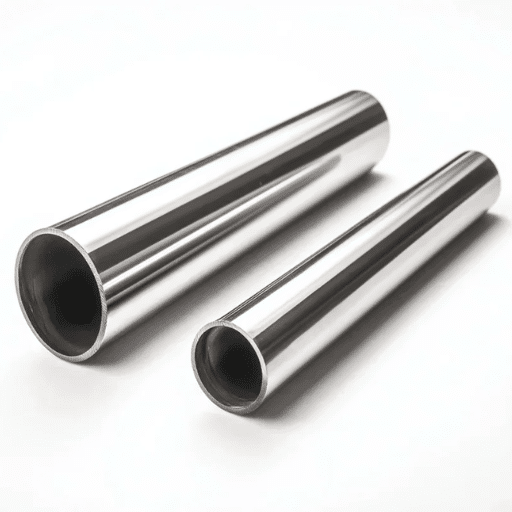
Engineers select stainless steel 304 and 316 for their projects because these materials provide outstanding protection against corrosion. The following list contains five essential elements which describe their ability to resist damage.
Corrosion Resistance of 304 Stainless Steel
304 stainless steel serves multiple industrial purposes because it provides superior resistance to corrosion across all environmental conditions. The material performs best under normal working conditions which do not require extreme environmental conditions.
- ✓Resistance to General Atmospheric Conditions: The material shows strong protection against rusting when it faces standard atmospheric conditions which occur in both urban and rural areas.
- ✓Performance in Fresh Water Environments: The material functions effectively in fresh water systems because it protects against corrosion in both plumbing and drinking water applications.
- ✓Resistance to Oxidation at Elevated Temperatures: The material maintains its structural integrity through intermittent oxidation tests which reach 870°C (1598°F) while continuous testing reaches 925°C (1697°F).
- ✓Low-level Chloride Environments: The material withstands chloride-containing environments which include common tap water and mild cleaning solutions because it resists severe pitting and crevice corrosion.
- ✓Acidic Resistance in Moderate Conditions: The material shows acid resistance against nitric acid and other less powerful acids when exposed to moderate temperature and concentration conditions.
Corrosion Resistance of 316 Stainless Steel
The combination of superior chemical properties which includes molybdenum in 316 stainless steel creates a material with outstanding resistance to corrosion. The material exhibits five essential characteristics which demonstrate its ability to resist corrosion.
- ✓Resistance to Chloride Pitting and Crevice Corrosion: The 316 stainless steel material exhibits strong protective capabilities against corrosion which occurs in saltwater environments that have elevated chloride concentrations.
- ✓Chemical Processing Performance: The material maintains effectiveness for chemical processing applications because it sustains operational performance during acidic environments that involve controlled temperature and concentration exposure to sulfuric acid and hydrochloric acid.
- ✓Oxidation Resistance: The material maintains oxidation resistance during intermittent service up to 870°C (1598°F) and continuous service up to 925°C (1697°F) which enables operation in extreme temperature conditions.
- ✓Industrial Environment Protection: The 316 stainless steel material displays protective capabilities which prevent industrial pollutants from causing corrosion through exposure to urban and industrial environments which contain sulfur compounds and various chemicals.
- ✓Superior Seawater Resistance: The material shows superior corrosion resistance against seawater which allows 316 stainless steel to become the top material choice for marine and coastal applications.
The properties of 316 stainless steel provide essential value to extreme working conditions which demand materials that need to withstand both strength tests and corrosive damage.
Saltwater vs. Freshwater Performance
🌊 Freshwater
The material shows strong resistance against all types of corrosion in freshwater environments which include rivers, lakes and reservoirs. The freshwater environment contains low chloride levels which decrease the likelihood of pitting and crevice corrosion from occurring. Freshwater applications need only basic maintenance procedures which maintain the material’s structural integrity.
🌊 Saltwater
The high chloride levels in saltwater environments create a more dangerous environment which increases the chances of pitting corrosion occurring. The presence of molybdenum in 316 stainless steel enhances its protection against corrosive damage which makes the material suitable for marine applications. Saltwater applications require constant maintenance work to eliminate salt buildup which helps protect against possible localized corrosion problems.
The material shows high durability across both environments but its saltwater lifespan decreases when maintenance fails to maintain proper conditions while the material functions indefinitely in freshwater. The material properties and data establish 316 stainless steel as a strong material choice for various environments which require special saltwater performance measures to achieve peak operation.
Durability and Lifespan Expectations
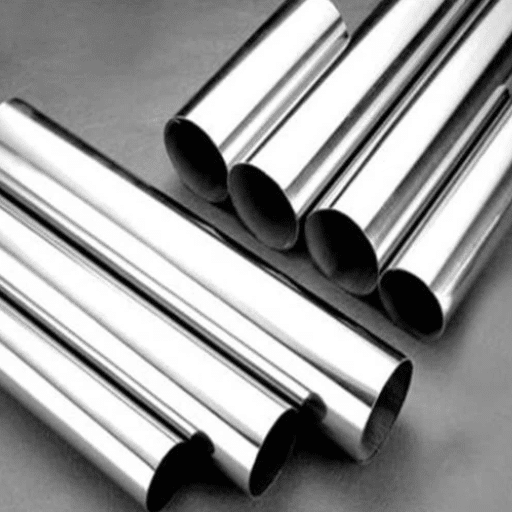
316 stainless steel has established itself as a material which shows outstanding strength and extended service life in numerous industrial applications. The material maintains its complete structural integrity because it can withstand both wet environments and chemical exposure and extreme temperature variations.
20–30
Years in Freshwater
With proper maintenance
10–15
Years in Marine
With regular maintenance & protection
5–15
Years Underwater
Permanent saltwater exposure
Durability of 304 Grade Stainless Steel
The material 304 grade stainless steel displays exceptional durability which makes it one of the most adaptable materials used throughout different industrial applications. The unique composition of the material which contains 18% chromium and 8% nickel provides exceptional protection against corrosion and oxidation in various environmental conditions. The following elements determine the long-lasting endurance of 304 grade stainless steel.
- ◆
Corrosion Resistance: The 304 stainless steel material protects against rust and corrosion which makes it suitable for areas that experience moderate water contact and industrial chemical and pollutant exposure. The product operates most effectively when used in kitchen appliances and food processing equipment.
- ◆
High Tensile Strength: The tensile strength of 304 stainless steel reaches 72,000 psi which enables the material to sustain high stress conditions while delivering extended performance in challenging operational environments.
- ◆
Heat Resistance: The material maintains its structural integrity at temperatures reaching 1,697°F because it can withstand high temperatures which makes it suitable for use in heat exchangers and industrial ovens.
- ◆
Ease of Fabrication: The 304 stainless steel material can be easily shaped through welding and processing methods which maintain its structural strength. The material becomes more useful for various design projects and structural applications through its extended fabrication capabilities.
- ◆
Resistance to Wear and Tear: The combination of toughness and hardness found in 304 stainless steel provides protection against scratches and dents which enables the material to last longer in places with heavy foot traffic.
The combination of these properties establishes 304 grade stainless steel as a reliable material which businesses can use in construction projects and medical research facilities and aerospace engineering work.
Durability of 316 Grade Stainless Steel
The material exhibits five essential characteristics which demonstrate its ability to withstand wear over time.
- ◆
Superior Corrosion Resistance: Molybdenum content in 316 stainless steel enables the metal to resist corrosion attacks which occur in marine environments that contain high chloride levels.
- ◆
High-Temperature Strength: The grade proves suitable for high-heat industrial applications because it retains its mechanical properties during temperature increases.
- ◆
Pitting and Crevice Corrosion Resistance: Molybdenum content in 316 stainless steel enables the metal to resist pitting and crevice corrosion which typically takes place in saline or chemically aggressive environments.
- ◆
Longevity in Harsh Environments: The material maintains exceptional strength during extreme weather conditions while providing protection against chemical attacks from acids and alkalis which enables it to sustain demanding situations throughout extended periods.
- ◆
Resistance to Physical Damage: The material exhibits high strength against physical impacts and scratches and wear damage which makes it ideal for environments that demand continuous strength maintenance.
The industrial sectors of marine operations and chemical processing and food manufacturing and pharmaceutical production have selected 316 grade stainless steel because its properties satisfy their requirements for durability and dependable performance.
High-Salinity Environment Lifespan
The saltwater durability of 316-grade stainless steel relies on three main factors which include its actual saltwater exposure and the effectiveness of its maintenance practices and the environmental conditions that prevail. The 316 stainless steel design maintains its resistance to saltwater and chloride corrosion because its molybdenum content reaches high levels. The product serves as an ideal solution for marine purposes which include shipbuilding and offshore platforms and seawater desalination facilities.
Research studies demonstrate that 316 stainless steel maintains its structural strength for several decades in saltwater environments which extends its lifespan beyond 10 to 20 years when proper maintenance occurs. The material experiences pitting corrosion which leads to reduced lifespan because salt and contaminants build up when users neglect to perform regular cleaning and inspection tasks. The underwater environment causes 316 stainless steel to have a lifespan which lasts between 5 years and 15 years because of permanent saltwater exposure and inadequate maintenance methods.
🔬 Key Research Finding
Testing shows that 316 stainless steel outperforms 304 stainless steel in environments with high chloride levels because it displays more than two to three times better protection against localized corrosion which includes pitting and crevice corrosion.
The application of periodic passivation processes together with coating applications and protective seals results in increased durability which enables effective performance under demanding conditions. The 316 stainless steel shows high resistance to damage yet its complete lifespan potential in high-salinity environments depends on the execution of maintenance tasks and the implementation of protection methods.
Cost-Benefit Analysis for Marine Applications
The evaluation of 316 stainless steel as a marine material requires researchers to perform a cost-benefit study which evaluates both its operational costs and its operational advantages. The cost-benefit analysis assessment provides a comprehensive analysis through its examination of essential elements that follow below.
| Factor | Cost | Benefit |
|---|---|---|
| Initial Material Cost | The upfront cost of 316 stainless steel is higher compared to other grades, such as 304 stainless steel or carbon steel. | The product’s superior corrosion protection shows that it uses less time for maintenance work which results in increased financial savings throughout its entire lifespan. |
| Maintenance Requirements | The need for periodic cleaning and the need for occasional passivation will increase total maintenance costs. | The proper maintenance of 316 stainless steel will enable it to maintain its full structural strength which results in reduced ownership costs throughout its operational lifespan. |
| Lifespan and Durability | The higher cost of manufacturing is reflected in products built to withstand extreme marine environments. | The material’s exceptional lifespan offsets higher initial investments, as it is less likely to fail under harsh conditions such as high salinity, moisture, and temperature changes. |
| Performance Reliability | The design process and manufacturing process for marine-specific applications will lead to extra expenses. | The superior reliability of 316 stainless steel ensures its continuous performance in essential shipbuilding and offshore development projects which leads to decreased operational risks. |
| Environmental Sustainability | The production process of 316 stainless steel requires energy and resource consumption that exceeds the requirements of lower-grade materials. | The material’s recyclability provides an environmentally friendly choice that supports sustainable engineering methods while decreasing waste throughout its entire life cycle. |
The analysis of these factors shows that 316 stainless steel provides an economical solution for marine use because of its dependable performance and extended lifespan and ecological advantages.
Cost Comparison of 304 vs. 316
The evaluation process for comparing stainless steel 304 and 316 material costs needs to assess both the initial material costs and the total value which each material delivers during its operational life.
- Material Cost: Stainless steel 304 costs less than stainless steel 316 because it contains reduced amounts of nickel and molybdenum. The average price of 304 stainless steel costs 15 to 20 percent less than the price of 316 stainless steel.
- Corrosion Resistance: The corrosion resistance of 316 stainless steel performs better than other materials because it protects against saltwater and extreme conditions which result in reduced need for maintenance throughout its service life.
- Durability and Lifespan: The extended service life of 316 stainless steel makes it suitable for critical applications which require high performance although 304 stainless steel maintains its strength through its operational period.
- Fabrication Costs: Both stainless steel grades allow for simple fabrication processes but 316 stainless steel requires higher expenses because of its additional material density and strength.
- Recyclability and Sustainability: Both 304 and 316 stainless steels maintain a high recycling rate yet 316 stainless steel creates less waste because of its extended operational period which protects environment resources.
The evaluation of each factor determines which stainless steel grade between 304 and 316 provides better cost efficiency for particular use cases. The 304 stainless steel grade meets requirements for basic applications while 316 stainless steel represents an essential asset for demanding work environments.
Benefits of Investing in 316 Stainless Steel
- +The primary advantage of 316 stainless steel comes from its exceptional ability to withstand corrosive materials in severe environmental conditions. The material protects against pitting and crevice corrosion through its two to three percent increase in molybdenum content which makes it suitable for use in marine environments and chemical processing facilities.
- +The extended lifespan of 316 stainless steel results from its exceptional resistance to extreme conditions which enables it to outlast lower-grade steels such as 304. The extended lifespan of equipment decreases the need for replacements which results in cost savings for construction and food processing industries.
- +The material exhibits excellent performance at high temperatures. The material can endure temperature extremes between 800 and 1600 degrees Fahrenheit which corresponds to 427 and 871 degrees Celsius, making it appropriate for heat exchangers and boiler systems and areas with rapid temperature changes.
- +The non-porous surface of 316 stainless steel alongside its simple cleaning process makes it ideal for use in medical facilities and pharmaceutical production and food processing machines. The material maintains product safety through its inert properties which fulfill strict hygienic standards.
- +316 stainless steel presents an appealing polished appearance which provides high protection against tarnishing, thus preserving its visual charm throughout its existence. The material exhibits multiple uses because it can be welded and shaped, which makes it suitable for architectural applications and industrial manufacturing processes.
Long-term Value Considerations
Invest in 316 stainless steel because its long-term value extends through its strong durability and low maintenance needs and its outstanding ability to withstand environmental damage. Research shows that 316 stainless steel structures and components can endure more than 30 years in marine and industrial settings which present high corrosion risks. The material protects against pitting and crevice corrosion through its molybdenum content which increases its operational life while decreasing the need for replacements.
The material’s ability to meet recycling requirements establishes itself as an essential advantage for modern sustainable practices. The 316 stainless steel material functions as an environmentally responsible option because over 80 percent of current stainless steel production comes from recycled sources. The material requires minimal maintenance costs because it resists staining and requires no special treatments to keep its performance and appearance.
The current market analysis shows that global stainless steel demand keeps rising especially for 316 stainless steel because it serves essential functions in construction and healthcare and automotive manufacturing. The product shows cost effectiveness through its strong durability which enables multiple uses across different applications. The lifecycle assessment demonstrates that 316 stainless steel requires higher initial investment than other materials but its extended lifespan and decreased repair needs deliver exceptional value for industrial and commercial applications.
Frequently Asked Questions (FAQ)
References
- Review of mechanical properties and microstructures of Types 304 and 316 stainless steel after long-term aging — This study provides insights into the mechanical properties and microstructures of 304 and 316 stainless steel after extended aging. Link to source
- Corrosion behavior of types 304 and 316 stainless steel in hot 85% phosphoric acid — This research explores the corrosion resistance of 304 and 316 stainless steel in corrosive environments. Link to source
- Degradation of austenite stainless steel by atmospheric exposure in tropical marine environment — This paper examines the degradation of 304 and 316 stainless steel in tropical marine environments. Link to source