

Technical Guide
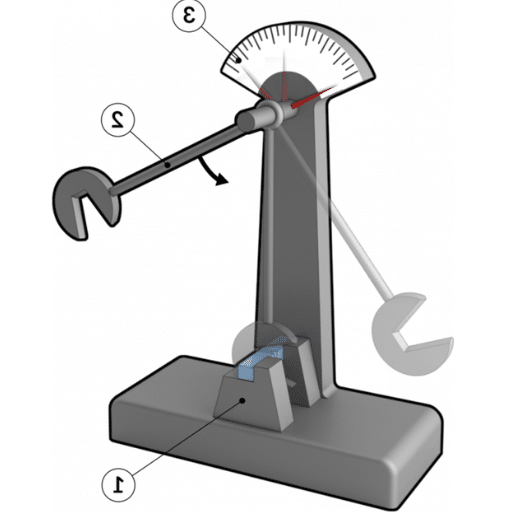
Impact Testing: Charpy and Izod Methods

Impact testing, the procedure for determining the strength and long-term durability of materials under sudden forces, is an indispensable method in materials science. The Charpy and Izod tests are the most standardized, each determining the material’s energy absorption capacity and fracture resistance as key factors. This article will guide the reader through the world of […]

Hardness Testing Methods: Rockwell, Brinell, Vickers
Hardness testing is an essential factor in material and engineering research since it allows one to determine a material’s capability to resist and wear out under the application of force. Among the various testing methods, Rockwell, Brinell, and Vickers methods have been recognized as the most widely accepted and used ones in the industry. Each […]
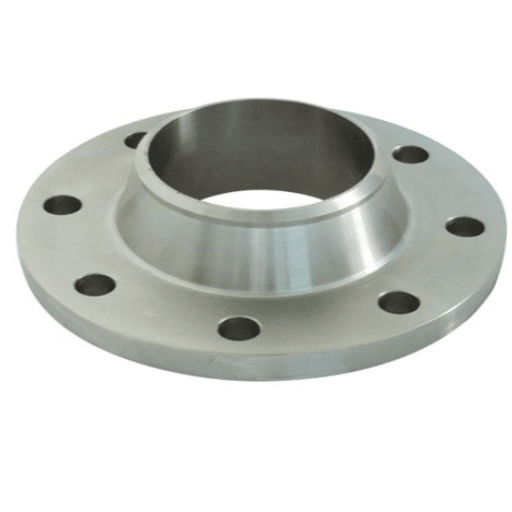
Introduction to NACE MR0175/ISO 15156: Sour Service Materials
As a very important task, the oil and gas sector must first manage the risks associated with sour service environments. Hydrogen sulfide (H₂S), the main characteristic of such environments, has a considerable effect on materials, equipment, and safety of operations. In this context, NACE MR0175/ISO 15156 is the very situation—an internationally recognized standard providing detailed […]
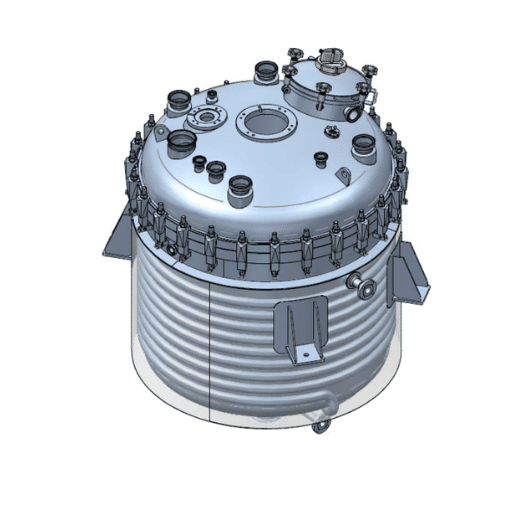
ASME Material Specifications for Pressure Vessels
Pressure vessels are vital parts of numerous industrial applications, from chemical manufacturing to electricity generation, and the choice of material is a key factor that affects the vessel’s safety, longevity, and performance. The American Society of Mechanical Engineers (ASME) pressure vessel material specifications have become the most significant standard governing engineers’ and manufacturers’ materials selection […]
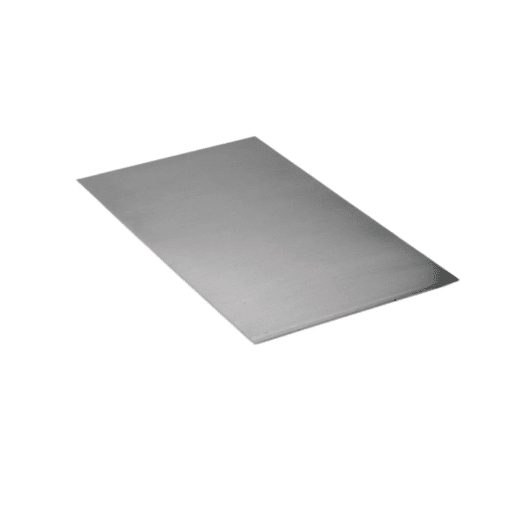
Metal Plate Thickness Standards and Tolerances: Understanding Tolerances and Thickness in Metal Sheet Applications
For metal fabrication and construction, understanding the metal plate thickness standards and tolerances is key to achieving proper structural integrity and precision in the end. In heavy machinery design or lightweight architectural components, even the smallest thickness differences can have a significant impact on performance, safety, and cost. This paper examines the key aspects of […]
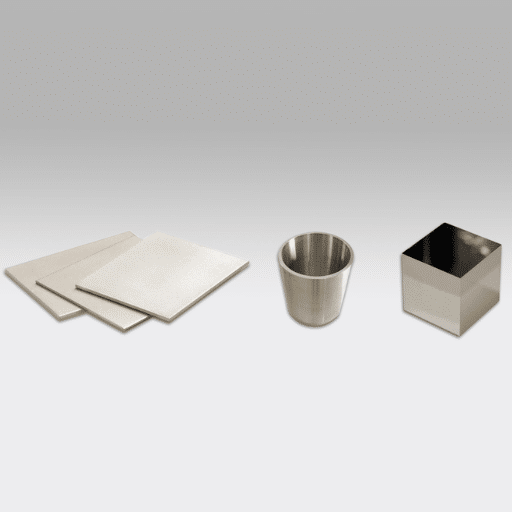
Super Invar (4J32A): Ultra-Low Expansion Material
In situations where accuracy and stability are the primary concerns, it is essential to use materials with minimal dimensional changes due to temperature fluctuations. Super Invar (4J32A), an ultra-low-expansion alloy, is invariably the first choice for its remarkable ability to resist thermal expansion. Its astonishing properties have made it the key material in high-tech applications […]
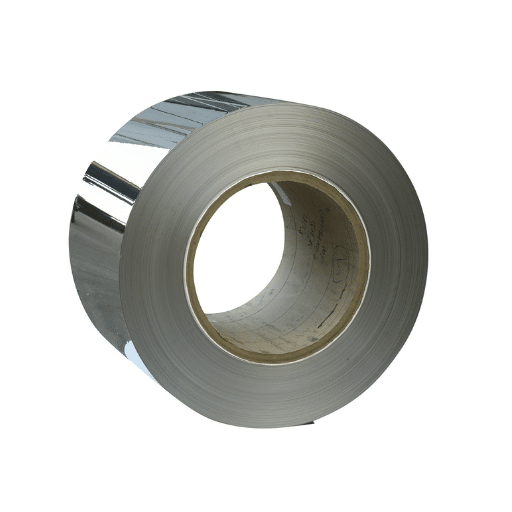
4J50 Alloy: Soft Magnetic Iron-Nickel Material
Alloy 4J50 is an advanced material used in precision industries and is of particular significance. The combination of its excellent magnetic characteristics with good thermal expansion properties makes this iron-nickel alloy a necessity for high-performance applications. Still, what exactly are the causes that make the 4J50 alloy critical and the areas where it is the […]
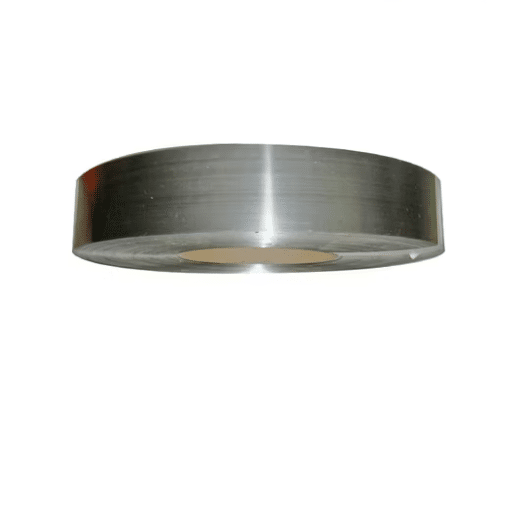
Kovar (4J29): Glass-to-Metal Sealing Alloy
In the arena of unfailingly reliable and the art of glass-to-metal sealing, Kovar 4J29 alloy becomes renowned, and there is a reason for this. It has an impressive thermal expansion coefficient, which makes it compatible with standard soda-lime glass, and is therefore predominantly used in aerospace and electronic applications. This article will explain in detail […]
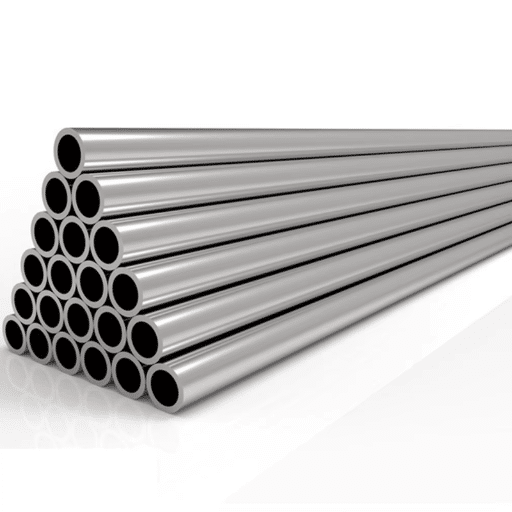
Invar 36 (4J36): Low Thermal Expansion Alloy
Among the unique Materials, Invar 36, whose alloy designation is 4J36, is really hard to beat in terms of its wonderful properties. The nickel-iron alloy has a very low thermal expansion coefficient and is widely used in industries where dimensional stability is critical. The wonderful characteristics of Invar 36 result from cutting-edge aerospace technology, precision […]
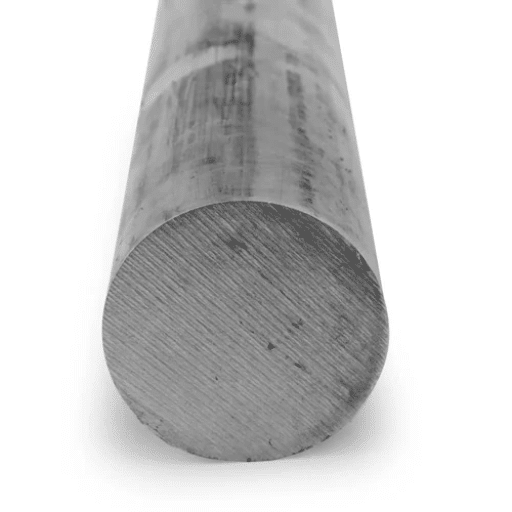
Maraging Steel Heat Treatment Guide
There are numerous materials with favorable properties for engineering and manufacturing, including maraging steel. This remarkable alloy is not only strong and tough, but it is also characterized by a combination of these properties that is quite rare to find in one material. Moreover, it is widely used in industries such as aerospace and tooling. […]