

Technical Guide
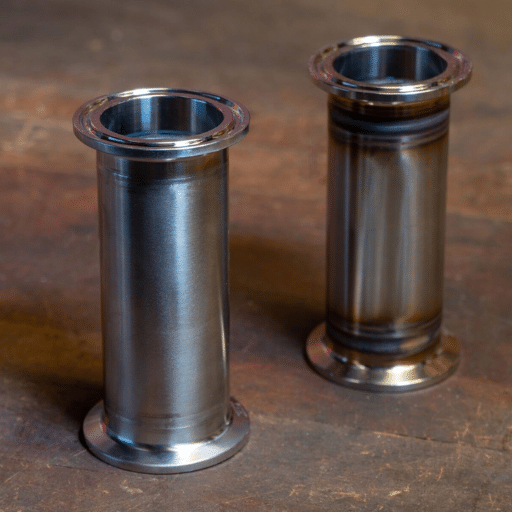
Passivation of Stainless Steel: Process and Standards

The process of passivation serves as a vital method that provides stainless steel with extended protection against corrosion while maintaining its durability through time. Stainless steel is rust-resistant, but its performance in challenging conditions requires proper handling. The blog presents the scientific basis and operational procedures of passivation to explain its improvement in stainless steel […]
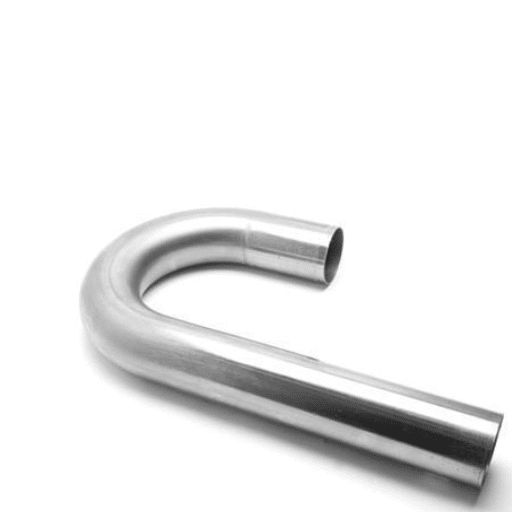
Bending and Forming Stainless Steel and Alloys: Techniques and Best Practices
The bending and forming process for stainless steel and its multiple alloys serves as an essential manufacturing method that multiple industrial sectors use in construction, automotive, aerospace, and medical equipment manufacturing. The materials possess high value because they combine strength with corrosion resistance and long-lasting durability yet their processing needs specialized methods which ensure precise […]
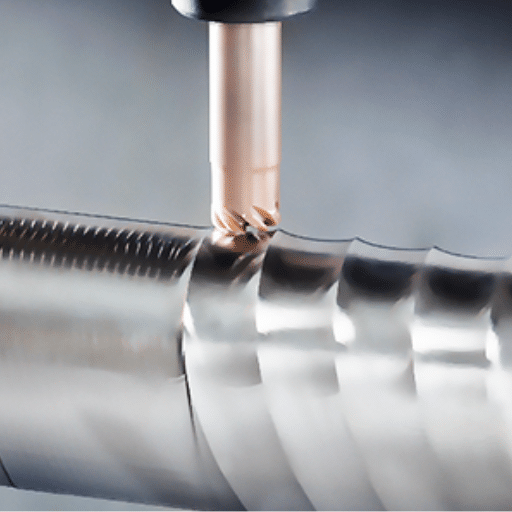
Cutting and Sawing High-Strength Alloys: Techniques for Metal Cutting with Blades and Band Saws
The process of cutting and sawing high-strength alloys requires specific tools and skilled operators who must work with extreme accuracy. The aerospace and automotive industries depend on these strong materials which possess exceptional strength but create machining difficulties. The article investigates optimal methods and techniques that researchers should use when working with high-strength alloys through […]
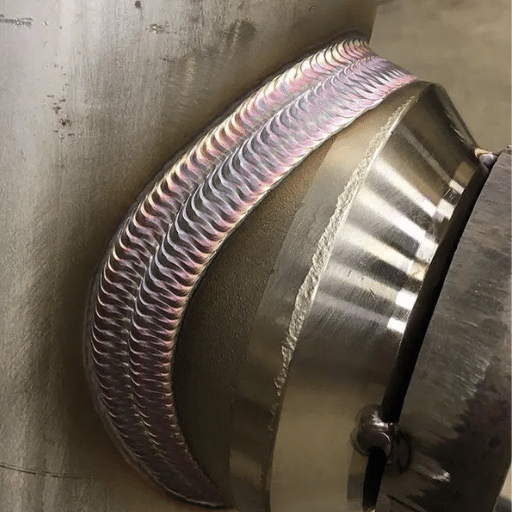
Welding Stainless Steel: Process and Procedures
The construction industry, automotive sector, and manufacturing sector all utilize stainless steel because it combines strength with corrosion protection and attractive design. Workers need to learn specific welding techniques for stainless steel because the metal possesses special characteristics that require special skills. The weld will lose its integrity when improper methods lead to warping, cracking, […]
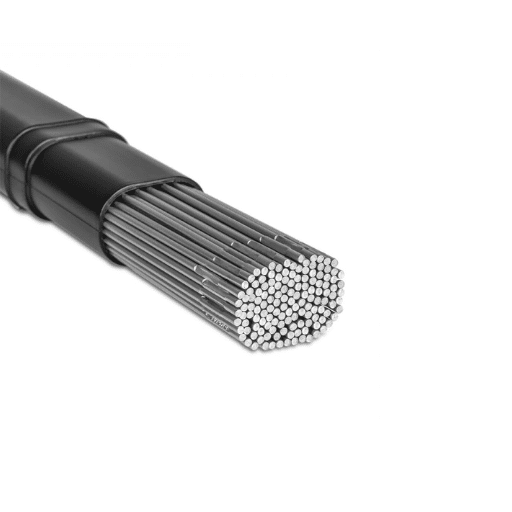
Welding Nickel-Based Alloys: Techniques and Challenges
Welding nickel-based alloys. The process serves as an essential operation for industrial sectors, which include aerospace, chemical processing, and other fields that require materials with durability and exceptional performance under harsh conditions. The alloys exhibit exceptional strength and corrosion resistance, but their unique properties pose significant challenges for welding. The article will examine the detailed […]

Carburizing and Surface Hardening Methods: Enhancing Material Properties
Materials are the basis of manufacturing and Mechanical Activity. Its service properties determine the endurance properties that determine success or failure, as in the case of the parts’ resistance to high pressure or long-term wear. How to mechanically alter the part’s surface characteristics to toughen or improve resistance to specific properties. These are called carburizing […]
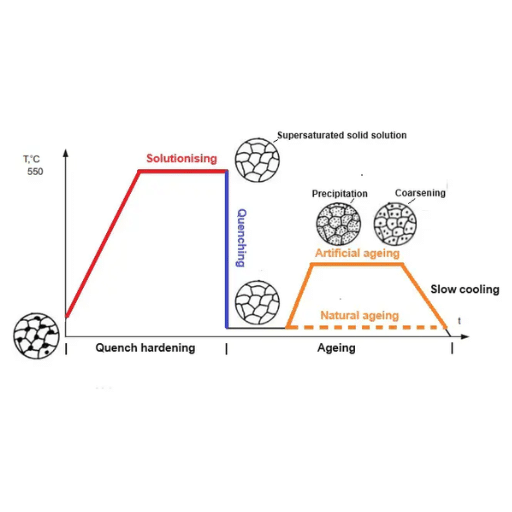
Age Hardening (Precipitation Hardening) Explained: Understanding the Heat Treatment Process for Metals
Age hardening, which people also refer to pas recipitation hardening, stands as one of the most important heat treatment techniques used in metallurgy. This method not only enhances the strength and endurance of metals but also establishes itself as an essential process for producing everything from aerospace parts to common tools. The mechanism produces reliable […]
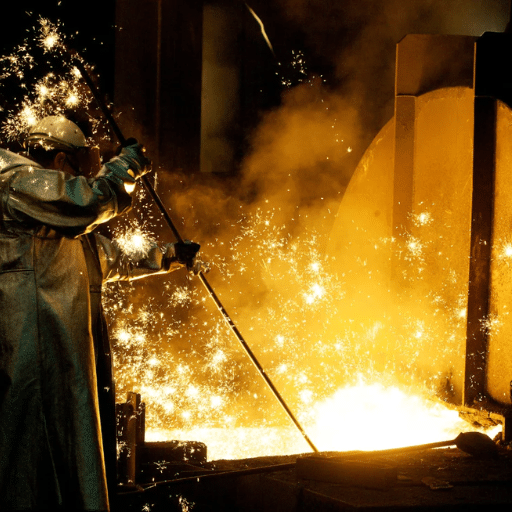
Solution Annealing: Process and Applications of Heat Treatment in Steel and Stainless Steel
Engineers and metallurgists use solution annealing as their main method to achieve their objectives of precise engineering work, strong material properties, and long-lasting product design. The heat treatment method functions as a crucial element that improves the operational capabilities of both steel and stainless steel materials. The requirement is a fundamental need that all industrial […]
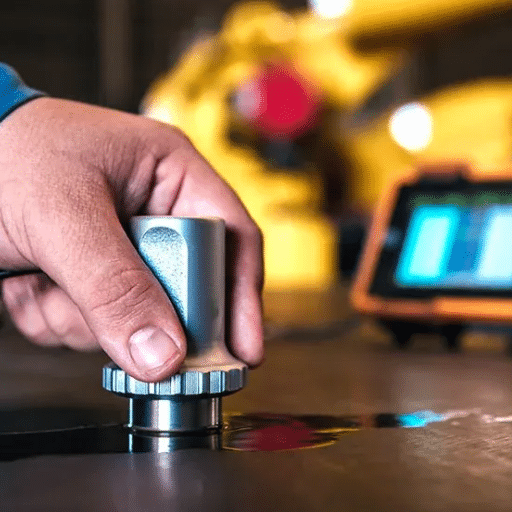
Non-Destructive Testing (NDT) Methods for Metals: Ensuring Quality Control in Metal Testing
There is a need for quality control of metals in construction, aerospace, automotive, and manufacturing industries, as protection of metal integration is at the core of these sectors. The Non-Destructive Testing (NDT) methods have evolved to be very important tools for identifying any defects, determining the ruggedness through some means as well as ensuring adherence […]
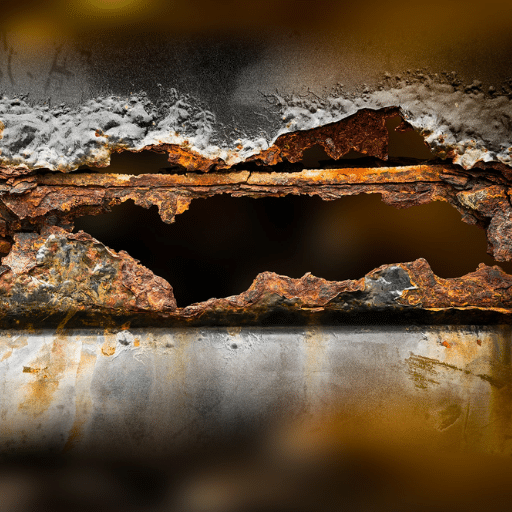
Corrosion Testing Methods for Metals: Understanding Electrochemical and ASTM Standards
Corrosion serves as an ongoing obstacle which industries that depend on metal components must face from their construction and transportation operations through their energy production activities and into other sectors of their work. Engineers require knowledge about the processes which cause corrosion to develop because this understanding enables them to establish protective measures which extend […]