Blog, Technical Guide

Carburizing and Surface Hardening Methods: Enhancing Material Properties

Materials are the basis of manufacturing and Mechanical Activity. Its service properties determine the endurance properties that determine success or failure, as in the case of the parts’ resistance to high pressure or long-term wear. How to mechanically alter the part’s surface characteristics to toughen or improve resistance to specific properties. These are called carburizing […]
Continue reading
Blog, Technical Guide

Age Hardening (Precipitation Hardening) Explained: Understanding the Heat Treatment Process for Metals

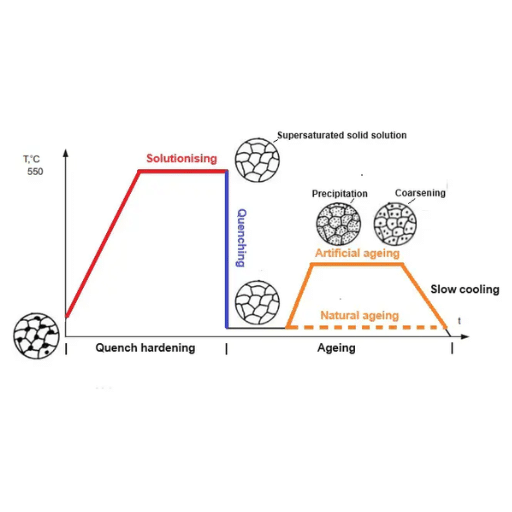
Age hardening, which people also refer to pas recipitation hardening, stands as one of the most important heat treatment techniques used in metallurgy. This method not only enhances the strength and endurance of metals but also establishes itself as an essential process for producing everything from aerospace parts to common tools. The mechanism produces reliable […]
Continue reading
Blog, Technical Guide

Solution Annealing: Process and Applications of Heat Treatment in Steel and Stainless Steel

Engineers and metallurgists use solution annealing as their main method to achieve their objectives of precise engineering work, strong material properties, and long-lasting product design. The heat treatment method functions as a crucial element that improves the operational capabilities of both steel and stainless steel materials. The requirement is a fundamental need that all industrial […]
Continue reading
Blog, Comprehensive Guide

Metal Heat Treatment: Complete Process Guide

The essential method that metal manufacturers and engineers use to achieve their highest-performing metal products and their longest product life is heat treatment as their primary production method. The process establishes a vital function that enables metals to undergo microstructural changes, creating the specific properties needed for different uses. Your material-strength improvement and ductility increase, […]
Continue reading
Blog, Technical Guide

Non-Destructive Testing (NDT) Methods for Metals: Ensuring Quality Control in Metal Testing

There is a need for quality control of metals in construction, aerospace, automotive, and manufacturing industries, as protection of metal integration is at the core of these sectors. The Non-Destructive Testing (NDT) methods have evolved to be very important tools for identifying any defects, determining the ruggedness through some means as well as ensuring adherence […]
Continue reading
Blog, Technical Guide

Corrosion Testing Methods for Metals: Understanding Electrochemical and ASTM Standards

Corrosion serves as an ongoing obstacle which industries that depend on metal components must face from their construction and transportation operations through their energy production activities and into other sectors of their work. Engineers require knowledge about the processes which cause corrosion to develop because this understanding enables them to establish protective measures which extend […]
Continue reading
Blog, Technical Guide

Impact Testing: Charpy and Izod Methods

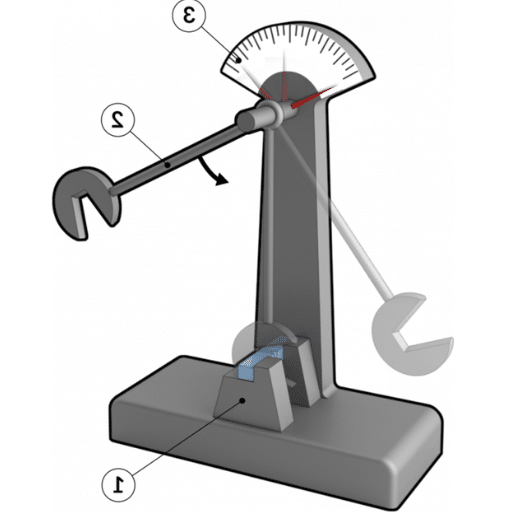
Impact testing, the procedure for determining the strength and long-term durability of materials under sudden forces, is an indispensable method in materials science. The Charpy and Izod tests are the most standardized, each determining the material’s energy absorption capacity and fracture resistance as key factors. This article will guide the reader through the world of […]
Continue reading
Blog, Technical Guide

Hardness Testing Methods: Rockwell, Brinell, Vickers

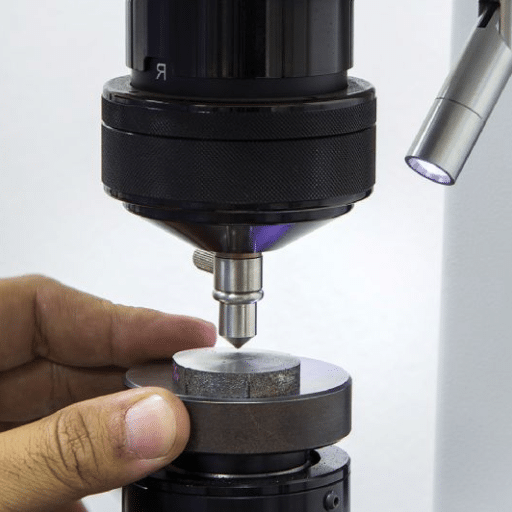
Hardness testing is an essential factor in material and engineering research since it allows one to determine a material’s capability to resist and wear out under the application of force. Among the various testing methods, Rockwell, Brinell, and Vickers methods have been recognized as the most widely accepted and used ones in the industry. Each […]
Continue reading
Blog, Technical Guide

Introduction to NACE MR0175/ISO 15156: Sour Service Materials

As a very important task, the oil and gas sector must first manage the risks associated with sour service environments. Hydrogen sulfide (H₂S), the main characteristic of such environments, has a considerable effect on materials, equipment, and safety of operations. In this context, NACE MR0175/ISO 15156 is the very situation—an internationally recognized standard providing detailed […]
Continue reading
Blog, Technical Guide

ASME Material Specifications for Pressure Vessels

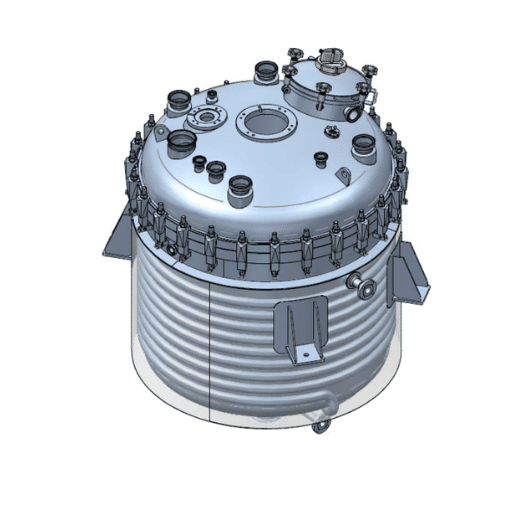
Pressure vessels are vital parts of numerous industrial applications, from chemical manufacturing to electricity generation, and the choice of material is a key factor that affects the vessel’s safety, longevity, and performance. The American Society of Mechanical Engineers (ASME) pressure vessel material specifications have become the most significant standard governing engineers’ and manufacturers’ materials selection […]
Continue reading