

Blog

Non-Destructive Testing (NDT) for High-Performance Metal Alloys

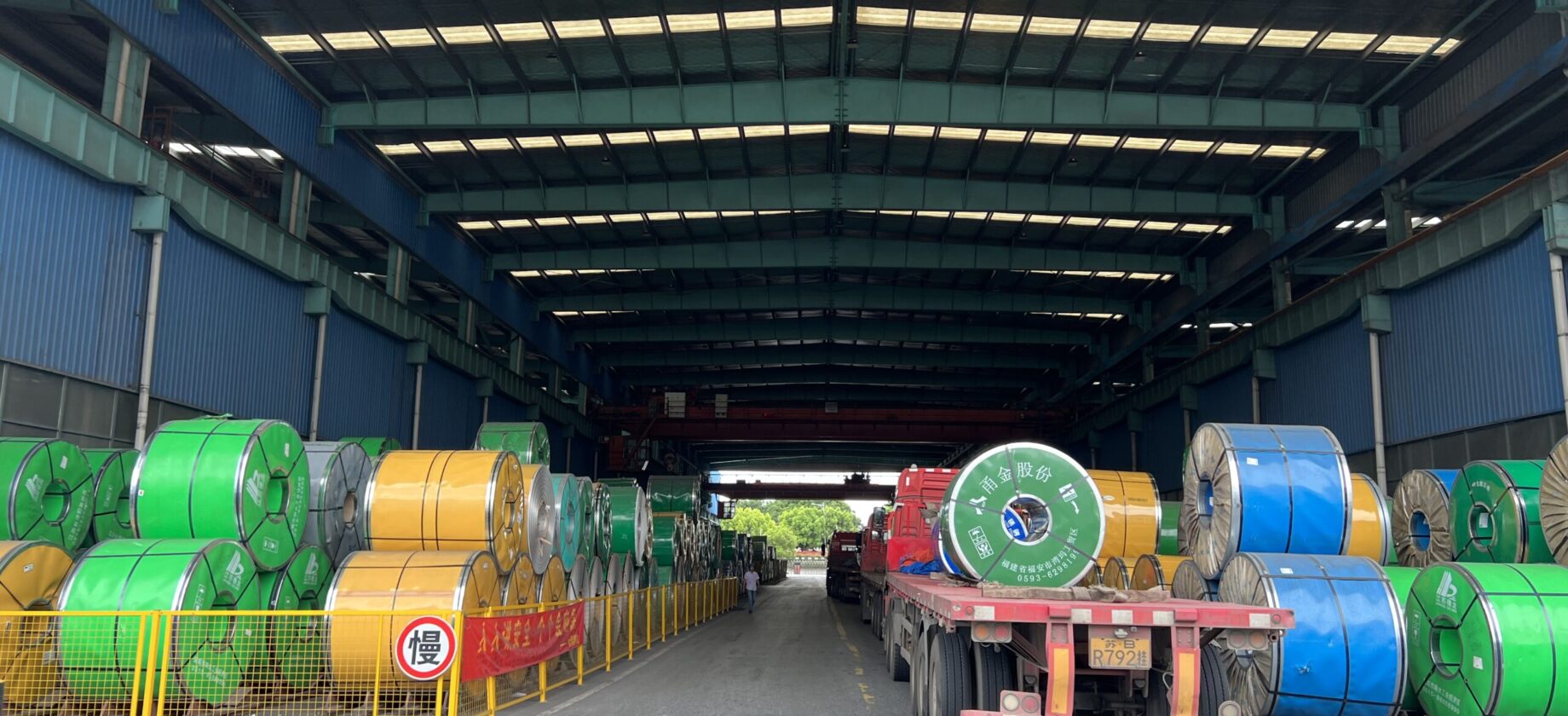
Metal alloys used in high-performance applications require structural integrity and reliable performance for all industrial sectors because even small material failures result in dangerous situations within aerospace and automotive and energy sectors. Non-Destructive Testing (NDT) functions as the main testing method for this purpose. Engineers and manufacturers depend on NDT because it provides advanced methods […]
Precision Sourcing: Buying Stainless Steel Coils for Global Distribution
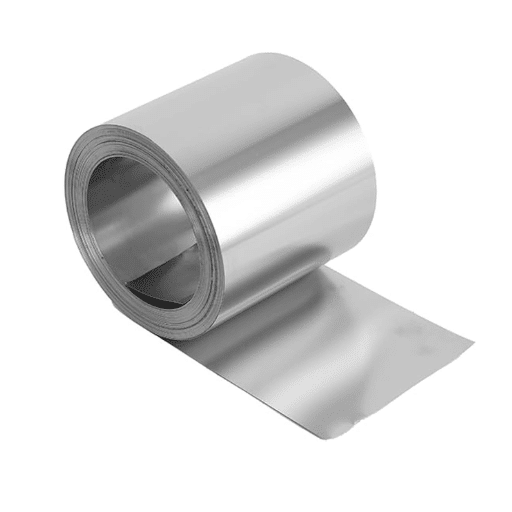
This blog will guide you through international stainless steel coil sourcing because it shows how to handle supply chain issues while judging product quality and selecting dependable suppliers. The article provides essential knowledge which enables both experienced procurement professionals and international sourcing beginners to make strategic decisions in the current worldwide market. Introduction The process […]
Heat Treatment Protocols for Nickel-Based Superalloys
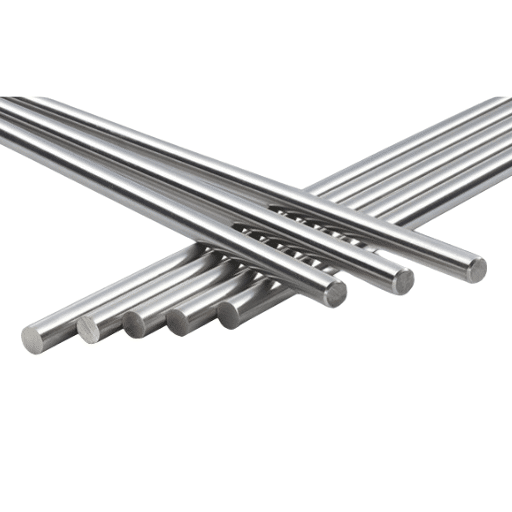
Heat treatment is not only aimed at changing the shape of nickel-based superalloys in the aerospace, power generation, and chemical processing industries. It is a series of operations affecting the physical and mechanical properties and giving the alloy properties superior to precision casting, high oxidation resistance, and high-temperature strength. This paper attempts to highlight all […]
Stainless Steel Bars and Rods: Mechanical Properties and Machinability
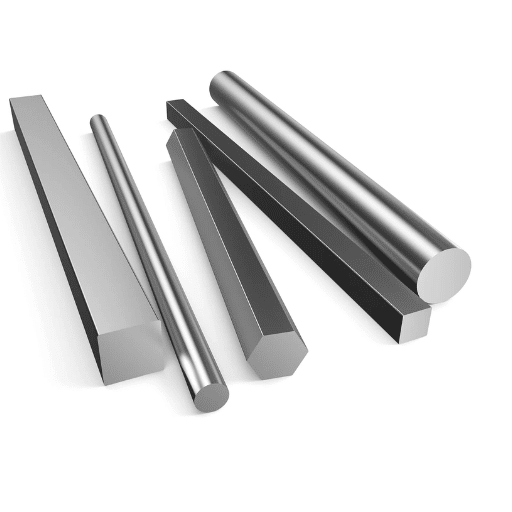
Industrial applications use stainless steel bars and rods because these materials provide exceptional strength together with protection against corrosion and multiple operational applications. The industrial sectors of construction and automotive and medical fields require knowledge about material properties and machining capabilities to achieve their essential performance and cost savings targets. The blog post examines the […]

The Impact of Nickel Content on Iron-Nickel Alloy Thermal Expansion
The creation of high-performance materials demands that designers prioritize precise measurement methods and dependable material properties as their fundamental design goals. This study investigates how different nickel content levels affect the thermal expansion properties of iron-nickel alloys — and what that means for aerospace, electronics, and beyond. Introduction to Iron-Nickel Alloys Iron-nickel alloys are materials […]
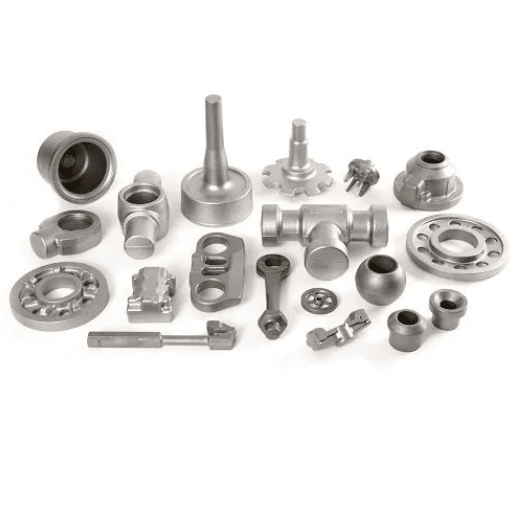
Technical Standards for Alloy Forgings: ASTM, AMS, and ISO Decoded
The primary requirements for alloy forgings demand that their manufacturing process produce high-quality, long-lasting, and accurately measured products. The process of handling technical standards, due to its intricate nature, can be challenging for most people. The organizations ASTM, AMS, and ISO establish material specification standards that engineers, manufacturers, and industry experts need to comprehend. The […]
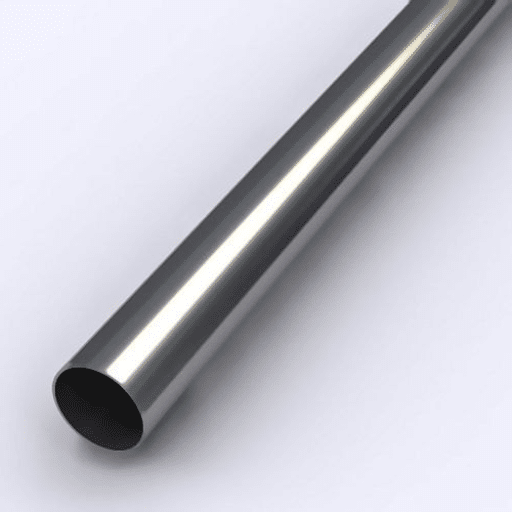
304 vs. 316 Stainless Steel Tubes: A Comparison for Marine Use
The process of selecting materials for use in marine environments requires specific expertise to identify the most suitable stainless steel. The combination of corrosion resistance and strength makes 304 and 316 stainless steel tubes the most popular material options in various applications. The various grades of stainless steel display different properties which determine their performance […]
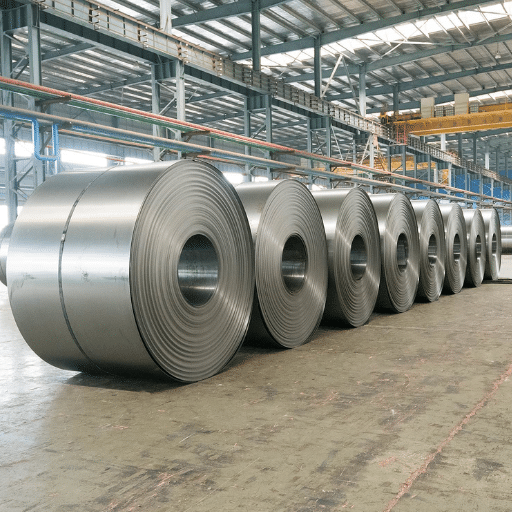
Understanding Maraging Steel: High Strength Without Brittleness
The material properties of maraging steel enable it to function as a metal which defies all established metallurgical trade-offs. The special alloy used in this application enables industrial fields to access materials which demonstrate both exceptional strength and maximum toughness. Maraging steel enables users to achieve both ductility and hardness without needing to make any […]
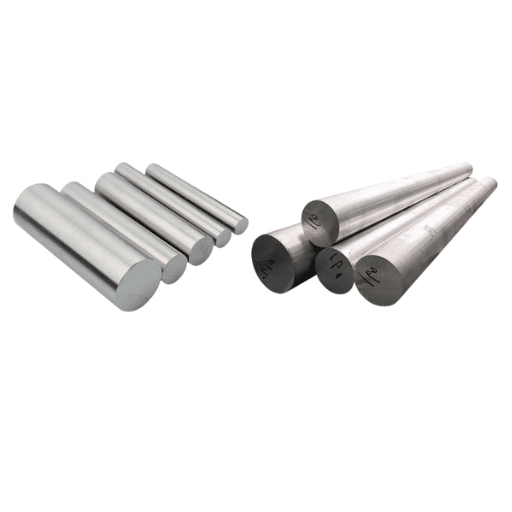
Aluminum vs Stainless Steel Properties: Understanding the Differences and Applications
Your project needs material selection because you must learn about the differences between aluminum and stainless steel. The two metals serve multiple industrial applications because they possess distinct characteristics which define their respective usage domains. But which method helps you identify the most appropriate option for your requirements? The article analyzes how aluminum and stainless […]
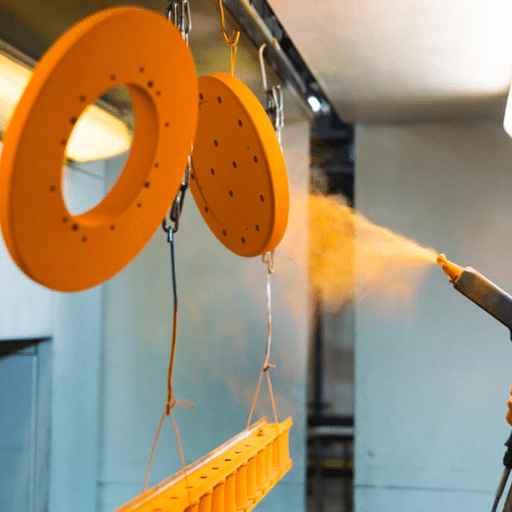
Metal Coating Methods: Plating and PVD
The selected coating method significantly affects metal surface durability and, in turn, enhances its visual appearance and functional performance. The automotive and electronics sectors benefit from two prevalent techniques, which include Plating and Physical Vapor Deposition, because both methods deliver distinct benefits. The article examines the differences between these two methods while determining which method […]